Best Partner Support Tips That Truly Help Back Pain Patients
Living with back pain isn’t just a solo battle—it has a ripple effect on everyone close to you. As someone who watched my partner struggle daily with both chronic lower back pain and the emotional load that comes with it, I learned that support isn’t just about sympathy—it’s about showing up, making daily life easier, and yes, even helping reduce their pain in real, tangible ways.
Understanding What They’re Really Going Through

It’s Not Just Physical
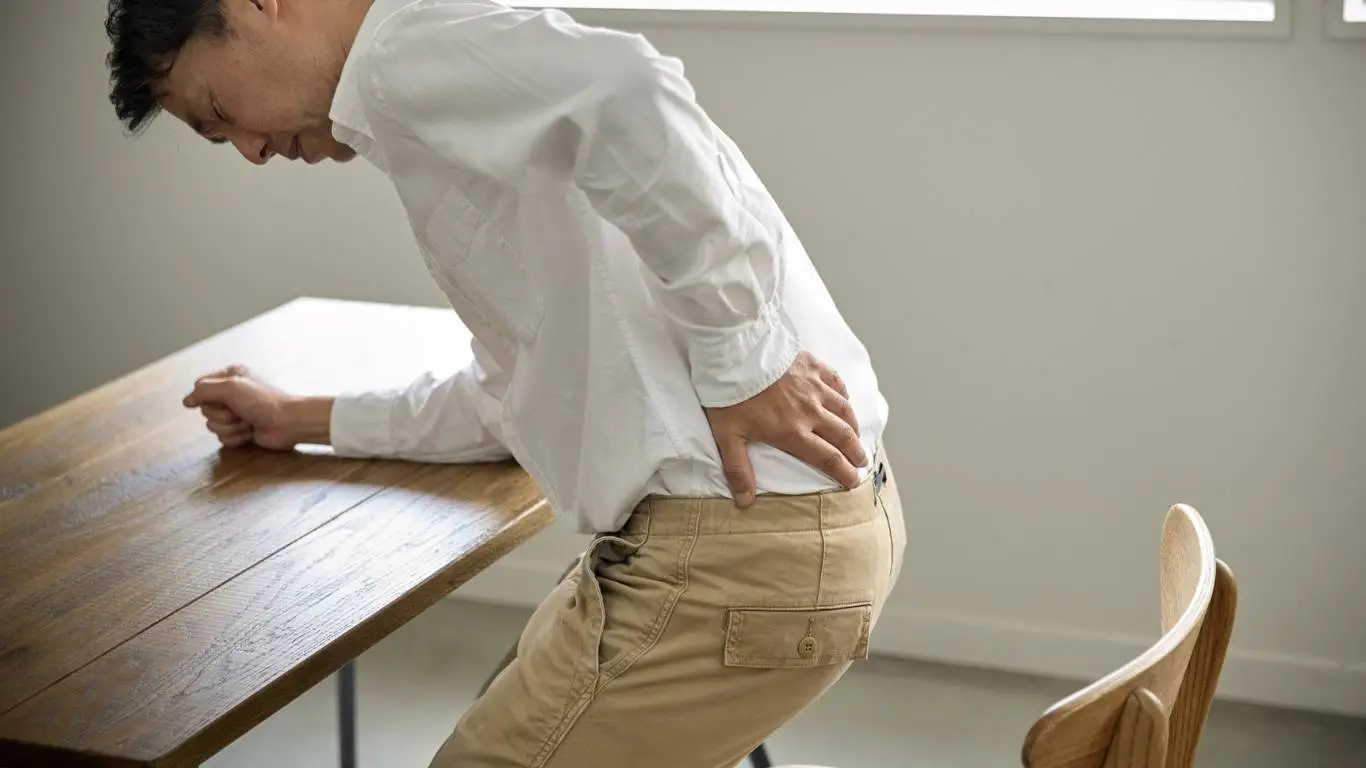
Back pain can be incredibly isolating. Sure, you see your partner wincing when they get out of bed or grimacing during a long drive—but there’s a lot more happening under the surface. Studies have linked chronic back pain with emotional exhaustion and depression, which can quietly eat away at their motivation, confidence, and social life.
They’re not being lazy when they cancel plans or struggle to get basic chores done. Pain demands energy, and some days it robs them of everything they’ve got. Empathy—not judgment—is your best tool.
Chronic vs. Acute: Know the Difference
If your partner has chronic back pain, they’re not on a linear healing timeline. There are good days and really bad ones, and it’s not always predictable. Unlike acute injuries that improve steadily, chronic conditions like degenerative disc disease or spondylolisthesis can flare up randomly.
Practical Ways You Can Help Right Now

1. Take Over Certain Physical Tasks
My partner used to feel guilty watching me vacuum or do laundry. But here’s the truth: helping with physically demanding chores is one of the most loving things you can do. It doesn’t just reduce their pain—it also lowers their anxiety about contributing.
- Offer to carry groceries or heavy bags.
- Clean areas that require bending or stretching.
- Encourage them to rest during flare-ups, guilt-free.
2. Adjust Your Environment Together
We made some subtle changes to our home setup, and wow—what a difference. Just adding lumbar pillows and replacing our mattress made long nights way more tolerable. Consider these:
- Sleep position adjustments
- Supportive seating
- Accessible heating pads for flare-ups
3. Move Together—Gently
Back pain often discourages movement, but ironically, gentle activity is key to recovery. Join your partner in doing yoga stretches or taking short, comfortable walks. Being part of their recovery, instead of just cheering from the sidelines, boosts their confidence and connection with you.
Be Their Health Advocate (Without Being a Nag)

Go to Appointments When You Can
Tagging along to doctor visits is more powerful than it seems. It shows your partner they’re not alone and helps you better understand what they’re dealing with medically. You can also ask useful questions they might forget, like exploring MRI options or discussing whether epidural injections make sense.
Help Them Filter the Noise
There’s so much online advice on back pain—it’s overwhelming. Help them navigate by pointing them to high-quality, evidence-based sources like ncbi.nlm.nih.gov or mayoclinic.org, and most importantly, guide them toward reliable back pain resources like the conservative treatment pillar.
Don’t Forget the Emotional Side

Offer More Than Physical Help
One of the hardest parts for my partner wasn’t the pain—it was feeling like a burden. Emotional reassurance matters. A simple “You’re not a problem. We’ve got this,” can make their whole week. Back pain isn’t just a spine issue—it seeps into self-worth and relationships.
Don’t push toxic positivity. Just be real. Some days will suck. Sit with them in the hard moments. That’s what support really looks like.
Celebrate Small Wins
If they get through a day with less pain, cook a special meal. If they finally try that sciatica stretch they’ve been nervous about, hype them up. Progress in back pain recovery is painfully slow—your enthusiasm fuels their hope.
Encourage Their Autonomy
It’s tempting to over-help, especially when you hate seeing them in pain. But try not to jump in too fast. If they want to try managing something solo, encourage that independence. You’re a partner, not a caretaker.
Build a Routine That Supports Healing

Stick to Sleep and Diet Habits Together
Back pain recovery isn’t just about medications—it’s about consistency. We set a bedtime, reduced processed foods, and started experimenting with anti-inflammatory meals. Something as simple as changing diet helped reduce flare-ups for my partner.
Support Their New Limits Without Frustration
There were times when I felt frustrated that our hikes turned into 10-minute walks or that I had to cancel weekend plans. But I learned quickly: resentment doesn’t heal. Adjusting your expectations together is part of being a team.
Want to dive deeper into understanding types of back pain? Visit the types & anatomy section for a deeper breakdown of what might be causing their pain. And don’t miss the comprehensive main back pain guide for more insight on treatment pathways.
Communication Makes or Breaks the Journey

Say What You Need (Both Ways)
When my partner’s back pain became a regular part of our life, one thing we both learned quickly: unspoken expectations are relationship killers. I assumed they knew I wanted to help. They assumed I was annoyed. We both bottled it up. That led to some avoidable tension.
We started setting a check-in day once a week—just 15 minutes to talk. Not about logistics. About feelings. About what’s working. About what sucks. It created a safe space to express without judgment. Back pain doesn’t just test the body—it tests the bond.
Be Honest About Burnout
Supporting someone in pain is exhausting. You can love them to pieces and still feel drained. That doesn’t make you a bad partner. It makes you human. I once snapped because I hadn’t slept in two nights and felt guilty about it for weeks. But guess what? They didn’t need perfection—just presence and honesty.
Don’t wait until you explode. Share your own needs. Ask for support too. This is a team sport, and teams thrive when everyone gets water breaks.

Little Moves Matter
You don’t have to become gym warriors. My partner and I started with 10-minute walks after dinner. Some nights that was a slow lap around the block, and other nights we made it two miles. It wasn’t about distance—it was about staying in motion gently.
Movement reduces stiffness, boosts endorphins, and—this part is underrated—gives you both something to bond over that’s not back pain.
Turn Rehab Into a Ritual
If they’re doing physical therapy exercises, join them. Even if you’re just lying beside them on the mat, cheering them on. Better yet, try exercises together from Pilates for core support or a few moves from back pain apps. When rehab becomes a routine instead of a chore, they’re more likely to stick with it.
Champion Their Confidence

Affirm Their Progress—Loudly
Back pain messes with your mind. It can make people feel weak, broken, and dependent. I saw this firsthand. But every time I reminded my partner how strong they were—how they were still showing up despite the pain—it lit a spark in them.
Remind them of wins they forget—“Remember when you couldn’t even sit for 10 minutes and now you’re driving again?” Those small milestones? They need those reflected back to believe in them again.
Help Rebuild Their Social Life
Back pain can shrink your world. Canceling dinners, missing events—it adds up. Help them say yes to more, without overdoing it. Maybe plan shorter outings. Bring friends over instead of going out. Suggest pain-friendly activities like swimming or board game nights on good days.
Connection is medicine too.
Explore Holistic and Creative Healing Together
Get Curious About Complementary Therapies
We experimented with everything—some helped, some didn’t. But we learned so much along the way. Things like acupuncture, CBD oil, or massage therapy were surprisingly effective.
What worked best? Approaching these trials with curiosity, not pressure. Trying things together as a couple turned “treatment” into an experience, not just another burden.
Mind-Body Tools Really Work
We were skeptical at first, but introducing mindfulness and CBT into our routine was game-changing. These aren’t just buzzwords. There’s real science behind how they rewire pain perception.
Even just five minutes of breathing exercises after a hard day brought calm back into the room. And it’s free. Can’t beat that.
Create Long-Term Routines That Prioritize Both of You

Divide and Adapt Together
Forget 50/50. There were weeks when I did 80%, and others where my partner bounced back and carried me. Partnership is about adaptation, not equality in the moment. We even made a shared calendar of “good days” and “down days” to plan chores and social events realistically.
Keep Wellness a Joint Effort
We meal prep anti-inflammatory foods together on Sundays, keep track of pain trends, and even rate products like mattresses and braces together. It creates a sense of control in a journey that often feels out of control.
And when one of us slacks off, the other gently nudges. Not from a place of nagging, but mutual respect. That makes all the difference.
We didn’t just focus on pain—we focused on quality of life. Our goals included “one social outing per week,” “reduce takeout to once a week,” and “stretch before bed.” These weren’t about fixing anything. They were about living better together.
If you’re looking for a deeper dive into lifestyle shifts that support back health, don’t miss the lifestyle and natural remedies section—it’s full of low-effort, high-impact changes that support both of you.
And if you’re new to back pain or want a comprehensive guide to begin understanding what your partner is up against, check out the main back pain pillar at Healthusias. It’s one of the most thorough resources I’ve found—and believe me, I’ve read more than I can count.

Camellia Wulansari is a dedicated Medical Assistant at a local clinic and a passionate health writer at Healthusias.com. With years of hands-on experience in patient care and a deep interest in preventive medicine, she bridges the gap between clinical knowledge and accessible health information. Camellia specializes in writing about digestive health, chronic conditions like GERD and hypertension, respiratory issues, and autoimmune diseases, aiming to empower readers with practical, easy-to-understand insights. When she’s not assisting patients or writing, you’ll find her enjoying quiet mornings with coffee and a medical journal in hand—or jamming to her favorite metal band, Lamb of God.