Why Semen Might Be Causing Your Bacterial Vaginosis Flare-Ups
So, here’s a question I once sheepishly asked my gynecologist after yet another bout of that all-too-familiar discomfort: “Could it be… my partner’s semen causing this?” Turns out, I wasn’t the only one wondering. If you’ve ever had bacterial vaginosis (BV) show up like an uninvited guest after intimacy, you’re in good company. Let’s explore this whole semen and BV connection without the stigma or the science jargon overload. Just real talk, honest info, and answers I wish I had earlier.
Can Semen Really Trigger Bacterial Vaginosis?

Here’s what we know: BV is caused by an imbalance in the vaginal microbiome — that natural community of bacteria that keeps everything running smoothly down there. Now, semen? It’s alkaline. Vaginas, on the other hand, are naturally more acidic. When semen enters the picture, it can disrupt the pH balance, making it easier for “bad” bacteria to thrive. I know, that totally surprised me too.
Some studies — including ones referenced by NIH and CDC — have observed higher rates of BV in women who engage in frequent unprotected sex. Coincidence? Probably not.
Why pH Balance Matters More Than You Think
Think of your vagina like a delicate garden. It thrives in a slightly acidic environment. When semen enters and raises the pH, it’s like throwing off the whole ecosystem. This gives anaerobic bacteria a chance to overgrow, leading to that fishy odor, unusual discharge, or discomfort you probably know all too well.
Want the technical scoop? BV isn’t exactly an STD, but it is related to sexual activity. Learn more about that nuance in this article on BV and sexual activity.
Risk Factors: When Semen Becomes a Bigger Deal

Here’s the deal — not everyone will react the same way to semen. But here are some common risk enhancers I’ve seen (and personally experienced):
- Unprotected sex with new or multiple partners
- Lack of condom use (yup, that thin barrier matters more than you think)
- Already having a history of recurring BV
- Recent menstruation (your pH may already be off)
More about this? You’ll definitely want to read up on BV after menstruation to understand how it all connects.
Condoms Aren’t Just for STI Prevention

Real talk — I wasn’t always consistent with condom use in long-term relationships. But once I connected the dots between unprotected sex and my recurring BV, I changed my approach. Condoms help maintain the natural vaginal pH and minimize the semen disruption. It’s not about blaming your partner — it’s about protecting your balance.
Even more interesting? Researchers have found that consistent condom use significantly reduces the risk of BV recurrence. A little effort for a lot of peace of mind.
Are You Treating It Right?

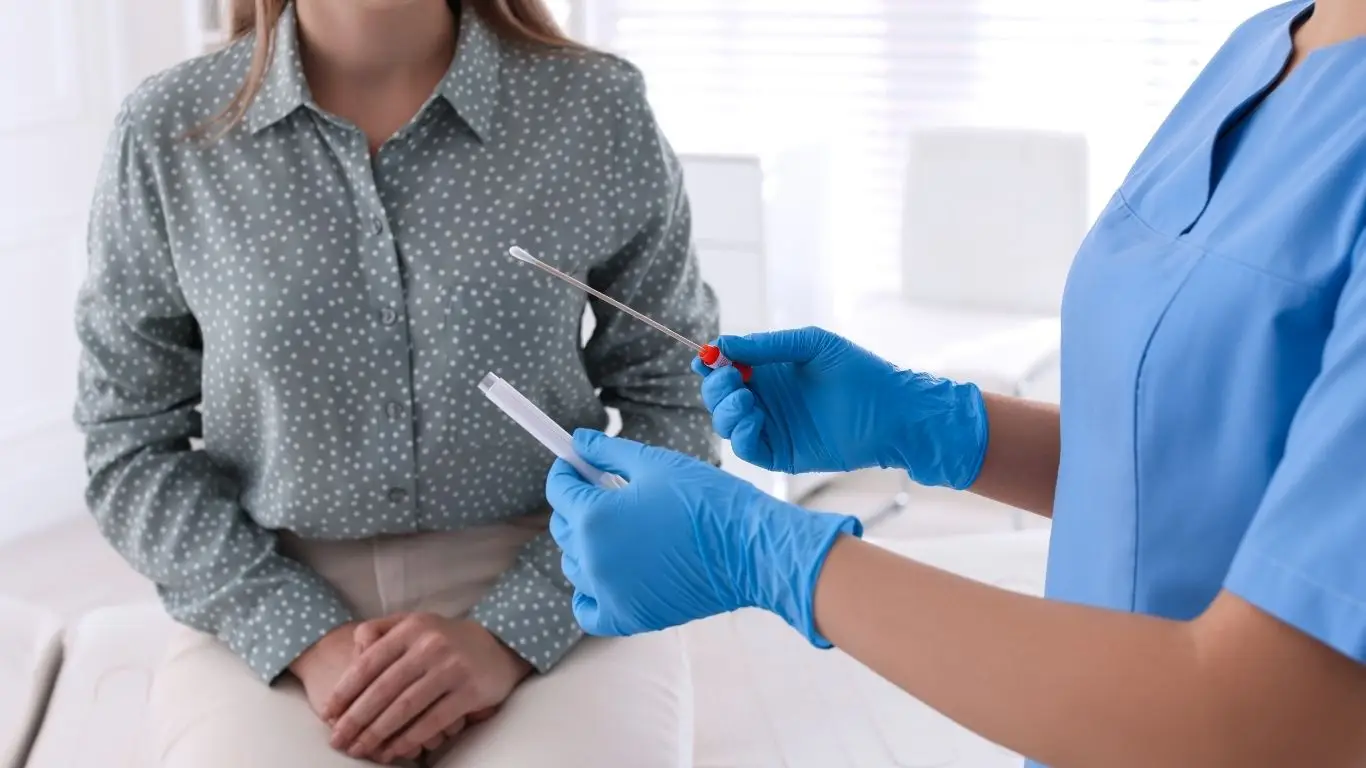
If you suspect semen might be a trigger, it’s not just about prevention — it’s about proper treatment too. Over-the-counter remedies often don’t cut it. Prescription options like metronidazole or clindamycin are usually required for a real fix.
And don’t ignore recurring flare-ups. If your BV keeps coming back after intimacy, you might want to look into long-term BV management solutions. It’s not always just a one-time treatment kind of situation.
What About Your Partner’s Role?

This is where things get a bit tricky. Technically, there’s no official guidance on treating male partners of women with BV — but some emerging research suggests that certain bacteria might pass back and forth. Personally, I had fewer recurrences when my partner focused on hygiene and we temporarily used protection.
More insights on this are shared in this helpful guide on partner treatment.
When to Talk to a Doctor

If your symptoms come back often or don’t fully clear up, don’t just keep Googling — seriously, make the appointment. BV isn’t life-threatening, but it can raise your risk for other infections and even impact fertility or pregnancy. And if you’re pregnant, BV + semen changes might be an even bigger concern. Here’s what you need to know about BV treatment during pregnancy.
While self-diagnosing is tempting, nothing beats a proper test. If you’re on the fence, read up on whether you can self-diagnose BV (spoiler: it’s trickier than it sounds).
For more in-depth insights into causes and risks, you can also check out our main guide on BV causes and risk factors, or head to the complete resource on Bacterial Vaginosis.
Recurring BV After Sex? You’re Not Imagining It

I used to think I was being paranoid. Every time I had unprotected sex, that familiar itching and discharge would creep back days later. Sound familiar? You’re not overreacting. In fact, a ton of women experience BV relapses after treatment, especially when semen continues to disrupt their vaginal balance.
It’s not just frustrating — it’s exhausting. And worse? Many women are misdiagnosed or told it’s “just yeast” when it’s actually BV rearing its head again. Here’s where you take back control.
Smart Prevention Tips That Actually Work
Okay, so what actually helps? From trial-and-error (and, honestly, way too many repeat prescriptions), here’s what I’ve found works — and what OB-GYNs often suggest:
- Use condoms consistently — especially with new or multiple partners.
- Support your pH — after sex, some women rinse externally with water or use pH balancing products.
- Try probiotics — vaginal and oral. I personally noticed fewer flare-ups when I added a daily probiotic. Here’s a breakdown of how probiotics help with BV.
- Track your cycles — BV can be more common during certain phases of your menstrual cycle. Combine that with semen exposure and the odds increase. This article on BV hygiene triggers is a must-read.
Natural Approaches: Do They Work?
Let’s be real — not everyone wants to keep going back for prescriptions. I tried pretty much everything in my kitchen cabinet at one point (some things I wouldn’t recommend). But some natural remedies do have anecdotal and scientific backing:
- Yogurt (plain, unsweetened) — works best when applied vaginally, though not everyone’s a fan of the mess
- Tea tree oil suppositories — powerful, but be cautious if you’re sensitive
- Apple cider vinegar — better used in sitz baths than douches
That said, always talk to your healthcare provider before trying anything new — especially when it comes to your vaginal microbiome. One wrong move can make things worse.
Diet Plays a Bigger Role Than You Think

This one took me by surprise. I had no idea how much sugar and processed foods were messing with my body’s ability to maintain healthy bacteria. Since dialing back on sugar (and cutting back on white bread and dairy), my symptoms have decreased big time. If you’re curious, check out this list of foods that promote good bacteria and why sugar can make BV worse.
Food isn’t a cure, but it’s part of a bigger strategy to keep BV from constantly coming back — especially after sex.
When Semen Causes a Bigger Problem

There are women whose bodies simply react more dramatically to semen. Whether it’s due to allergies, immune response, or a sensitive microbiome, it’s legit. In some cases, women even experience immediate discomfort or odor within hours of unprotected sex. That’s not in your head.
If this is you, you’re not alone. In fact, more OB-GYNs are starting to acknowledge the link and helping patients find practical ways to manage it. For a deeper dive, here’s a relevant section on testing for BV accurately at home.
Pregnancy & BV: What You Should Know

One of the scariest moments for me was dealing with BV during pregnancy. The stakes are higher — BV has been linked to preterm labor and other complications. And semen exposure becomes even more sensitive during this time.
Talk to your OB-GYN if you notice symptoms or changes in discharge after sex while pregnant. Here’s a useful breakdown of BV miscarriage risk facts you should be aware of.
Listen to Your Body

It took me years — and many frustrating visits to the clinic — to recognize the pattern between semen exposure and BV flares. You know your body best. If symptoms always follow unprotected sex, that’s your clue. Use protection, support your pH, talk to your partner, and don’t settle for a quick fix that doesn’t address the root cause.
For a full understanding of how BV develops and spreads, be sure to check the comprehensive resource on Bacterial Vaginosis and the detailed breakdown of BV symptoms so you can catch it early.

Dr. Gwenna Aazee is a board-certified Internal Medicine Physician with a special focus on hypertension management, chronic disease prevention, and patient education. With years of experience in both clinical practice and medical writing, she’s passionate about turning evidence-based medicine into accessible, actionable advice. Through her work at Healthusias.com, Dr. Aazee empowers readers to take charge of their health with confidence and clarity. Off the clock, she enjoys deep dives into nutrition research, long walks with her rescue pup, and simplifying medical jargon one article at a time.