Why Avoiding Public Restrooms Due to Anxiety Is Quietly Ruining Your Day
There was a time I’d map out entire routes around town just to avoid using a public restroom. Sound familiar? You’re not alone. Avoiding public restrooms due to anxiety isn’t just a “quirky habit”—it’s a legit mental health challenge that quietly disrupts daily life in ways most people can’t even imagine. Whether it’s the fear of being overheard, the discomfort of unfamiliar spaces, or a deeper-rooted anxiety disorder, this issue deserves more attention than it gets.
Why Public Restrooms Become a Battleground for Anxiety
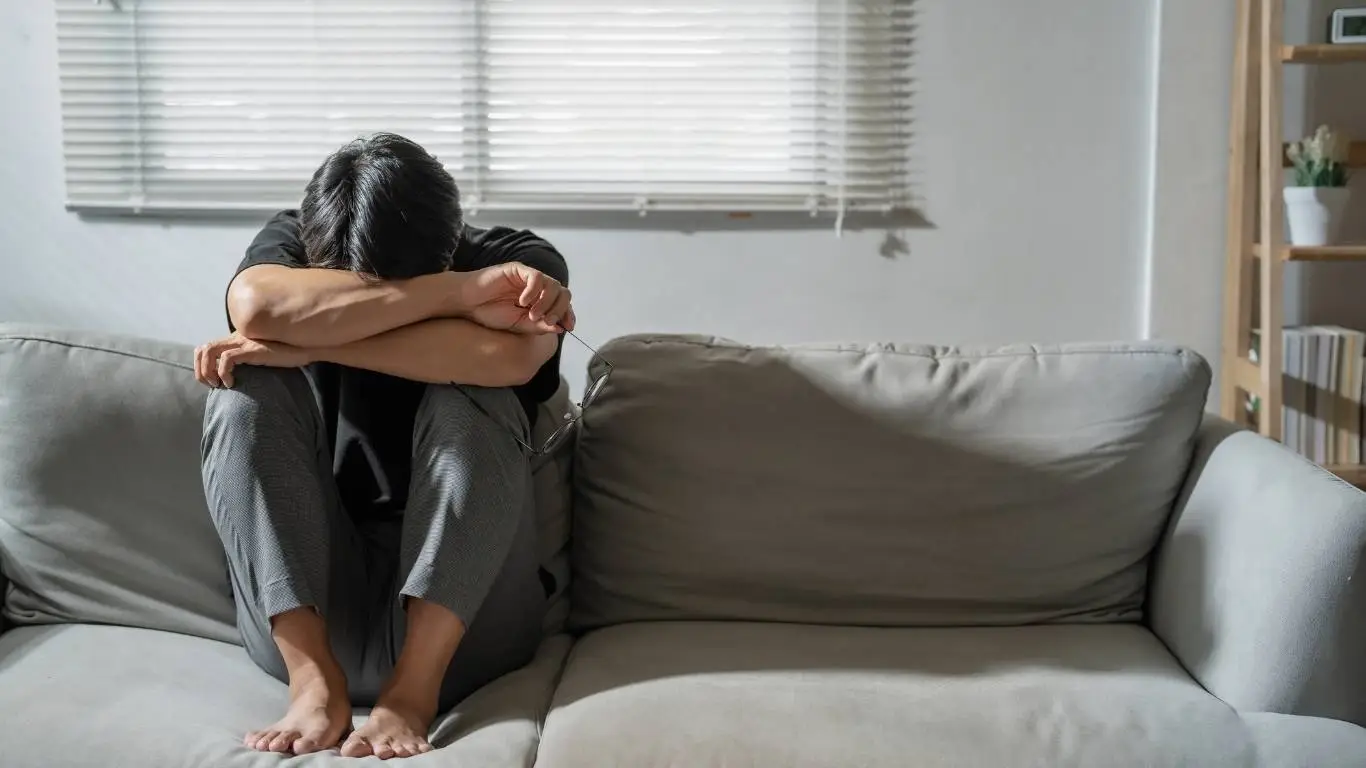
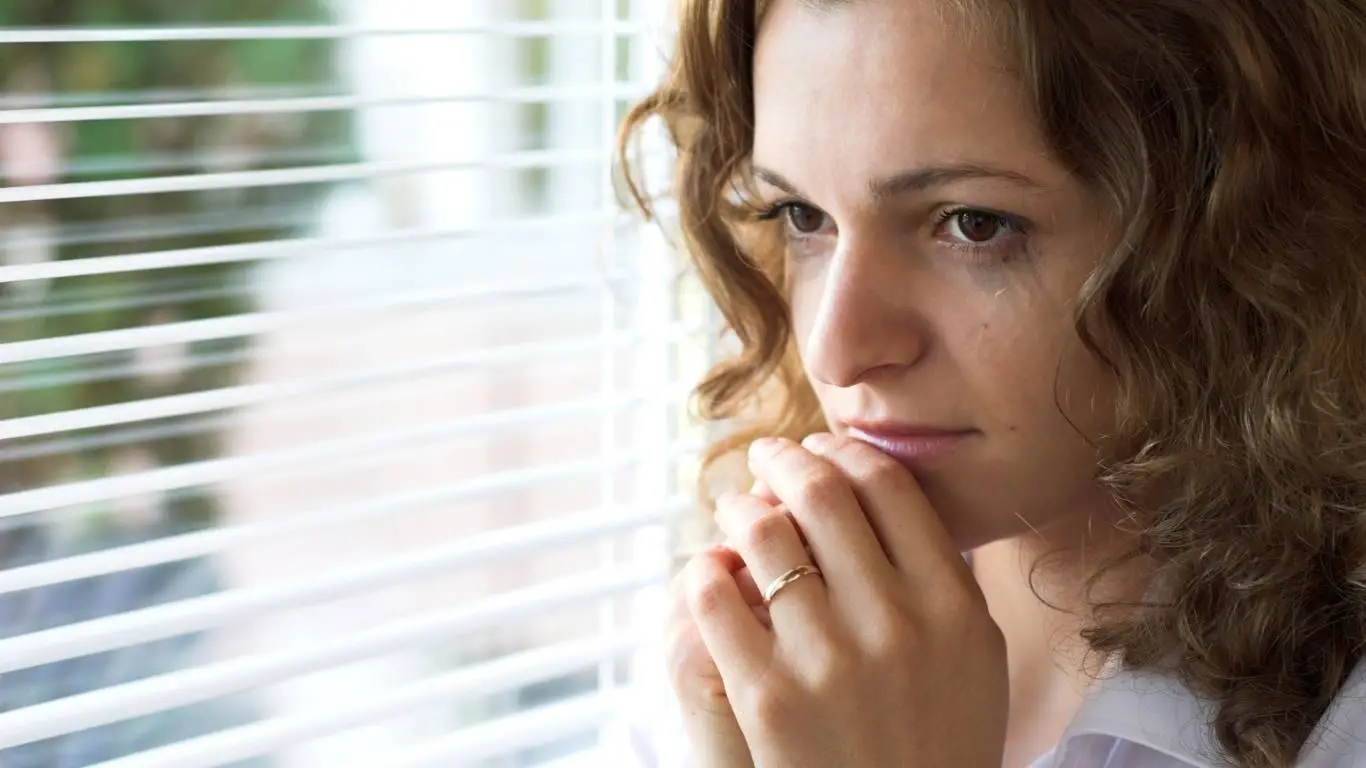
Most people don’t think twice about using a restroom in a café, mall, or airport. But if you’re dealing with anxiety—especially social anxiety or specific phobias—public restrooms can trigger a full-on panic response. For me, even just hearing someone walk in while I was inside would spike my heart rate.
It’s Not Just About Cleanliness
Sure, some people are put off by the hygiene factor, but for others, it’s the idea of being judged, heard, or just the lack of control. Public restrooms can feel like performance zones when your anxiety is at a peak.
The Vicious Loop of Avoidance
The problem isn’t just the anxiety itself. It’s the way avoidance fuels more anxiety. The more you skip using restrooms in public, the scarier it becomes next time. This pattern can start to shrink your world. I started avoiding long drives, concerts, even grocery shopping—just in case.
Common Psychological Triggers Hidden in the Stall
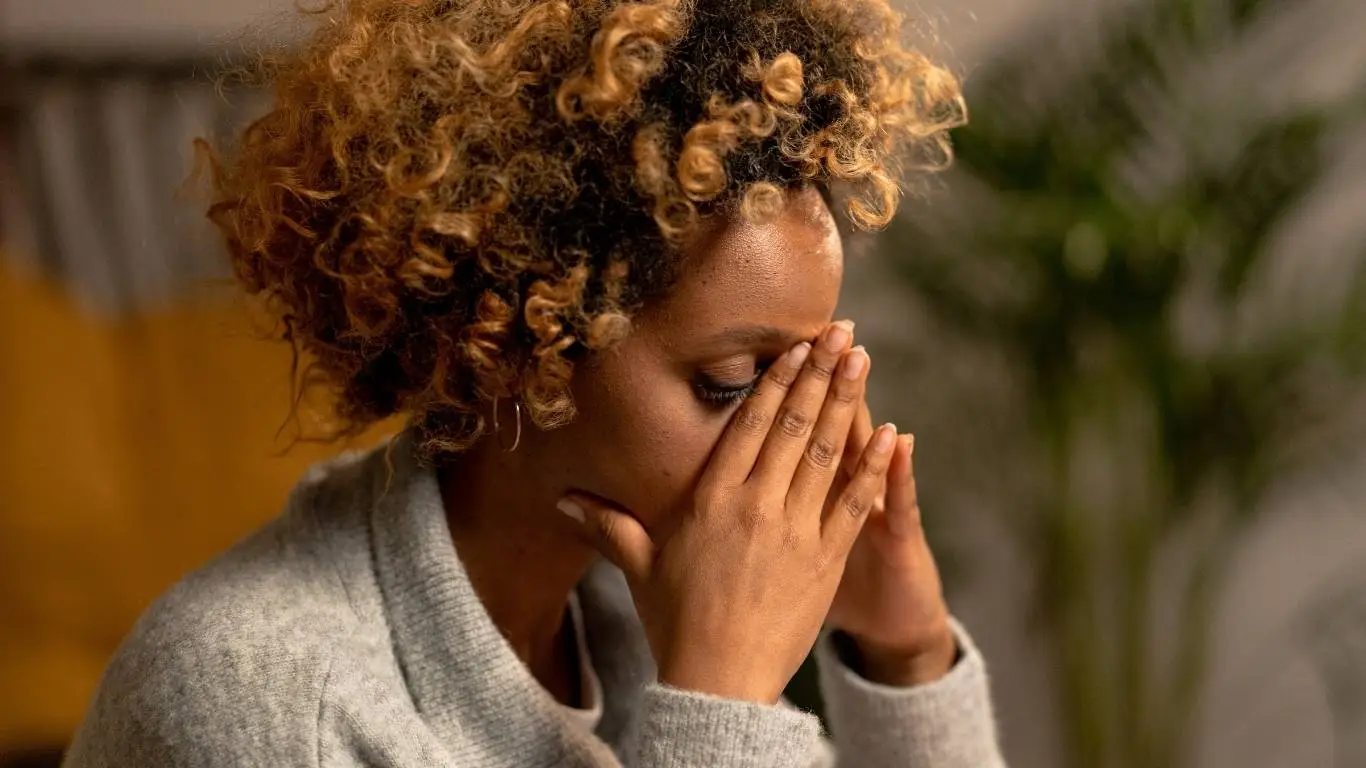
- Fear of bodily sounds – Embarrassment about being overheard is one of the most common triggers.
- Claustrophobia – Tight stalls and lack of ventilation can induce a panic attack.
- Germophobia – For some, anxiety stems from contamination fears.
- Performance pressure – Even urinating feels like a test when anxiety’s in control.
This kind of anxiety often overlaps with other disorders. According to ADAA, social anxiety disorder affects 15 million adults in the U.S. alone—many of whom report restroom-specific distress.
The Impact on Daily Functioning Is Far Bigger Than It Seems
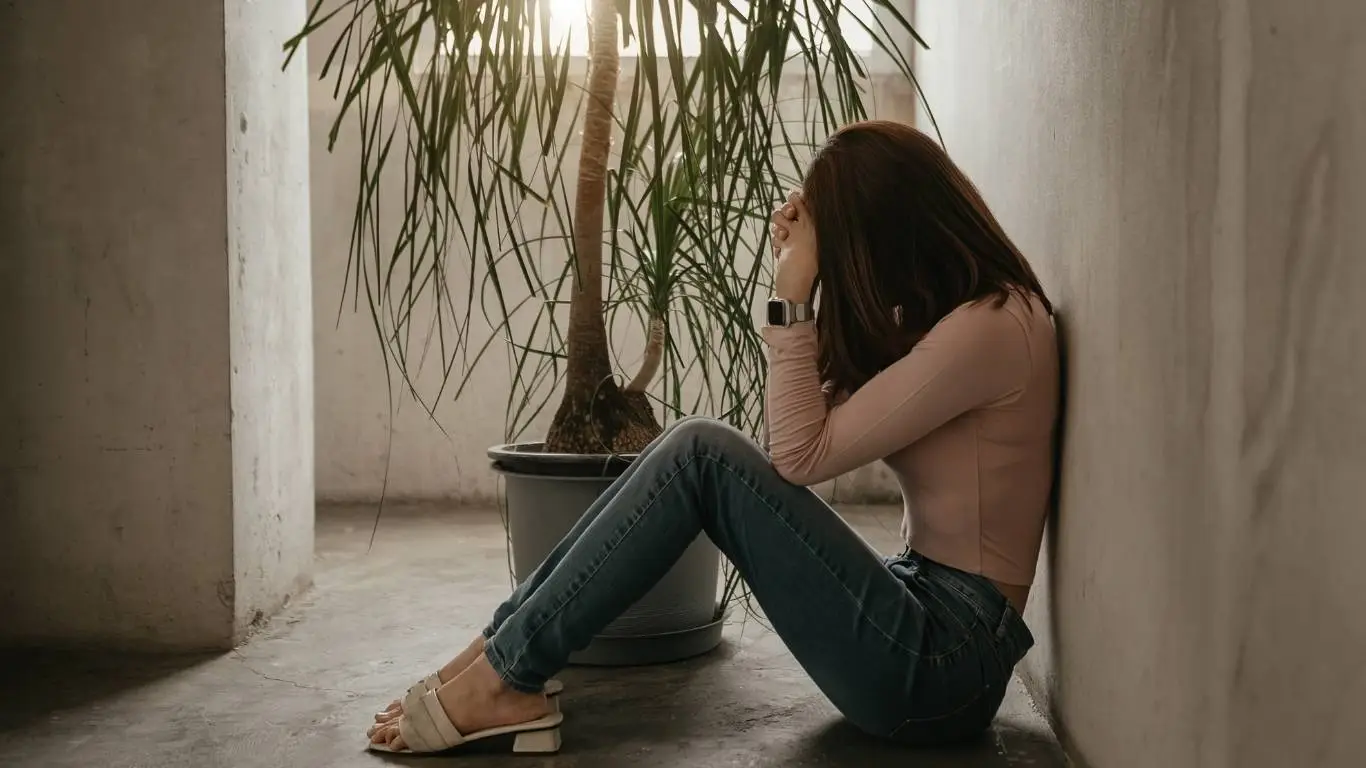
Here’s where it gets real. Avoiding public restrooms isn’t just inconvenient. It can lead to:
- Bladder health issues – Constant holding can cause infections or long-term damage.
- Dehydration – Many people (myself included) stop drinking water just to avoid restroom use.
- Social isolation – You start dodging events, trips, or even jobs with shared facilities.
For me, it crept in slowly. First I’d skip coffee shop meetings. Then I started turning down travel. Eventually, I planned my life around bathroom proximity—which felt exhausting and oddly shameful. But this is a lot more common than you think. Articles like this one explore how performance anxiety in daily tasks (yes, even using the bathroom) eats away at confidence.
Underlying Anxiety Disorders That May Be the Real Culprit

This isn’t just about nerves or preferences. If you’re avoiding public restrooms to the point it limits your lifestyle, there might be an underlying disorder in play. Some likely culprits include:
- Social Anxiety Disorder – especially common in teens and young adults.
- Agoraphobia – the fear of being in places where escape may feel difficult.
- Claustrophobia-linked anxiety – particularly when tight, enclosed spaces are involved.
Understanding the root of this fear is essential. A great resource for a deeper dive is this guide on how anxiety disorders are assessed and diagnosed. It breaks down what to expect in an evaluation and how that can help untangle overlapping symptoms.
You’re Not Alone — And You’re Not Weird

This part gets personal. Because when you’re silently battling restroom anxiety, it can feel incredibly isolating. But once I started opening up—even just to one close friend—I realized how many others were carrying the same invisible struggle. Turns out, this article lays it out perfectly: anxiety doesn’t always scream. Sometimes, it just quietly shapes everything you do.
And if you’re wondering whether there are treatment options, lifestyle shifts, or even nutrition-based strategies that can help, check out this lifestyle-focused guide. It’s not about “fixing” yourself—it’s about learning how to feel safe again, wherever you are.
Strategies That Actually Help You Use Public Restrooms Without Panic
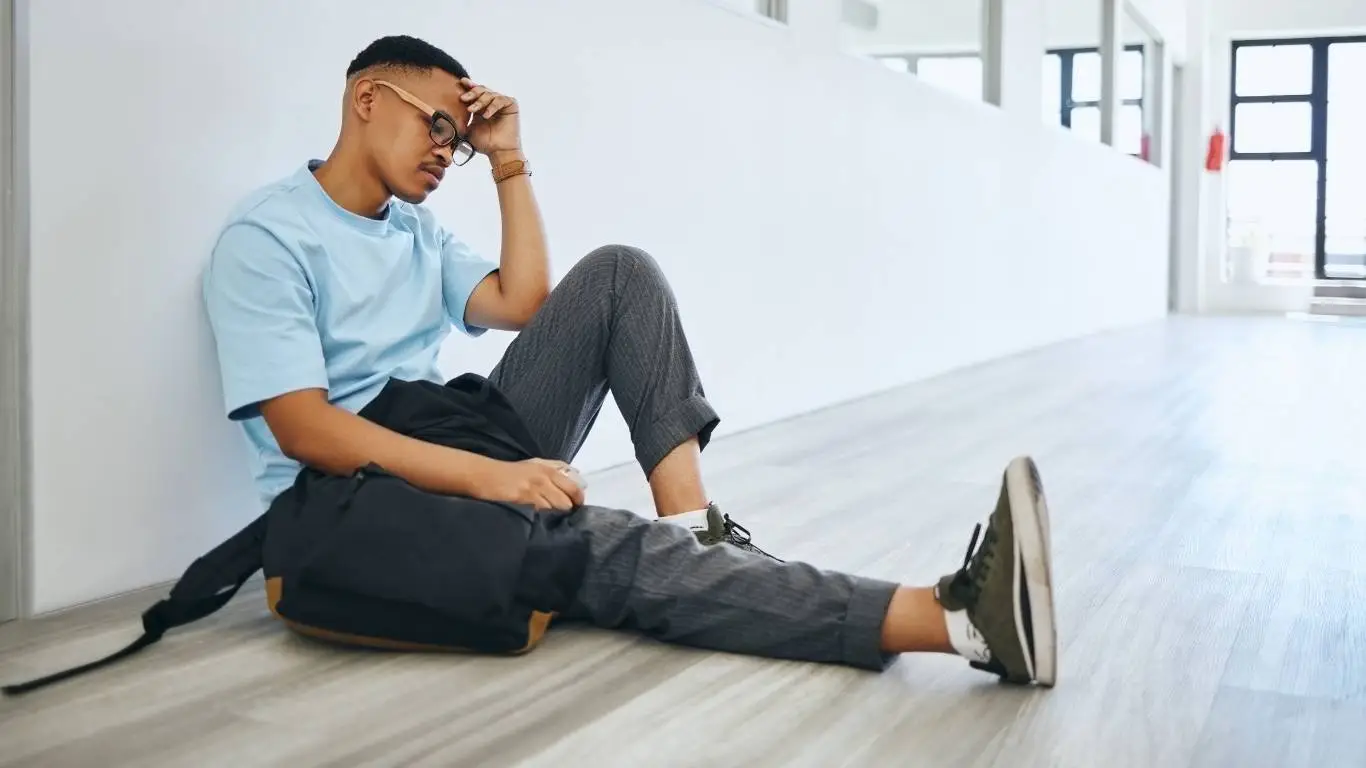
Once I accepted that this fear wasn’t going away on its own, I started getting intentional. What helped wasn’t one magical technique—it was layering different tools that made the experience less overwhelming. Some were simple hacks. Others were mindset shifts. But together, they worked.
1. Desensitization Through Gradual Exposure
I started small. At first, I’d just walk into a public restroom and leave without doing anything. The next time, I’d stand inside a stall. Eventually, I’d flush. Then, finally, use the toilet. I know it sounds overly structured, but it’s a core principle of exposure therapy—and it works. Incremental exposure gently retrains your nervous system to stop associating bathrooms with threat.
2. Use Sound-Masking Tools
Those automatic hand dryers? Bless them. I started timing trips during low-traffic hours and using ambient noise apps to mask sounds. I even found calming audio to keep playing in my earbuds, which helped muffle noise and soothe my mind at the same time.
3. Pre-Routine That Calms the Body
Five minutes before entering a public restroom, I’d do slow breathing techniques—like the ones in this guide. Calming the body first makes the environment less triggering. A few sessions of progressive muscle relaxation helped train my body to stop tensing up automatically, which made a big difference in tight spaces like stalls.
4. Nutrition and Hydration Practices That Don’t Backfire
At one point, I went too far—I started dehydrating myself to avoid restroom breaks altogether. Huge mistake. Instead, I learned how certain foods and drinks could either help or hurt. Caffeine? Bad idea. Herbal teas? Surprisingly calming. I built a mini routine around foods that reduce anxiety, and added in herbal teas that helped me feel grounded on tough days.
5. Practice at Home, Mimic the Setting
I started leaving the bathroom door unlocked. Then flushing before I was finished. Then using noisy background audio while in the restroom. These small changes recreated some of the unpredictable aspects of public restrooms and made them feel less threatening over time.
When Therapy Becomes a Game-Changer

Let’s talk real help. At some point, willpower only gets you so far. What changed everything for me was working with a therapist who specialized in anxiety-related avoidance. We used CBT (Cognitive Behavioral Therapy) to identify thought distortions, and she even walked me through exposure scenarios.
We also talked about panic symptoms, which I used to misinterpret as signs I was losing control. Understanding the biological signals of a panic attack helped me stop feeding fear with fear. This guide on anxiety counseling options breaks down therapy types and what to expect in a super relatable way.
Online Therapy Options Are Legit (and Less Stressful)
If in-person sessions feel too much, don’t underestimate the power of virtual options. Sites offering online therapy allow you to work through these issues without stepping outside your comfort zone initially—and that matters when the anxiety itself revolves around physical spaces.
Helpful Tech & Tools That Don’t Feel Awkward
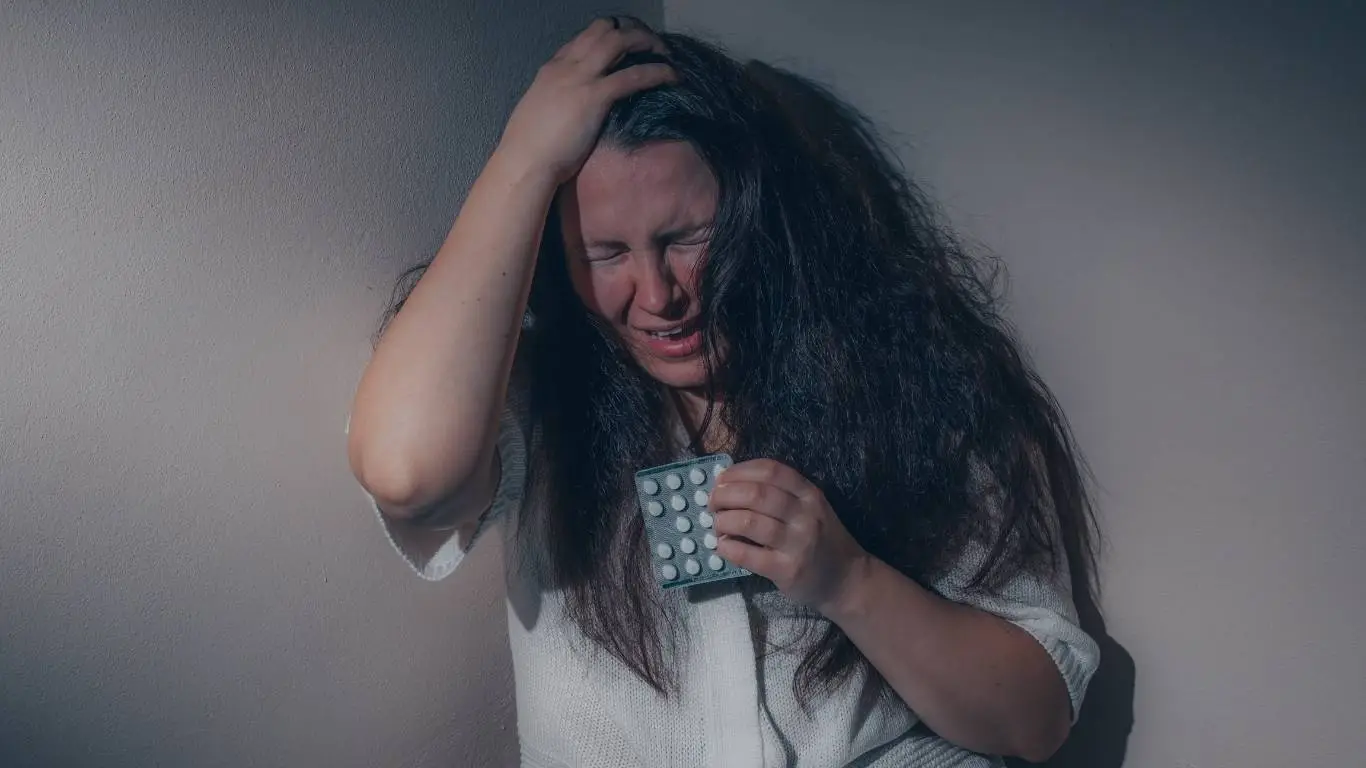
- Find-a-restroom apps – Knowing what you’re walking into helps reduce uncertainty.
- Noise-masking earbuds – Pair with white noise or calming music playlists.
- Aromatherapy roll-ons – A tiny essential oil roll-on was a comfort anchor I could take anywhere.
It’s surprising how little things can make big changes. I even started carrying a pocket-sized grounding stone to help me refocus. Combining these tools with real therapy changed how I show up in the world. What used to paralyze me now just makes me a little nervous—and that’s a win.
You’re Not the Only One Changing Routes or Holding It In
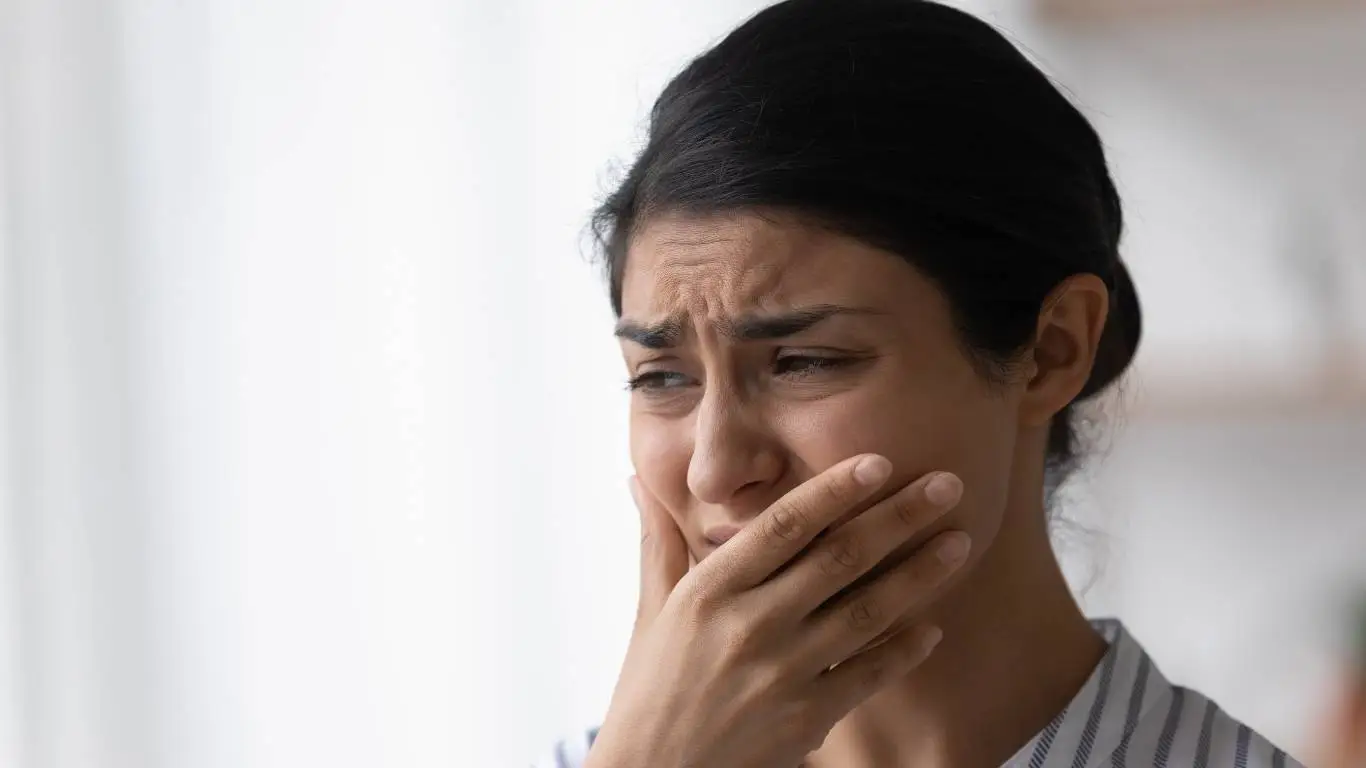
Let’s be honest—this isn’t about toilets. It’s about feeling safe. Feeling seen. Feeling like you have control in a world full of unpredictability. So if you’ve ever taken the long way home or skipped an event because of this? You’re not broken. You’re just human. And you’re navigating something a lot more people understand than you realize.
This all goes deeper than restroom anxiety—it’s how anxiety shapes our lives in subtle, controlling ways. This main piece captures how it quietly seeps into routines and decision-making. But it also reminds us that awareness is the first step out.
And if you want to explore how lifestyle changes can truly support this journey—from movement to mindset shifts—here’s a practical, no-fluff read that helped me build a system I could actually live with: Anxiety Lifestyle & Self-Help.

Camellia Wulansari is a dedicated Medical Assistant at a local clinic and a passionate health writer at Healthusias.com. With years of hands-on experience in patient care and a deep interest in preventive medicine, she bridges the gap between clinical knowledge and accessible health information. Camellia specializes in writing about digestive health, chronic conditions like GERD and hypertension, respiratory issues, and autoimmune diseases, aiming to empower readers with practical, easy-to-understand insights. When she’s not assisting patients or writing, you’ll find her enjoying quiet mornings with coffee and a medical journal in hand—or jamming to her favorite metal band, Lamb of God.