
End-of-Day Back Decompression Routine That Relieves Tension Fast
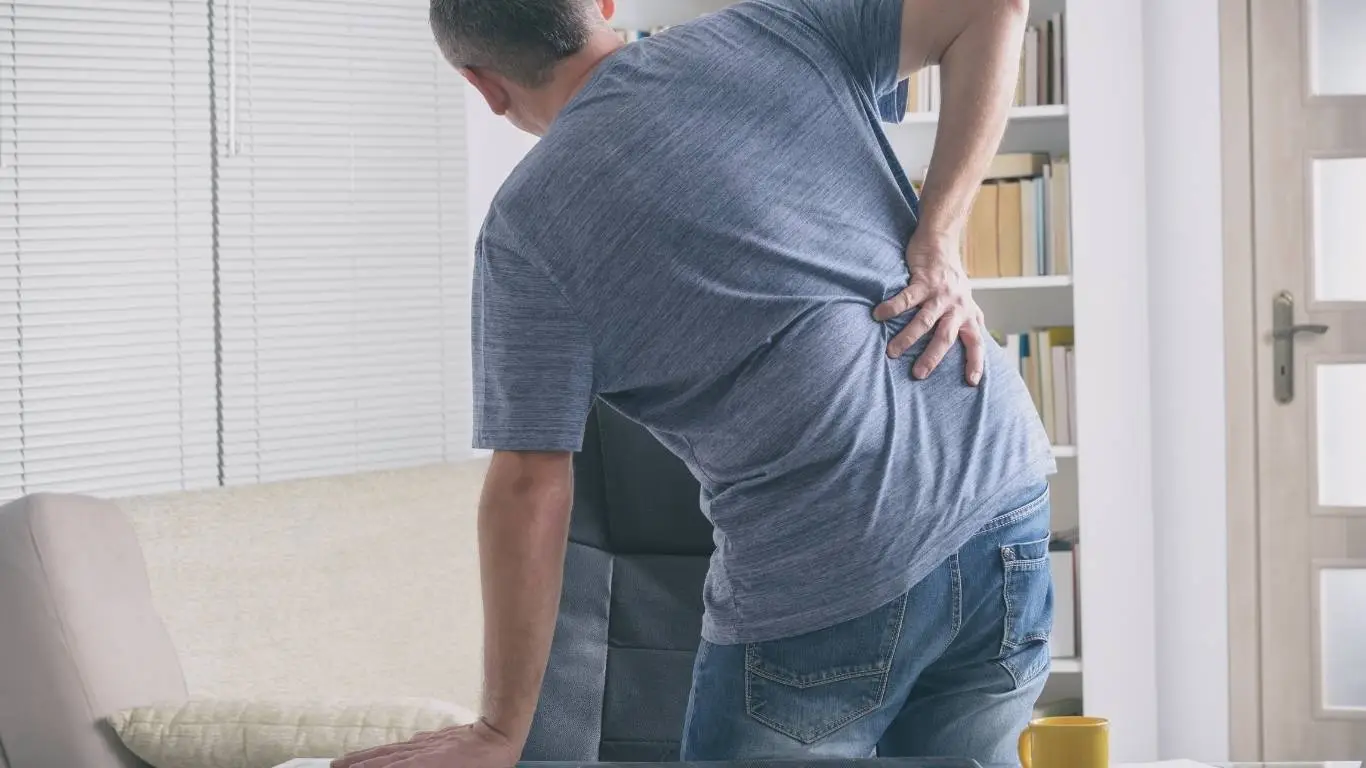
After a long day at my desk, the tightness creeps in. That dull ache at the base of the spine? Yep, it’s back again. I used to shrug it off—just normal tension, right? But over time, those minor discomforts turned into full-on stiffness that messed with my sleep, mood, and even motivation. That’s when I started experimenting with an end-of-day back decompression routine. And let me tell you—it’s been a game changer.
Why Your Back Needs Daily Decompression

We put our backs through a lot—hours of sitting, poor posture, bad shoes, stress, even just prolonged sitting. The result? Compressed discs, tight muscles, and aggravated nerves. And here’s the kicker: most of us don’t give our backs the care they deserve before hitting the sack.
Decompression isn’t just a luxury—it’s a necessity. At night, your spine naturally rehydrates and heals. Giving it the right support through simple decompression movements can seriously enhance recovery.
How to Build an Easy, Effective Routine

1. Start With Gentle Spinal Elongation
After standing or sitting all day, I like to lie on the floor with my legs up on a chair or couch (knees at 90°). Just five minutes of this lets gravity work its magic and unload my lumbar spine.
- Set a calming atmosphere – low light, deep breathing, maybe some soft instrumental music.
- Hold the position for 5-10 minutes while focusing on slow, diaphragmatic breaths.
2. Incorporate Targeted Stretches
I rotate through a few go-to moves depending on where I’m feeling tight:
- Child’s pose – decompresses the lower spine.
- Knees-to-chest – helps release tension in the sacroiliac joints.
- Reclined spinal twist – resets spinal alignment after sitting too long.
Make sure not to force anything—your body should feel *relief*, not strain.
3. Hang Time (If You Can)
Ever tried a dead hang from a pull-up bar? If not, start small—10 seconds, arms relaxed, letting your spine stretch gently. It’s the quickest way to counteract hours of compression. For me, this one made a noticeable difference in shoulder tightness too.
According to PubMed, passive spinal elongation helps reduce intradiscal pressure and encourages nutrient flow to spinal discs.
Top Tools I Swear By
Foam Roller
It’s my go-to after long car rides or intense workout days. A few slow rolls along the thoracic spine loosen me right up. If you haven’t already, check out this piece on foam rolling benefits (coming soon in site plan—it’ll be worth the read).
Inversion Bench
Okay, this one’s not for everyone. But an incline of just 15° for a couple of minutes can do wonders. No need for full upside-down acrobatics. It’s even more effective when paired with professional pain management plans if needed.
Spine-Supportive Mattress
If your mattress is sagging, your spine’s suffering. It’s a long-term investment in pain prevention. I finally upgraded mine after reading up on the best mattresses for back pain, and I’ve never looked back.
Why This Routine Works So Well at Night

The beauty of doing this routine at night is that it complements your body’s natural repair cycle. As you sleep, spinal discs pull in fluid and nutrients. By reducing tension beforehand, you boost that healing process. It also helps me sleep better in positions that don’t strain my back further.
For many of us, especially if you’re dealing with post-activity discomfort or work-related strain, end-of-day care isn’t optional—it’s survival. I noticed fewer morning stiffness episodes once I got consistent with it. Not gone completely, but way better.
Want to Take It Further?

For anyone who’s serious about long-term relief and spinal health, learning about back pain rehabilitation techniques is where things get really interesting. That article breaks down how to tailor movements, build core strength, and stay aligned—something I wish I’d discovered sooner.
And for a solid overview of the different kinds of back pain and where yours might be coming from, don’t miss the main back pain guide. It ties everything together in a way that actually makes sense—no fluff, no fear tactics, just facts.
Upgrade Your Evening Habits for Long-Term Relief

I used to think my decompression routine was enough on its own. But then I noticed something odd—on days I stayed glued to my screen till bedtime or skipped my magnesium supplement, the aches returned. Turns out, it’s not just what you do on the mat—it’s what you do *off* it, too.
Limit Screens Before Bed
Blue light messes with your circadian rhythm. And if you’re like me—lying on your side, scrolling social media—you’re also adding neck and upper back strain. I’ve replaced late-night scrolling with a 15-minute wind-down ritual. A few stretches, some lavender essential oil, and muscle-relaxing tea do wonders.
Magnesium, CBD, and Natural Aids
Muscles don’t relax without the right nutrients. I started supplementing with magnesium glycinate, and it helped reduce my night cramps and early morning back tension. A few friends swear by CBD oil for deeper sleep and lower inflammation. Try what works best for your body—just check with a pro first.
Rethink Your Evening Sitting Posture
Sitting is inevitable. But how you sit is a choice. Slouching on a soft couch with no lumbar support? It’s a recipe for morning regret. I swapped my sofa cushion with a lumbar support cushion and noticed less morning stiffness immediately.
Recognize Emotional Triggers and Tension Holding Patterns

Here’s something I underestimated: the mental side of back pain. Stress, worry, even unprocessed frustration—all of it gets stored in the body. My shoulders, lower back, and jaw would tense up during high-stress weeks. That’s where mindfulness changed everything.
I added 5 minutes of quiet breathing—no app, no timer—just sitting still. Sometimes I repeat a simple phrase like, “Let go.” Other nights, I just listen to my breath. That tiny pause helped me unwind deeper than stretching ever did alone.
There’s actual science behind this too—according to the Cleveland Clinic, chronic stress directly impacts muscle tension and pain processing.
Try Body Scanning Before Bed
Lay down and mentally scan from head to toe. Notice any clenching, stiffness, or shallow breathing. I usually catch myself gripping my glutes or curling my toes. Once I’m aware of it, it’s easier to let it go. You can also pair this with cognitive behavioral strategies for deeper relief.
Optimize Sleep Position and Setup

Even if your decompression game is solid, poor sleeping posture can undo everything. I used to sleep in fetal position with no pillow support between my knees. Once I corrected that? Night and day difference.
- Side sleeper? Use a pillow between your knees to keep your spine aligned.
- Back sleeper? Place a small cushion under your knees to flatten your lumbar curve.
- Stomach sleeper? …might wanna rethink that one. It’s a back pain trap.
This sleeping guide helped me dial it in. I also splurged on a mattress topper for firmness control—totally worth it.
Build Micro-Habits That Add Up

It’s easy to think one nightly stretch will “fix” back pain. Truth is, it’s the little things done consistently that change the game. Here’s what worked for me:
- Set a calendar reminder: “Stretch + decompress before bed.”
- Leave a yoga mat unrolled in the corner of your bedroom—it’s an invitation.
- Use a lumbar support cushion during evening TV time.
- Log your pain trends for a week—see what improves and what doesn’t.
Those tweaks made my nightly decompression routine less of a task, more of a habit. It feels automatic now, like brushing my teeth. And that’s the point—it should blend into your life, not interrupt it.
Explore Deeper Fixes If Pain Persists

If your nightly routine helps but doesn’t fully resolve the issue, don’t just push through. I waited too long before seeing a specialist. Sometimes it’s a diagnostic scan or professional movement analysis that reveals the real problem.
Conditions like lumbar radiculopathy or SI joint dysfunction won’t go away on foam rolling alone. You need guidance tailored to your spine. And if you haven’t already, I highly recommend exploring the section on back pain diagnosis and symptoms—it breaks things down in a clear, non-scary way.
For me, it wasn’t one fix—it was layering small wins, night after night. I still decompress daily, but now it’s paired with smarter posture, stress care, and even my diet and habits. It’s all connected.
And if you’re starting from square one or feel overwhelmed, the main Back Pain Guide is a great place to get grounded and find your next step forward.

Camellia Wulansari is a dedicated Medical Assistant at a local clinic and a passionate health writer at Healthusias.com. With years of hands-on experience in patient care and a deep interest in preventive medicine, she bridges the gap between clinical knowledge and accessible health information. Camellia specializes in writing about digestive health, chronic conditions like GERD and hypertension, respiratory issues, and autoimmune diseases, aiming to empower readers with practical, easy-to-understand insights. When she’s not assisting patients or writing, you’ll find her enjoying quiet mornings with coffee and a medical journal in hand—or jamming to her favorite metal band, Lamb of God.