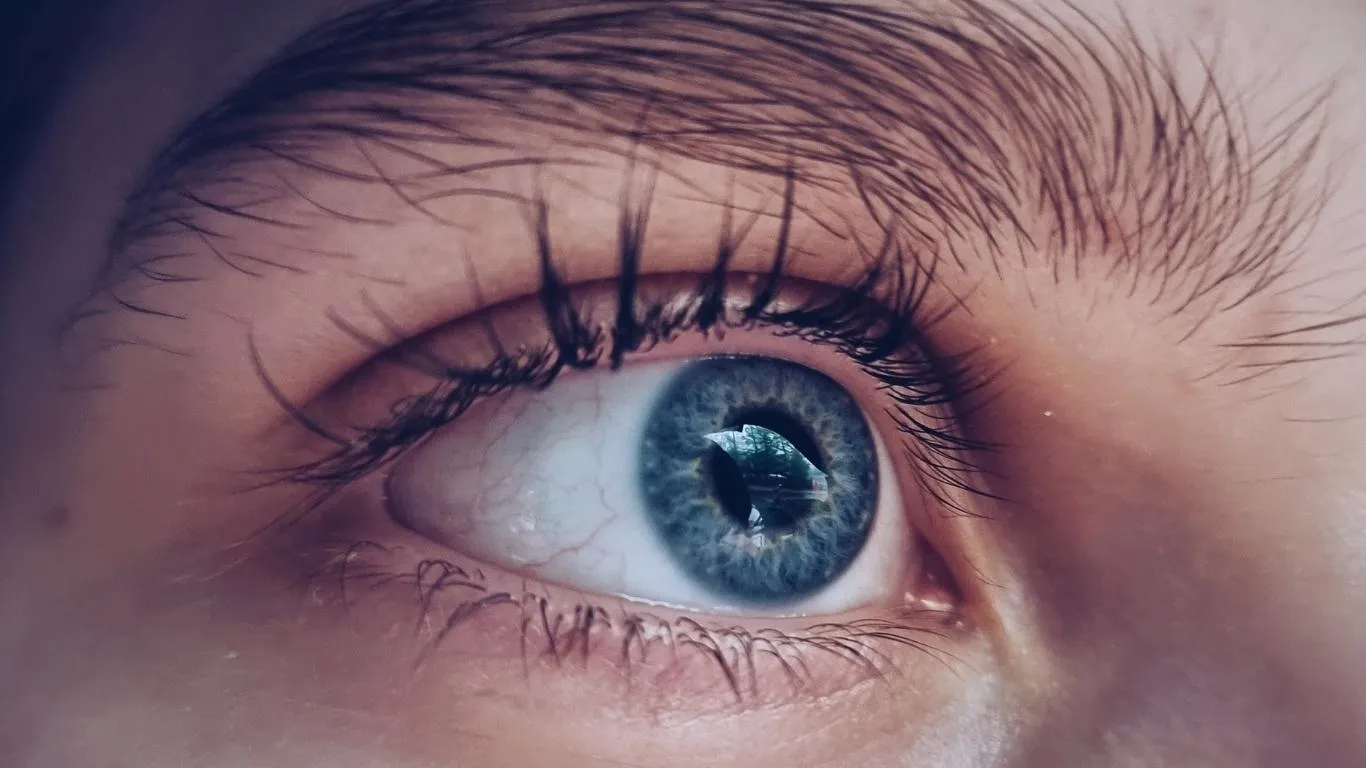
Why Floaters Appear When Changing Depth Focus And How To Stop It
It caught me off guard the first time—staring at my computer screen, then glancing up at a colleague across the room, only to catch a tiny, shifting speck in my vision. Blink. Still there. Look away. Gone. The weirdest part? It only seemed to show up when I shifted my focus from near to far. If you’ve experienced this strange phenomenon—floaters appearing when changing depth focus—you’re definitely not alone. And no, it’s not your imagination.
What Are Depth-Focus Floaters, Really?
We all know what floaters are, right? Those tiny, thread-like shadows that drift across your vision like ghostly lint in a snow globe. They’re more noticeable against bright backgrounds or white walls. But the kind that only show up when shifting your focus? That’s something a little different. These are often subtle—and they love to appear when you go from reading on your phone to looking across the room.
Medically speaking, these are still vitreous floaters, but their sudden appearance during focus changes might point to something about how light enters your eye and bounces off the shifting gel inside.
Why They Appear When You Switch Focus
The Vitreous Humor Isn’t Static
Think of the inside of your eye like a clear jelly—yes, literally jelly. The vitreous humor fills the space between the lens and the retina. And like any gel, it moves… a lot. When your eye switches between focusing near and far, subtle shifts in pressure and angle can jiggle this jelly just enough to make debris or collagen strands suddenly drift into your visual field.
Your Pupils Change Too
Another thing most people don’t realize is that your pupils constrict and dilate every time you change focus. This slightly alters the amount and angle of light entering your eye, which can cast different shadows from the particles suspended in your vitreous gel. Suddenly, something you weren’t seeing before—bam, there it is.
Who’s More Likely to Notice These Floaters?
People Over 40 (Yes, I’m One of Them)
Here’s where I have to admit something—this got worse for me right around my 40th birthday. Coincidence? Not at all. The vitreous starts to liquefy and shrink with age, making it more likely that particles float freely. Shifting depth of focus becomes a kind of “floater trigger” for a lot of us. It’s common, and entirely normal in this age group.
Folks With High Myopia or Eye Strain
If you’re nearsighted (like me—thanks, genetics), or if you spend long hours at screens, your eyes are constantly shifting focus. These micro-adjustments can stir up floaters more frequently. And, yes, screen fatigue is a real thing. Floaters can get worse the more time you spend staring at bright devices.
When Should You Worry?
New, Sudden, or Accompanied by Flashes
A floater or two that appears when you refocus your vision is usually harmless. But if you suddenly see a shower of them—especially alongside flashes of light—it could be a retinal tear. That’s not something you want to mess around with. Floaters combined with shadowed peripheral vision? That’s a full-on red flag.
Paired with Eye Pain or Pressure
Floaters shouldn’t hurt. If you feel any kind of sharp pain or throbbing pressure, it’s time to make an appointment. There are some dangerous conditions that can masquerade as floater issues.
How to Reduce Their Appearance Naturally
Adjust Your Lighting
You might not be able to eliminate floaters completely, but you can make them less noticeable. I found that softer, indirect lighting reduces the “ghost speck” problem dramatically. Lighting plays a huge role in how these floaters present themselves.
Try Focus-Reset Exercises
This might sound silly, but pausing to slowly move your gaze between near and far objects throughout the day can help. It’s not just about visibility—it’s about encouraging fluid motion in the vitreous gel. Some experts believe this reduces stagnation and discomfort over time. Here’s a quick trick I use:
- Hold your finger about 8 inches from your face.
- Focus on it for 10 seconds.
- Shift focus to something far away for another 10 seconds.
- Repeat 5 times. Works wonders on fatigue too.
How It’s Linked to Larger Eye Health Topics
Changing depth focus and seeing floaters isn’t just some niche quirk. It ties into larger issues like age-related vitreous changes, stress-induced visual strain, and even post-surgery floater onset. Understanding this simple trigger—refocusing your eyes—can open up insights into how your vision is aging and adapting.
If you’re curious about the broader topic of floaters and how they develop over time, check out this comprehensive main floater guide and the more specific guide on treatment options.
Debunking Myths About Focus-Related Floaters
“It Means You’re Going Blind”
One of the first things I heard when I mentioned this to a friend was, “Oh no, are you losing your vision?” The truth is, floaters—even the kind that appear when you change depth focus—are usually not a sign of permanent vision loss. They’re annoying, yes. But unless they come with vision curtains or flashes, they’re rarely dangerous.
“They’ll Go Away If You Blink Enough”
This one’s a classic. Blinking might temporarily shift them, but it doesn’t eliminate the underlying cause. These little floaters are inside your eye—not on the surface. If they shift with depth change, that’s more about the light pathway and vitreous dynamics than dry eyes or fatigue.
Curious how blinking really affects floaters? This short read might surprise you: Do Floaters Disappear When Blinking?
How Eye Strain and Depth Focus Work Together
Modern Life = Constant Focus Switching
If you’re like me, your day looks like this: phone, laptop, phone again, coffee across the table, then back to laptop. That’s dozens—sometimes hundreds—of near-far visual shifts. Every single one of those is an opportunity for floaters to pop in and say hi.
And it’s not just floaters. Constant focus change, especially on screens, can wear down your eye muscles. The resulting strain makes the floaters you already have way more noticeable. If you also experience mild dry eyes, the contrast of floating debris becomes sharper, making you hyperaware of every speck. Been there, not fun.
Related reading: How Sports Eye Injuries Affect Floaters (yes, even depth perception matters here).
Is There Anything That Helps Long-Term?
Hydration and Nutrition Are Underrated
This one changed the game for me—staying hydrated. Dehydration makes the vitreous more gelatinous and less fluid, causing particles to clump. When that happens, any shift in visual focus stirs things up. Drinking more water (and eating water-rich foods like cucumbers and berries) noticeably reduced the intensity of my floater episodes.
As for nutrients, there’s promising talk around lutein, zeaxanthin, and vitamin C. These help support eye health and possibly minimize future floater formation. It’s not magic, but after a month or so of tweaking my diet, I noticed a difference.
- Drink 2–3L of water daily (add electrolytes if needed)
- Eat leafy greens, citrus, and salmon
- Consider omega-3 supplements if your diet lacks them
Relevant resource: Diet Changes That Help Eye Floaters
Targeted Eye Exercises
There’s no gym for your eyes, but these practices come close. I do 5-minute daily routines focusing on focus transition—shifting my gaze slowly between distances, especially before screen-heavy work. It keeps my eyes agile and seems to help reduce floaters kicking up during transitions.
Try these:
- Palming (cupping eyes to rest them for 60 seconds)
- Near-far focus switching—repeat 10x per session
- Figure-eight tracing with the eyes to improve flexibility
Explore more: Best Eye Exercises for Reducing Floaters
How Mental Health Is Affected by Floaters
It’s Not Just Physical—It’s Psychological Too
This was the part no one warned me about. The more I noticed the floaters, the more I couldn’t stop noticing them. That hyperfocus on every speck made them feel overwhelming, especially when paired with stress or sleep deprivation. Turns out, there’s a name for this kind of response: visual anxiety.
Research has shown that people with anxiety are more likely to fixate on visual disturbances. So if your floaters get worse after a bad night’s sleep or during a stressful week? You’re not imagining it.
This article explains it beautifully: Floaters and Mental Health
Should You See a Specialist?
The short answer: if it bothers you constantly, yes. An ophthalmologist can check for retinal issues, confirm the floaters are benign, and rule out progressive conditions like retinal tears. That peace of mind alone is worth the visit.
And while you’re at it, ask about YAG vitreolysis or vitrectomy—but only if the floaters severely disrupt your daily life. These are more invasive, with potential risks, and often used as a last resort.
Treatment overview: Eye Floater Treatments: From Observation to Surgery
Ongoing Tracking Can Help You Take Control
If floaters only appear when you shift focus, track it. Literally. I’ve been using a simple notes app to log when they happen, how long they last, and whether they appeared indoors or outside. Patterns started to emerge—like worse floaters during dry days or after drinking coffee.
That tracking helped me make small changes, like adjusting humidity at home or reducing screen time before bed. Small wins, big difference.
This guide can get you started: Tracking Changes in Eye Floaters
Want to learn more about how floaters relate to general eye conditions, symptoms, and what your body might be trying to tell you? Don’t miss this foundational resource: What Are Eye Floaters?

Camellia Wulansari is a dedicated Medical Assistant at a local clinic and a passionate health writer at Healthusias.com. With years of hands-on experience in patient care and a deep interest in preventive medicine, she bridges the gap between clinical knowledge and accessible health information. Camellia specializes in writing about digestive health, chronic conditions like GERD and hypertension, respiratory issues, and autoimmune diseases, aiming to empower readers with practical, easy-to-understand insights. When she’s not assisting patients or writing, you’ll find her enjoying quiet mornings with coffee and a medical journal in hand—or jamming to her favorite metal band, Lamb of God.