Why Floaters During Travel-Related Jet Lag Feel Worse Than Ever
It happened to me somewhere over the Pacific. I was flying from Tokyo back to L.A., dealing with the usual jet lag, dehydrated despite guzzling water, and somewhere mid-flight, I noticed a few strange squiggles drifting across my vision. At first, I thought it was just dry eyes from staring out the window too long. But by the time I landed, those little floaters were still hanging around — and more noticeable than before. Turns out, there’s a real link between floaters and travel-related jet lag, and it’s more common than most people realize.
Why Your Eyes React During Travel
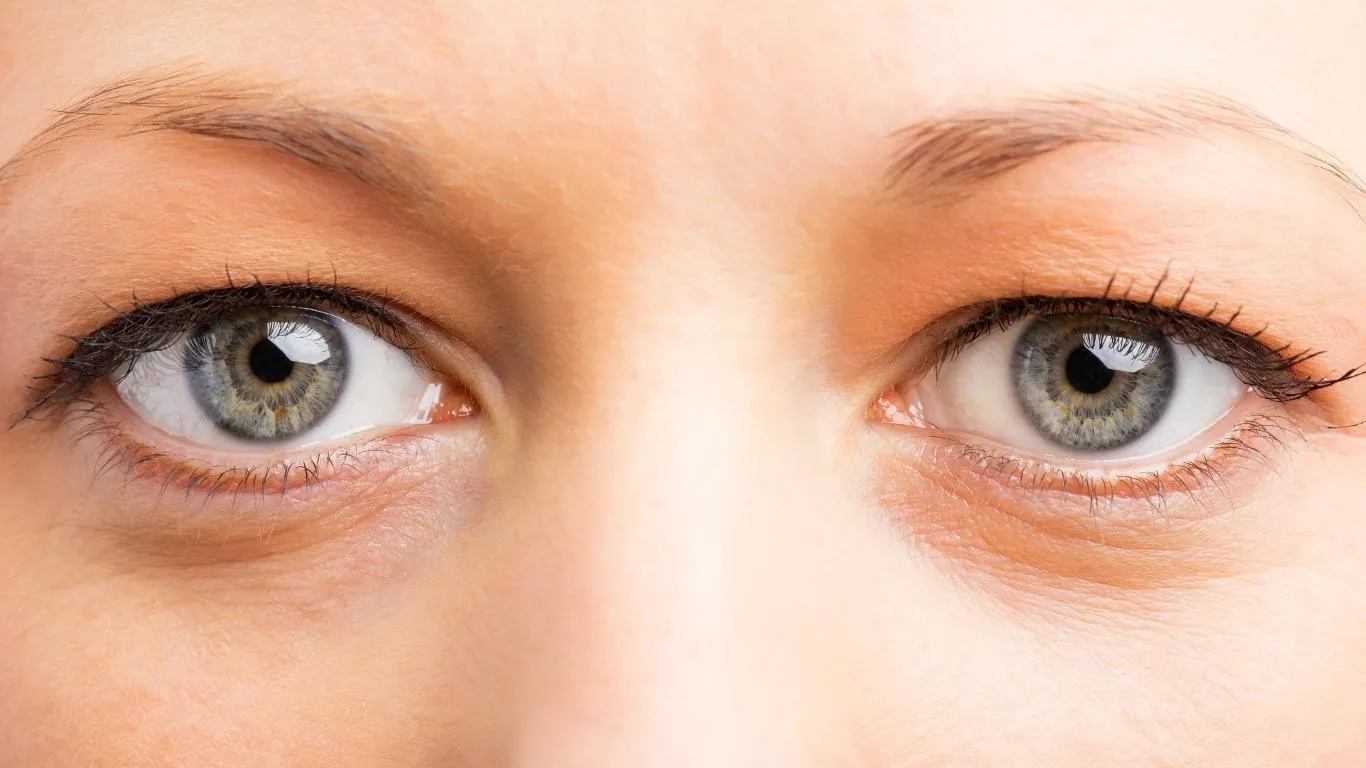
Most of us don’t think twice about what long flights do to our eyes, but extended air travel throws off more than just your sleep cycle. The dry cabin air, altered oxygen levels, and even rapid pressure changes can stir up minor disruptions inside the eye. In fact, the vitreous gel — the clear, jelly-like substance that fills your eye — is particularly sensitive to these shifts.
The Jet Lag–Floaters Connection
Jet lag isn’t just about messed-up sleep. The fatigue, dehydration, and oxidative stress that come with changing time zones can actually aggravate existing eye floaters — or bring new ones into focus. Especially if you’re already predisposed due to age or mild vitreous detachment, your post-flight vision might feel cloudier than when you boarded.
- Dehydration reduces fluid in the eyes, making floaters more prominent
- Lack of quality sleep weakens eye muscles and strain recovery
- Increased oxidative stress from long flights can speed up vitreous breakdown
On my return flight, I stayed hydrated, wore an eye mask, and avoided staring at screens the entire time. It helped, but the floaters didn’t fully disappear — and I realized they had nothing to do with jet lag alone. There’s a bigger story here.
Is It Just Jet Lag — or a Warning Sign?
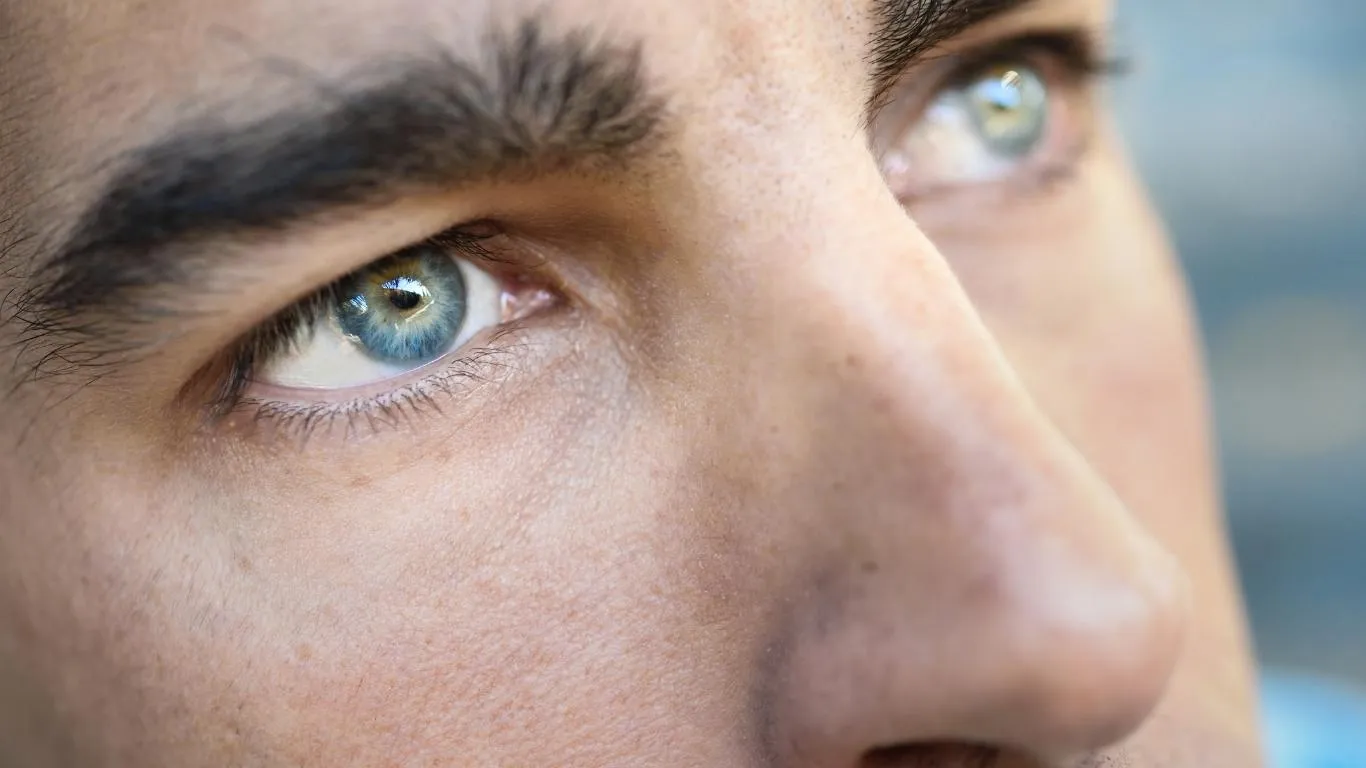
Not every case of floaters after travel is harmless. When you pair sudden jet lag with intense physical exertion, like lifting bags, or abrupt movements (looking side to side for terminals or signs), that subtle tugging can make the vitreous pull away from the retina. It’s called a posterior vitreous detachment, and while it’s usually harmless, it can sometimes lead to more serious issues like a retinal tear.
If you’ve noticed:
- Sudden bursts of new floaters
- Flashing lights in the corners of your eyes
- Dark curtains or shadows sweeping across your field of vision
— it’s worth seeking medical advice. These can be signs of retinal problems, not just jet lag-induced changes. Floaters caused by trauma or stress during travel often get overlooked until symptoms worsen.
What Makes Floaters Worse on the Road?
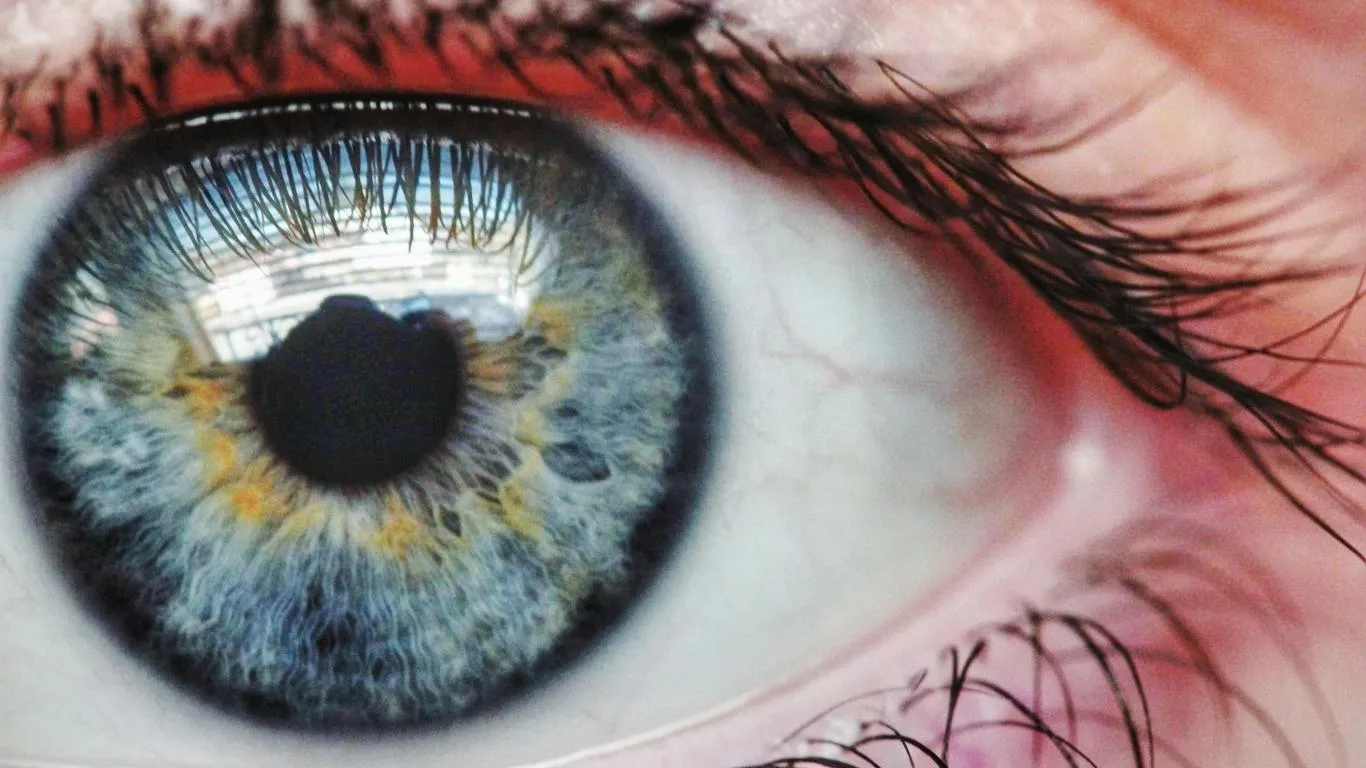
It’s not just the flight. You’ve probably noticed that floaters seem more visible in certain travel conditions:
- Bright hotel rooms or glare-heavy environments (especially near beaches or snow)
- Looking at white pages or screens in a new timezone when your eyes are fatigued
- Jet lag-induced tension headaches that confuse floater symptoms with aura
All of these settings amplify the contrast in your visual field, making floaters pop even more. According to ncbi.nlm.nih.gov, visual disturbances such as floaters can worsen under stress and prolonged sleep disruption. That’s a combo every traveler’s familiar with.
When I Saw Floaters Mid-Trip
I remember walking through Schiphol Airport during a layover and noticing what looked like a transparent thread dancing in my peripheral vision. I blinked. Still there. Looked away. Still there. At the time, I chalked it up to tiredness. But now I know that long-haul flights paired with sudden time shifts can cause enough stress to make existing floaters more noticeable — and sometimes longer lasting than expected.
Preventing Floaters From Taking Over Your Trip
Floaters may not be fully avoidable if you already have them, but you can definitely stop them from becoming the star of your travel story. Here’s what worked for me — and what eye specialists often recommend:
- Hydrate well before, during, and after flights. Skip alcohol.
- Use lubricating eye drops if the cabin air dries out your eyes.
- Protect your eyes from sudden light changes with sunglasses and hats.
- Avoid rubbing your eyes, especially when you’re tired.
- Take screen breaks and dim brightness on long layovers or transits.
Traveling with floaters doesn’t have to ruin your experience, but knowing what triggers them — especially when your body’s running on a different schedule — makes all the difference. I also found this detailed guide on telling floaters apart from other issues incredibly helpful when I wasn’t sure what I was seeing.
For a deeper understanding of floaters in general — not just in travel — the main overview on causes and treatment options is a solid reference. And if you’re concerned about when floaters could mean something serious, check out this breakdown that outlines red flags and what to watch for.
The jet lag wore off, but the floaters? Still there. A few days after returning home, I realized something most people never consider — those visual specks we write off as harmless may hang around far longer after travel. Part of me hoped they’d just fade, but another part knew I needed to understand how to manage them properly — especially with how often I fly. Here’s what I’ve learned since that long-haul trip first triggered them.
Can Travel Cause Permanent Floaters?
The short answer? Not exactly — but it can make existing floaters more obvious or provoke new ones that stick around. Think of floaters like sediment in water. It’s there, but when disturbed (like with sudden altitude shifts or dehydration), it swirls up into your vision field.
If you’ve recently taken a long flight and now you see floaters more frequently — especially when looking at the sky or bright walls — chances are your vitreous gel was disturbed. This doesn’t mean it’s damaged, but it might be a sign that age-related vitreous changes are speeding up. You’ll want to keep a close eye on changes. In some cases, these travel-triggered floaters don’t fade as quickly as expected, and that’s when things get frustrating.
When Floaters Linger Beyond Jet Lag
Mine didn’t vanish after a week. They lingered for months — some days better than others. At one point, I even asked myself if I had developed some sort of visual stress response. Turns out, it’s common to notice floaters more when:
- You’re overtired or staring at screens too long
- Your travel recovery involves poor lighting or heavy digital exposure
- You’re flying again before your body fully adjusts
Even sleeping in brightly lit hotel rooms (hello, 5 a.m. sunrise) without proper blackout curtains made mine feel worse. My mistake? I dismissed them as temporary, when really, I should’ve supported my eyes during recovery.
Supporting Your Eyes Post-Travel
Your eyes need recovery time too — not just your brain. I asked my ophthalmologist if jet lag could really have long-term effects on vision, and she confirmed: while jet lag itself doesn’t damage your eyes, the physiological effects it causes (like inflammation, fatigue, and dryness) absolutely can make floaters harder to ignore.
What helped me most:
- Taking breaks from screens, even when catching up on post-travel work
- Sleeping with a silk eye mask to minimize early morning light exposure
- Adding omega-3 supplements to support my eye’s internal lubrication
- Switching to warmer light bulbs at home to reduce harsh glare
I also found this piece on eye exercises that may help floaters worth a try. I can’t say they eliminated mine — but they definitely helped me focus less on them. And sometimes, that’s half the battle.
Are Some People More At Risk When Flying?
If you’ve had LASIK, retinal issues, or you’re over 40, you’re naturally more susceptible. Floaters during travel-related jet lag are especially common in:
- People with age-related vitreous degeneration
- Anyone recovering from recent eye surgery
- Frequent flyers who spend long hours in pressurized cabins
- People prone to oxidative eye stress from smoking or poor diet
One of my close friends started seeing floaters after back-to-back red-eye flights. She ignored it at first, thinking it was due to contact lenses. But after reading this article on what’s normal in your 40s, she realized she wasn’t alone — and it was time to take eye health more seriously during travel.
Do Floaters Ever Go Away After Travel?
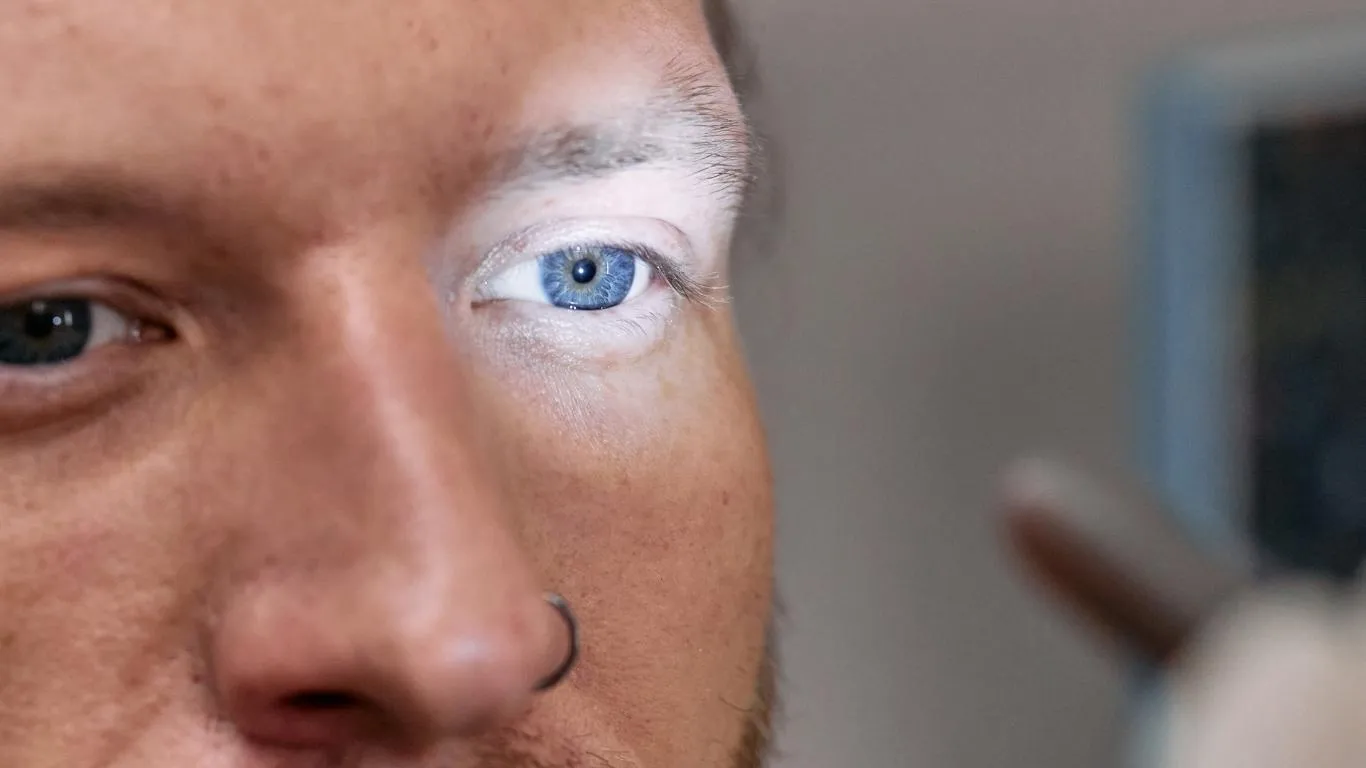
Sometimes, yes. Especially if they’re caused by dehydration or temporary vitreous shifts. But if the floaters are from an underlying issue like vitreous syneresis or a mild detachment, they might just “settle” instead of disappearing. Meaning, your brain starts to ignore them over time — but they don’t fully vanish.
If they bother you constantly, floaters can be monitored or even treated. There’s a good guide on the range of treatments from observation to surgery that lays out when to act and when to wait. Personally, I opted for lifestyle changes over laser or vitrectomy — and so far, I’m glad I did.
I also made floaters part of my travel planning checklist, right alongside TSA liquids and boarding passes.
My Floater Travel Kit Now Includes:
- Preservative-free eye drops
- Polarized sunglasses
- Hydration tablets for long-haul flights
- Silk sleep mask to block ambient light
- Blue light glasses for layover Netflix sessions
I don’t let floaters dictate my travel anymore, but I do respect what they signal. If they change shape, color, or come with flashes or shadows, I know it’s time to get checked.
For a broader understanding of floaters that appear in different travel contexts — like hiking at altitude or driving through bright mountain ranges — I found this altitude-focused article insightful. The conditions are different, but the cause? Often very similar.
Floaters are more than a nuisance during travel. They’re your eye’s way of flagging changes — sometimes minor, sometimes serious. Knowing what’s normal for you makes all the difference when you’re 35,000 feet in the air and seeing things you weren’t expecting.

Camellia Wulansari is a dedicated Medical Assistant at a local clinic and a passionate health writer at Healthusias.com. With years of hands-on experience in patient care and a deep interest in preventive medicine, she bridges the gap between clinical knowledge and accessible health information. Camellia specializes in writing about digestive health, chronic conditions like GERD and hypertension, respiratory issues, and autoimmune diseases, aiming to empower readers with practical, easy-to-understand insights. When she’s not assisting patients or writing, you’ll find her enjoying quiet mornings with coffee and a medical journal in hand—or jamming to her favorite metal band, Lamb of God.