
Why Dealing With Anxiety While Planning a Wedding Feels Overwhelming
Planning a wedding should be magical, right? But let’s be real—between finding the perfect dress, managing family dynamics, budgeting, and hoping Aunt Linda doesn’t make a scene at the reception, it can also stir up a tidal wave of anxiety. I’ve been there. I remember sitting in my car outside a florist’s shop, heart pounding, because I forgot what type of flowers I was supposed to ask for. That wasn’t nerves—it was anxiety creeping in when I least expected it. If you’re feeling the same way, you’re not alone, and you’re definitely not weak. Dealing with anxiety while planning a wedding is more common than anyone likes to admit.
Why Wedding Planning Can Quietly Fuel Anxiety

Weddings are emotionally charged events. You’re not just throwing a party; you’re merging families, managing expectations, and committing to a lifelong partnership. The sheer volume of decisions, financial pressure, and the social spotlight can activate anxiety in even the most laid-back person.
The Pressure to “Get Everything Right”
There’s an unspoken expectation that your wedding has to be flawless. Pinterest-perfect. Instagram-worthy. But that unrealistic ideal often becomes a breeding ground for chronic stress. Every choice—from napkin colors to the seating chart—feels massive. I used to wake up in the middle of the night worried about whether the DJ understood our no-ABBA rule. Sounds silly now, but it felt huge back then.
- Endless decision-making fatigue
- Fear of disappointing others
- Feeling like there’s no room for error
This perfectionist mindset can mimic symptoms of Generalized Anxiety Disorder. If you’re nodding right now, it might help to read about coping strategies that actually help with GAD.
Family Drama Amplifies Stress
Weddings have a funny way of bringing up family dynamics you thought were long buried. Whether it’s divorced parents not speaking or a sibling rivalry heating up, it creates an emotional minefield. Emotional overload often disguises itself as wedding stress when in reality, it’s deep-seated anxiety flaring up.
If you’re navigating this, it might help to explore how family history of anxiety shapes behavior—you might see your experience mirrored.
Recognizing the Signs of Anxiety

It’s one thing to be a little nervous before a big event. It’s another when anxiety starts disrupting your ability to function. During my planning phase, I began skipping meals, snapping at my fiancé over cake flavors, and feeling physically sick before meetings. I didn’t recognize it at first, but those were clear red flags.
Common Wedding-Planning Anxiety Symptoms
- Trouble sleeping or racing thoughts at night
- Physical symptoms: chest tightness, stomach issues, headaches
- Difficulty concentrating or making decisions
- Emotional outbursts or withdrawal from social interactions
Sound familiar? Many of these symptoms overlap with those discussed in anxiety symptoms you shouldn’t ignore.
It’s Not Just Stress—It Might Be Clinical
It’s easy to dismiss this as “just stress,” but for some, wedding planning can exacerbate underlying anxiety disorders. If it’s starting to interfere with daily functioning, it may be time to talk to a mental health professional. You can also look into diagnostic tools like the GAD-7 questionnaire to understand your baseline better.
Managing Anxiety Without Losing the Joy

One of the hardest things about anxiety is that it robs you of the present moment. Your engagement season should be exciting. But it’s tough to enjoy the cake tasting when you’re secretly catastrophizing over table arrangements. Here are some strategies that helped me stay grounded:
Set Clear Boundaries
Yes, it’s your big day—but that doesn’t mean you’re required to take on everyone’s opinions. Setting boundaries around conversations, expectations, and even time spent on planning can preserve your peace. Saying “no” might be your new superpower. If you need help, explore why setting boundaries reduces anxiety.
Practice Realistic Scheduling
Back-to-back vendor meetings? Recipe for burnout. I started spacing out tasks and building in “non-wedding” days where planning was off-limits. My anxiety noticeably eased when I gave myself time to recover between wedding-related tasks.
Try Calming Techniques That Actually Work
Not all coping tools are created equal. Personally, breathing exercises saved me during chaotic moments. Just two minutes of focused breath before meeting with the caterer made a huge difference. Try these breathing techniques that actually work if you need a quick reset.
Other helpful techniques:
- Progressive muscle relaxation
- Journaling for emotional clarity
- Yoga sessions for tension release
Consider Professional Help If Needed
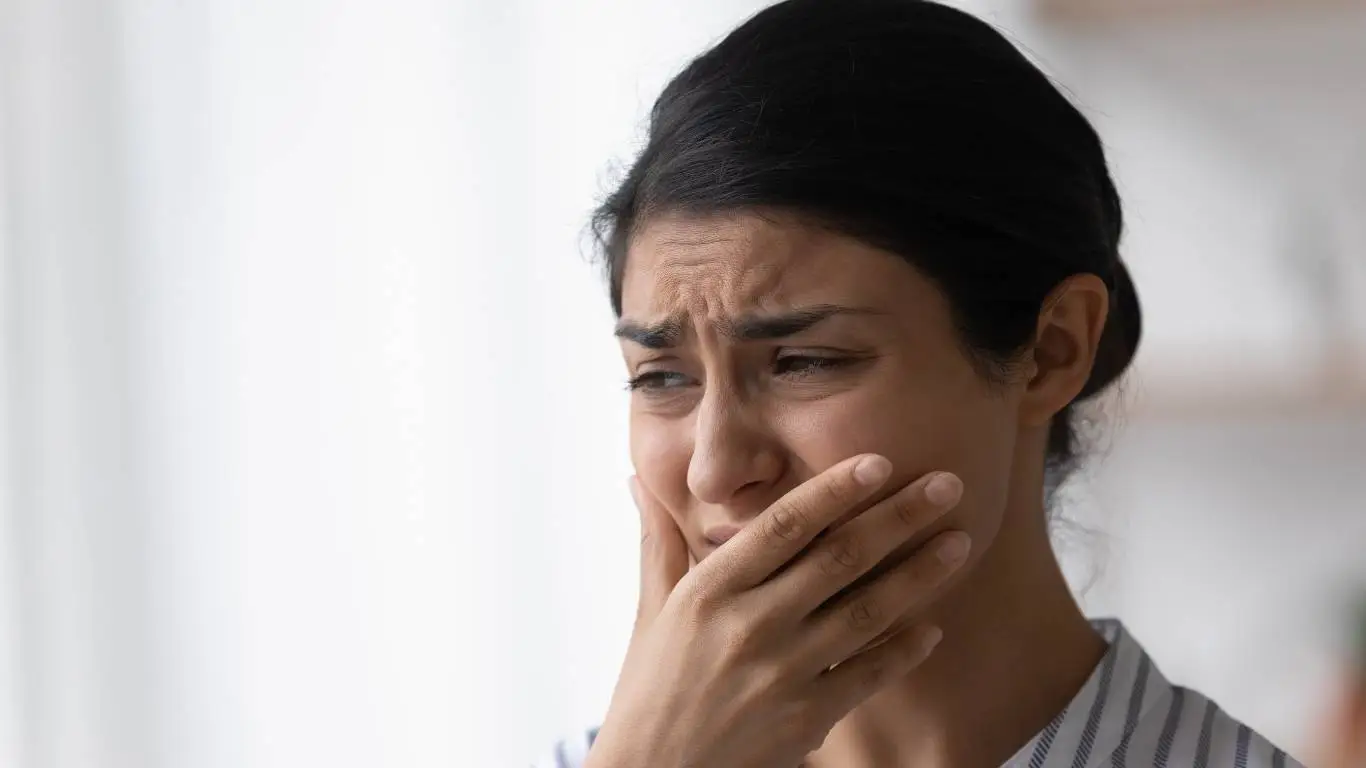
I remember feeling guilty about reaching out to a therapist during my engagement. Like, shouldn’t I be glowing with excitement? But therapy was honestly the best gift I gave myself. Even just a few sessions helped me process the pressure and find strategies that fit my lifestyle. If you’re struggling, look into psychotherapy options for anxiety—there’s no shame in needing support.
And if you want a more holistic view on how anxiety intertwines with your daily life, this main pillar article dives deeper.
For a broader perspective on hidden causes of anxiety that might be showing up in your planning process, check out this related guide that breaks it down in detail.
Sources: apa.org, nimh.nih.gov, mayoclinic.org
How to Actually Enjoy Wedding Planning—Even with Anxiety

Okay, so we’ve talked about the overwhelm, the pressure, and the emotional rollercoaster. But what about the good stuff? Believe it or not, dealing with anxiety while planning a wedding doesn’t mean you can’t enjoy it. In fact, being aware of your triggers and building healthy responses might actually make your engagement more meaningful.
Once I learned to stop letting anxiety dictate my planning process, things shifted. I laughed more, connected better with my fiancé, and made decisions based on joy—not fear.
Focus on What *Really* Matters to You
It’s easy to get caught up in tradition, expectations, and “shoulds.” But one of the most freeing moments in my wedding planning journey was sitting down with my partner and asking, “What do we actually care about?” That question shaved thousands off our budget and a whole lot of stress off our shoulders.
Try this:
- Make a joint list of your top 3 priorities (music, food, intimacy, etc.)
- Say goodbye to “obligations” that don’t light you up
- Set a mantra like, “If it doesn’t matter in five years, we’re not stressing over it now”
Let go of that pressure to do everything. Trust me—people remember the vibe, not the chair covers.
Stay Present with Mindfulness Tools
Mindfulness sounds like a buzzword, but when you’re dealing with racing thoughts and an overflowing to-do list, it can be your anchor. I wasn’t someone who “meditated” before all this, but I started using short mindfulness meditations before vendor calls and it kept me centered instead of scattered.
Other tools that help ground you in the moment:
- Listening to soothing music during planning sessions
- Practicing gratitude journaling—just three lines a day
- Stepping outside barefoot for five minutes of grounding (yes, really—it works!)
Handling Social Anxiety Around Wedding Events

Engagement parties, showers, bachelorette weekends—they’re supposed to be fun. But if social anxiety is part of your mental landscape, they can feel like looming disasters. I remember dreading my bridal shower more than anything on the calendar. What do I say? Where do I sit? What if I say something awkward?
Turns out, a little prep goes a long way:
- Plan exits or breaks in advance—step outside to regroup if needed
- Bring a grounding object—something familiar and calming (I kept a smooth stone in my pocket)
- Set your own boundaries—it’s okay to leave early or skip some events entirely
If you’re wrestling with this, it helps to read about social anxiety coping techniques that don’t feel awkward or forced.
Don’t Let Wedding Anxiety Strain Your Relationship

Here’s something I learned the hard way: anxiety can twist your communication without you realizing it. One day you’re arguing about centerpieces, but really you’re just overwhelmed. Recognizing how my anxiety leaked into conversations helped me stop blaming and start expressing honestly.
Communication Strategies That Help
- Use “I feel” statements instead of “You never…”
- Schedule check-in talks—not just about planning, but how you’re both doing emotionally
- Practice repair—apologizing quickly when stress gets the better of you
It’s also worth reading how relationship anxiety can quietly sabotage connection. Knowing it’s a common experience can lift a heavy weight.
Know When It’s Time to Press Pause

You are allowed to pause. In fact, you *need* pauses. When I hit a breaking point halfway through planning, we took a full week off—no conversations about the wedding, no Pinterest, no spreadsheets. Just being together again, without the pressure, reminded us what this whole event was for.
Signs you may need a break:
- You’re physically exhausted more days than not
- You’ve started dreading every part of planning
- Your health or relationships are being negatively impacted
Taking space isn’t failure—it’s strength. And when you’re ready to dive back in, you’ll do it from a place of intention, not anxiety.
Helpful Lifestyle Shifts While Planning

Anxiety doesn’t exist in a vacuum. What you eat, how you sleep, and how you move all affect how you handle stress. During our planning, we made small adjustments that made a massive difference. We cut back on caffeine, added more walks, and ate more real food instead of takeout. Suddenly, I had more emotional bandwidth.
If you’re not sure where to start, check out this guide to lifestyle shifts that help ease anxiety without making your life harder.
Simple changes that go a long way:
- Limiting doom-scrolling and wedding comparison online
- Keeping your sleep routine sacred—even during peak planning
- Incorporating light movement or stretching daily
Don’t underestimate the power of your routine. It’s your armor when stress tries to break through.
You’re Allowed to Have a Beautiful, *Imperfect* Wedding
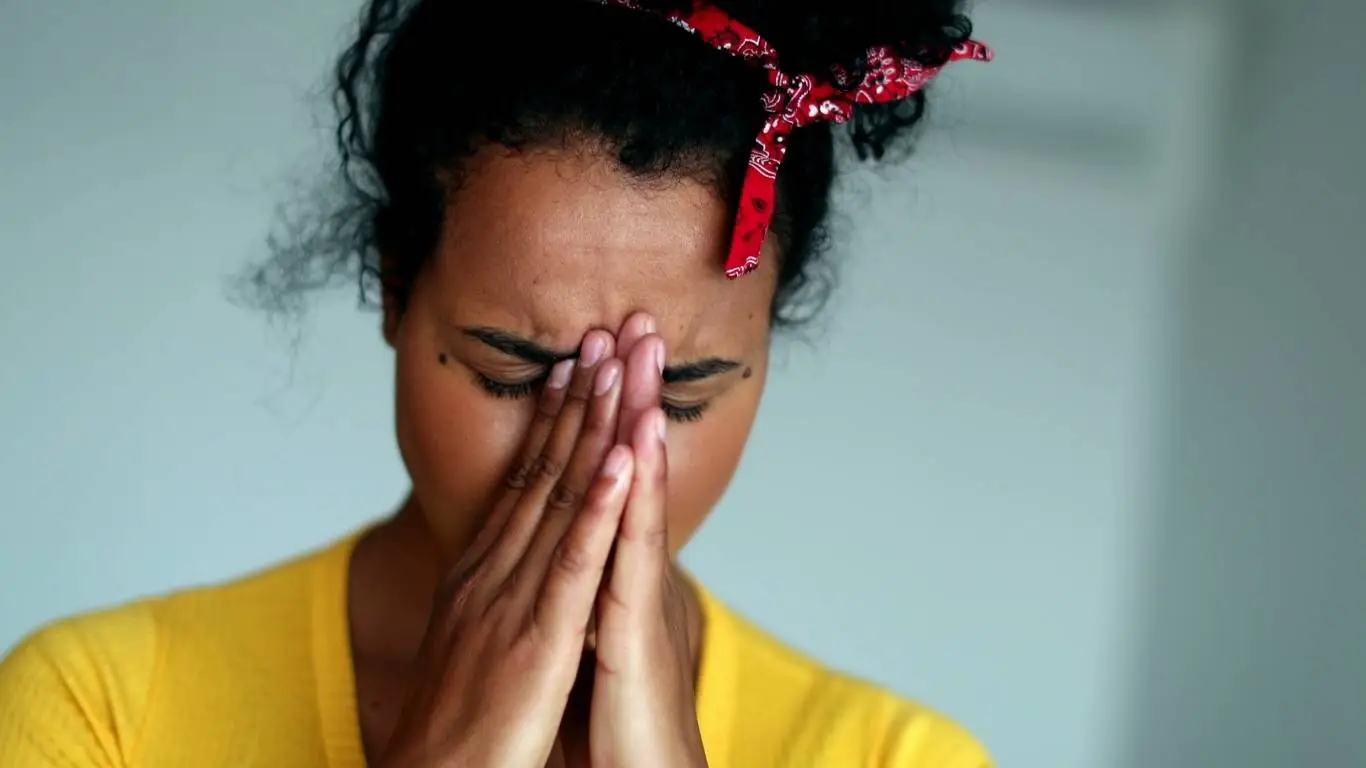
If there’s one thing I wish I could go back and tell myself, it’s this: your wedding doesn’t need to be perfect—it needs to be real. Full of love, laughter, and probably a few minor hiccups. And if you’re managing anxiety along the way, that doesn’t make you any less capable or deserving of joy.
You are doing better than you think.
For deeper support on the psychological side of anxiety, check out this resource on therapy options that can be customized for your needs. And don’t miss the comprehensive breakdown of how anxiety disorders can impact your daily life in this main pillar article.
Sources: nimh.nih.gov, psychologytoday.com, cdc.gov

Camellia Wulansari is a dedicated Medical Assistant at a local clinic and a passionate health writer at Healthusias.com. With years of hands-on experience in patient care and a deep interest in preventive medicine, she bridges the gap between clinical knowledge and accessible health information. Camellia specializes in writing about digestive health, chronic conditions like GERD and hypertension, respiratory issues, and autoimmune diseases, aiming to empower readers with practical, easy-to-understand insights. When she’s not assisting patients or writing, you’ll find her enjoying quiet mornings with coffee and a medical journal in hand—or jamming to her favorite metal band, Lamb of God.