Warning Signs Your Child Is Hiding Anxiety Parents Often Miss
If you’re anything like me, you’ve probably brushed off a few signs thinking, “It’s just a phase.” I used to tell myself that all the time—until I realized my child was silently struggling with something deeper. Anxiety in kids doesn’t always look like anxiety in adults. They might not have the vocabulary to explain what’s happening in their minds, so they bury it. And that’s where things get tricky. As a parent, it’s heartbreaking to think we might be missing the signs our child is hiding anxiety, especially when they work so hard to keep it invisible.
What Makes Childhood Anxiety So Easy to Miss?

We often imagine anxiety as visible—panicked breathing, pacing, crying fits. But when it comes to children, the signs can be far more subtle. Many kids become masters at masking how they feel, especially if they’re sensitive, perfectionistic, or don’t want to “burden” anyone. My daughter, for example, used to smile through everything. Teachers would say, “She’s doing great!” But at home, the meltdowns over tiny things told another story.
Why Kids Hide Anxiety in the First Place
- Fear of being seen as different: They don’t want to be labeled as “the anxious one.”
- Not understanding their feelings: Many children simply don’t recognize what they’re experiencing as anxiety.
- Wanting to please adults: Sensitive kids may prioritize behaving “perfectly” over expressing emotional distress.
And let’s be real—sometimes we, as adults, miss the cues because we’re juggling 100 things and we assume “no complaints” means “no issues.” I learned that the hard way, and if you’re reading this, maybe you’ve started to suspect something too.
Unexpected Behavioral Clues to Watch For
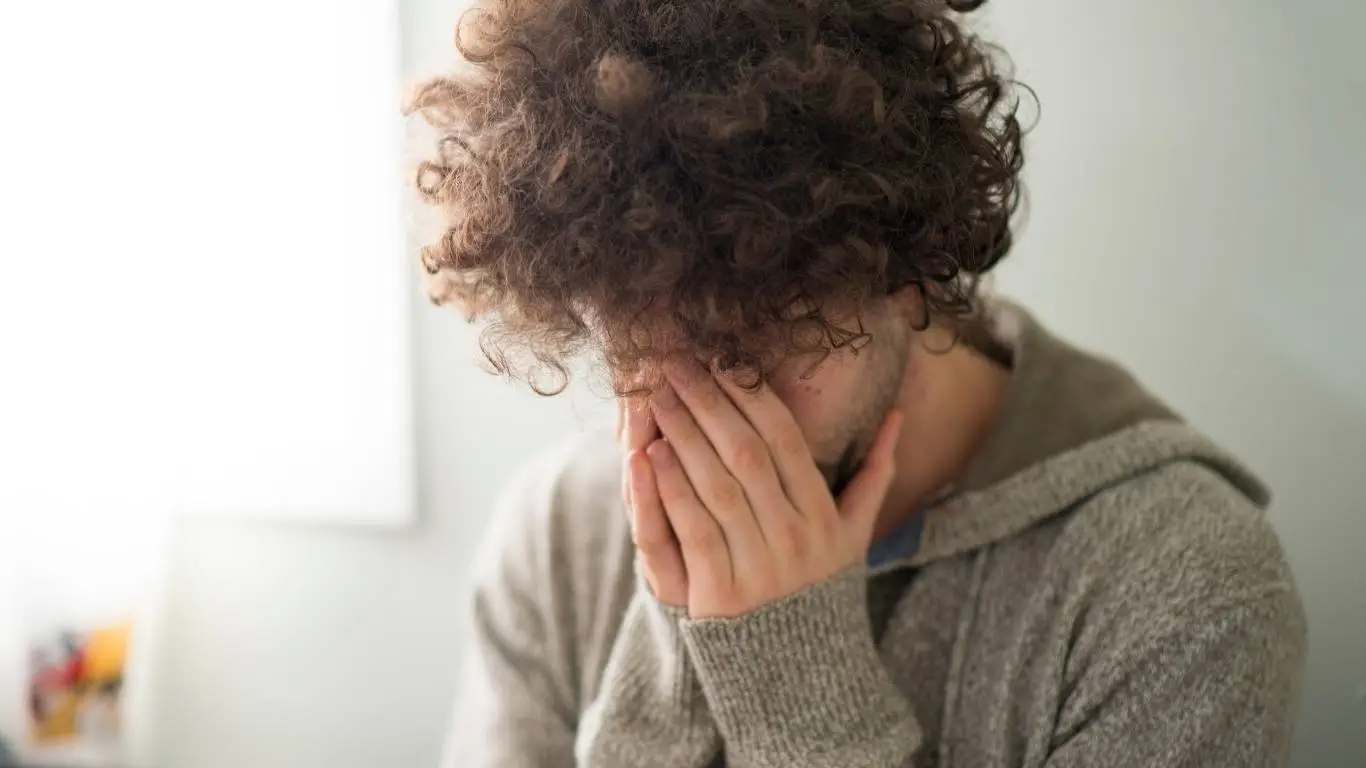
1. Overachieving or Obsessing About Being Perfect
This was a big one in our household. My child would tear up homework if a single answer was wrong. On the surface, it looked like ambition. But inside, it was fear of failure—driven by anxiety. Perfectionism can be a smokescreen for deep inner turmoil. According to National Institute of Mental Health, children with anxiety often set unreasonably high standards for themselves and experience intense distress if they fall short.
2. Sudden Physical Complaints With No Clear Cause
Complaints like stomachaches, headaches, or even nausea can be real symptoms of anxiety. It’s the body’s way of waving a red flag. Stomach problems caused by anxiety are more common than most parents realize—and kids usually don’t make the connection. You may hear, “I don’t want to go to school today. My tummy hurts,” and think they’re faking. They might not be.
3. Changes in Sleep or Appetite
Kids who are anxious often struggle to fall asleep or stay asleep. Others may suddenly become picky eaters or lose interest in food altogether. These changes are easy to miss, especially if they’re subtle or gradual. Tracking patterns over a week or two can help reveal trends that point to hidden emotional distress.
Social Shifts That May Signal Something More

1. Avoiding Friends or Social Situations
When your outgoing kid suddenly doesn’t want to go to birthday parties or playdates anymore, take note. It might be more than a mood swing. Social anxiety or general anxiety can trigger avoidance behaviors. The article on social anxiety in teens offers insight even younger children might resonate with.
2. Becoming Quiet or Withdrawn at Home
My child used to chatter nonstop about her day. Then she started giving one-word answers. At first, I chalked it up to growing up. But the truth? She was overwhelmed. Kids often shut down emotionally when they feel anxious but don’t know how to open up. They retreat inward, hoping the storm passes.
3. Sudden Anger or Irritability
This one surprised me. Anxiety doesn’t always show up as fear—it can come out as rage. When kids feel out of control inside, they often explode outside. Outbursts, defiance, or even yelling can be symptoms of an anxious child trying to regain some sense of control. A helpful breakdown on how anxiety leads to anger outbursts can clarify how closely the two are linked.
When School Performance Starts to Shift

1. Difficulty Concentrating or Zoning Out
Teachers might report that your child is staring into space or taking longer to complete tasks. Anxiety can hijack the brain’s ability to focus. It’s not laziness—it’s a battle between staying present and trying to silence their inner worries. Learn more on how anxiety affects concentration and why it’s often misdiagnosed as attention issues.
2. Drop in Grades or School Avoidance
When the fear of making a mistake becomes unbearable, some kids disengage completely. They stop trying. They might even fake being sick just to avoid school. It’s a painful spiral that’s hard to pull them out of without understanding the root cause.
If any of this feels familiar, you’re not alone. Parents miss these signs all the time—not out of neglect, but because our kids can be incredibly good at hiding what hurts. One of the most comprehensive reads I found was this article on hidden causes of anxiety disorders. It opened my eyes to so many subtle things I hadn’t considered before.
To go deeper on how anxiety is often misinterpreted in children and how it affects their routines and behaviors, I highly recommend checking out the article on how anxiety disorders quietly control daily life as well as this one on anxiety’s daily disruptions.
How Kids Try to Explain Their Anxiety—Without Using the Word

One of the things I learned as a parent is that children don’t say “I feel anxious.” Instead, they say:
- “I don’t want to go.”
- “I think I’m going to mess up.”
- “My stomach feels weird.”
- “Can I just stay home with you?”
They’re not trying to be difficult. That’s how their anxiety sneaks into conversations—and how we can start recognizing it. I even started keeping a journal of phrases and moods, which helped me spot patterns. That’s when I realized this wasn’t just “being shy” or “sensitive.”
The GAD-7 questionnaire helped me make sense of what was going on. I didn’t use it to diagnose, but it gave me a much-needed baseline before speaking with our pediatrician.
Helping Your Child Feel Safe Enough to Open Up

When I finally had that heart-to-heart with my child, I didn’t start with, “Are you anxious?” That would’ve shut things down. Instead, I asked simple, open questions:
- “What’s something that made your tummy feel weird today?”
- “Was there a part of school that made you feel nervous?”
- “Is there anything that feels hard to talk about?”
To my surprise, the conversation unfolded more naturally than I expected. Kids just want to know they’re not in trouble for feeling overwhelmed. That reassurance opens the door.
Creating an Anxiety-Safe Home Environment
- Validate their feelings – Even if it seems small to you, it’s big to them.
- Lower pressure zones – Don’t push them to talk during a meltdown. Wait for calm moments.
- Routines, not rigidity – Predictability helps anxious kids feel grounded.
What worked for us? Adding little pockets of calm into the day. Breathing together. Coloring. Even taking five quiet minutes with no agenda. It’s amazing how much healing hides in simplicity. This guide on breathing exercises for anxiety was a game changer—seriously, it worked better than I expected.
When to Consider Professional Help

Sometimes love and support at home aren’t quite enough—and that’s okay. I remember how hard it was to admit that. But getting help doesn’t mean you’ve failed as a parent. It means you’re giving your child tools you may not have.
Signs You Might Need Outside Support
- Anxiety interferes with daily functioning (e.g., avoiding school altogether)
- Frequent nightmares or sleep refusal
- Persistent physical symptoms with no medical explanation
- Social withdrawal that seems to deepen over time
We started with our pediatrician. Then we tried therapy. This breakdown on therapy options for anxiety helped us weigh the choices. We found someone who used play-based therapy—which helped my daughter open up without feeling grilled.
Cognitive Behavioral Therapy (CBT) in particular has been hugely effective. If you’re exploring this, the guide on CBT steps that work makes the process way less intimidating.

I didn’t talk about my child’s anxiety at first. I was worried about judgment. But once I did, the support was overwhelming. Other parents had been through it too. Some were further along, and their insights saved us time, energy—and honestly, a lot of heartache.
Things That Helped Us Build a Support Network
- Connecting with parents through local groups and Facebook communities
- Joining a school counselor’s parent circle
- Leaning on extended family to build predictable routines
- Bookmarking resources like childmind.org for ongoing help
Even just having someone say, “We’ve been there” made all the difference. It reminded me that I wasn’t alone—and neither was my child. We also benefited greatly from support groups for anxiety. Sometimes shared stories are the most powerful therapy.
Understanding the Long-Term Impact of Hidden Anxiety

The earlier we notice the signs, the better the long-term outcomes. Children who hide their anxiety often grow into teens who suffer silently, afraid to ask for help. Some carry it well into adulthood. Recognizing it now gives your child a head start—on resilience, emotional intelligence, and self-acceptance.
For a more clinical understanding of how anxiety shapes early development and how it may silently disrupt routines, check out the pillar article on daily life disruptions as well as this main resource from why anxiety disorders secretly control daily life.
If your gut tells you something feels “off” with your child, trust it. You know them better than anyone. The signs may be subtle, but your connection is stronger. That’s more powerful than any symptom list or screening tool. You’re already doing the hardest and most important part—showing up.

Camellia Wulansari is a dedicated Medical Assistant at a local clinic and a passionate health writer at Healthusias.com. With years of hands-on experience in patient care and a deep interest in preventive medicine, she bridges the gap between clinical knowledge and accessible health information. Camellia specializes in writing about digestive health, chronic conditions like GERD and hypertension, respiratory issues, and autoimmune diseases, aiming to empower readers with practical, easy-to-understand insights. When she’s not assisting patients or writing, you’ll find her enjoying quiet mornings with coffee and a medical journal in hand—or jamming to her favorite metal band, Lamb of God.