Why When Anxiety Becomes Physical Exhaustion Feels So Overwhelming
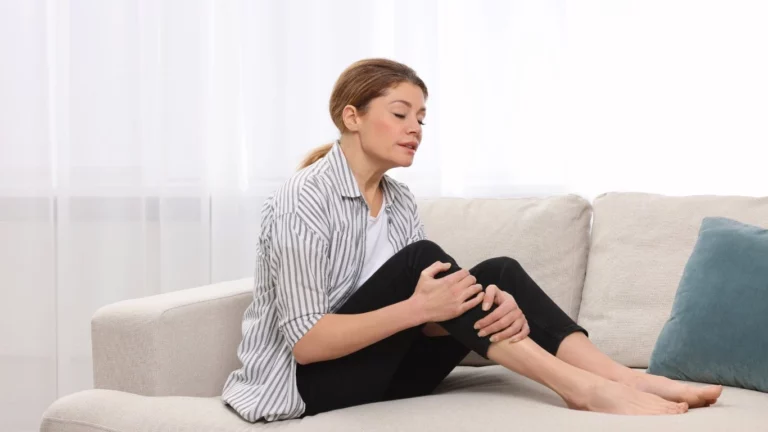
I used to think anxiety was just mental. Racing thoughts, overthinking, maybe a little restlessness. But one morning, I woke up feeling like I hadn’t slept at all. My legs ached, my chest felt tight, and I could barely drag myself to the kitchen for coffee. At first, I thought I was coming down with something, but it wasn’t the flu. It was anxiety—and it had drained my body so deeply, I was completely exhausted. If that sounds familiar, you’re not alone.
When Your Mind Won’t Stop—But Your Body Does

Anxiety isn’t just in your head—it can show up everywhere. What many people miss is how relentless, unaddressed anxiety can lead to actual physical burnout. You might think you’re just tired, but if your brain is always in fight-or-flight mode, your body never really rests.
What Does Physical Exhaustion from Anxiety Feel Like?
It’s more than just feeling sleepy. It’s a kind of heaviness that seeps into your bones. You may notice:
- Waking up already tired—even after a full night’s sleep
- Aches and pains with no clear cause
- Difficulty concentrating or staying upright for too long
- Feeling like your limbs are weighed down
- Chest tightness or shortness of breath
And no, it’s not “just in your head.” The physical toll is very real. In fact, anxiety-related fatigue can sneak up so subtly, you may not link the two at all—until you crash.
The Science: How Anxiety Wears You Out

Your body isn’t designed to be in crisis mode all the time. When anxiety is chronic, your sympathetic nervous system is overactivated. That triggers a surge of cortisol and adrenaline, keeping you alert—but draining your reserves.
Why This Leads to Full-Body Fatigue
- Muscle tension: Ongoing anxiety causes chronic tension, especially in the shoulders, back, and neck.
- Sleep disruption: Even if you’re in bed for 8 hours, anxiety reduces sleep quality—especially deep, restorative sleep.
- Energy crash: After adrenaline spikes, your body crashes. It’s like riding a rollercoaster with no seatbelt.
That’s why the physical symptoms of anxiety can feel so similar to actual illness. And why doctors often misdiagnose it or overlook the fatigue angle entirely.
When Everyday Tasks Feel Like Climbing a Mountain

If you’ve ever canceled plans, avoided errands, or even skipped brushing your teeth because you just couldn’t move, that’s anxiety-induced exhaustion at work. I’ve had days where even replying to a text felt overwhelming.
Interestingly, everyday anxiety disruptions often go unnoticed because we chalk them up to laziness or stress. But what’s really happening is your brain and body are screaming for rest.
Common Situations Where It Hits Hardest
- After long social interactions (especially if you’re introverted)
- During extended periods of uncertainty or overthinking
- When masking symptoms in professional environments
- After multiple panic attacks in a short span
There’s a reason why sleep and anxiety are so closely linked. If your mind doesn’t get to switch off, neither does your body.
When Anxiety Makes You Think You’re Sick
I once spent three days convinced I had mono or a thyroid problem because of how wiped out I felt. The fatigue was that intense. But after multiple tests came back normal, my doctor gently suggested it might be anxiety.
Turns out, getting the right diagnosis can be half the battle. Many people spend months, even years, chasing physical explanations when the root is actually psychological.
But How Do You Know It’s Anxiety?
This part is tricky. You may not even feel mentally “anxious.” But look for patterns:
- Does your exhaustion follow high-stress periods?
- Do you feel worse after social or work situations?
- Is your mind racing at night, but your body dragging all day?
If yes, it might be time to explore the idea that your exhaustion is anxiety-related. And that’s a game-changer for healing.
How I Finally Connected the Dots
It wasn’t until I started tracking my symptoms that I noticed the overlap. Bad sleep, tight chest, brain fog, stomach upset—all showing up after stressful days. I finally stumbled across this article on hidden causes of anxiety, and something just clicked.
That led me to this eye-opener on how anxiety silently takes over your routine. From there, I got serious about making changes.
What Helped Me Start to Recover
- Switching to magnesium-rich foods (yes, it helps)
- Trying cognitive behavioral therapy (game-changer)
- Limiting caffeine and cutting back on over-scheduling
- Learning how to identify early warning signs
If you’re stuck in that cycle of mental worry and physical burnout, just know: you’re not imagining it. And you’re definitely not alone. The connection is real, and understanding it is your first step to getting your energy—and your life—back.
Why Rest Alone Doesn’t Fix Anxiety Exhaustion

It took me way too long to realize this: no amount of naps, sleep-ins, or rest days were helping me bounce back. I’d still feel completely drained. The problem? I wasn’t actually resting—I was just collapsing. There’s a huge difference.
When your body’s in a constant state of stress, your nervous system can’t shift into recovery mode. That’s why even a full night’s sleep feels useless when anxiety is running the show. As odd as it sounds, your body needs to feel safe before it can actually recharge.
This is where so many people get stuck. I’ve talked to folks who said, “I sleep 9 hours and still feel like a zombie.” It’s frustrating. But once they tackled the underlying tension and anxious thought loops, things shifted. One simple step? Learning to signal safety to the brain.
How to Rebuild Physical Energy from the Ground Up
Here’s what started to work for me—not overnight, but consistently:
- Progressive Muscle Relaxation: Taught my body what “relaxed” actually feels like. I used this guided routine daily for a few weeks.
- Breathwork: Calming techniques that stop the body from assuming it’s in danger. I liked this simple method that didn’t feel too “woo.”
- Reducing stimulants: Cutting back on caffeine seriously changed my afternoon crash cycles. It also helped me sleep better.
- Therapeutic journaling: Got the clutter out of my head and stopped the “what-if” spiral. These journal prompts helped a lot.
Fueling a Tired Body with the Right Support

Anxiety exhaustion is a full-body experience, and your body needs support. I learned the hard way that skipping meals, eating junk, or just surviving on caffeine only made things worse. Once I started fueling myself better, I actually noticed a difference in my stamina.
Simple Nutrition Tweaks That Made a Big Difference
- Magnesium-rich foods: Calming and super easy to add in—think almonds, spinach, and dark chocolate.
- Omega-3s: These healthy fats help reduce inflammation and support brain function.
- Limiting sugar: Honestly? This was brutal at first. But cutting back made my energy dips less intense.
- Hydration: I kept confusing dehydration symptoms for anxiety. Staying hydrated helped level out both.
The gut-brain connection is real. In fact, poor gut health can directly impact how you feel mentally and physically. Probiotics, fiber-rich foods, and regular meals became part of my personal non-negotiables.
Finding the Right Treatment (That Doesn’t Make You Feel Worse)

Let’s be real—not every solution works for everyone. Some people feel better with medication, others with therapy, or a mix of both. For me, CBT made a huge difference because it gave me tools I could use right in the middle of a spiral.
I also had to learn to advocate for myself. Some doctors didn’t take my exhaustion seriously. Others suggested antidepressants, which helped—but not before I read up on how SSRIs work for anxiety and what to expect.
Consider Asking About These Treatment Options:
- Buspirone for Generalized Anxiety Disorder
- EMDR therapy for anxiety rooted in past experiences
- DBT if emotional regulation is a struggle
And if you’re overwhelmed by the whole process, this guide to anxiety diagnosis helped me understand the steps and advocate for real answers.
Reclaiming Energy by Setting Boundaries (Yes, Really)

One of the sneakiest energy leaks? Saying “yes” to everything. I didn’t realize how much mental fatigue came from people-pleasing, overcommitting, and never unplugging. Learning to protect my time was a game-changer.
Practical Boundaries I Put in Place
- Turning off notifications after 8pm
- Blocking quiet time into my calendar—like actual appointments
- Politely declining plans without feeling guilty
- Taking breaks from social media when it got too noisy
It was uncomfortable at first. But once I saw how much calmer I felt, I didn’t want to go back. And I learned that boundaries aren’t about pushing people away—they’re about protecting your peace. There’s a reason this strategy works so well for anxiety.
Restoring a Body That’s Been Running on Empty

Once I stopped trying to “push through” and started approaching anxiety like a full-body experience, things shifted. It took time, patience, and a lot of trial and error. But I finally began to feel like myself again.
If you’re stuck in the cycle of anxiety and exhaustion, this guide to lifestyle strategies can help you ease into sustainable change—without overwhelm.
And to get a better grip on how anxiety secretly takes over every corner of your life, check out this main pillar article. I wish I’d found it earlier.

Camellia Wulansari is a dedicated Medical Assistant at a local clinic and a passionate health writer at Healthusias.com. With years of hands-on experience in patient care and a deep interest in preventive medicine, she bridges the gap between clinical knowledge and accessible health information. Camellia specializes in writing about digestive health, chronic conditions like GERD and hypertension, respiratory issues, and autoimmune diseases, aiming to empower readers with practical, easy-to-understand insights. When she’s not assisting patients or writing, you’ll find her enjoying quiet mornings with coffee and a medical journal in hand—or jamming to her favorite metal band, Lamb of God.