Why Hormonal Migraine Feels Worse Than A Tension Headache
For the longest time, I chalked up my recurring headaches to stress. Work deadlines, family obligations, life — you know how it piles up. But then came the curveball: my headaches seemed to sync with my cycle. At first, I dismissed it. Coincidence, maybe? Until I started tracking things more closely, and the pattern became undeniable. That’s when I had to ask myself — am I dealing with hormonal migraines or just classic tension headaches? Turns out, the differences matter more than we think.
Understanding the Root of the Pain
What Are Hormonal Migraines?
Hormonal migraines are a type of headache triggered by fluctuations in estrogen levels. They’re incredibly common among people assigned female at birth, particularly during menstruation, ovulation, pregnancy, or even perimenopause. I first noticed them right before my period — the throbbing, sensitivity to light, and nausea were a dead giveaway.
These aren’t your regular headaches. They often come with symptoms that mimic traditional migraines: pulsating pain (usually on one side of the head), sensitivity to sound and light, visual disturbances, and sometimes even vomiting. If you’ve ever canceled plans or called in sick because your head felt like it was about to explode around your period — yeah, you’re not alone.
Here’s a deeper dive into common hormonal migraine triggers and what might be causing those pain spikes around your cycle.
What Are Tension Headaches?
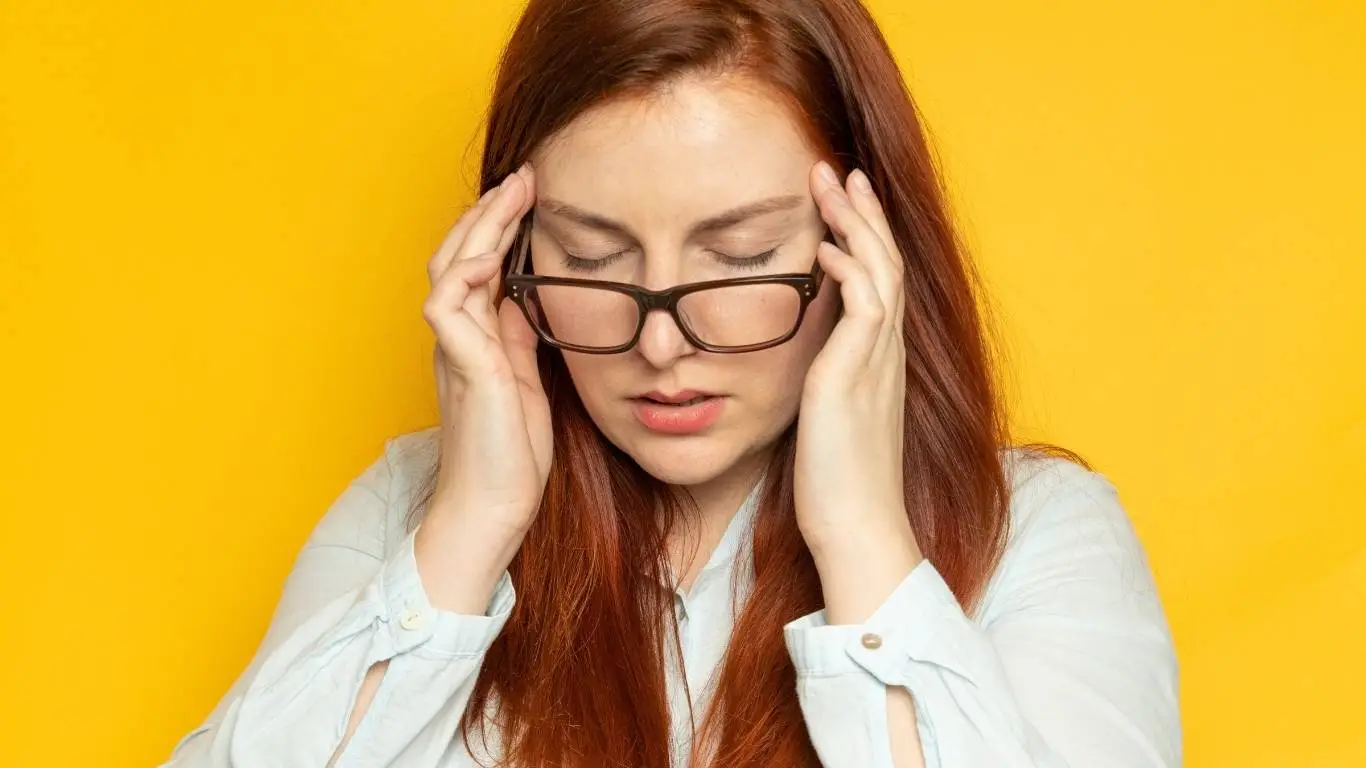
Tension headaches feel different. They’re often described as a dull, persistent pressure, like a tight band around your forehead. Unlike hormonal migraines, they don’t usually come with nausea or auras. In my experience, they sneak in gradually and can hang around all day, especially after staring at screens or grinding through a stressful day.
They’re the most common type of headache, and honestly, they can feel deceptively “normal” — which makes them easy to dismiss. But just because they’re common doesn’t mean they’re harmless. Chronic tension headaches can be exhausting over time, especially when untreated.
If you’re curious whether your one-sided head pain could be something else entirely, this breakdown on migraine vs tension headache will help you spot the nuances.
Symptoms: Telling Them Apart
How Hormonal Migraines Feel
- Throbbing or pulsating pain, usually on one side
- Can last 4 to 72 hours
- May be preceded by visual disturbances (auras)
- Sensitivity to light, sound, and smells
- Nausea or vomiting
How Tension Headaches Feel
- Dull, achy pressure on both sides of the head
- No nausea or vomiting
- No aura or visual symptoms
- Feels like a tight band or muscle tension around the head or neck
Hormones: The Migraine Puppeteer

One major factor that sets hormonal migraines apart is estrogen — or more precisely, how rapidly it fluctuates. Before menstruation, estrogen levels drop significantly. For some people, that’s all it takes to flip the migraine switch. And it’s not just about your period. Pregnancy, perimenopause, or stopping birth control pills can have the same effect.
According to NHS and Cleveland Clinic, the hormonal link is so strong that many providers now consider it a primary factor in diagnosing and treating recurring migraines in women. If your headaches show up like clockwork around hormonal shifts, there’s a good chance your endocrine system is in the driver’s seat.
For a breakdown of the science behind hormonal imbalances and headaches, check out this in-depth guide.
Common Triggers You Might Be Missing

For Hormonal Migraines
- Menstrual cycle changes
- Ovulation and mid-cycle estrogen spikes
- Starting/stopping hormone-based birth control
- Perimenopause or menopause
- Skipping meals or fasting
Speaking of skipping meals, fasting was one of my biggest unknown triggers until I read this article that explained why it hits so hard for migraine-prone people.
For Tension Headaches
- Poor posture
- Stress and anxiety
- Lack of sleep
- Eye strain (hello, screens!)
- Clenching your jaw or grinding teeth
Both types of headaches can sometimes be linked with neck stiffness or muscle tightness. If that sounds familiar, this article on migraines and neck pain is worth a look.
When Should You See a Doctor?

Here’s the honest truth: if your headaches are affecting your daily life, it’s time to stop guessing. Tracking your symptoms (I started using a simple app), noting when they appear in your cycle, and bringing that data to your doctor can make a world of difference.
Getting an accurate diagnosis may involve a full migraine evaluation. This resource on how migraines are diagnosed breaks down the process. It’s not as intimidating as it sounds — and it helped me finally separate what I thought were “just stress headaches” from a treatable hormonal issue.
If you want to go deeper into holistic migraine management, the Migraine Treatment Pillar is packed with insights. For a broader look at how migraines and headaches impact daily life, check out our main migraine and headache hub.
Treatment Options That Actually Work
Managing Hormonal Migraines
For me, treating hormonal migraines wasn’t just about popping an ibuprofen and hoping for the best. I needed a plan — and honestly, it took some trial and error. What worked eventually? A mix of preventive strategies and targeted treatment right before my period started.
Some of the most effective options include:
- Hormonal therapy – In some cases, doctors may recommend stabilizing estrogen levels with hormonal birth control. It’s not a perfect solution for everyone, but for those with predictable menstrual migraines, it can help.
- NSAIDs or triptans – Taken a day or two before your expected migraine, these can cut it off before it fully sets in.
- Supplements like magnesium or vitamin B2 – There’s growing evidence (and a lot of anecdotes) that these help reduce frequency and severity.
I started seeing results after reading this guide on magnesium — turns out, I was way under the recommended amount for migraine prevention.
For deeper insights on this, don’t miss our guide on prescription treatments for migraines and how they differ from over-the-counter solutions.
Relief for Tension Headaches
On the tension headache front, lifestyle plays a bigger role than most people realize. Stress, sleep, posture — all of it adds up. I didn’t believe it either, until I adjusted my workspace ergonomics and finally stopped waking up with a dull forehead throb every morning.
Here’s what helped me the most:
- Regular stretching and posture corrections – A simple routine every morning can release built-up tension.
- Massage or heat therapy – A warm compress on the neck or shoulders does wonders.
- Stress management techniques – I found mindfulness apps surprisingly effective, especially during busy weeks.
- Sleep hygiene – Going to bed at a consistent time and using a proper pillow made more difference than I expected.
If you’re looking for tools that go beyond meds, this roundup of top migraine relief devices includes some surprising tech that helps both migraine and tension headache sufferers.
Preventive Strategies That Actually Stick
For Hormonal Migraine Prevention
Prevention is where the game really changes. Once I figured out the hormonal pattern, I could prepare in advance. Here’s what I stick to now:
- Track your cycle – Use a migraine diary or app to identify patterns. You’ll thank yourself later. I started with this guide to migraine tracking.
- Stay hydrated and nourished – Low blood sugar or dehydration right before your period? Recipe for a migraine.
- Preemptive meds – Taking triptans or magnesium two days before my expected migraine reduced attacks drastically.
Want a broader breakdown of everyday prevention tactics? The Migraine Prevention Pillar covers both clinical and holistic angles really well.
Daily Habits to Reduce Tension Headache Recurrence
The best part? Many of the prevention tips that help migraines also benefit tension headaches. It’s all about consistency. Here’s my go-to list:
- Take screen breaks every 20–30 minutes
- Adjust your chair height and screen position
- Practice jaw relaxation exercises (especially if you grind your teeth)
- Get outside — even a 15-minute walk helps reset muscle tension and stress
- Be mindful of your caffeine intake — balance is key
For more detailed insight on how lifestyle ties into both types of headaches, sleep posture and migraine relief is surprisingly relevant.
Living With Both: Yes, It Happens
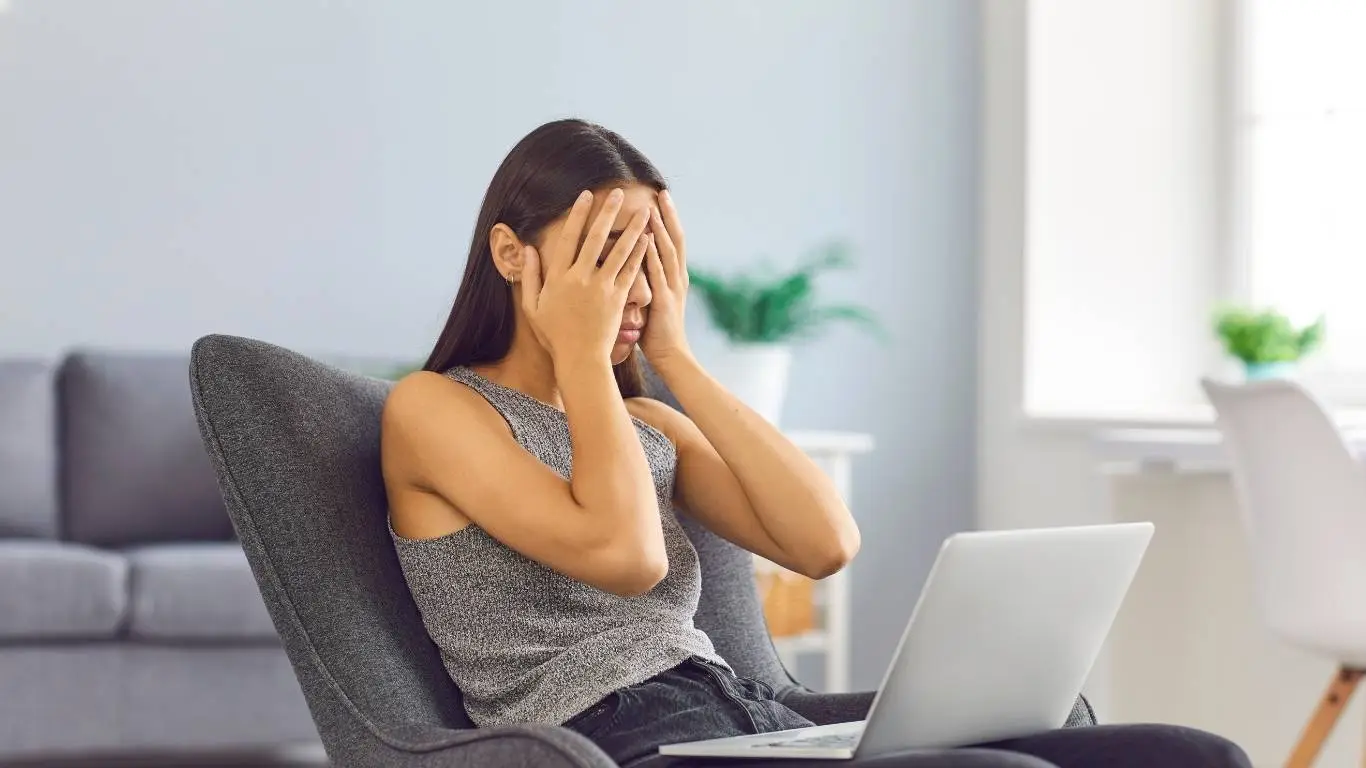
Here’s the kicker — it’s totally possible to deal with both hormonal migraines and tension headaches. I do. They’re different beasts, and they need different approaches. One thing I’ve learned: don’t let anyone (especially yourself) minimize your pain. Whether it’s hormonal shifts or burnout from daily life, your experience is valid.
If you feel like your symptoms don’t fit neatly into one category, you’re not alone. This is why tailored treatment plans matter. Talk to a specialist. Try a variety of strategies. Don’t be afraid to change what’s not working.
I found working through this guide on working with migraines incredibly helpful — especially when it came to navigating professional life during high-symptom weeks.
Resources to Explore Next

- Migraine Treatment Pillar – for complete info on clinical and home remedies
- Main Migraines Hub – for understanding the full scope of headaches and migraines
- WebMD – a trusted overview of headache types and symptoms
- Mayo Clinic – detailed explanations and expert insights

Bianca Nala is a compassionate Nurse Practitioner with a strong background in primary and respiratory care. As a health writer for Healthusias.com, she combines her clinical expertise with a talent for clear, relatable storytelling to help readers better understand their health. Bianca focuses on topics like asthma, COPD, chronic cough, and overall lung health, aiming to simplify complex medical topics without losing accuracy. Whether she’s treating patients or writing articles, Bianca is driven by a single goal: making quality healthcare knowledge accessible to everyone.