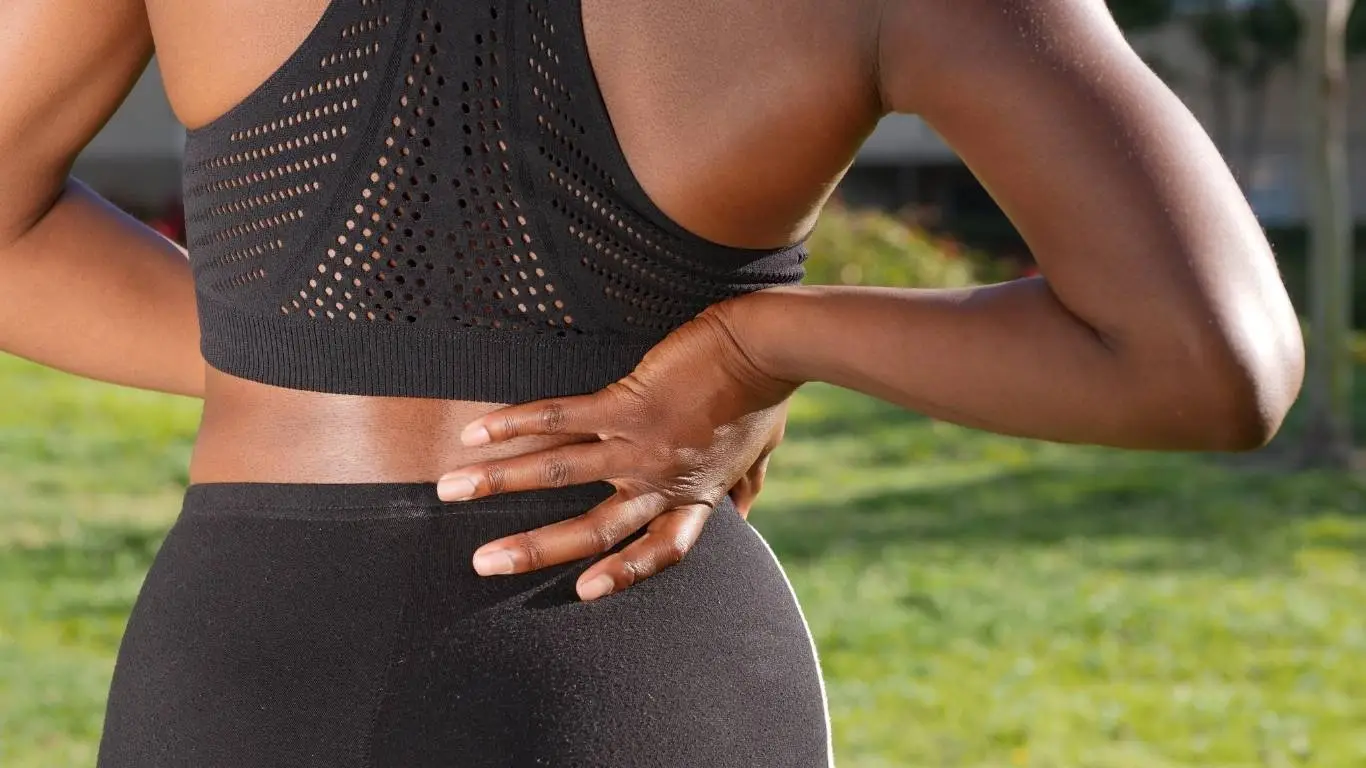
How Backpacks Affect Adult Back Health and What You Can Do About It
Last summer, I decided to ditch my briefcase and go hands-free with a backpack. Big mistake—or so I thought. Within a few weeks, I started experiencing this dull ache between my shoulder blades. I chalked it up to bad posture or maybe sleeping weird, but then it got worse. Sound familiar? You’re not alone. Whether you’re commuting, traveling, or simply trying to avoid shoulder strain, backpacks seem like the ergonomic solution. But are they really? Let’s break down how backpacks can affect adult back health—and what you can do about it.
Why Backpacks Aren’t Just for Kids Anymore

From office workers to fitness buffs and digital nomads, more adults are swapping out totes and laptop bags for backpacks. It makes sense—better weight distribution, more storage, hands-free convenience. But what most people overlook is how they wear it, what they carry, and whether the bag actually fits their body type.
In fact, CDC-backed ergonomic studies suggest that poor backpack habits in adults can lead to long-term spinal strain, nerve impingements, and even migraines. And it doesn’t take a 30-pound gym load to trigger symptoms—just a poorly balanced 8-10 pound everyday carry can do the trick.
The Silent Strain: How Backpacks Affect Posture and Alignment

I remember adjusting my straps tighter thinking it would “distribute weight better.” Nope. It pulled my shoulders forward, rounding my upper back and shifting my center of gravity. Classic recipe for what’s known as postural kyphosis.
Common Posture Issues Triggered by Backpacks
- Forward head posture: Your neck compensates for your upper back curving forward.
- Rounded shoulders: Especially common with narrow-strap packs.
- Uneven hip alignment: Often due to slinging the backpack over one shoulder.
Over time, these distortions don’t just cause pain—they alter the way your muscles fire. And according to research from NIH, this neuromuscular imbalance leads to fatigue, reduced range of motion, and even injury susceptibility in adults.
Load Matters: What’s in Your Bag?

Most of us don’t realize how quickly our packs become mini suitcases. Laptop, charger, water bottle, extra shoes, snacks, umbrella—it adds up. The problem? Your spine wasn’t designed to carry daily loads like that without support.
Signs Your Backpack Is Too Heavy
- You lean forward to compensate.
- Back or neck pain sets in after 20–30 minutes of wear.
- You feel relief when you remove it—every time.
Experts agree: your backpack should be no more than 10-15% of your body weight. Anything above that risks damaging your spine’s natural curves. If you’re routinely carrying more, it’s time to downsize—or split the load.
What Happens When You Ignore the Signs?

I thought I could “tough it out.” But I ended up with chronic mid-back tightness that turned into tingling in my right arm. Turns out I was dealing with lumbar radiculopathy, likely triggered by how the weight of my bag compressed my spine. Scary, right?
This isn’t just anecdotal. A growing number of adults are facing musculoskeletal issues tied directly to poorly chosen or overloaded backpacks. And if you already have underlying conditions—like a herniated disc or degenerative disc disease—the consequences are even more severe.
Smart Backpack Habits That Can Save Your Spine

Luckily, making a few key adjustments can dramatically improve your back health:
Choose the Right Backpack
- Wide, padded straps: Distribute weight evenly and reduce shoulder pressure.
- Chest and waist straps: Help stabilize the load, especially when walking or biking.
- Structured design: Look for packs with compartments to keep items balanced.
Wear It Correctly
- Use both straps. No exceptions.
- Adjust so the bottom of the pack sits above your hips.
- Keep the load close to your back—avoid letting it sag.
Declutter Weekly
Trust me, you don’t need five pens, an extra book, or last week’s gym shorts. Make it a habit to clean out your pack once a week to reduce unnecessary strain.
What If Back Pain Has Already Started?

If you’re already dealing with aches and tightness, don’t ignore it. Targeted stretching, strengthening, and posture correction can help. You might want to check out these stretches that actually relieve tension and explore some chronic pain coping strategies that work long-term.
In some cases, your pain might need professional care. If you’ve got tingling, numbness, or pain that radiates down your legs, read up on why an MRI for back pain can reveal what’s really going on.
For a deeper dive into how posture, habits, and ergonomics affect adult spine health, don’t miss our guide on exercise and ergonomic rehabilitation for back pain. Or explore our main back pain resource for comprehensive info you can trust.
Stretch It Out: The Underrated Secret to Backpack Pain Relief
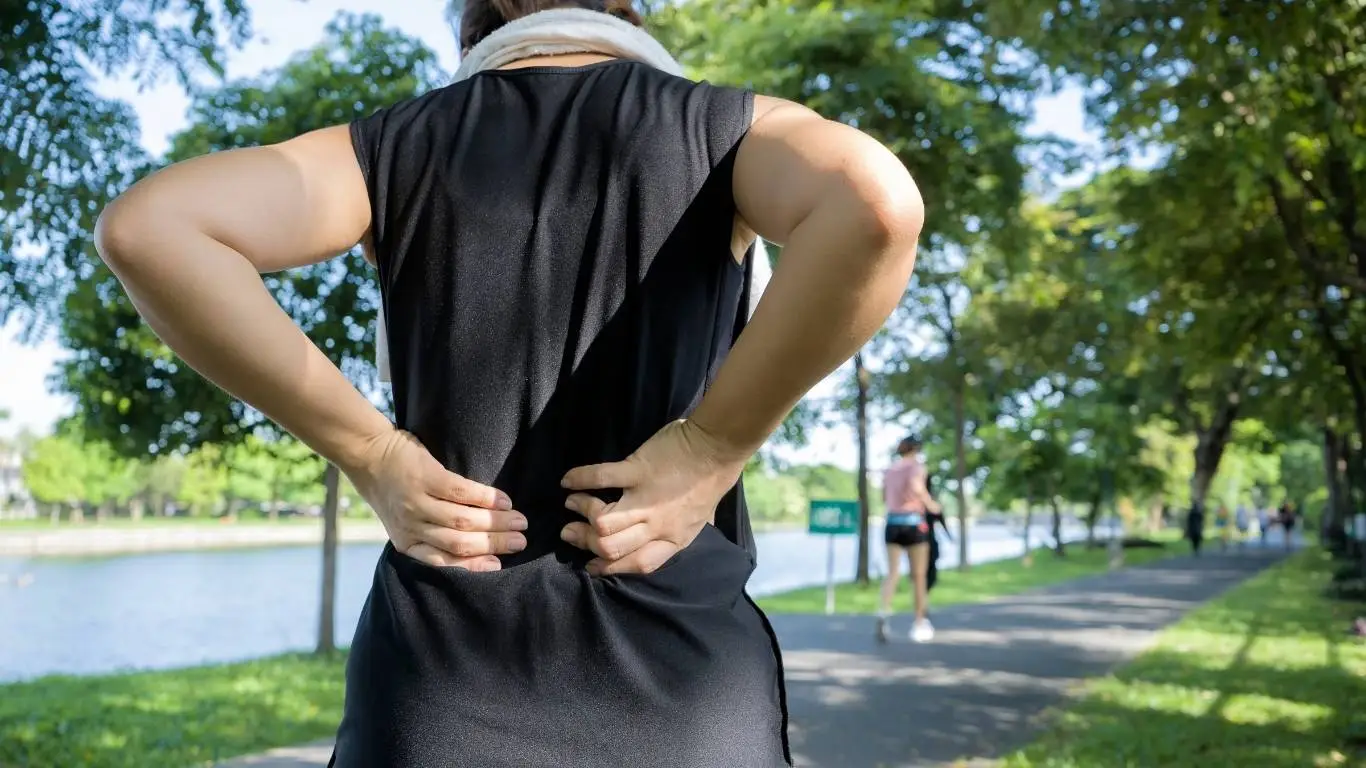
One of the most powerful changes I made wasn’t ditching the backpack—it was stretching. Sounds too simple, right? But the right stretches restore flexibility, loosen tight muscles, and realign the spine after hours of carrying weight. And no, you don’t need to be a yoga guru to feel the difference.
Daily Moves That Help Realign and Strengthen
- Chest Openers: Counteract the forward-shoulder slump.
- Child’s Pose: Great for decompressing the spine after carrying heavy loads.
- Cat-Cow Stretch: Reintroduces mobility to a stiff lower back.
- Thoracic Twists: Improve upper-back mobility, especially for desk workers.
If you’re unsure where to start, check out these yoga poses that truly relieve tension. I do them before and after commuting, and the results were almost instant. Don’t underestimate what 10 minutes of movement can undo from 10 hours of carrying your life on your shoulders.
Core Is Key: Building the Right Muscles to Carry the Load
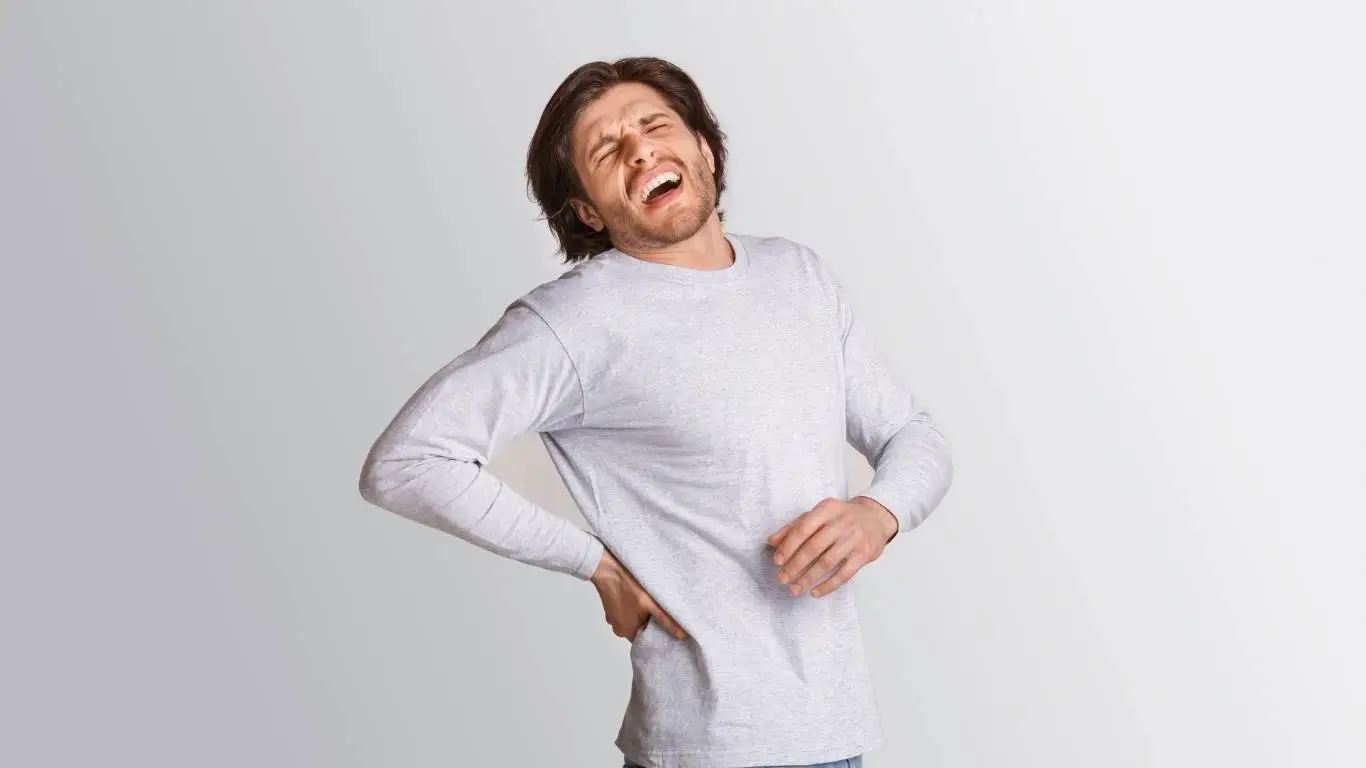
Here’s a game-changer I wish I had known sooner: your back isn’t supposed to carry the entire load. Your core is your spine’s best friend. A weak core forces your back to overcompensate—so every step with a heavy backpack becomes a micro strain.
Core Exercises That Help Backpacks Feel Lighter
- Planks: Stabilize the entire trunk area and reduce spinal pressure.
- Bird-Dogs: Great for posture and coordination.
- Dead Bugs: Low-impact yet highly effective for spinal support.
- Glute Bridges: Activate the glutes, which are crucial for back support.
Strengthening your core takes pressure off your spine and redistributes the backpack load naturally. This guide on Pilates for core and back health breaks it down beautifully if you’re just getting started.
When It’s More Than Just the Bag

Backpack strain can sometimes act like a trigger—not the root cause. That dull ache you feel may be exposing an underlying issue, especially if it’s persistent. I learned this the hard way when my pain didn’t improve even after switching to an ergonomic pack and doing all the right stretches.
Turns out, my core wasn’t the only issue. I had a mild case of sacroiliac joint dysfunction, something my chiropractor flagged after a short assessment. Left unchecked, backpack pressure can accelerate wear on vulnerable spinal joints and discs.
And if your discomfort extends to leg numbness, tingling, or radiating pain, don’t ignore it. You may be dealing with sciatica symptoms made worse by compression from your backpack. Early intervention really does make all the difference.
Upgrade Your Setup: Smart Gear, Smarter Habits

Aside from strengthening and stretching, choosing the right tools can change the entire experience of using a backpack as an adult. Here’s what helped me go from achy to pain-free:
Backpack Features That Actually Help
- Contoured back panels: Reduce pressure on the spine.
- Built-in lumbar support: Especially helpful if you carry heavy electronics.
- Compression straps: Prevent bouncing and keep the load secure.
And let’s talk about workspace ergonomics too—because the moment you take off the bag, your chair better not undo all that effort. I made a huge difference just by investing in a better office chair and using a lumbar support cushion when working long hours.
What Most Adults Still Get Wrong About Backpacks
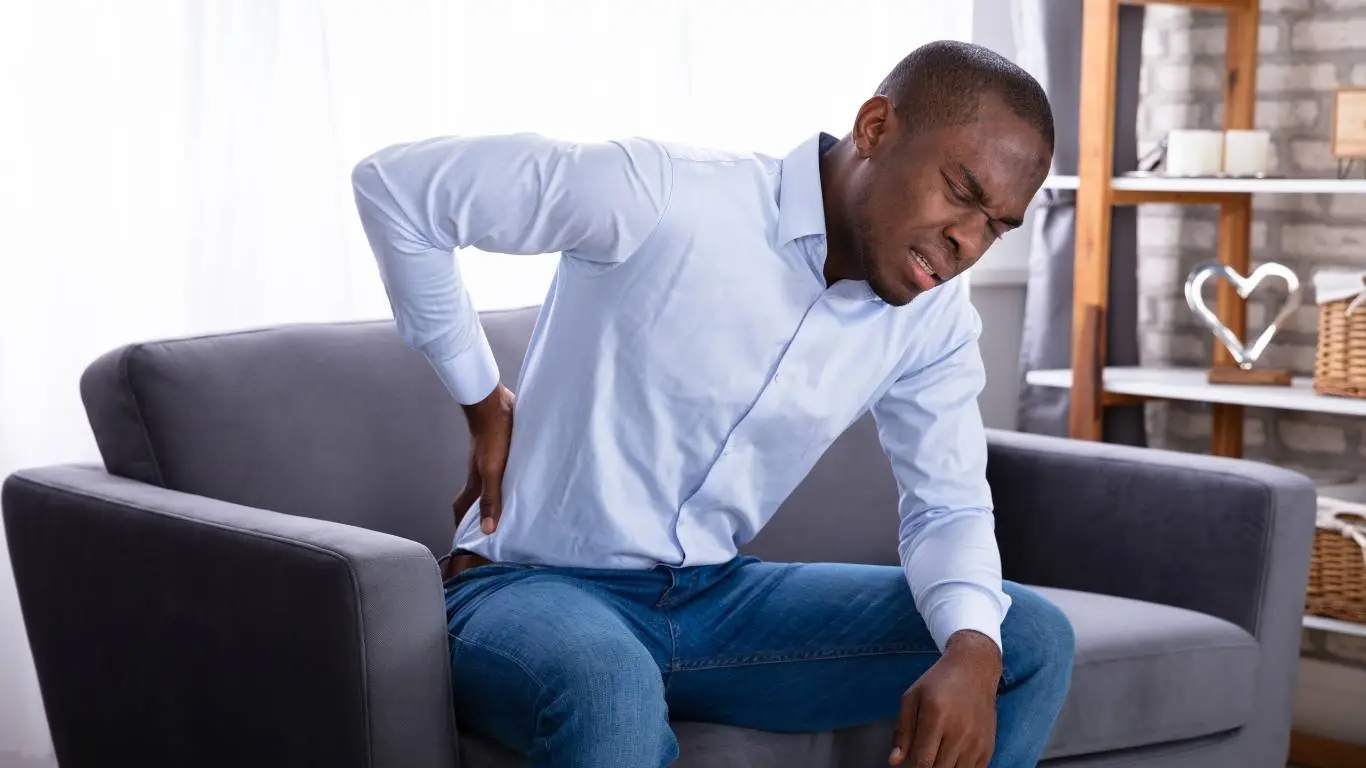
It’s not just what’s in the bag—it’s also about how often, how long, and how you move. Repetition is where damage adds up. You might not feel the effects after one trip across town, but five days a week over months or years? That’s when injuries start stacking up.
Common Mistakes to Avoid
- Wearing your backpack too low: It should sit high and snug, not bounce off your lower back.
- Not adjusting both straps: Uneven wear leads to muscle imbalances.
- Using fashion backpacks: Sorry, those leather strappy ones look cool but usually wreak havoc on your posture.
If you’re unsure whether your habits are helping or hurting, dive into this detailed breakdown of work-related back strain—especially helpful if your job also involves lifting, standing, or prolonged sitting.
Your Daily Choices Shape Your Spine’s Future

Carrying a backpack as an adult isn’t inherently bad—but doing it wrong can cost you your spinal health. Start with better awareness, sprinkle in some smart gear upgrades, and stay consistent with habits that support your body’s natural alignment. It’s not about never carrying weight; it’s about doing it in a way that respects your spine.
For a more comprehensive look at how posture, movement, and lifestyle choices affect your back, explore our guide on lifestyle and natural remedies for back pain. And don’t forget to refer to our full back pain hub anytime you need expert-backed guidance.

Camellia Wulansari is a dedicated Medical Assistant at a local clinic and a passionate health writer at Healthusias.com. With years of hands-on experience in patient care and a deep interest in preventive medicine, she bridges the gap between clinical knowledge and accessible health information. Camellia specializes in writing about digestive health, chronic conditions like GERD and hypertension, respiratory issues, and autoimmune diseases, aiming to empower readers with practical, easy-to-understand insights. When she’s not assisting patients or writing, you’ll find her enjoying quiet mornings with coffee and a medical journal in hand—or jamming to her favorite metal band, Lamb of God.