Why Back Pain From Overhydration Or Bloating Shouldn’t Be Ignored
Ever felt that odd, nagging ache in your lower back after chugging a few liters of water or after a bloated, gassy meal? You’re not alone — I’ve been there too. One time, after an aggressive attempt at “rebooting my system” by drinking close to a gallon of water in a couple of hours (yes, bad idea), I found myself not just running to the bathroom every five minutes but also nursing an unexpected backache. At first, I brushed it off, thinking it was just my bad posture. But it kept happening. That’s when I started digging, and wow — the connection between bloating, overhydration, and back pain is more real than most people realize.
Can Overhydration Really Cause Back Pain?
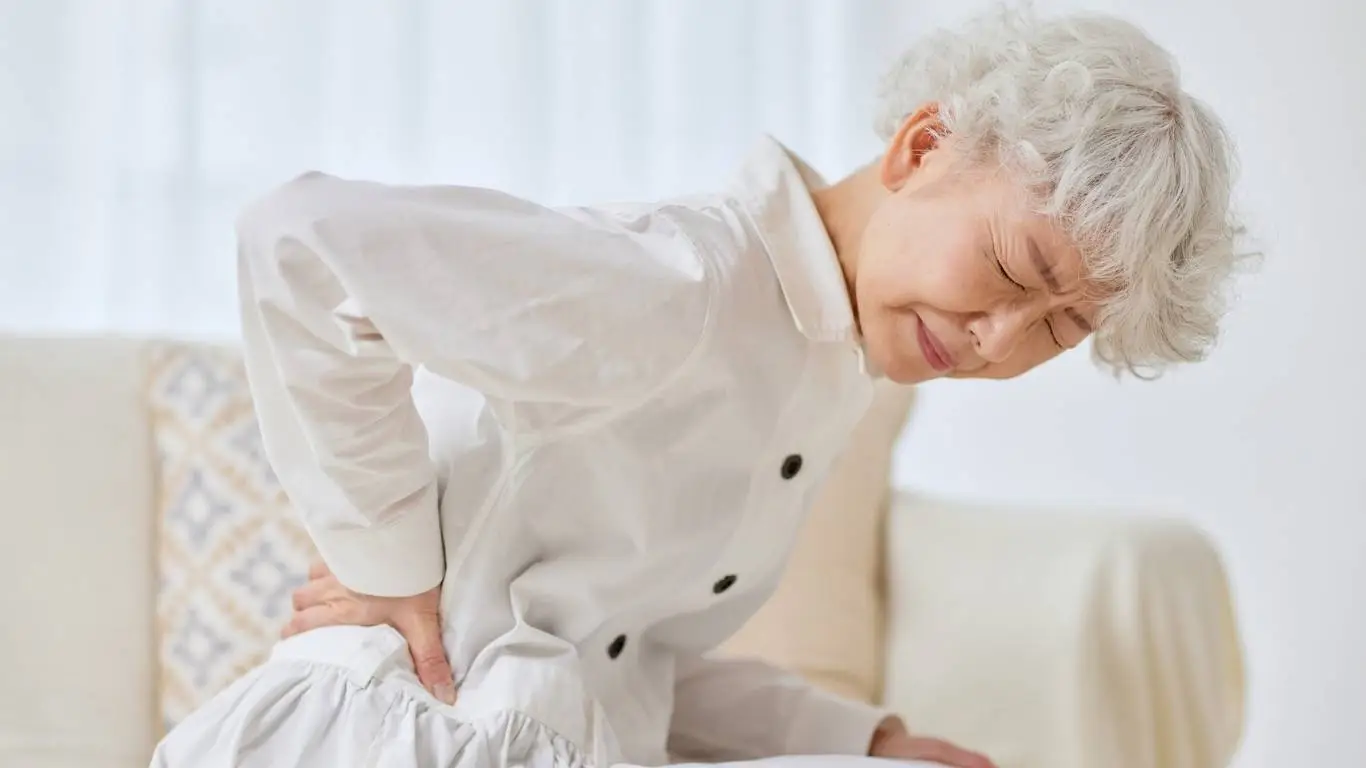
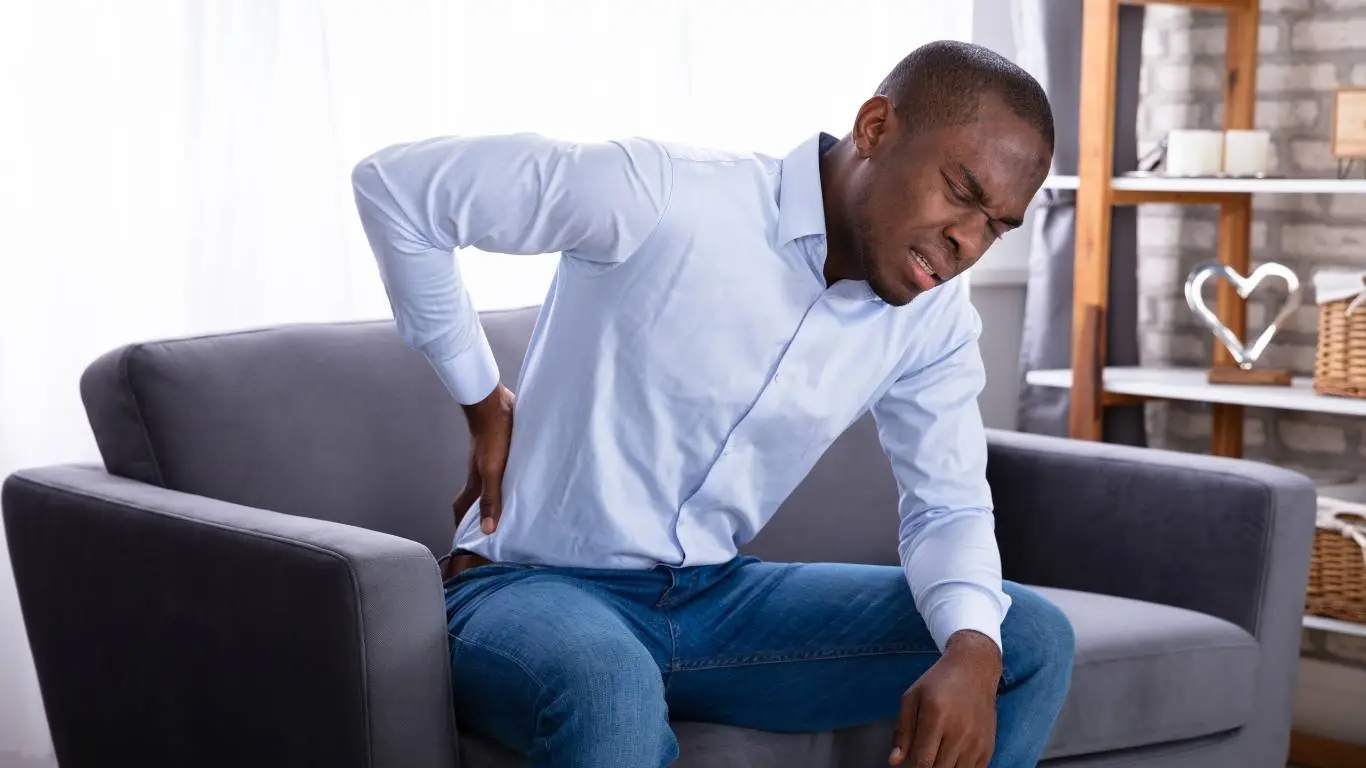
When you drink too much water in a short period, your body doesn’t always respond kindly. Overhydration can throw off your electrolyte balance, cause water retention, and even put stress on your kidneys — which sit right at the back, under your ribcage. That dull ache in the lower back? Sometimes, it’s your kidneys letting you know they’re under pressure.
- Kidney strain: Flushing excess water can cause the kidneys to swell slightly, leading to that uncomfortable pressure in the lower back.
- Bladder overload: When your bladder’s constantly full, it can lead to pelvic and lower back tension. I’ve literally felt sore in my lower spine after a long day of “hydrating too hard.”
- Sodium dilution: Hyponatremia, or low sodium levels, can lead to muscle cramps and back pain — and it’s more common than people think, especially among athletes and health enthusiasts.
If this sounds familiar, you’re not imagining things. The body’s balance is more delicate than it seems, and going overboard on something as innocent as water can backfire.
That Bloated Feeling Might Be Doing More Than You Think

Bloated? Welcome to the club. Digestive bloating — especially gas build-up in the intestines — is notorious for radiating pain into the lower or mid-back. The thing is, the intestines aren’t that far from your spine, and when they’re distended, they push against surrounding structures.
Here’s what I’ve noticed: Whenever I eat something that doesn’t sit well (for me, it’s usually too much dairy or legumes), I not only feel pressure in my stomach but also this creeping ache in my back. Turns out, the pressure can affect the lumbar spine and the supporting muscles, especially if you’re also dealing with constipation.
Common Culprits of Bloating-Related Back Pain
- Gas build-up in the intestines
- Constipation or irregular bowel movements
- Gut inflammation or food sensitivities
- Poor posture during bloating episodes
Many of these issues cause unexpected lower back pain, which is often misdiagnosed as muscular strain or even kidney issues when it’s actually gastrointestinal.
What the Science Says (and What You Should Know)

There’s not a massive amount of mainstream coverage on this specific connection, but clinical discussions have started recognizing the overlap between gastrointestinal issues and back pain. According to NIH, abdominal distension can cause mechanical pressure on the spine and surrounding nerves.
Meanwhile, Cleveland Clinic notes that bloating-related distension in IBS patients often includes radiating back pain — especially in the lower spine. It’s all connected: our core muscles, spine, and internal organs live in a pretty tight neighborhood.
My Personal Fixes That Helped
From personal trial and error, here’s what worked for me when tackling back pain from overhydration or bloating:
- Smart hydration: I now sip water throughout the day rather than chugging a huge amount at once. Balance is everything.
- Mindful eating: Avoid foods that trigger gas or inflammation. For me, that’s onions, beans, and too much dairy.
- Gentle yoga: Movements like child’s pose or spinal twists help release tension caused by bloating.
- Magnesium-rich foods: Help with digestion and muscle relaxation — spinach, pumpkin seeds, and dark chocolate (yes, that counts!).
If you’re dealing with recurring symptoms, check out this deeper dive into the many hidden causes of back pain. It’s more common than we think for internal issues to manifest as muscular discomfort.
When to Get Help (Seriously, Don’t Ignore It)
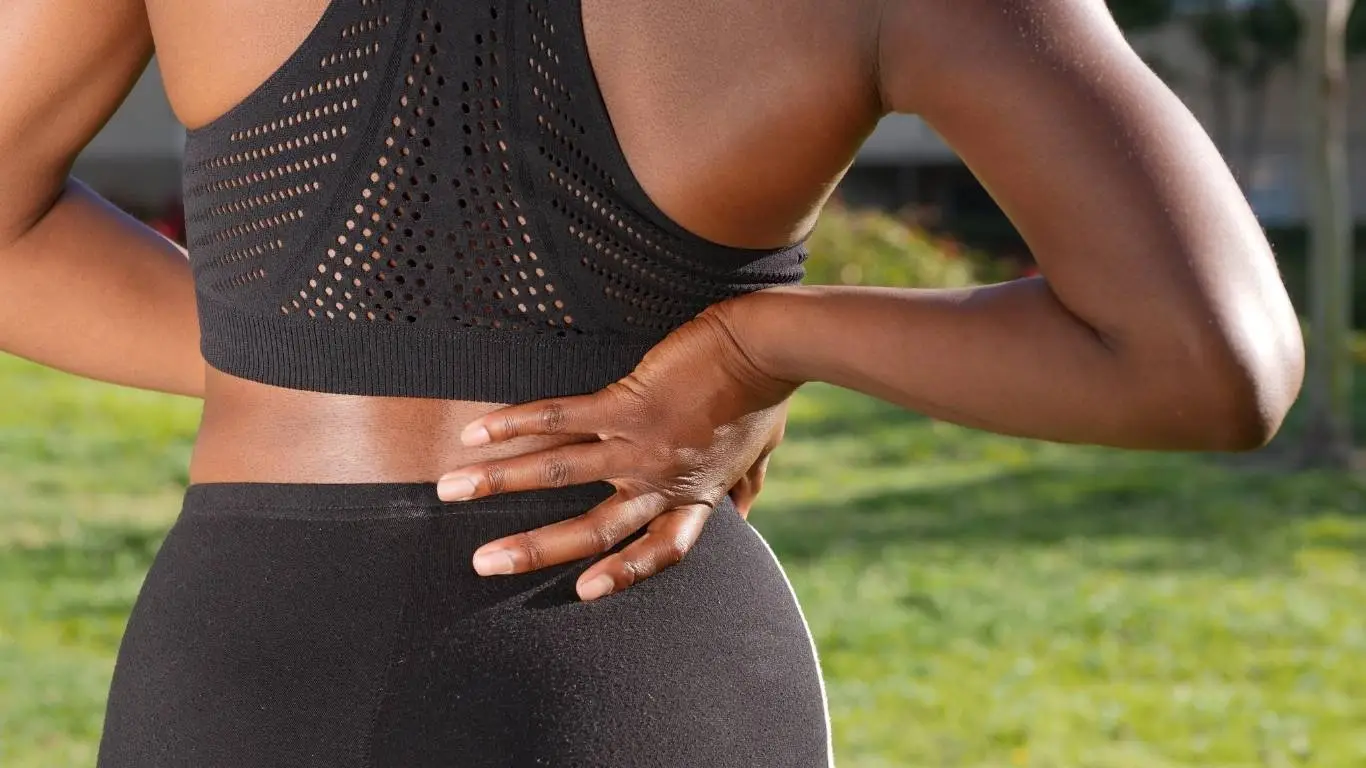
If back pain persists beyond a day or two after bloating episodes or heavy hydration, don’t just self-diagnose. There could be underlying issues like kidney infection, urinary retention, or even abdominal inflammation that needs proper treatment. I once ignored bloating-related back pain only to find out it was masking a mild kidney infection. Lesson learned.
If you’re still trying to make sense of your symptoms, this guide to back pain symptoms and diagnosis is incredibly helpful for ruling things out — or in.
Also worth checking out is the main overview on back pain, especially if your symptoms span different areas or come with other warning signs.
How to Fix It: Practical Relief for Back Pain from Bloating or Overhydration
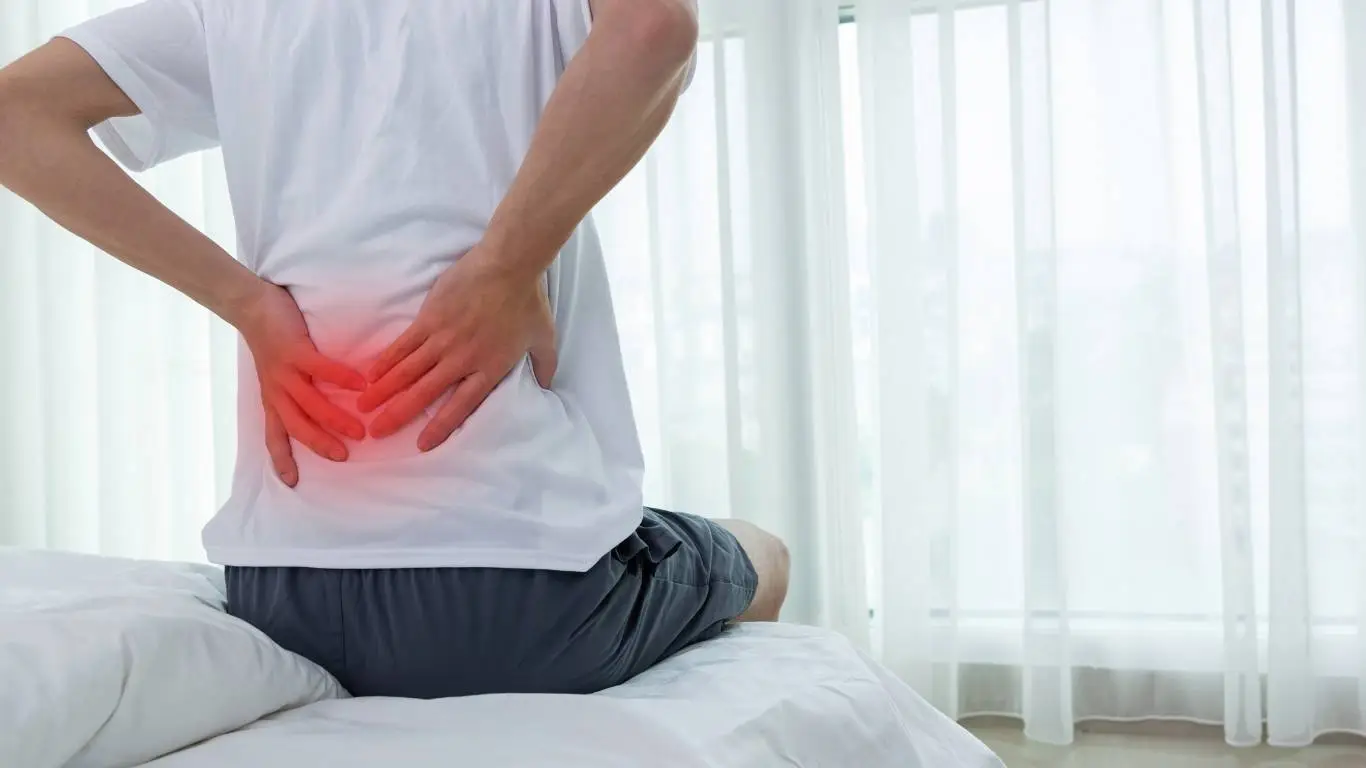
Okay, so the back pain from drinking too much water or feeling bloated is real — but what can you actually do about it, right? The good news is that with a few smart habits (and maybe skipping that third sparkling water), you can keep your spine and belly on speaking terms.
For me, it was about consistency. Not some wild treatment plan, just small tweaks that made a big difference.
1. Hydrate Smarter, Not Harder
Instead of pounding water first thing in the morning or during workouts, I started spacing my intake across the day. Using an app actually helped — and I realized I was often overdrinking due to the belief that “more is better.” It’s not. Too much water too fast just ends up stressing your kidneys and bladder.
Also, I’ve started pairing my hydration with electrolytes — even a pinch of Himalayan salt in warm water goes a long way. This helped prevent that odd back tightness I used to feel after overhydrating. If you’ve been chugging water to “detox,” check out how kidney-related issues can sneak up — especially if pain persists.
2. Gut Health = Back Health
This one took me a while to connect. But once I started taking care of my gut (think probiotics, fiber, cutting back on artificial sweeteners), my bloating episodes reduced dramatically — and so did the associated back discomfort.
I started incorporating fermented foods (like kimchi and kefir), walking after meals, and avoiding that midday latte (sorry, oat milk bloats me). If bloating is a regular issue for you too, especially after certain meals, this could be your game-changer. Muscle imbalances also play a sneaky role when bloating causes us to slouch or compensate in posture.
Best Exercises That Genuinely Help

If I had to recommend just a couple of moves to ease the discomfort, these would be it:
- Child’s Pose: Stretches the lower back and relieves pressure caused by internal gas or digestive cramps.
- Knees-to-Chest: A classic for a reason — helps with both digestion and spinal decompression.
- Pelvic tilts: Great for gently mobilizing the lumbar spine without aggravating anything.
- Walking: I underestimated this. A quick 10-minute walk after eating keeps digestion moving and prevents bloating buildup that can tug on your back.
More structured movement routines like these yoga poses for back pain helped me maintain flexibility and reduce flare-ups.
Supportive Tools That Actually Work
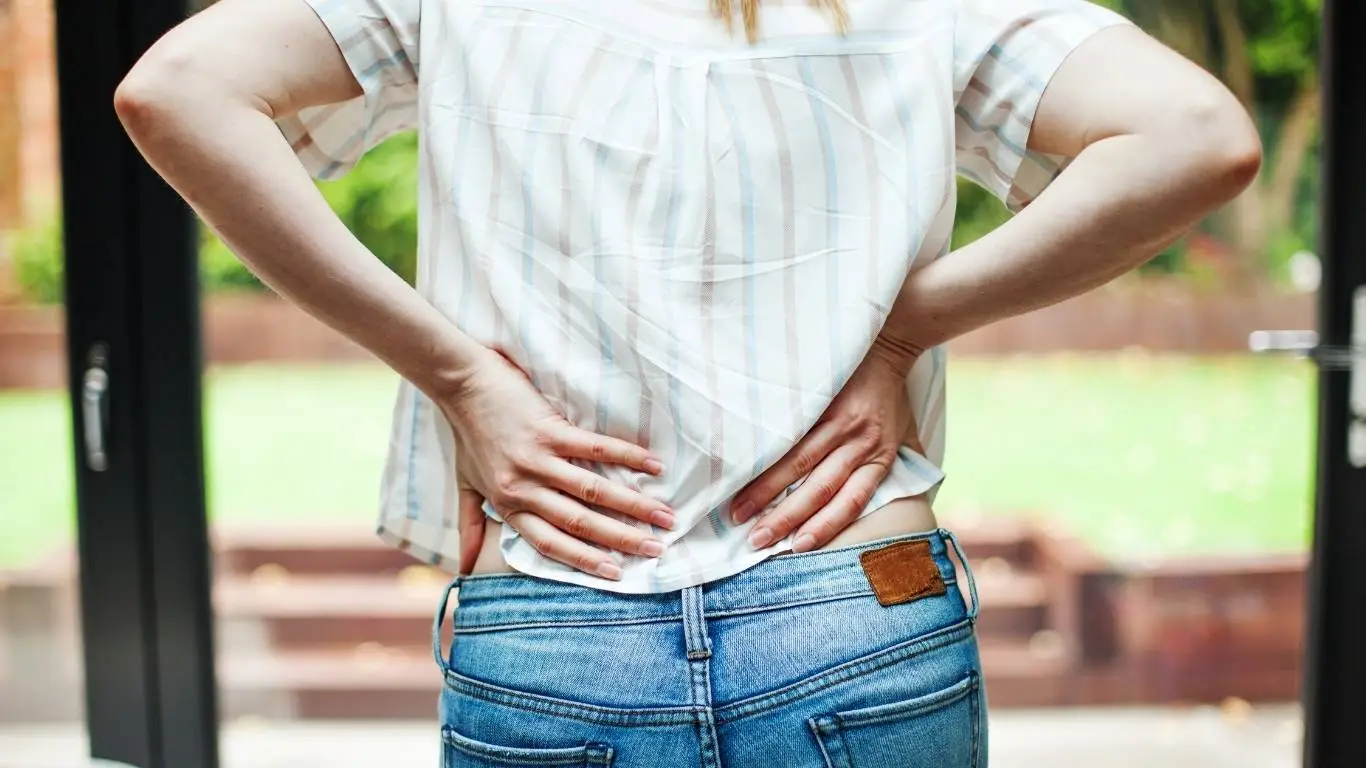
Here’s what made a noticeable difference for me when the pain kicked in:
- Heating pad: Perfect when bloating-induced cramps radiate into your back. I use it for 15 minutes lying down with knees bent.
- Lumbar support cushion: If you’re stuck at a desk job, this can help maintain your spine’s natural curve, even when your gut is acting up. I use this one from Healthusias’ lumbar support guide.
- Digestive enzymes: Took me a while to trust supplements, but enzymes before heavier meals worked wonders — and spared my back in the process.
When Things Get Persistent or Weird
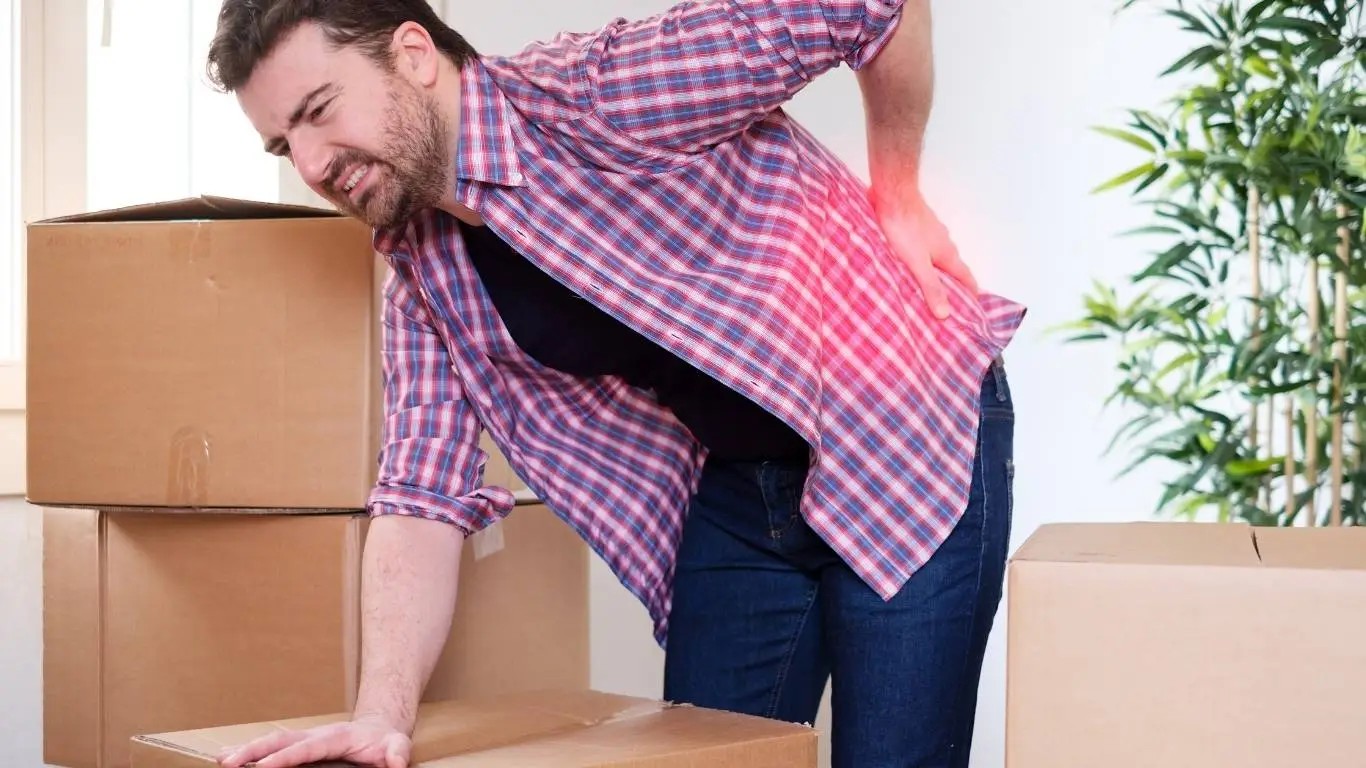
If your back pain keeps showing up after eating or drinking — especially in the same spot — it’s not something to just “walk off.” Sometimes, what seems like bloating-related pain could be a deeper spinal or joint issue. Or worse, it could mask signs of a kidney infection, endometriosis, or digestive inflammation.
Keep an eye out for:
- Sharp, stabbing pain rather than dull aches
- Pain that doesn’t go away with posture changes
- Back pain with fever or nausea
In those cases, don’t mess around. Getting the right diagnosis early matters. This comprehensive symptoms and diagnosis guide is a great place to start before seeing a pro.
The Lifestyle Connection: What You Do Daily Matters

One of the biggest breakthroughs for me was realizing that my “minor” habits were quietly feeding into the problem:
- Eating too fast: Swallowed air = bloating = pressure on the lower back.
- Sitting too long: Especially with bad posture after eating — basically inviting discomfort.
- Late-night snacking: Led to poor digestion and weird back twinges in the morning.
I started shifting dinners earlier, using a standing desk occasionally (see this post on standing desks), and giving myself short walk breaks after meals. It wasn’t a huge lifestyle overhaul — just smarter choices.
Where to Dig Deeper
If this kind of pain is affecting your day-to-day and you’re done guessing, I highly recommend exploring the broader picture through lifestyle and natural back pain relief strategies. Also, don’t miss the big-picture breakdown in the main back pain resource — it ties everything together with actionable insights.

Camellia Wulansari is a dedicated Medical Assistant at a local clinic and a passionate health writer at Healthusias.com. With years of hands-on experience in patient care and a deep interest in preventive medicine, she bridges the gap between clinical knowledge and accessible health information. Camellia specializes in writing about digestive health, chronic conditions like GERD and hypertension, respiratory issues, and autoimmune diseases, aiming to empower readers with practical, easy-to-understand insights. When she’s not assisting patients or writing, you’ll find her enjoying quiet mornings with coffee and a medical journal in hand—or jamming to her favorite metal band, Lamb of God.