Why Floaters Appear During Eye Muscle Exercises And How To Handle Them
So there I was, lying on my yoga mat, halfway through a guided eye muscle exercise session — you know, those slow, circular eye rolls your optometrist insists on after screen-heavy days. And then it happened. Tiny floating specks, like translucent squiggles or ghostly shadows, started drifting across my vision. At first, I thought it was just some dust or maybe I was imagining things. But it kept happening. Every. Single. Time. Turns out, I’m not the only one who’s noticed floaters showing up during eye muscle exercises. And if you’re in the same boat, let’s dig into what’s going on.
Why Floaters Appear During Eye Muscle Exercises
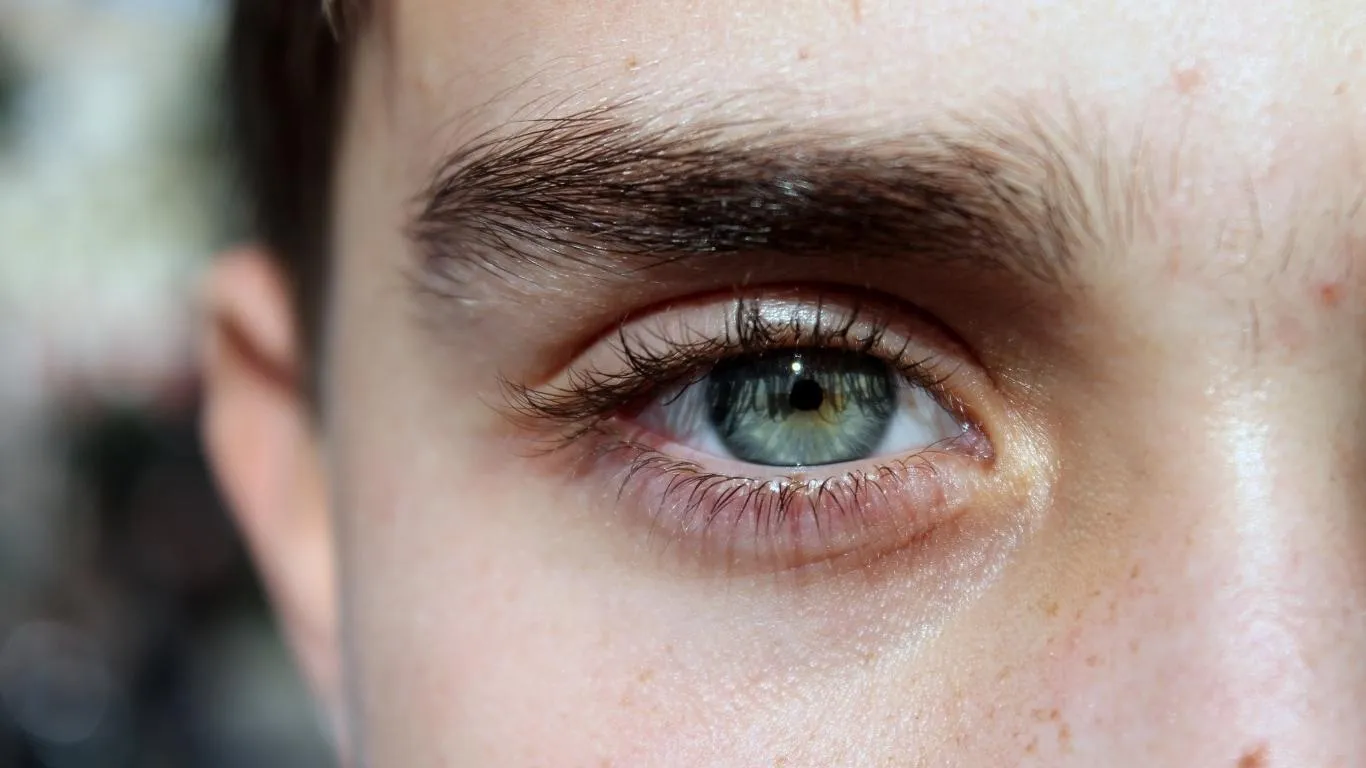
Floaters aren’t exactly new to most people, especially if you’ve hit your 30s or spent half your life squinting at screens. But when they show up right in the middle of something as simple as moving your eyes around? That’s next-level annoying.
When you perform eye muscle exercises, your eyes move in directions they don’t usually go. These movements can shift the vitreous humor — the gel-like substance inside your eye — just enough to make those tiny clumps of protein or collagen drift into your field of vision.
And here’s the kicker: even if you’ve had floaters for years, the controlled, repeated motion of muscle exercises makes them more noticeable. It’s like stirring a snow globe. Things that were floating quietly in the background suddenly become impossible to ignore.
But Are Eye Muscle Exercises Causing More Floaters?
Not exactly. The exercises themselves aren’t creating new floaters, but they might reveal ones you hadn’t noticed before. If you’re suddenly spotting them after eye rolls or focus drills, it’s likely because the motion highlighted their presence — not because something’s wrong.
Still, not all floaters are harmless. If you’re noticing a sudden increase, or floaters that come with flashes of light or blurred vision, it might be more serious. For instance, some people experience floaters after head trauma or retinal changes. Check out this piece on why floaters after head trauma may persist — especially useful if your floaters started post-injury.
What Your Eye Anatomy Has to Do with It
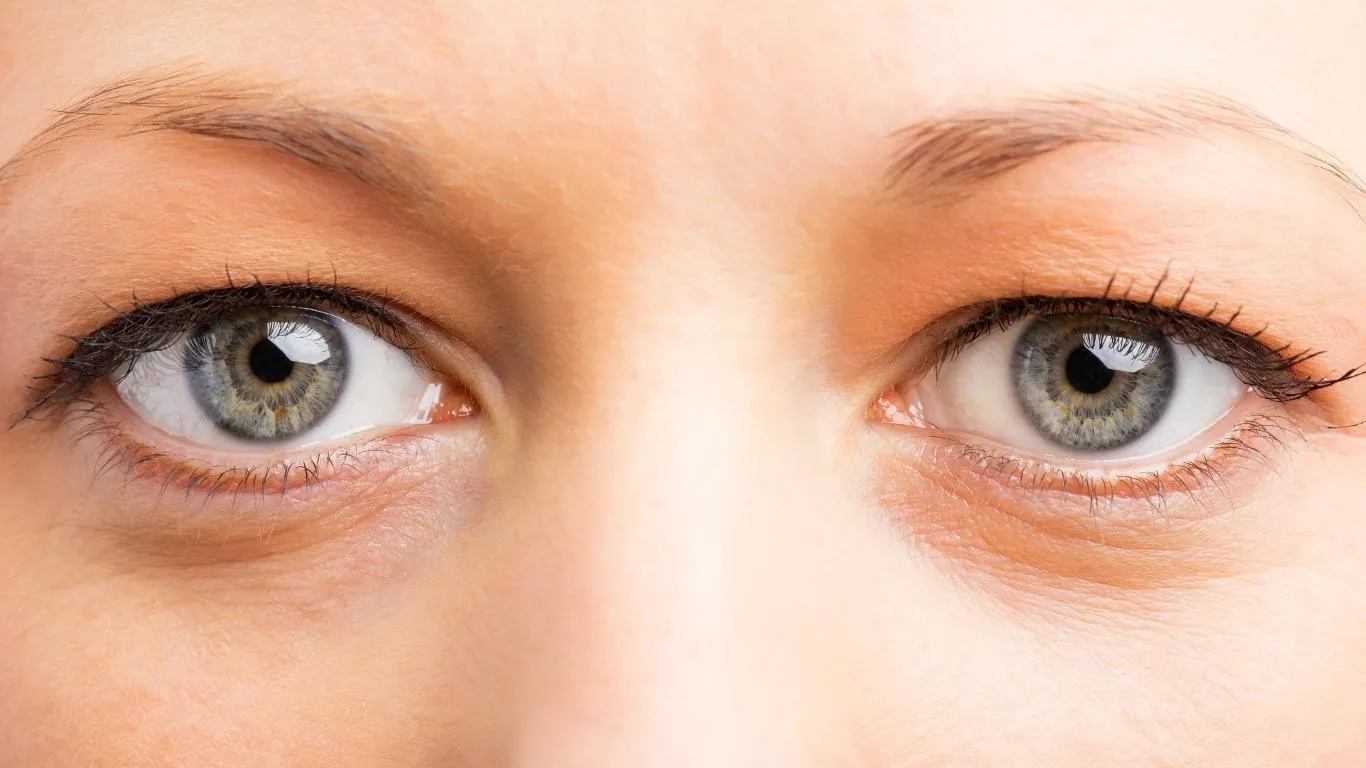
Inside your eye, there’s this clear jelly called the vitreous. Over time, it starts to shrink and become more liquid. This is a completely natural aging process called vitreous syneresis. When that happens, tiny collagen fibers can clump together, casting shadows on your retina that you see as floaters.
When you move your eyes rapidly — like during muscle workouts — these clumps can shift and float more freely, making them easier to spot. That’s why some people find their floaters seem to follow their gaze or become more prominent in motion-heavy exercises.
Want a deeper dive into this? The article on why floaters linked to vitreous syneresis can disrupt your vision explains it beautifully.
My Experience with Floaters During Daily Eye Drills
I started doing eye muscle workouts during a digital detox phase (yes, it lasted a whole two weeks — shocking). Every morning, I’d do a series of simple routines: figure-8s, near-far focus switches, and deep blinking resets. They felt great… except for the part where those floaters started photobombing my vision.
Some days they were faint, almost invisible. Other times, especially under bright white walls or the morning sun, they danced across my view like annoying gnats. At one point I even wondered if I was mistaking these floaters for post-workout vision fatigue. Spoiler: I wasn’t.
Turns out, floaters that become more visible when tired or after eye strain are super common. And if you’re coupling that with eye muscle exercises, you’re basically setting the stage for them to make a bold appearance.
When Should You Be Concerned?
Here’s the honest truth — in most cases, floaters aren’t dangerous. But that doesn’t mean you should always ignore them.
- If they appear suddenly and in large numbers
- If you see flashes of light
- If a shadow or “curtain” starts creeping into your vision
These could be signs of something more serious, like a retinal tear. Check out the full breakdown in the Healthusias article on floaters before a retinal tear.
What You Can Actually Do About It
Alright, so you’re seeing floaters during your eye exercises. What now?
- Don’t panic. Seriously. If they’ve been around a while and aren’t suddenly multiplying, it’s probably nothing dangerous.
- Reduce intensity. Try softening your eye movements. Instead of rapid drills, ease into slower transitions. That can minimize vitreous disturbance.
- Hydration matters. Dehydration can make floaters seem worse. Believe it or not, there’s an entire article on how dehydration makes floaters worse.
If you’re really bothered by them, especially if they’re impacting your concentration or comfort during your workouts, it might be time to explore more structured treatments. Check the comprehensive guide on treatments for eye floaters for legit options ranging from watch-and-wait to surgery.
For a solid foundation on all things floaters — including causes and what’s normal — you might want to read the main guide on eye floaters. It’s a great primer.
Supplements and Nutrients That Might Help (No Magic Pills, Though)
I used to think floaters were just something you “live with,” like taxes or slow Wi-Fi. But over time, I learned nutrition plays a bigger role than I expected. While no vitamin will instantly erase those dancing specks from your sight, certain nutrients can support overall eye health and possibly reduce how noticeable floaters are.
Some people swear by lutein-rich foods and omega-3 fatty acids. I started adding more leafy greens, carrots, and walnuts into my diet. It didn’t make the floaters vanish, but it honestly helped my eyes feel less strained — especially after long work days followed by evening eye workouts.
Check this out if you’re curious about the best foods rich in lutein or need a rundown on how omega-3 may reduce floaters.
Popular Supplements People Use
- Vitamin C and E – Antioxidants for eye protection
- Magnesium – Linked to reduced eye twitching and visual stress
- Collagen support blends – For vitreous strength (jury’s still out though)
Just be cautious. Some products promise miracle cures for floaters — and honestly, they’re often garbage. Stick with reputable info like this detailed guide on which supplements actually help.
Natural and Home-Based Approaches I Actually Tried
There’s a whole world of home tricks people try to manage floaters. While some of it is definitely more myth than method, a few things worked for me — or at least helped me stop obsessing over the floaters during workouts.
- Lighting control – Overhead fluorescent lights? The worst. Natural light? Much better. Here’s what helped.
- Eye movement breaks – I added “stillness” intervals in between eye movement sets. Helped settle floaters mid-exercise.
- Hydration and posture – Weirdly enough, sitting straighter made a difference. It’s all about fluid circulation and muscle strain.
There’s also an interesting take on eye exercises designed to reduce floaters themselves. While I wouldn’t ditch your eye doc over it, they’re worth a try.
When Professional Help Is the Better Route
If you’ve been dealing with floaters that interrupt your daily routine — or worse, cause stress during activities like driving or sports — you’re not overreacting. It’s worth talking to a specialist. The modern treatments range from observation to advanced laser or surgical solutions.
Floaters from exercise movements might not need intervention, but if they’re worsening or paired with symptoms like dizziness or peripheral vision blur, don’t wait it out. Read up on treatment options here.
There’s also a chance you’re dealing with more than just floaters — especially if your eyes feel dry, irritated, or light-sensitive after eye workouts. Could be a compounding factor like dry eye syndrome or post-visual strain. Learn more at this link.
What the Experts Say — and Why It Matters
Several ophthalmologists I’ve spoken with said the same thing: floaters that show up during eye movement are common, and not necessarily a red flag. But if there’s ever a dramatic shift — like hundreds appearing at once or combining with pain or blurriness — get checked.
One doctor pointed me to the role of posterior vitreous detachment (PVD). It’s one of the most common causes of persistent floaters and can be triggered by simple movement, stress, or — you guessed it — eye exercises. Especially after age 40.
That article’s a must-read if your floaters have been intensifying, particularly after any kind of activity involving eye tension or movement.
Things I Wish I Knew Sooner
If I could rewind a few months, here’s what I would’ve told myself:
- Floaters during eye exercises are often harmless — but notice the pattern.
- Hydration, posture, and proper lighting make a surprising difference.
- Don’t chase every online remedy. Stick with what’s backed by science and specialists.
- Track the changes. A floaters journal (yes, I have one) helped me spot trends — like worse floaters after poor sleep or dry air.
If you’re looking for clarity (literally and figuratively), start with the core guide on what causes floaters and how to understand them better.
And if you’re serious about learning when floaters cross from “mildly annoying” to “get this checked ASAP”, dive into when floaters are dangerous.
This journey through floaters during eye muscle workouts started out frustrating, but with the right info, I learned to manage it — and you can too.

Camellia Wulansari is a dedicated Medical Assistant at a local clinic and a passionate health writer at Healthusias.com. With years of hands-on experience in patient care and a deep interest in preventive medicine, she bridges the gap between clinical knowledge and accessible health information. Camellia specializes in writing about digestive health, chronic conditions like GERD and hypertension, respiratory issues, and autoimmune diseases, aiming to empower readers with practical, easy-to-understand insights. When she’s not assisting patients or writing, you’ll find her enjoying quiet mornings with coffee and a medical journal in hand—or jamming to her favorite metal band, Lamb of God.