Why Floaters Noticed Only At Certain Angles Can Be Frustrating
Ever catch those weird squiggly things drifting in your line of sight—but only when you tilt your head just right or stare at a bright wall from a particular angle? Yeah, me too. I used to think it was dust or maybe just my imagination. But when those floaty little shadows started popping up more often—especially during afternoon walks or while reading under sunlight—I figured it was time to dig into what’s actually going on. Turns out, I’m not alone. A lot of people notice floaters only at certain angles, and that’s not just a coincidence. There’s more to it than meets the… well, eye.
Why You Only Notice Floaters at Certain Angles
First off, what you’re seeing are tiny clusters of collagen or gel-like material floating in the vitreous—the clear gel that fills your eyeball. They move as your eye moves, but they don’t shift at the same speed. And depending on how the light hits your eye, they can be nearly invisible… or annoyingly obvious.
Light, Contrast, and Background Matter
Floaters tend to stand out more when you’re looking at a bright, plain background. Think white walls, blue skies, or even a glowing computer screen. It’s the contrast that makes them pop. So when you’re sitting by a window with sunlight pouring in or scrolling through your phone in a well-lit café, you’re setting the stage for those floaters to take center stage.
- Bright, direct light can illuminate the vitreous body, making floaters cast visible shadows on your retina.
- Head or eye tilt changes the position of the floaters relative to your retina and light source.
- White or clear backgrounds offer the perfect “screen” for floaters to reveal themselves.
Why They’re Invisible at Other Times
In dim environments or when you’re looking at complex, patterned backgrounds—like your messy desk or a forest trail—your brain doesn’t register floaters as easily. It’s kind of like how you don’t notice a smudge on your glasses until the sunlight hits it just right.
Does It Mean Something’s Wrong?
For most of us, floaters are harmless and just a part of getting older. The vitreous gel starts to liquefy and shrink, and little clumps form. But when you only notice them at angles, it usually means they’re floating in a spot that doesn’t affect your central vision—until your gaze shifts or light hits just right.
Still, if you suddenly see a lot more floaters, or they come with light flashes or a curtain over part of your vision, it’s time to act fast. These can be signs of retinal detachment. Learn more about warning signs of floaters linked to retinal tears.
It’s Not Just an Aging Thing
Sure, age plays a big role. But floaters showing up at certain angles can also be connected to other issues. I spoke to an optometrist once who mentioned that high myopia (yep, I’m nearsighted too) can make floaters more common and noticeable. Turns out, it’s true. If you’ve got strong prescriptions, your eyeball is slightly longer, which speeds up those vitreous changes.
Floaters can also become noticeable after eye trauma, dehydration, or even stress. I once had a string of floaters pop up after a week of late nights and too much coffee—no kidding. Here’s a more detailed dive on how stress might actually trigger floaters.
Eye Movement Plays a Role
Have you noticed that floaters seem to vanish when you stare straight ahead but appear the second your eyes dart to the side? That’s because they’re not fixed in one spot—they float. And depending on the angle of your gaze, they either move out of your direct vision or drop right into it.
Should You Be Concerned?
Most of the time, floaters are more annoying than dangerous. But anytime there’s a change—like new floaters that only show up in one eye or a sudden storm of them—it’s worth a professional checkup. It’s not just about peace of mind; it’s about protecting your vision long-term.
One often-overlooked cause of floaters showing up more often at odd angles is how your posture or head position affects them. Ever been lying flat on your back and suddenly catch one drifting into view? That’s not a coincidence.
Related Vision Issues Worth Checking
- Why floaters appear only in bright rooms
- Why white backgrounds make floaters more visible
- Could sinus issues be making your floaters worse?
Managing Floaters When They Show Up at Angles
While there’s no magic fix, a few tricks can help manage the visibility of floaters—especially if they love showing up during certain head or light positions:
- Change your lighting: Diffuse light sources or softer ambient lighting can reduce floater shadows.
- Use sunglasses: Polarized shades help reduce glare and contrast outdoors, making floaters less noticeable.
- Stay hydrated: Some experts believe dehydration thickens the vitreous, making floaters more visible. Staying hydrated might help minimize their impact.
- Diet and supplements: Foods rich in antioxidants—especially lutein and vitamin C—may support eye health over time.
If you’re looking to understand more about how to manage floaters holistically, this guide on natural remedies for floaters is a great place to start. And for a full deep dive into what floaters really are, don’t miss this foundational article on eye floaters.
Want to explore further causes? This breakdown on common reasons behind floaters is especially insightful.
When Floaters at Certain Angles Start to Disrupt Daily Life
Let’s be real—there’s a difference between the occasional floater and the kind that interrupts your concentration mid-conversation. I’ve had moments where I’m reading something or trying to focus on someone’s face, and BAM—out of nowhere, this ghostly string floats across my vision. The annoying part? It only shows up when I shift my head slightly or look into bright light. It feels like playing a weird visual hide-and-seek.
It’s especially noticeable when I’m driving during the day. If the sun is at a certain angle or light bounces off the dashboard, those floaters become front and center. If you’ve been through similar situations, you know it can be more than a minor nuisance. Floaters that only appear at certain angles can mess with your focus, and over time, impact your productivity, especially if you do a lot of reading, screen work, or outdoor activities.
Are You Seeing More Floaters—or Just Noticing Them More?
Here’s something interesting: You might not be developing more floaters—you might just be noticing them more often. I learned that during a follow-up with my eye doc. Certain angles amplify the shadows those floaters cast on your retina. So even if the floater count hasn’t increased, they seem more visible simply because of how your environment is lit or how your head is positioned.
This phenomenon is more common than you might think. According to the American Academy of Ophthalmology, floaters can become more noticeable during certain activities, even if there’s no underlying progression of eye issues. They especially mention floaters being a major complaint among people with high visual demands, like graphic designers, students, or anyone glued to screens for hours.
What Might Be Making These Angled Floaters Worse?
There are a few culprits that may be amplifying your floater visibility—and many of them caught me off guard:
- Eye strain: Extended screen time without blinking enough dries out the eye surface and may cause you to notice floaters more often. This is especially true when you’re switching focus rapidly or working under bright overhead lights.
- Dehydration: I can’t stress this enough. A few years back, I started tracking my hydration, and on the days I drank less water, my floaters were way more visible. There’s even a deep dive on this: how dehydration worsens eye floaters.
- Stress and poor sleep: This one hit close to home. During a week of intense work deadlines, I barely slept—and boom, floaters seemed to multiply. Not scientifically proven yet, but anecdotally, the connection is too strong to ignore.
- Hormonal fluctuations: Especially during pregnancy or perimenopause. Several women I’ve spoken with noticed that floaters show up more prominently during hormonal swings. Here’s more on why hormonal changes can make floaters worse.
What You Can Actually Do About Them
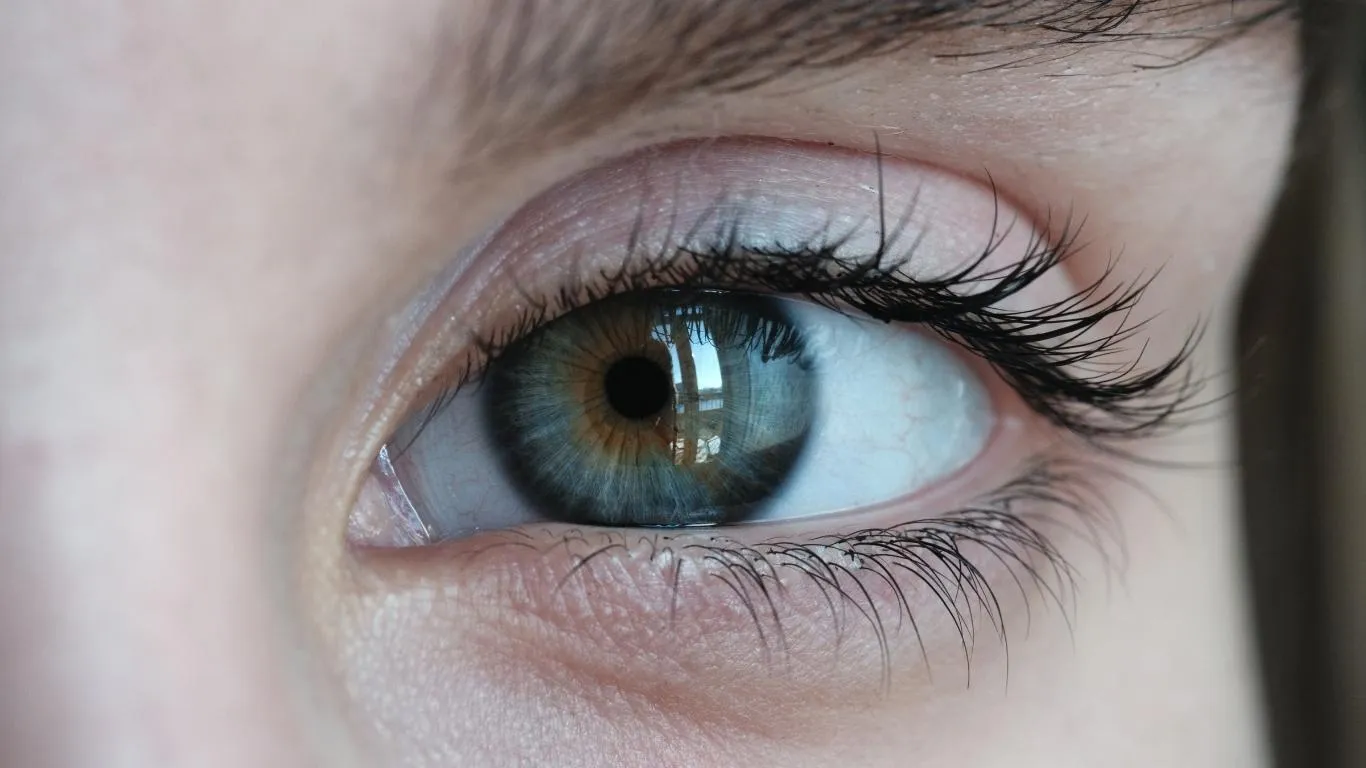
Look, there’s no cure-all for floaters—especially the kind that mess with your line of sight from weird angles—but there are ways to take back a bit of control. I’ve personally tried a few, and while some helped more than others, they’re all worth knowing.
Smart Lifestyle Tweaks
- Shift your environment: I changed my desk setup so light doesn’t hit directly behind me. Diffused lighting can make a huge difference in whether floaters become visible.
- Look around strategically: Sometimes, just glancing side to side or blinking a few times helps move the floaters out of your central vision. It’s not perfect, but it can make reading or driving less irritating.
- Mind your screen time: I now follow the 20-20-20 rule—every 20 minutes, look at something 20 feet away for 20 seconds. It reduces strain and, surprisingly, cuts down on floater annoyance too.
Supplements That *Might* Help
I was skeptical, but after trying a few eye-support supplements (mainly those with lutein, zeaxanthin, and vitamin C), I did notice slightly less visibility. Maybe it’s placebo, or maybe it’s legit—either way, here’s a good list of supplements that seem to help floaters.
For a deep dive on how floaters can affect people with high myopia (like me), check this detailed guide: floaters in high myopia patients.
When It’s Time to See a Specialist

If your floaters are starting to interfere with tasks like driving, reading, or working—and especially if they suddenly multiply or change in shape—don’t put off that eye appointment. You don’t want to gamble with your retina. For instance, floaters accompanied by light flashes could signal something serious like a retinal tear or detachment. There’s a great breakdown on that here: why floaters after trauma might linger.
Ophthalmologists can conduct detailed scans and, in some cases, suggest treatments like laser vitreolysis or vitrectomy. These are usually last resorts, but if floaters are destroying your quality of life, it’s worth asking about. Explore the full treatment spectrum in this guide to eye floater treatments.
One Last Tip That Helped Me a Lot
Surprisingly, yoga and eye exercises brought some relief. It’s not a cure, but it helped reduce how often I noticed floaters by improving eye circulation and relaxation. This was the resource I started with: yoga poses for floater relief.
And if you’re curious to understand everything about where floaters come from, how they behave, and what might be going on behind the scenes, I recommend reading the comprehensive overview from Healthusias: What Are Eye Floaters?
Another valuable resource is this article exploring the deeper warning signs and serious red flags associated with floaters. Don’t wait for symptoms to get worse before taking action.

Camellia Wulansari is a dedicated Medical Assistant at a local clinic and a passionate health writer at Healthusias.com. With years of hands-on experience in patient care and a deep interest in preventive medicine, she bridges the gap between clinical knowledge and accessible health information. Camellia specializes in writing about digestive health, chronic conditions like GERD and hypertension, respiratory issues, and autoimmune diseases, aiming to empower readers with practical, easy-to-understand insights. When she’s not assisting patients or writing, you’ll find her enjoying quiet mornings with coffee and a medical journal in hand—or jamming to her favorite metal band, Lamb of God.