How Road Trip Migraine Triggers Can Ruin Your Travel Plans
There’s something almost magical about hitting the open road — windows down, playlists cranked, snacks in the passenger seat. But for those of us who live with migraines, the idea of a road trip can trigger more anxiety than excitement. I’ve had migraines for over a decade, and while I refuse to let them keep me from exploring, I’ve learned (the hard way) that road trips require strategy, not just spontaneity.
Common Road Trip Triggers That Can Spark a Migraine

Road trips can feel like a sensory overload buffet — bright lights, motion, smells, and stress all bundled together. If you’ve ever returned from a journey feeling wrecked, chances are one (or more) of these common triggers were at play.
1. Bright Sunlight & Glare
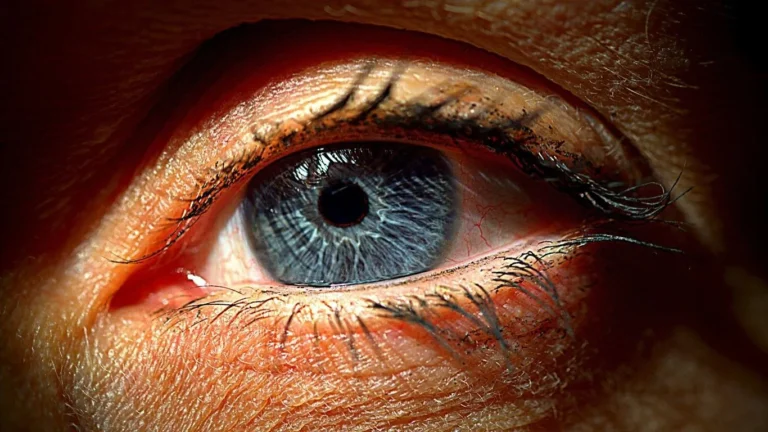
You know that blinding, squinty feeling you get when sunlight reflects off the hood of the car or bounces through the windshield? Yeah, that’s a one-way ticket to Migraineville for me. The combo of intense light and constant focus fatigues the eyes and brain, two key players in migraine onset.
- Polarized sunglasses can help, but even then, sunlight during long hauls is relentless.
- Midday driving is often the worst — try to drive earlier in the morning or closer to dusk.
2. Dehydration Without Realizing It
When you’re stuck in a car for hours, sipping water just… slips the mind. It’s not intentional — it’s just that hydration isn’t top-of-mind when you’re navigating traffic or trying to find a gas station that isn’t terrifying.
I’ve learned to pre-hydrate and carry a bottle that tracks ounces. Once dehydration hits, the migraine creeps in and doesn’t let go. According to National Institutes of Health, even mild dehydration can lead to headaches — and for migraine sufferers, it’s like fuel to a fire.
3. Long Periods of Sitting (Bad Posture)
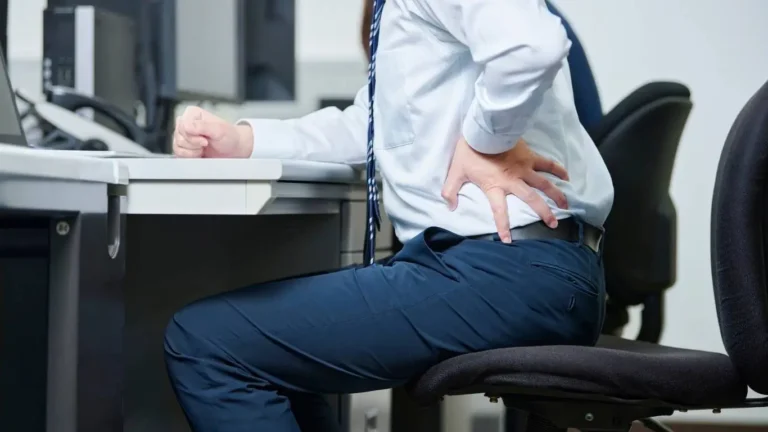
After a few hours, your neck starts to stiffen, and posture turns into a slouch-fest. That tension in the shoulders and neck can directly trigger a migraine. There’s also the migraine-neck pain connection most folks underestimate.
- Pack a travel neck pillow — even the cheap ones help.
- Take stretch breaks every 60–90 minutes.
Unexpected Triggers Most People Miss

4. Scent Overload from Air Fresheners or Snacks
This one caught me off guard once — I grabbed a new air freshener that smelled like “Tropical Sunrise” (whatever that means). Within 30 minutes, I had a pulsating migraine, nausea, and that oh-so-fun feeling of my brain being too big for my skull.
Certain scents — artificial coconut, strong citrus, or overly sweet candy smells — can be potent triggers. Food-related triggers like processed meats, aged cheeses, and even salty chips also join the party if you’re not careful with your snack stash.
5. Erratic Sleep Schedule
Sleep is a big deal. And road trips? They destroy any semblance of a regular sleep rhythm. Between packing, route planning, early departures, and unpredictable stops, your brain doesn’t get the rest it craves.
Sleep disruptions are one of the top neurological migraine causes, and once it starts spiraling, recovery gets harder. Trust me — I’ve made that mistake way too often.
6. Travel Anxiety or Overexcitement
It’s not always bad stress. Even the adrenaline from excitement — counting down to a road trip, planning every stop — can spike cortisol levels and tip the migraine scale. Add in frustration from traffic, bad directions, or tech glitches? Recipe for disaster.
Managing stress may sound like a wellness buzzword, but on the road, it’s literal migraine prevention. A lot of people I’ve talked to benefit from short breathing exercises or calming playlists. I’m personally into guided audio that blends chill music with breath pacing.
How to Migraine-Proof Your Car Ride

Let’s be real — we’re not canceling road trips. But small shifts can lower your migraine risk significantly. Here’s what I’ve found genuinely helpful:
- Keep tinted sunglasses handy — polarized, with UV protection.
- Hydration first: Invest in a large, reusable water bottle with ounce markings.
- Bring neck support and a small ice pack in your cooler just in case.
- Avoid new air fresheners or overwhelming scents altogether.
- Stick to safe foods — ones that you know don’t trigger your migraines.
- Use travel-friendly migraine tools like cooling eye masks or roll-on peppermint oil — some people swear by them.
For deeper info on how migraines are influenced by multiple triggers, check out the migraine triggers pillar article. And if you’re still trying to figure out your unique patterns, the migraine diary guide can really help.
Want to explore broader context beyond road travel? This main overview on migraines and headaches lays a strong foundation.
What I Always Pack to Outsmart a Migraine on the Road

Let’s face it — migraines are unpredictable jerks. You might have the best-prepped road trip plan ever, but if you don’t have your emergency tools, it’s game over. I’ve learned to never — seriously, never — leave without a “migraine kit.” Here’s what I keep in mine:
- Cooling eye mask – Instant relief for the throbbing temple situation.
- Travel-size peppermint essential oil – Dab on temples when that familiar ache creeps in.
- Prescription meds – And yes, I double-check expiration dates before each trip.
- Electrolyte packets – I mix them into water when I feel drained or nauseous.
- Blue light glasses – Especially helpful if I’m checking maps or my phone a lot.
- Soft earplugs – For unexpected noise or if we’re stuck sleeping somewhere sketchy and loud.
For more migraine-friendly products, the migraine relief devices guide goes into some seriously useful tech — including wearables that have helped some of my migraine-prone friends.
How to Manage a Migraine When You’re Already on the Road

Here’s the thing: even with perfect planning, sometimes a migraine still crashes the road trip. And it sucks. But there are ways to keep it from escalating into a full-on shutdown.
Know When to Pull Over
I’ve pushed through migraines before while driving — huge mistake. If visual aura or nausea hits, it’s not just painful, it’s unsafe. Whether you’re the driver or passenger, make it a rule: if migraine symptoms hit, stop. Pull over, recline your seat, and close your eyes for 10–15 minutes. Let your brain catch up.
Apply Cold & Block Out Light
Cold therapy helps more than I ever expected. A soft cold pack across the forehead, plus a hoodie or scarf to block light, can buy you time to recover. I stash one in a mini cooler just in case.
Use Medication Wisely
Don’t wait too long. Once the migraine is in full swing, even strong meds struggle to work. I keep my triptans handy in the front pouch of my bag — not buried in the trunk. For OTC options, this breakdown of over-the-counter migraine relief helped me better understand my options.
Travel Tech That Makes a Difference

Not all gadgets are gimmicks. Some are genuinely game-changing. I never thought I’d be someone who tracks their migraines with a smartwatch, but honestly? It helps me notice patterns before I even feel symptoms. Here are a few tools worth looking into:
- Smartwatches – Some track sleep, hydration, and stress levels in real time.
- Nerivio – This FDA-cleared wearable helps block migraine signals and has an app.
- Cefaly – A headband device that stimulates nerves to reduce migraine frequency.
For a deeper breakdown on how these work, the Nerivio review and other migraine tech tools are pretty insightful.
Building a Road-Ready Routine That Works for You

The best defense? A routine that’s flexible but proactive. I don’t mean some strict migraine manual — more like a rhythm that respects your triggers without making you feel like a fragile robot.
Here’s what’s worked for me:
- Drive earlier in the day — I avoid the blazing afternoon sun and late-night fatigue.
- Snack smart — I skip the salty chips and go for trail mix or bananas (bonus: potassium helps).
- Hydration breaks — I set a phone reminder to sip water every hour. Sounds silly, works wonders.
- Rest stops aren’t optional — I stretch, breathe, even walk a bit. Your muscles (and brain) thank you.
And when all else fails, I remind myself — it’s okay to take a break. Migraines don’t care if you’re on a timeline. Being kind to yourself is actually part of the treatment.
If you’re looking for longer-term strategies, migraine prevention methods go beyond just trip prep and can really change your daily quality of life.
Also worth a read: the full understanding migraines guide — it dives into the why behind the triggers, which helped me finally stop blaming myself.

Bianca Nala is a compassionate Nurse Practitioner with a strong background in primary and respiratory care. As a health writer for Healthusias.com, she combines her clinical expertise with a talent for clear, relatable storytelling to help readers better understand their health. Bianca focuses on topics like asthma, COPD, chronic cough, and overall lung health, aiming to simplify complex medical topics without losing accuracy. Whether she’s treating patients or writing articles, Bianca is driven by a single goal: making quality healthcare knowledge accessible to everyone.