Red Flags That Signal Long-Term Relationship Anxiety Is Draining You
For a long time, I brushed off the unease I felt in my relationship. I chalked it up to overthinking or being “too sensitive.” But the tightness in my chest before date nights, the dread before serious conversations, and the obsessive thoughts about where things were going—those weren’t just passing emotions. They were red flags of long-term relationship anxiety that I didn’t have the words for back then. If you’re in a committed relationship and feel like you’re constantly on edge or doubting yourself, it’s not just you. This kind of anxiety is more common than most people think—and it doesn’t always look dramatic. Sometimes, it hides in plain sight.
1. Constantly Needing Reassurance

When you’re deep into a long-term relationship, it’s normal to want to feel loved and secure. But if you find yourself asking “Do you still love me?” or “Are we okay?” way more than feels healthy, it could be more than just seeking connection—it might be anxiety speaking. This chronic need for emotional confirmation can wear down both you and your partner.
Ironically, the more reassurance you need, the less secure you feel. It becomes a cycle. One that’s not only mentally draining, but also emotionally destabilizing. Research by APA shows that chronic reassurance-seeking is one of the top markers of relationship anxiety.
2. Overanalyzing Every Little Thing
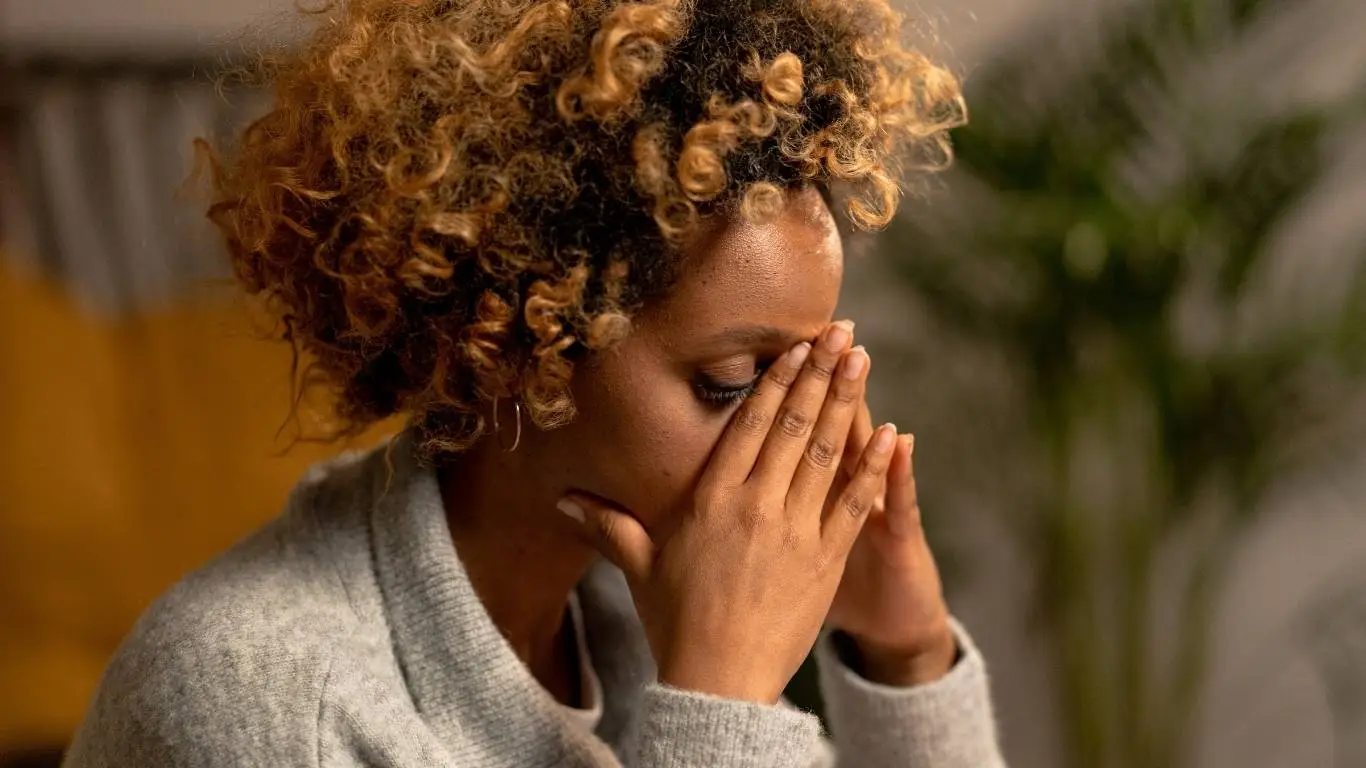
Ever spent hours replaying one sentence your partner said, trying to find a hidden meaning? Been there. I used to obsess over texts like, “Talk later.”—I’d convince myself something was wrong. This kind of overanalysis is a red flag that your anxiety is pulling the strings.
It doesn’t just make you feel mentally exhausted. It can create misunderstandings where there are none. Experts warn that this pattern of cognitive distortion quietly chips away at emotional intimacy, especially when it’s paired with avoidance of direct conversations.
3. Fear of Abandonment or Being “Too Much”

If you’re constantly worried that your partner will leave or think you’re a burden, you’re not alone. One of the most painful signs of long-term relationship anxiety is the internal fear that you’re not enough—or worse, too much.
This fear often stems from early life experiences. If you grew up in a home where love felt conditional, that might be quietly shaping your adult relationships. I realized my own childhood wounds were resurfacing when I read this eye-opener on childhood trauma’s link to adult anxiety.
4. You Avoid Discussing the Future
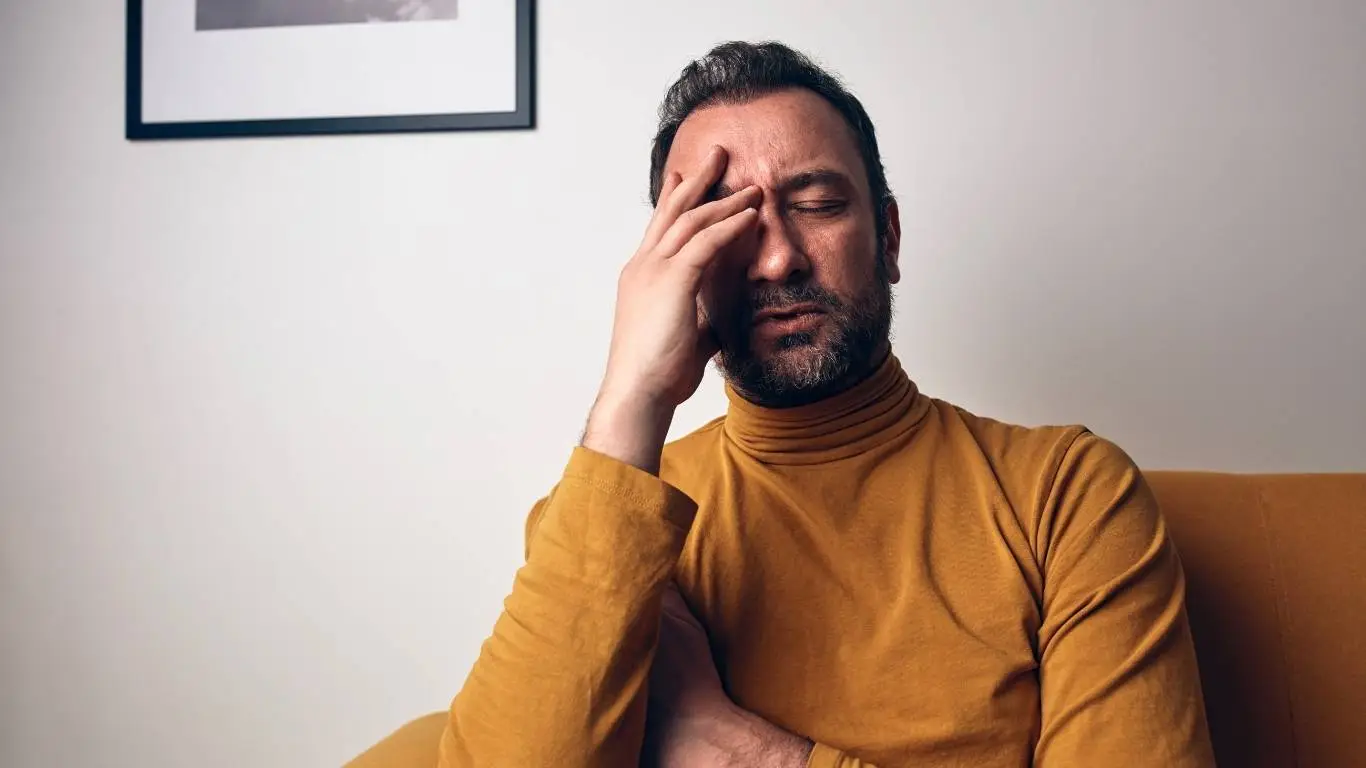
This one hit me hard. Planning a vacation, talking about moving in, even simple stuff like family gatherings would send me spiraling. I’d dodge the topic or minimize it, all while my heart raced with imagined scenarios of conflict or failure.
This isn’t just indecisiveness. It’s anxiety steering the ship. If you find yourself emotionally shutting down or changing the subject every time the future comes up, it may be a sign your nervous system feels unsafe. Addressing it early can prevent long-term damage.
5. You Feel Guilty for Having Needs
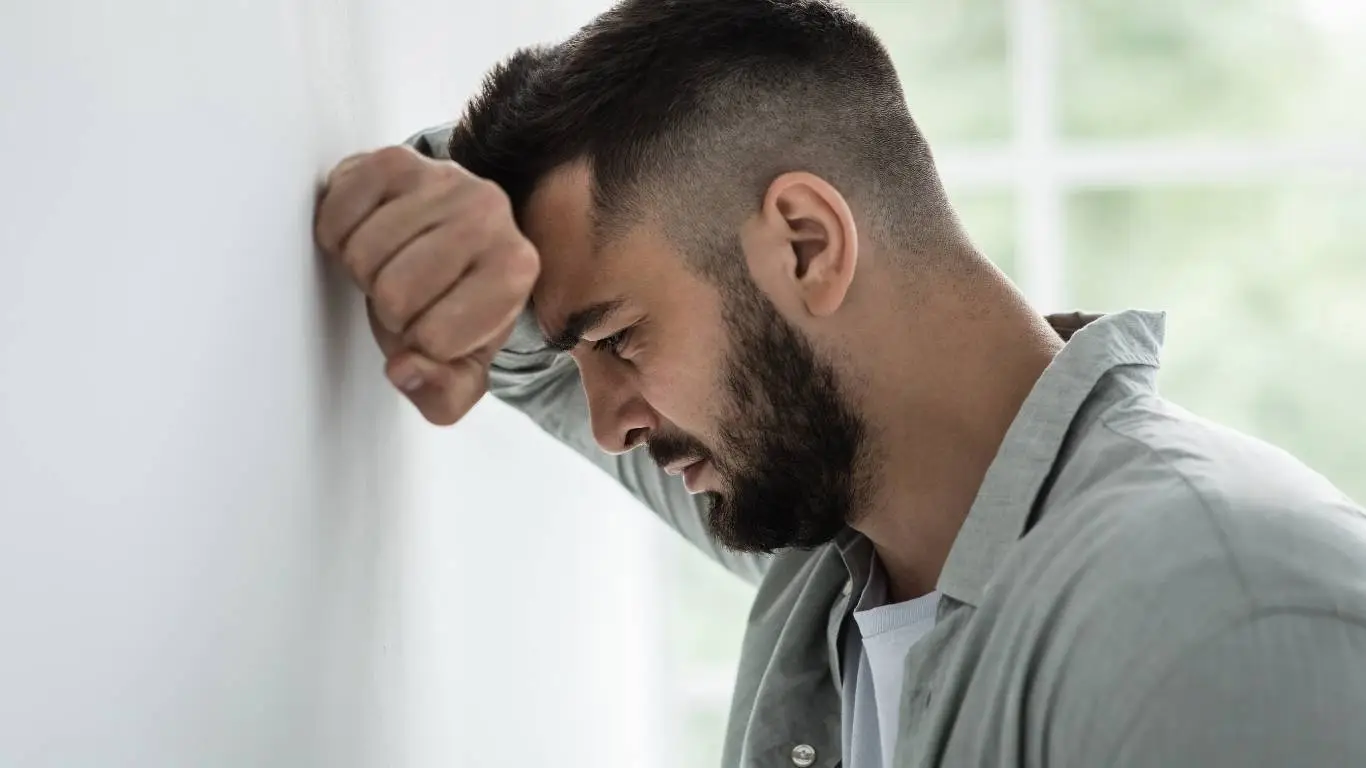
Healthy relationships require emotional reciprocity. But if anxiety is in play, expressing your needs can feel terrifying. I used to rehearse even the simplest requests in my head dozens of times—terrified that I’d sound demanding.
This constant second-guessing of your own needs often leads to emotional suppression, which builds resentment over time. According to a breakdown in this insightful piece on anxiety’s impact on daily functioning, this pattern is more common in people with high-functioning anxiety who tend to “perform” stability while emotionally crumbling inside.
6. You Feel Emotionally Exhausted After Interactions

If conversations with your partner often leave you drained—not because of conflict but because of internal turmoil—it’s a major red flag. Emotional burnout from constant internal tension is a classic symptom of chronic anxiety. And in long-term relationships, that burnout builds silently.
When I came across this piece on how anxiety quietly affects routines, it all clicked. I wasn’t just tired. I was emotionally overdrawn, constantly running on low battery because my mind wouldn’t shut off even during calm moments.
7. You Monitor Their Behavior More Than Your Own

Scrolling through their Instagram to see if they liked someone’s photo. Watching how long they take to reply to texts. Interpreting their tone on a call. This surveillance mode isn’t love—it’s fear masquerading as “awareness.”
While some might dismiss it as insecurity, there’s often more underneath. Many people dealing with obsessive anxiety thoughts find it incredibly hard to relax without having “evidence” that everything is fine. But this constant monitoring drives disconnection and tension over time.
Where to Go from Here?

Recognizing these red flags in your own relationship doesn’t mean it’s doomed. Actually, noticing them is the first step toward healing. For me, understanding the roots of my anxiety—and learning how it impacts the people I love—was transformative.
If you see yourself in these patterns, I highly recommend exploring deeper psychotherapy options tailored to anxiety and relationship dynamics. It helped me unpack years of emotional tension I didn’t know I was carrying.
For a more foundational understanding of how anxiety takes root and affects all areas of life, this main guide on anxiety’s hidden control is a must-read. And if you’re just beginning to uncover the ways anxiety shapes your life and relationships, this deeper dive into root causes is also extremely helpful.
8. You Assume the Worst When They’re Distant
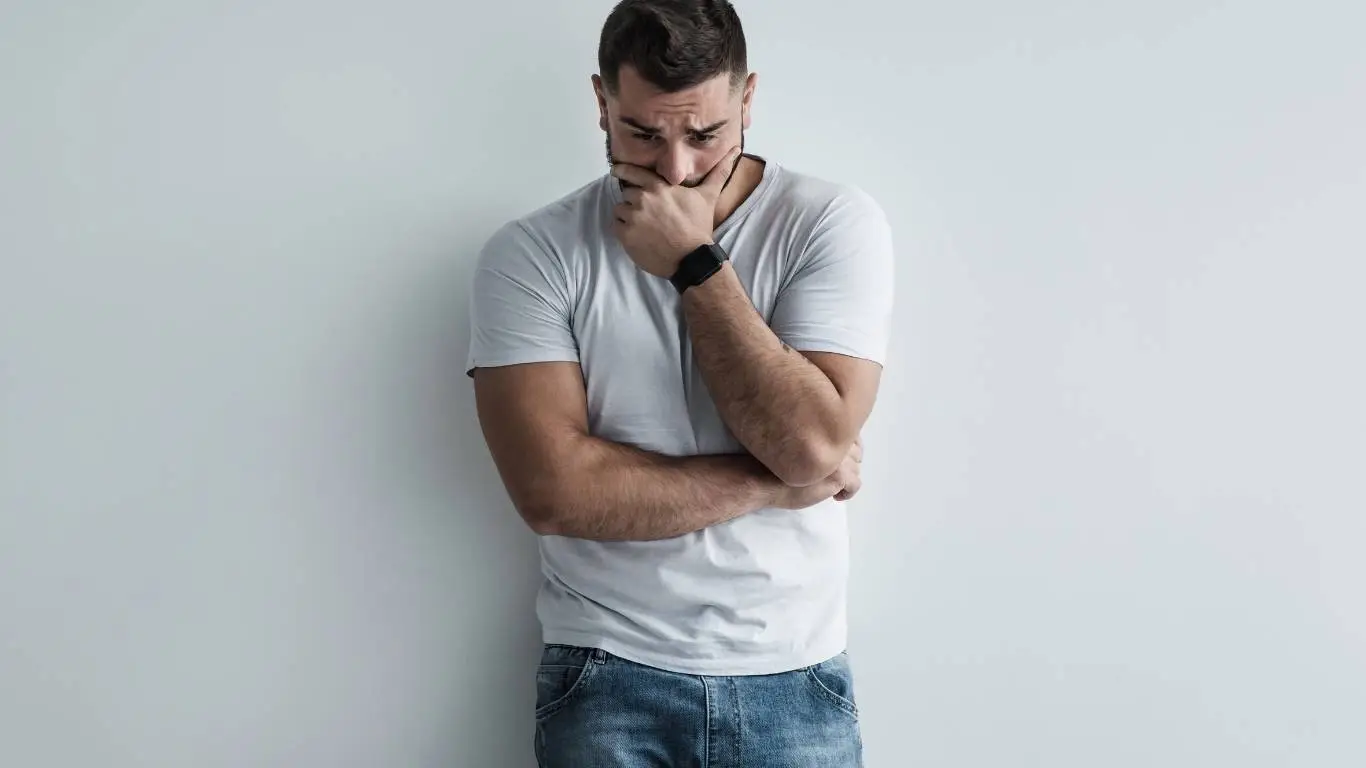
Let’s be real. Not every text delay or quiet moment means your relationship is falling apart. But with anxiety in the mix, even minor changes can set off an emotional alarm. I remember one weekend when my partner didn’t respond for a few hours—I spiraled. Convinced they were losing interest, I nearly talked myself out of the relationship.
This kind of anxious thinking is often linked to intrusive thoughts. They’re not based on facts, but they *feel* real. And without tools to manage them, they’ll keep sabotaging your sense of security—even in the healthiest of relationships.
9. You’re Scared to Be Vulnerable
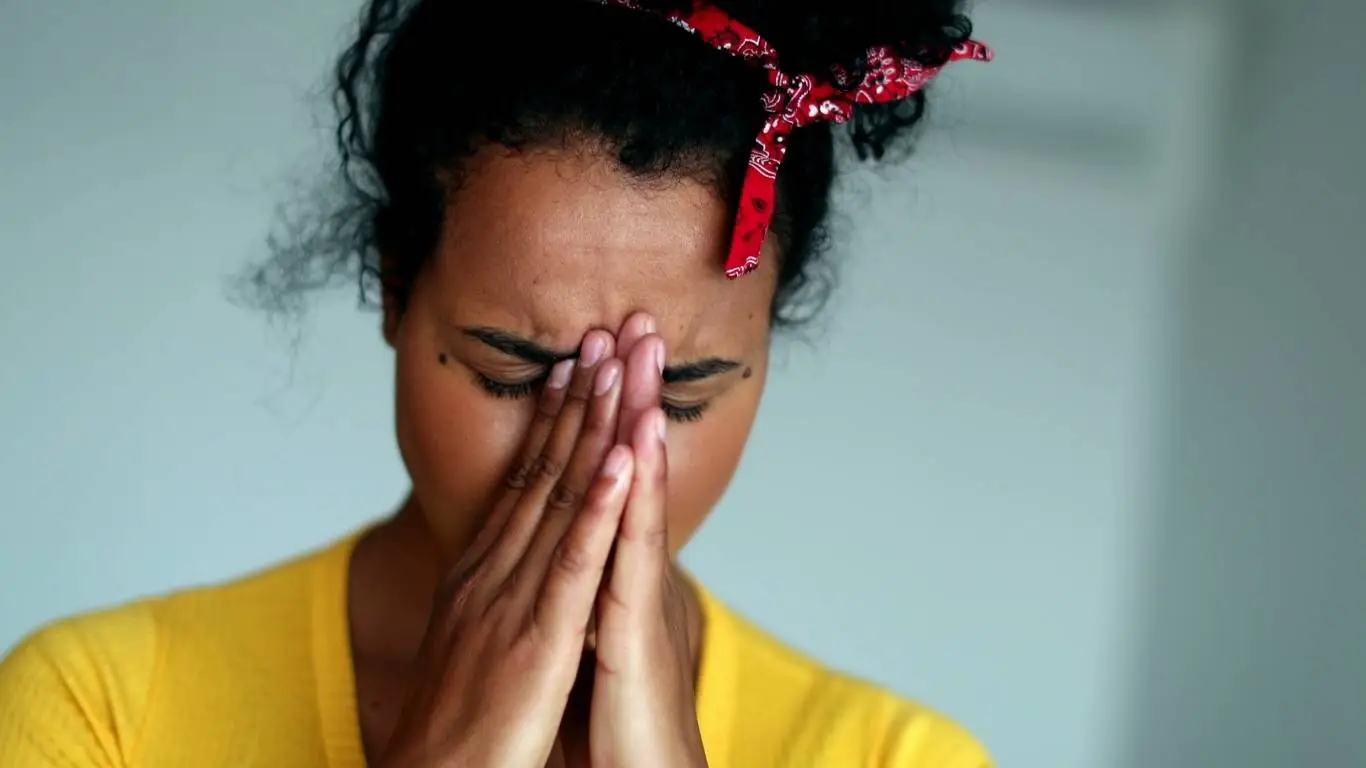
Vulnerability is the foundation of connection, but anxiety turns it into a threat. I used to hide my real feelings behind humor or deflection, terrified that showing my struggles would push my partner away. I was “fine” even when I wasn’t—just to keep the peace.
This fear of being seen can trace back to emotional neglect, attachment wounds, or simply years of masking emotions. In many cases, people fear their emotions will be “too heavy” for their partner. But according to experts from psychologytoday.com, vulnerability, when expressed authentically, can deepen relational trust—if you let it.
10. You Apologize for Your Emotions

I can’t tell you how many times I’ve said “sorry” for simply feeling something. Apologizing for being hurt, frustrated, or confused isn’t healthy—it’s self-erasure. And it’s a classic anxiety response, especially for those afraid of emotional conflict.
If you often say things like “Sorry, I’m being dramatic” or “Sorry, I shouldn’t feel this way,” you may be minimizing your experience. Long-term, that leads to emotional disconnection—not just from your partner, but from yourself.
Setting healthy emotional boundaries and recognizing your right to feel without guilt is a game changer. It was for me.
11. You Feel More Alone in the Relationship Than You Do Outside of It
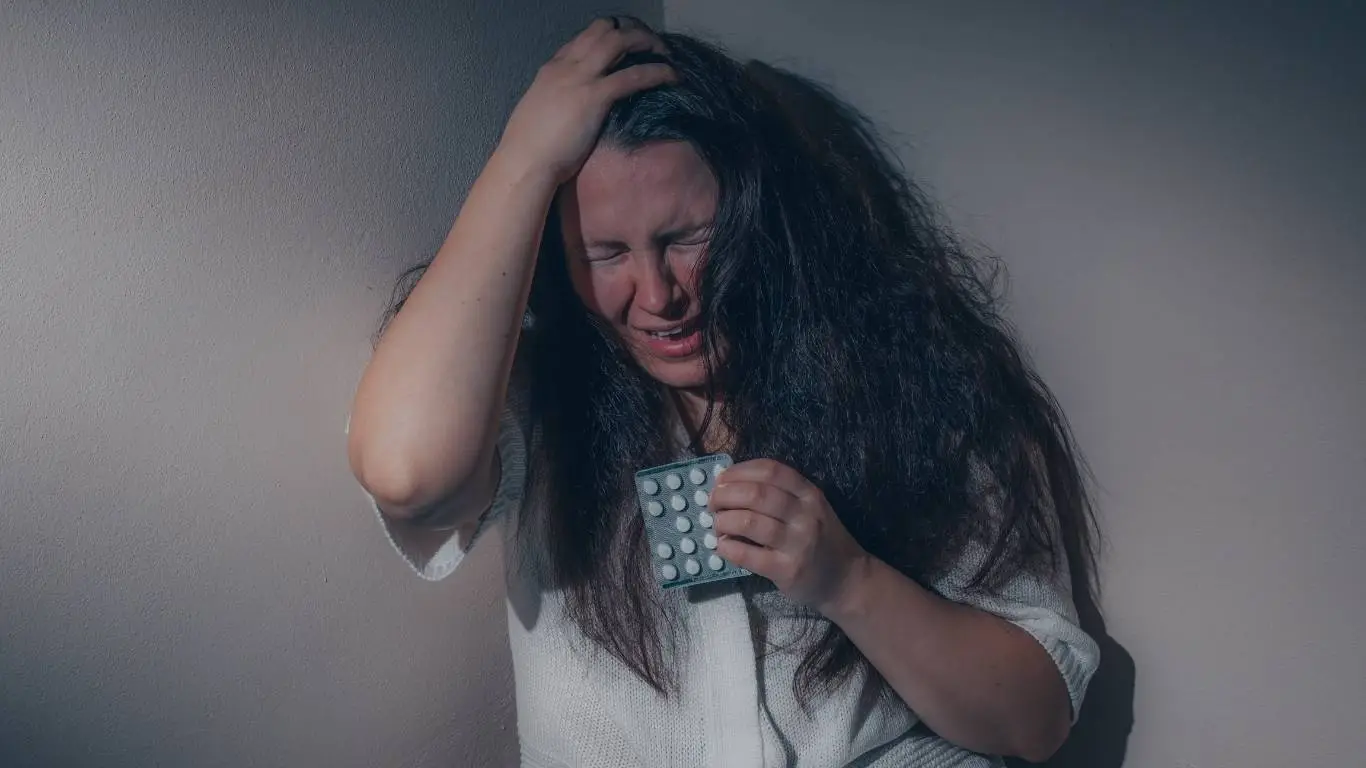
This is one of those painful realizations that sneaks up on you. You’re with someone, but you feel emotionally isolated. You can’t shake the feeling that you’re going through everything on your own—even when your partner is physically present.
I used to think this was just part of being “independent.” But I learned that feeling alone while in a relationship is a huge red flag. Often, it reflects an unmet emotional need or withdrawal pattern linked to anxiety.
12. You Fantasize About Leaving Just to Feel Relief
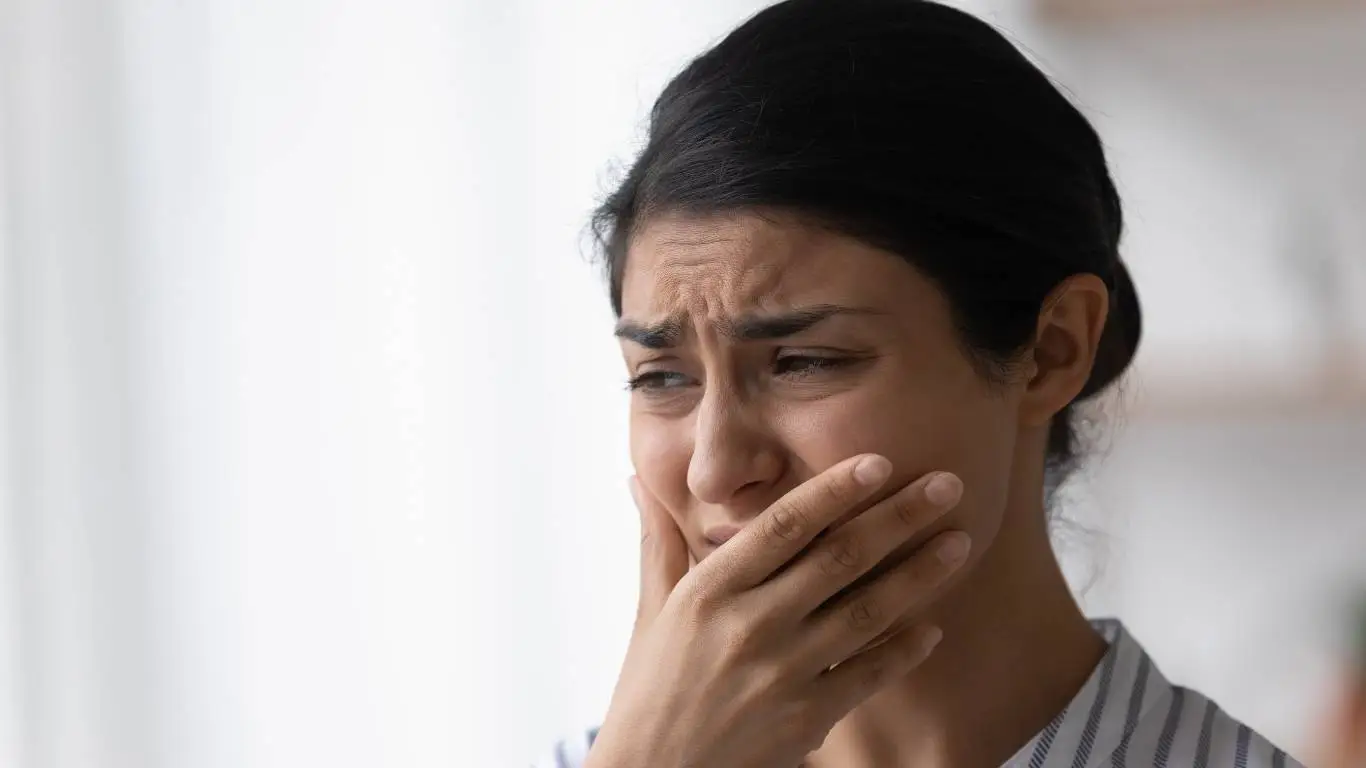
This was hard to admit, even to myself. But sometimes, I’d picture ending the relationship—not because I wanted to be alone, but because I craved emotional peace. It was never about leaving them, it was about escaping my own mind.
This mental escape fantasy is common in people with high-anxiety relationships. It’s not that you don’t love your partner—it’s that your nervous system feels unsafe. Learning how to regulate anxiety internally helped me stop confusing emotional overwhelm with relationship misalignment.
13. You’re Afraid You’ll “Mess It All Up”

If you often feel like you’re one wrong word or mood swing away from losing your partner, that’s anxiety—not reality. I spent too many nights apologizing for simply being tired, grumpy, or quiet. Deep down, I didn’t believe I was worthy of staying loved if I wasn’t always pleasant.
This belief system is exhausting—and incorrect. Real relationships are built to hold space for imperfect, fluctuating humans. If yours isn’t, or if you feel like you’re constantly performing emotional perfection, you’re not in a relationship—you’re in a pressure cooker.
This dynamic is unpacked well in this post on emotional performance pressure—which applies far beyond the workplace.
So, What Helps?
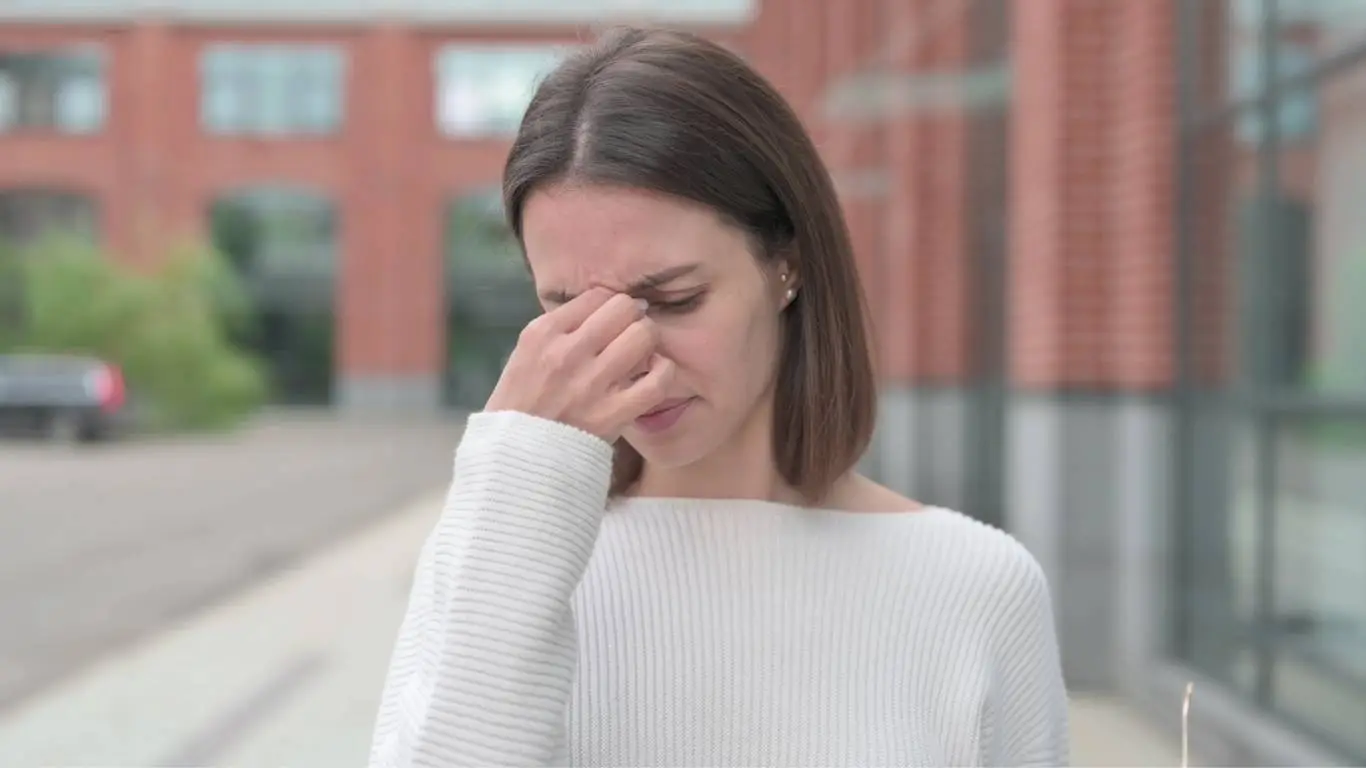
Managing long-term relationship anxiety isn’t about fixing yourself—it’s about understanding yourself. Therapy, mindfulness, somatic work, and real communication were essential in my own healing journey. EMDR helped me reprocess old triggers. Journaling gave my spirals a place to land without judgment. And honest conversations rebuilt trust from the ground up.
If you’re resonating with more than a couple of these red flags, it might be time to explore the deeper layers. One powerful place to start? Understanding the different types of anxiety that may be quietly showing up in your relationship. This pillar article on anxiety types breaks it down beautifully. I also recommend taking a closer look at how anxiety subtly controls your day-to-day life without you realizing it.

Camellia Wulansari is a dedicated Medical Assistant at a local clinic and a passionate health writer at Healthusias.com. With years of hands-on experience in patient care and a deep interest in preventive medicine, she bridges the gap between clinical knowledge and accessible health information. Camellia specializes in writing about digestive health, chronic conditions like GERD and hypertension, respiratory issues, and autoimmune diseases, aiming to empower readers with practical, easy-to-understand insights. When she’s not assisting patients or writing, you’ll find her enjoying quiet mornings with coffee and a medical journal in hand—or jamming to her favorite metal band, Lamb of God.