Why Minimalist Shoes May Be Increasing Your Low Back Tension
If you’re anything like me, you’ve probably flirted with the idea of minimalist shoes—those sleek, barely-there pairs that promise freedom, better posture, and a more natural stride. I was sold by the hype. But what they don’t always tell you is how transitioning to minimalist footwear can affect your lower back, especially if you’re already dealing with tension or mild discomfort. I learned this the hard way—and I want to help you not make the same mistakes.
Why Minimalist Shoes Are So Tempting
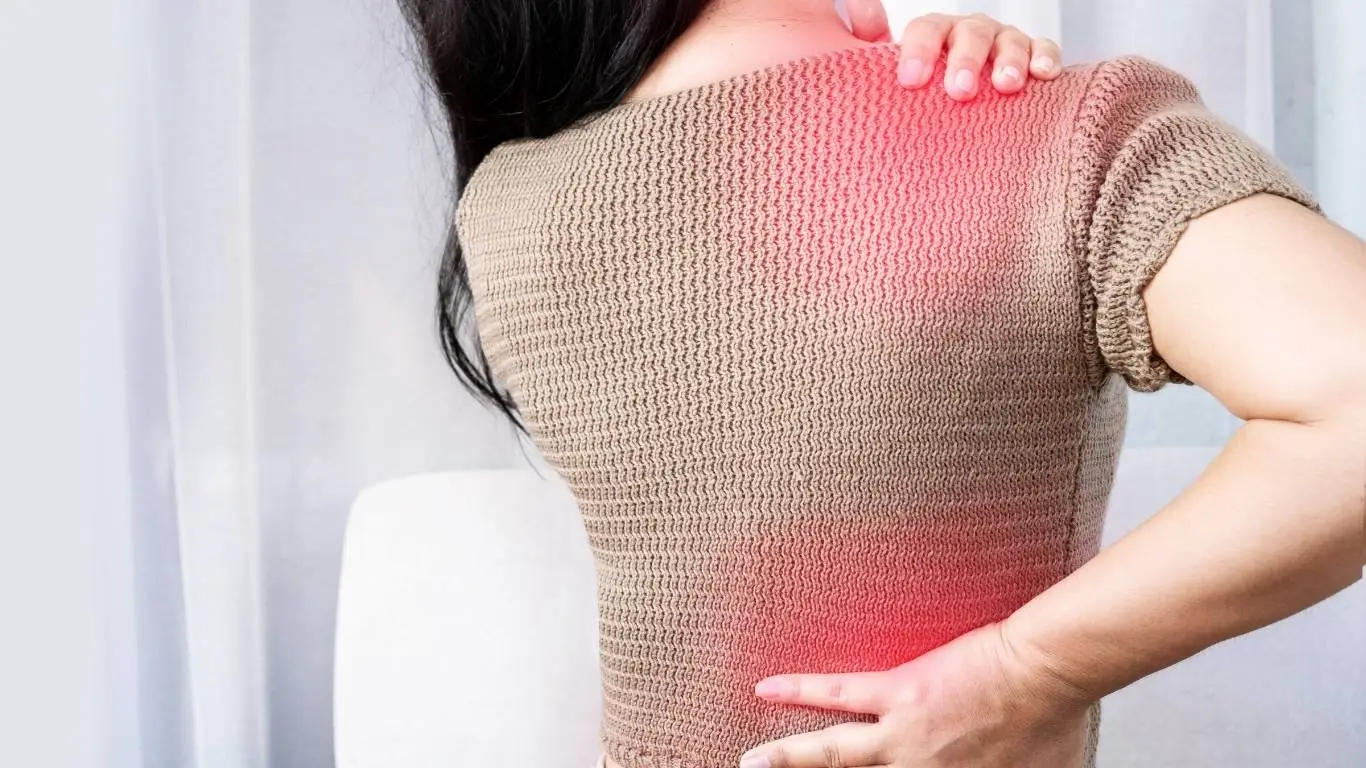
Minimalist shoes have a cult-like following, and for good reason. They’re lightweight, flexible, and mimic barefoot walking. The design encourages natural foot mechanics and strengthens the muscles that most modern shoes baby. But the minimalist movement often skips over the transitional phase—and that’s where problems creep in.
Are They Really Better For Your Posture?
Yes… and no. Minimalist shoes can improve posture over time, but jumping in without prepping your body is like asking a couch potato to run a marathon barefoot. When I first switched, I felt my calves burn and—worse—noticed a creeping tightness in my lower back by week two. Turns out, my body wasn’t ready.
Studies have shown that minimalist shoes promote a more forefoot-strike gait, reducing impact forces at the heel. That’s a win for knees and hips, but your lower back might not appreciate the sudden change unless you strengthen the support muscles first. Even the way your foot hits the ground affects spinal alignment, and if you have weak glutes or tight hamstrings, minimalist shoes can actually make low back tension worse.
- Forefoot striking changes load distribution
- Lower heel drop means more muscle engagement
- Weak posterior chain = more strain on lumbar spine
In fact, I later read how tight hamstrings and back pain are often closely linked. Bingo.
How Minimalist Shoes Might Be Contributing to Low Back Tension
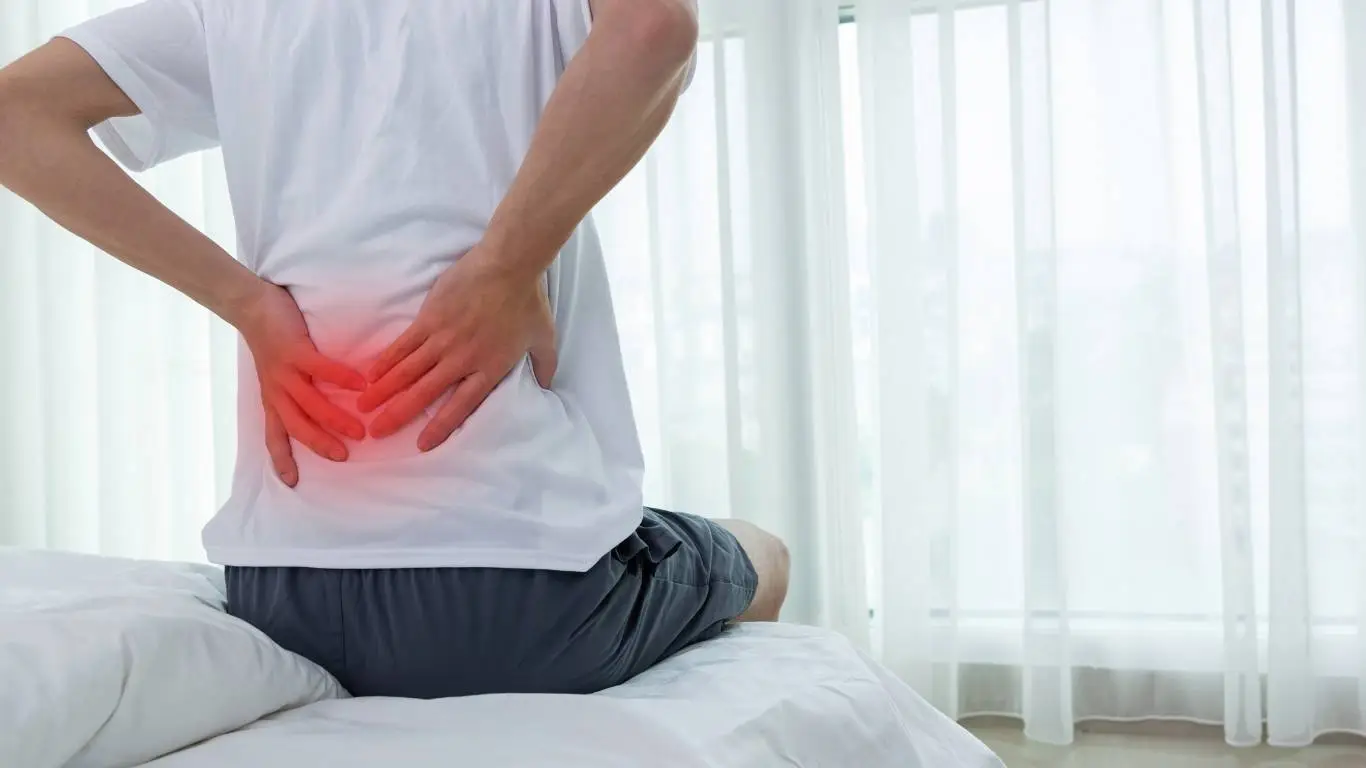
It’s All About the Chain Reaction
Let’s talk mechanics. When you wear minimalist shoes, your foot works harder to stabilize. That changes how the ankle, knee, and hip move—and those shifts trickle all the way up to your lower back. It’s a kinetic chain. If one link is off, another absorbs the stress.
I didn’t know my glutes were underdeveloped until I felt that dull ache in my back after a 3-mile walk in zero-drop shoes. Turns out, weak glutes can sabotage your spine.
The Hidden Culprits: Tight Calves and Stiff Ankles
Minimalist shoes expose weaknesses—especially in mobility. If you have limited ankle dorsiflexion or tight calves, you’ll likely compensate with changes in your pelvic tilt or lumbar curvature. And guess what that leads to? Persistent low back tension. I had no clue my ankles were so locked up until I tried squatting barefoot.
- Check your ankle mobility with a simple wall test
- Stretch your calves and hip flexors daily
- Incorporate glute bridges and banded walks into your routine
There’s a solid write-up about muscle imbalances causing back pain that helped me adjust my training.
How to Transition Safely to Minimalist Footwear (and Spare Your Lower Back)
Start Slow—Seriously
I know you want to toss your old shoes and go full primal, but pump the brakes. I went from cushioned running shoes to thin rubber soles overnight and regretted it. Your feet need time to adapt. So does your spine.
- Begin with short walks on soft surfaces
- Limit minimalist wear to 15–30 minutes a day at first
- Gradually increase as strength and mobility improve
Strength Training Is Not Optional
This is the secret sauce nobody talks about. You can’t just switch shoes and hope your body figures it out. I added specific lower body and core training into my weekly plan and finally started feeling better. Here’s a few moves that helped:
- Dead bugs and bird dogs for core control
- Hip thrusts and step-ups for glutes
- Ankle mobility drills and calf stretches post-walks
If you’re not sure where to start, this collection of yoga poses for back pain gave me a great foundation.
When to Reconsider or Pause Minimalist Footwear

Minimalist shoes aren’t for everyone. If you have chronic back pain, scoliosis, or any history of disc issues, it’s smart to talk with a physical therapist before diving in. I ignored my early warning signs and pushed through—until I couldn’t tie my shoes without back spasms.
There’s a huge difference between adaptation soreness and pain from compensation. Learn to recognize it. Acute vs. chronic back pain matters more than most people realize.
And if you’re still unsure whether minimalist shoes are a good idea for your situation, the guide on symptoms and diagnosis might help you spot patterns that aren’t just coincidence.
More generally, check out the full breakdown of the main causes of back pain for a better big-picture understanding.
For a broader overview of spine health, pain triggers, and practical solutions, the main Back Pain Pillar page is worth bookmarking. You can also explore deeper into related strategies in this exercise and ergonomics guide.
And remember, while minimalist shoes can be part of the solution, they aren’t a magic fix. It’s about how you prepare your body, how you transition, and how you listen to the feedback your spine is giving you.
How Foot Strength and Alignment Influence Your Spine
When I finally began focusing on foot strength—seriously, who even thinks about toe splay or arch engagement?—I started noticing a difference. Minimalist shoes don’t offer much support, so your intrinsic foot muscles do the heavy lifting. If they’re weak or underused, your whole alignment suffers, and yes, your lower back pays the price.
The way your foot hits the ground sends a ripple effect up through your knees, hips, and lower spine. I realized I was overpronating and collapsing inward, causing rotational stress at my lumbar spine. This article on footwear choices and back pain explained exactly what was happening to me.
- Strengthen arches with towel scrunches or toe spreading
- Walk on varied textures—grass, sand, gravel—to build proprioception
- Use toe spacers post-run to realign
Once I incorporated simple drills—think short barefoot balance sessions and slow-motion lunges—I felt a subtle but consistent drop in back tension after walks. Strengthening from the ground up worked.
Why Daily Habits Matter More Than the Shoes Themselves
Here’s something no brand tells you: even the best minimalist shoe won’t fix bad posture, poor mobility, or a weak core. It’s like buying a high-end blender and expecting it to fix your diet. The shoes are a tool, not a solution.
I made a few lifestyle changes that ended up being just as impactful as switching footwear:
- Standing desk with a balance board (way better than slouching in a chair)
- Regular walks after meals, barefoot when possible
- Daily hip mobility drills before bed
Even my work setup changed. I followed tips from this guide on ergonomic office chairs, and paired them with standing breaks to get blood moving again.
Small Shifts, Big Wins
One of the simplest but most effective changes I made was learning how to sleep better for back support. Combined with a few glute activation drills in the morning, the difference was noticeable within days. When you’re not waking up stiff, everything feels more doable.
It’s the combination of movement, rest, and footwear that rewires your body’s patterns. Minimalist shoes are just one part of that puzzle. A powerful one, yes—but not the whole picture.
Don’t Forget the Ground You’re Walking On
Another thing I had to learn the hard way: minimalist shoes + concrete = ouch. They’re great for grass, sand, dirt trails… not so much for unforgiving sidewalks. Hard, flat terrain doesn’t let your feet flex naturally. Instead, it sends impact directly up your spine.
I started mixing surfaces during my walks—some grass, some dirt, minimal pavement. That alone cut my low back tension nearly in half. For anyone stuck in the city, consider rotating shoes based on terrain. Or get creative—use parks, trails, or even grass strips near sidewalks for recovery walks.
This guide on flat feet and back pain opened my eyes to just how much terrain and foot shape matter together.
Use Minimalism as a Tool, Not a Rule
I still wear minimalist shoes almost daily—but now I know when to switch it up. On days when I lift heavy or stand on hard flooring for hours, I opt for hybrid footwear with light arch support. It’s not about “all or nothing”—it’s about listening to what your body’s asking for.
When Minimalist Shoes *Actually* Help Relieve Back Tension

Once your body adapts—and that takes weeks, sometimes months—minimalist shoes can actually *help* relieve back tension. They promote better body awareness, teach you how to walk again (seriously), and restore your connection with the ground beneath you.
Here’s when I noticed a shift:
- Improved foot-to-core connection (yes, that’s a real thing)
- Less overstriding = less lumbar compression
- More hip and glute activation with every step
For me, the benefits started showing up after I addressed my weak links—tight hips, stiff ankles, lazy glutes. With a more stable base, the tension in my lower back gradually faded into the background. Now, when I skip a walk, I feel worse than if I go out in minimalist shoes for 30 minutes.
If you’re thinking about trying them, or already made the switch but feel stuck in discomfort, this guide on natural lifestyle tweaks might fill in the gaps you’ve missed.
I’ve also found value in checking broader pain management strategies—like what’s covered in this mental and emotional pain guide. Chronic tension isn’t just physical; sometimes it’s stress making your lower back act out.
If this topic hits close to home, I recommend exploring the main Back Pain Pillar page for full-spectrum insights, and dive deeper into related movement strategies in this exercise and ergonomics pillar guide.

Camellia Wulansari is a dedicated Medical Assistant at a local clinic and a passionate health writer at Healthusias.com. With years of hands-on experience in patient care and a deep interest in preventive medicine, she bridges the gap between clinical knowledge and accessible health information. Camellia specializes in writing about digestive health, chronic conditions like GERD and hypertension, respiratory issues, and autoimmune diseases, aiming to empower readers with practical, easy-to-understand insights. When she’s not assisting patients or writing, you’ll find her enjoying quiet mornings with coffee and a medical journal in hand—or jamming to her favorite metal band, Lamb of God.