Get Rid of BV Without Antibiotics Naturally and Effectively
Let’s be honest — when you’re dealing with bacterial vaginosis (BV), especially if it keeps coming back, reaching for antibiotics over and over gets old real quick. I remember the frustration of thinking I was finally clear, only for the telltale signs to return weeks later. It’s not just inconvenient — it’s exhausting. So, if you’re looking for how to get rid of BV without antibiotics, trust me, you’re not alone. And the good news? There are science-backed, real-world ways to support your body naturally, and I’ll walk you through them just like I’d share them with a close friend.
Understanding the Root of BV

BV isn’t an infection in the traditional sense. It’s more like a microbial mix-up. When the healthy bacteria — mainly *Lactobacillus* — take a hit, other bacteria (like *Gardnerella vaginalis*) multiply too fast. The result? That fishy odor, watery discharge, or just feeling off “down there.” But here’s the catch: antibiotics may kill the bad guys, but they also wipe out the good ones. It’s like nuking your garden to kill a few weeds — not always the best approach.
1. Rebuild Your Good Bacteria Naturally

Load Up on Probiotic-Rich Foods
I started eating plain Greek yogurt daily, not just for breakfast, but sometimes as a snack or even a topping for savory dishes. It was one of the easiest changes, and honestly, I noticed improvements in just a few weeks. Fermented foods like kimchi, sauerkraut, and kefir are also fantastic sources of *Lactobacillus*.
- Yogurt with live cultures – Helps repopulate good bacteria
- Kombucha or kefir – Natural probiotics with added gut benefits
- Fermented veggies – A crunchy way to support vaginal balance
For more in-depth info on how probiotics specifically support BV, check out this helpful breakdown on probiotics for BV.
Try Probiotic Supplements (Vaginal & Oral)
If food isn’t cutting it, supplements can give your system a much-needed push. I’ve personally used oral probiotics containing Lactobacillus rhamnosus and reuteri, and noticed fewer flare-ups. Some women swear by vaginal probiotic suppositories — they deliver the good stuff exactly where it’s needed.
2. DIY BV-Friendly Hygiene Habits

This one was huge for me. I didn’t realize that my go-to body wash was doing more harm than good. The vagina is self-cleaning. You don’t need fancy scented washes — in fact, those can disrupt your pH and trigger BV symptoms.
- Switch to unscented, pH-balanced cleansers made specifically for intimate areas.
- Avoid douching — it’s a top BV trigger. This piece debunks the douching myths pretty well.
- Wear breathable underwear. Cotton is your best friend.
- Change out of wet clothes ASAP — especially after workouts or swimming.
Believe it or not, small daily habits like these matter. I used to wear leggings all day after yoga and didn’t think twice. Now? I keep a change of clothes handy and it’s made a difference.
3. Targeted Natural Remedies That Actually Work

Apple Cider Vinegar (ACV) Soaks
This one gets mixed reactions, but hear me out — when diluted properly (about ¼ cup in a warm sitz bath), ACV can help restore vaginal pH. I used it once or twice a week, and it really helped me feel fresher. Just don’t overdo it. Burning = bad. Read how ACV interacts with vaginal pH here.
Tea Tree Oil (Properly Diluted)
Powerful, but tricky. You absolutely must dilute tea tree oil before use. I personally used a pre-made BV tea tree suppository rather than mixing it myself. Less risk, more peace of mind. It’s antibacterial, antifungal, and anti-inflammatory — a triple win. But again: this is not a do-it-yourself-free-for-all. Always read labels and follow instructions.
Want more options like yogurt treatments or coconut oil? Here’s a solid roundup on natural remedies for BV.
4. Does Your Diet Support a Healthy Vaginal Microbiome?

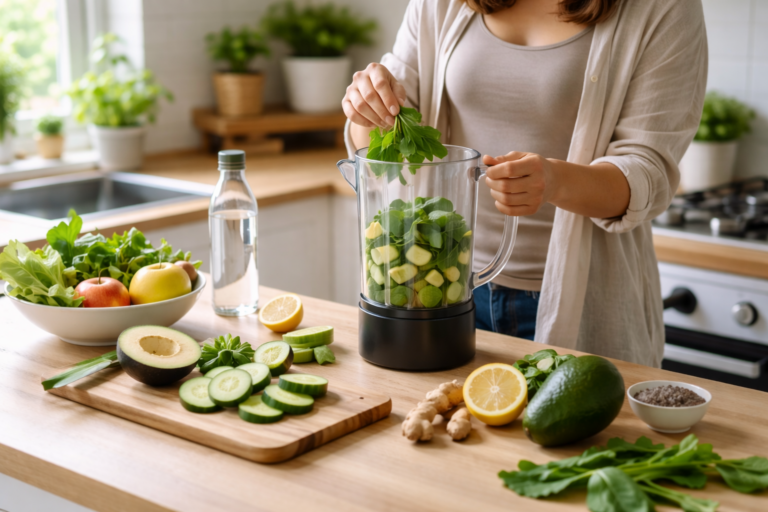
I never used to think what I ate had much to do with what was going on “down there,” but oh wow — it does. Cutting out excess sugar was a game changer. High sugar intake can feed bad bacteria and yeasts, throwing everything off balance.
Foods to Eat
- Leafy greens
- Prebiotic fiber (like garlic, onions, bananas)
- Fatty fish (omega-3s reduce inflammation)
Foods to Avoid
- Refined sugars and sweeteners
- Processed carbs
- Excess dairy (depending on your body)
If you’re curious how diet links directly to BV triggers, this guide explains what to skip. Also, the main BV diet guide ties it all together nicely.
Want to see the full picture of prevention strategies? This prevention guide helped me form daily habits that actually stuck.
For a complete breakdown of what causes and contributes to recurring BV (which I used to experience a lot), this comprehensive pillar guide is incredibly eye-opening.
Also, here’s the main resource on Bacterial Vaginosis for an even broader understanding.
5. Stop the Cycle: Understanding and Preventing Recurring BV

If you’ve treated BV naturally or with antibiotics and it keeps coming back, you’re not doing anything wrong — but you *might* be missing a trigger. It took me a while to realize that recurring BV wasn’t just about vaginal health. It was about *whole-body balance*, lifestyle, and hormones too.
Sexual Health Habits Matter
There’s no shame in not knowing this upfront — I didn’t either. Semen is alkaline, and if your vaginal pH is already a little off, frequent unprotected sex can tip things out of balance even more. Using condoms consistently made a noticeable difference for me.
- Always pee and rinse after intercourse
- Consider barrier methods (like condoms) until balance is restored
- Clean toys properly between uses
Here’s a deeper dive on how sexual activity can influence BV — it’s a must-read if BV keeps coming back after intimacy.
Hormones, Periods, and Stress
Periods can also wreak havoc on vaginal balance. I used to notice symptoms showing up right after my cycle ended. Turns out, pH shifts naturally during and after menstruation. Add in some stress, and it’s a recipe for imbalance.
This resource about BV after periods helped me better plan my care during my cycle.
6. Simple Lifestyle Shifts That Make a Big Impact

Beyond hygiene and diet, your *daily routine* plays a massive role in whether or not BV takes hold. I made a few lifestyle tweaks and found they had a surprisingly strong effect on recurrence.
Hydration & Sleep
I used to down coffee all day and sleep 5–6 hours. Once I made hydration and rest a priority, my body felt more balanced overall. Water supports mucosal membranes and helps flush out toxins. Proper sleep supports immune regulation — your body’s natural defense against dysbiosis.
Managing Stress (Seriously, It’s Huge)
Stress may seem unrelated, but chronic cortisol elevation has been linked to microbiome disruption. This piece — can BV be caused by stress? — totally changed how I approached healing. I started journaling and doing 10 minutes of yoga in the morning. It’s not magic, but it absolutely helped calm my system down.
7. What About Your Partner?
This was one of the most uncomfortable conversations I had — but also one of the most important. While BV isn’t technically an STI, some studies suggest reinfection can occur if a sexual partner harbors the same disruptive bacteria.
If your BV keeps returning after treatment, and you’ve ruled out other causes, it might be worth looking into whether your partner should be treated too. You can learn more about this angle here: Do I need to treat my partner for BV?
8. When Natural Isn’t Enough: Knowing When to Seek Help

As much as I prefer natural options, there were moments when I had to step back and talk to my OB-GYN. There’s zero shame in that. BV that doesn’t respond to natural methods might be hiding something deeper — or may need a short-term medical assist while you build long-term habits.
Home Test Kits & Diagnosis Tools
Some women find relief using home pH tests or BV screening kits. They’re surprisingly accurate, and helpful if you’re unsure whether it’s BV or something else. If you’ve ever wondered how well these work, this article on home test accuracy is super informative.
What If It’s Not BV?
I’ll be honest — more than once I thought I had BV when it turned out to be a yeast infection. They can mimic each other. If symptoms feel different than usual, it’s worth comparing both conditions side-by-side. This comparison is a great place to start: how to tell which infection you have.
9. BV During Pregnancy: Why Natural Care Still Matters

If you’re expecting, I can’t stress this enough — don’t ignore BV symptoms. During pregnancy, BV has been linked to risks like preterm labor and miscarriage in some cases. But if you’re worried about medications during pregnancy, natural support may still help ease symptoms or reduce flare-ups.
This pregnancy-focused guide on BV during pregnancy helped me understand what’s safe, what’s not, and what warning signs to watch for.
More Resources to Dive Deeper
If you haven’t already, I highly recommend visiting the full guide on BV treatment options for a complete overview — both natural and conventional. You’ll also find broader context and links within the main BV resource center that’s packed with expert insight and research.

Dr. Gwenna Aazee is a board-certified Internal Medicine Physician with a special focus on hypertension management, chronic disease prevention, and patient education. With years of experience in both clinical practice and medical writing, she’s passionate about turning evidence-based medicine into accessible, actionable advice. Through her work at Healthusias.com, Dr. Aazee empowers readers to take charge of their health with confidence and clarity. Off the clock, she enjoys deep dives into nutrition research, long walks with her rescue pup, and simplifying medical jargon one article at a time.