How To Finally Beat Weekend Migraine Syndrome For Good
Have you ever noticed how your weekends, the time you’re supposed to relax and recharge, often come with an unwelcome guest—a pounding migraine? I used to think it was just bad luck until I realized there’s a name for this frustrating pattern: Weekend Migraine Syndrome. And no, it’s not all in your head. It’s real, and way more common than most people think.
What Is Weekend Migraine Syndrome?

Weekend migraine syndrome is a term used to describe migraines that consistently strike during the weekend. Sounds oddly specific, right? But it makes sense when you dig into the science—and the lifestyle behind it. For a long time, I thought it was stress letting go, but turns out, there’s more going on under the surface.
Unlike typical migraines that can be random or triggered by things like diet or hormones, weekend migraines seem to follow a pattern. They show up just when you’re trying to relax. And that makes them even more annoying, because who wants to spend their hard-earned downtime curled up in a dark room?
While the exact cause is still being researched, there’s growing evidence that changes in your sleep patterns, caffeine intake, and stress levels may be to blame.
Why Do Migraines Hit On the Weekend?
1. Sudden Change in Routine
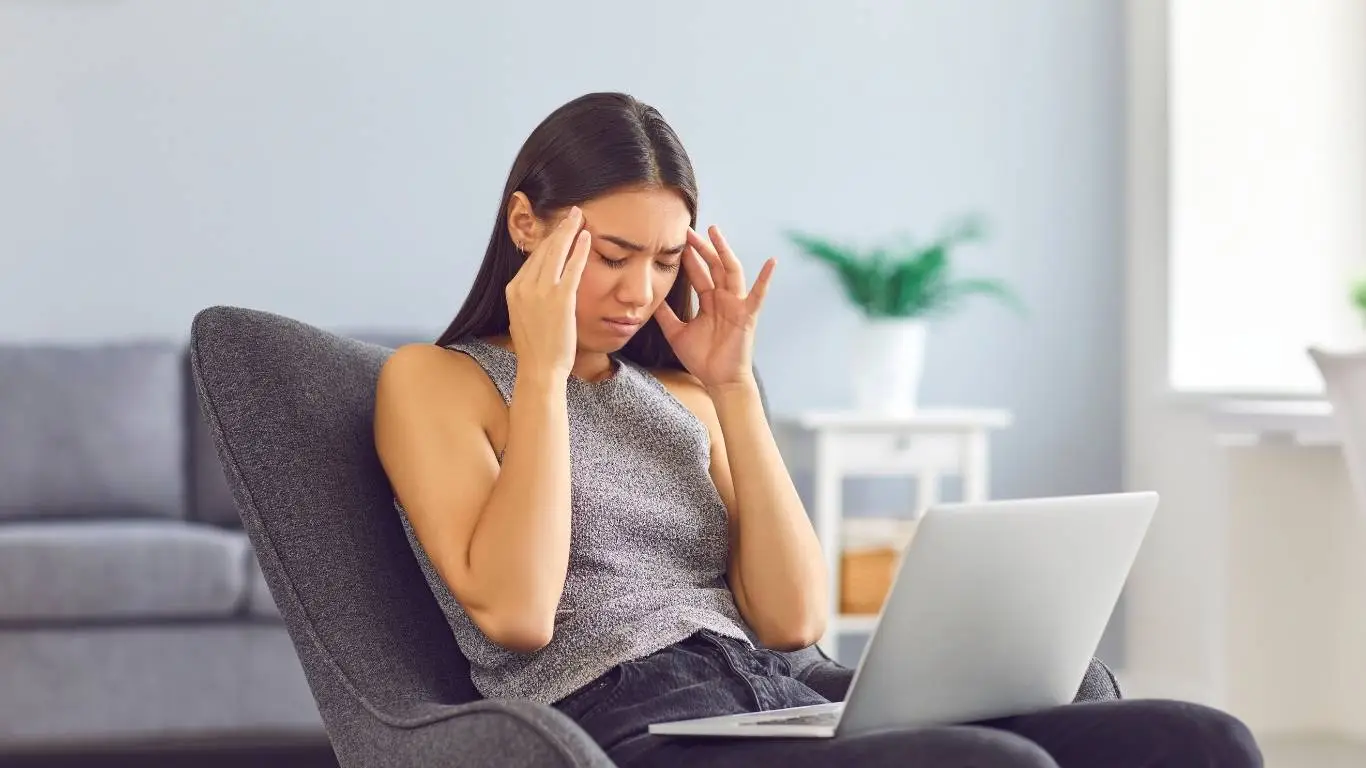
Most of us have strict weekday schedules. We wake up early, rush through work, maybe skip meals, and crash by a certain time. Come the weekend, we finally “let go.” We sleep in, skip our morning coffee, or eat at random times. And surprise: our brain hates this kind of inconsistency.
That shift in routine alone can trigger a migraine. It’s called “sleep-triggered migraine”, and if your weekends are migraine-prone, chances are your body isn’t handling those changes well.
2. Let-Down Effect
This one blew my mind. It’s called the let-down effect. During the workweek, our bodies run on stress. Stress hormones like cortisol and adrenaline are constantly firing. But when the weekend hits, those hormone levels drop suddenly, and that drop can act as a trigger for migraines. I personally get hit hard on Saturday mornings after a hectic Friday. Turns out, I’m not alone.
3. Oversleeping or Sleep Disruption
If you usually get six hours of sleep on weekdays and then try to “make up for it” on Saturday, it may backfire. Oversleeping can disrupt your circadian rhythm. Even just a couple extra hours can confuse your body enough to start a migraine. It’s covered well in this article on migraine sleep habits.
Other Sneaky Weekend Triggers

Diet Changes
Let’s be real. Weekends = brunches, cheat days, wine, and chocolate (guilty!). But the problem is, certain foods—especially processed meats, aged cheeses, and sugary treats—are known migraine triggers. If your weekend eating habits are different from your weekday ones, you might want to reevaluate.
There’s a great breakdown of this in the foods that trigger migraines article that helped me pinpoint what was setting mine off.
Caffeine Withdrawal
If you rely on coffee to survive Monday through Friday but skip it on Saturday, that sudden drop can bring on a migraine. I learned this the hard way. Now I try to keep my caffeine intake consistent—even on weekends. A small cup in the morning goes a long way.
Alcohol
Weekend wine nights can be risky if you’re migraine-prone. Red wine, beer, and cocktails are common culprits. While moderation helps, some people are more sensitive than others. I’ve had better luck switching to a non-alcoholic version or just spacing out drinks with water. There’s more on that in the hormonal and dietary triggers guide.
How I Manage My Weekend Migraines

After too many ruined Saturdays, I finally took control. Here’s what’s worked for me:
- Stick to a sleep schedule: I wake up and sleep around the same time every day, even on weekends. No drastic changes.
- Don’t skip caffeine: I have a small cup of coffee every morning, even if I’m not going anywhere. Keeps my system steady.
- Plan meals: I avoid skipping breakfast or eating at odd hours. A balanced diet helps keep things in check.
- Watch for triggers: I keep a migraine diary and log what I eat, drink, and how I sleep. This has been a game-changer.
Interestingly, more people struggle with this than we think. There’s even some discussion around how migraine types—like chronic vs. episodic migraines—respond differently to weekend changes.
What Experts Say About Weekend Migraines

Research from sources like ncbi.nlm.nih.gov and mayoclinic.org highlights the importance of routine in migraine management. Many neurologists now recommend “migraine hygiene,” similar to sleep hygiene—meaning consistent habits across all days of the week.
If you’re like me and thought you were alone in this weekend struggle, you’re not. The key is awareness—and yes, a little discipline. But trust me, it’s worth it when your Sundays aren’t lost to pain anymore.
To get a full picture of what might be behind your weekend headaches, I recommend checking out the full guide on migraine triggers. And don’t miss the comprehensive overview at Healthusias’ migraine main pillar.
Prevention Strategies That Actually Work
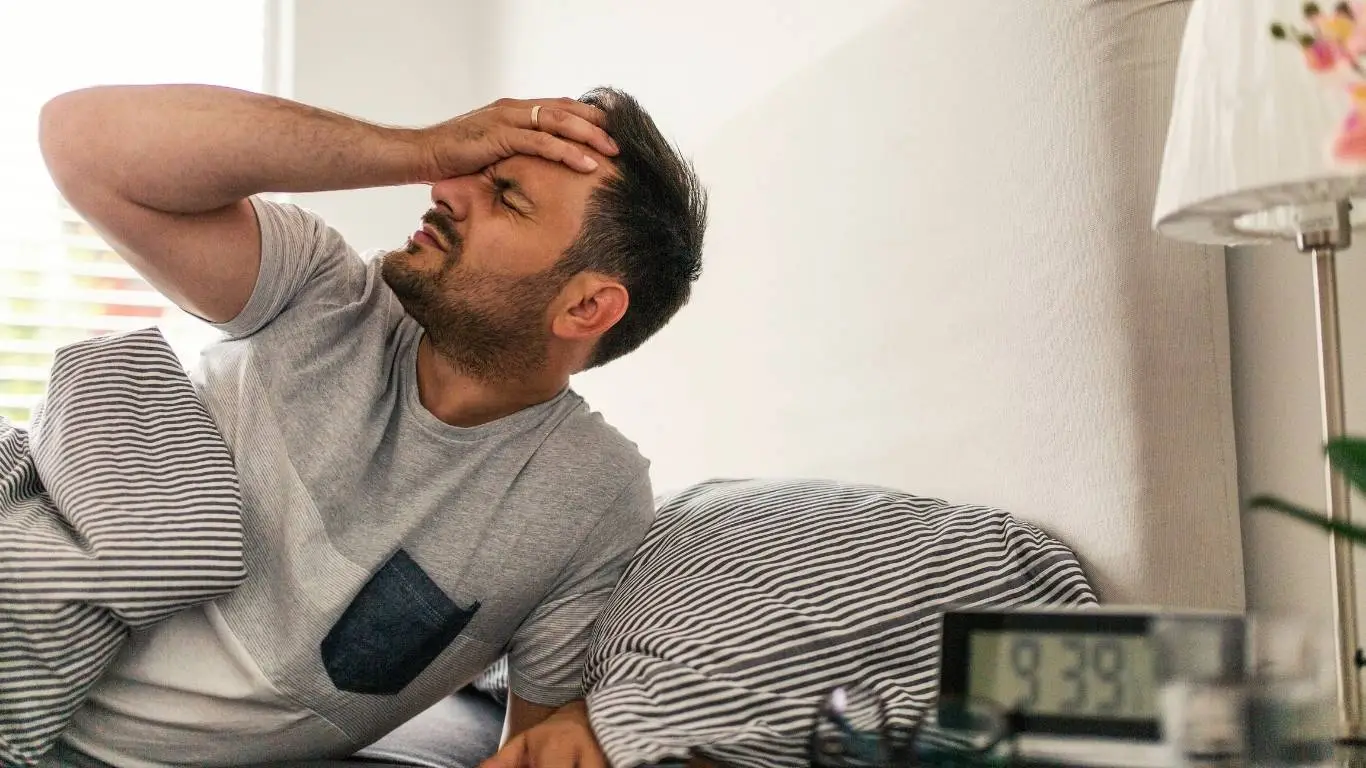
If weekend migraine syndrome is turning your days off into a disaster, prevention isn’t just helpful—it’s everything. I’ve tried a ton of different things over the years, from lifestyle tweaks to weird gadgets. Some worked, most didn’t. Here’s what’s genuinely made a difference.
Keep Your Sleep Schedule Tight
I know—sleeping in sounds amazing. But if you’re waking up three hours later on Saturday than you do on Wednesday, your brain might rebel. Consistency is your best friend here. I started waking up within the same 30-minute window every day, and it dramatically reduced my attacks. There’s a great breakdown in the migraine sleep position and habits article that covers this.
Don’t Skip That Morning Brew
Turns out, caffeine isn’t the enemy if you manage it right. I used to go cold turkey on weekends, thinking I was being “healthy.” Big mistake. Now I just keep it consistent—a smaller cup if needed, but always something. If you’re interested in how caffeine withdrawal works with migraines, this dehydration and caffeine link helped me connect the dots.
Hydration, Hydration, Hydration
It’s shocking how many weekend migraines can be tied to just not drinking enough water. Especially if you’re out running errands, hiking, or enjoying a sunny brunch. I aim for two liters minimum. If I start my day with a big glass of water and keep it going, the migraines are less intense—or don’t come at all.
Tools and Supplements Worth Trying

Supplements I Swear By
I’m not huge on pills, but a few natural options have honestly helped reduce my weekend migraines:
- Magnesium: One of the best-known migraine supports. I take it daily now. It’s broken down well in this magnesium migraine guide.
- Vitamin B2 & B6: I noticed a difference in energy and migraine frequency after including these in my routine. This B-vitamin resource was super helpful.
- CoQ10: Seems small, but this antioxidant helps with cellular energy and migraine regulation. It’s not a miracle cure, but it’s a nice layer of defense. See more in this detailed breakdown.
Gadgets That Genuinely Help
While I was skeptical at first, migraine-specific tech is actually pretty impressive now. I keep a Cefaly device on hand—it’s a forehead stimulator that helps calm my nerves (literally). I also tested the Nerivio wearable, and I’ve got a love-hate relationship with it, but it’s worth exploring.
They’re covered in this great guide on migraine relief devices that I refer friends to all the time.
Weekend Mindfulness Hacks
Schedule Down Time (Without Chaos)
One of the things I’ve learned is that even relaxing can be stressful if it’s unstructured. Weird, I know. But if I suddenly do nothing after five straight days of nonstop activity, my body doesn’t know what to do. Now, I actually schedule blocks of light activity—short walks, light yoga, journaling.
The connection between mindfulness and migraines is underrated. If you’ve never tried it, check out how yoga and CBT techniques can support long-term relief. Even ten minutes of breathing or body scanning helps.
Be Picky About Social Commitments
Friday night dinners, Saturday brunches, Sunday family visits… it adds up fast. Social pressure can push you into overstimulation. I now build in recovery time before and after events—and I no longer feel guilty for saying “no thanks” if my head’s not in the right place. Social anxiety and migraines have more in common than we give them credit for.
What to Do When the Migraine Hits Anyway

No matter how hard you try, sometimes the migraine just shows up. Here’s my go-to survival kit for weekend episodes:
- Cold compress: Straight to the back of the neck or forehead. I keep a reusable one in the freezer at all times.
- Quiet, dark room: I have blackout curtains and noise-canceling earbuds. Instant relief.
- Essential oils: Lavender and peppermint are surprisingly soothing. Rub a few drops on your temples and wrists. This guide on oils for migraine explains the science behind it.
- Rescue meds: Whether it’s OTC or a prescribed triptan, I don’t wait too long to take it. Delaying only makes things worse.
For more help navigating treatment options, the breakdown on migraine treatments is one of the best starting points. And if you’ve ever wondered whether a neurologist visit is worth it, this article cleared it up for me.
And of course, the ultimate guide on migraines and headaches from Healthusias pulls all this together for deeper reading.

Bianca Nala is a compassionate Nurse Practitioner with a strong background in primary and respiratory care. As a health writer for Healthusias.com, she combines her clinical expertise with a talent for clear, relatable storytelling to help readers better understand their health. Bianca focuses on topics like asthma, COPD, chronic cough, and overall lung health, aiming to simplify complex medical topics without losing accuracy. Whether she’s treating patients or writing articles, Bianca is driven by a single goal: making quality healthcare knowledge accessible to everyone.