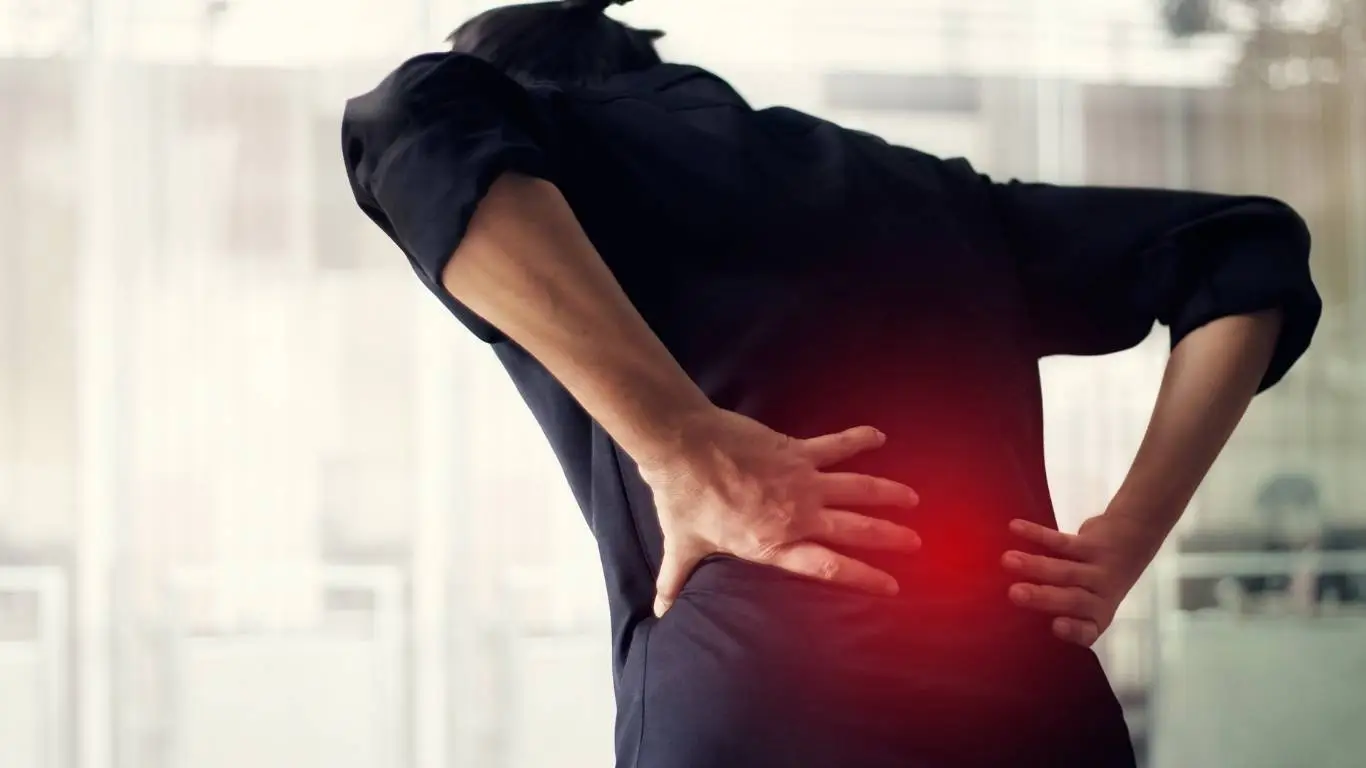
Why Desk Cycles Dramatically Improve Spinal Posture and Comfort
Not gonna lie—sitting at a desk all day used to wreck my back. I tried the whole standing desk trend, swapped chairs, did those YouTube stretches… nothing really clicked until I stumbled on a desk cycle. At first, I thought it was a gimmick. But a few months in? Game changer. If your lower back is whispering (or screaming) for help every afternoon, you might want to keep reading.
How Desk Cycles Secretly Improve Spinal Posture

Desk cycles, or under-desk bikes, don’t just get your legs moving—they subtly nudge your spine into a healthier alignment. I noticed I wasn’t slumping forward as much, and that constant neck stiffness? Gone. Turns out, engaging your lower body while working activates your core and lumbar muscles, keeping your spine more naturally upright.
Muscle Engagement Makes the Difference
Pedaling, even slowly, encourages the pelvis to stay mobile, not locked. That means your spinal erectors and deep core stabilizers are quietly working in the background.
- Reduces static spinal load
- Improves blood flow to intervertebral discs
- Keeps core muscles slightly active
Which, by the way, is huge—especially if you’re dealing with chronic posture-related back pain like I was. It’s subtle, but after two weeks, I stopped needing that mid-day stretch break.
The Postural Habits Desk Cycles Reinforce

Here’s something I didn’t expect: I started sitting taller even without the cycle. When you’re moving, your brain subconsciously reminds your body to adjust. You’ll shift less in your seat, stop perching on one hip, and unconsciously stack your spine better.
- Promotes neutral spine by balancing hip alignment
- Discourages slouching due to constant micro-movement
- Reduces pelvic tilt that contributes to lower back pain
Combine that with proper lumbar support? You’re suddenly stacking habits that actually stick. In fact, if you’re already struggling with acute vs. chronic back pain, this might be the easiest tool you can add to your day that doesn’t feel like a chore.
Desk Cycles vs. Standing Desks for Back Health

Everyone was raving about standing desks, right? Been there. Tried it. Didn’t love it. My feet hurt. My knees started acting up. A desk cycle, on the other hand, feels more natural. You’re still sitting—but not idle. And for spine health, that distinction matters more than you think.
According to NIH research, low-intensity movement throughout the day reduces spine stiffness and improves disc hydration. That’s something no static standing position can really offer.
Why Movement Trumps Position
Sitting or standing, it’s the stillness that does the damage. Desk cycling introduces gentle motion, so your body doesn’t lock into any one harmful position. Plus, it feels less like a punishment and more like a productivity tool.
While standing desks might suit some, I’ve found that people with sciatic nerve issues or degenerative disc pain fare far better with dynamic seated motion.
Posture-Friendly Ergonomics While Using a Desk Cycle

One tip: don’t just shove a cycle under your current setup and hope for the best. I did that and ended up with more knee pain than posture gains.
Here’s how to get it right:
- Chair height: Raise it slightly to reduce hip flexion
- Back support: Use a firm lumbar pillow (I swear by mine)
- Desk height: Adjust so arms are at a relaxed 90-degree angle
- Monitor level: Eye-level to avoid neck craning
Getting the setup dialed in took me maybe 20 minutes—and the difference was night and day. No more weird hunching or reaching.
Better Posture = Better Mood (and More Energy)

What surprised me most? My mood. Turns out, better posture improves circulation and oxygenation, which directly affects your energy and focus. I wasn’t just sitting better—I was thinking better. Plus, that slump-shoulder fog lifted. You know the one.
If you’re dealing with persistent discomfort, I’d recommend diving into the exercise and ergonomics guide we’ve got up, or this more comprehensive back pain resource. Start small. Start slow. But definitely start.
Unexpected Benefits of Desk Cycles on the Spine

Honestly, I started using a desk cycle for back pain—but I didn’t expect all the bonus wins. One that stood out? My thoracic tension eased up. I used to get this annoying mid-back tightness, probably from years of slouching forward typing like a T-Rex. With gentle pedaling throughout the day, that stiffness? Practically gone.
Turns out, consistent lower-body motion impacts more than just lumbar support—it unwinds the entire spine. There’s even some evidence that movement at the pelvis sends subtle signals up the kinetic chain, encouraging mid-back and neck relaxation. You’ll feel it too, especially if you sit long hours like I do.
Circulation and Disc Nutrition
This part’s kind of nerdy, but fascinating: the spine doesn’t have a direct blood supply like your muscles do. Instead, it relies on movement-driven diffusion. So if you’re just parked in a chair all day, your discs are basically drying out. Desk cycling keeps the fluid exchange going without needing to hop on a treadmill every hour.
Studies, like those from ncbi.nlm.nih.gov, point to gentle spinal motion being key for long-term disc health. That’s a big deal if you’ve got—or want to avoid—issues like degenerative disc disease.
How Desk Cycles Fit into a Daily Spine-Saving Routine

Here’s what my typical workday looks like now:
- 8:00 AM: Desk cycle ready, monitor at eye level, lumbar support in place
- 9:30 AM: Short 5-minute standing break or posture reset
- 12:00 PM: Walk + light stretches for spine mobility
- 3:00 PM: 10-minute slow pedal session while replying to emails
Notice what’s missing? Pain. I don’t hit that “3 PM slump” where my back begs me to lie flat on the floor. It’s not magic—it’s consistency. And while I love my desk cycle, it’s just one part of the puzzle.
If you’re still struggling with back pain that worsens throughout the day, combining movement with ergonomic adjustments can shift your baseline entirely.
Who Benefits Most from Desk Cycles?

I’ve had coworkers, friends, even my dad try desk cycles. Here’s what I’ve noticed—it works wonders for:
- Remote workers stuck in one spot too long
- People recovering from back injuries and needing gentle movement
- Those with sedentary jobs like designers, coders, and customer support
But honestly, anyone with morning stiffness, muscle tightness, or low energy around the workday can benefit. It’s way more approachable than you’d expect, and you don’t have to break a sweat—or a routine—to make it work.
What to Look for in a Desk Cycle (from Someone Who Bought the Wrong One First)
Yeah, I messed this up at first. Got a cheap desk cycle with zero resistance and the thing would wobble like jelly. If you’re shopping around, here’s what actually matters:
- Low pedal height: So you don’t bang your knees under the desk
- Adjustable resistance: Keeps muscles engaged without overdoing it
- Stable base: So it doesn’t shift with every pedal
- Quiet motion: Especially if you’re on calls or work in shared spaces
For posture benefits, you don’t need HIIT cycling. I set mine to the lowest level and just keep moving—it’s all about subtle, consistent motion. I paired mine with tips from conservative back pain treatments that Healthusias laid out, and it’s become a system that actually sticks.
Common Mistakes That Cancel Out Desk Cycle Benefits

Okay, here’s where people go wrong—I did too in the beginning:
- Slouching forward: Pedaling while hunched kills your spinal gains
- Over-pedaling: It’s not a workout—treat it like passive movement
- Ignoring ergonomics: If your monitor’s too low or chair is misaligned, you’re still in trouble
Combine desk cycling with a good lumbar cushion, make sure your shoulders are relaxed, and keep your hips square. The benefits are real—but only if your posture’s dialed in.
Building a Spinal Health Routine That Lasts

Here’s my real takeaway: no one thing fixes your back. Not desk cycles, not stretching, not a $900 office chair. But small daily habits? They add up fast. Start with movement. Stack on ergonomics. Add in awareness.
If you need more support building that system, check out our deeper dive on lifestyle and back pain relief. Or head straight to the main resource on back pain and spine care. That’s where I pulled a lot of my early fixes from.

Camellia Wulansari is a dedicated Medical Assistant at a local clinic and a passionate health writer at Healthusias.com. With years of hands-on experience in patient care and a deep interest in preventive medicine, she bridges the gap between clinical knowledge and accessible health information. Camellia specializes in writing about digestive health, chronic conditions like GERD and hypertension, respiratory issues, and autoimmune diseases, aiming to empower readers with practical, easy-to-understand insights. When she’s not assisting patients or writing, you’ll find her enjoying quiet mornings with coffee and a medical journal in hand—or jamming to her favorite metal band, Lamb of God.