How Gait Abnormalities Can Quietly Destroy Your Back Alignment
When I first noticed that dull ache creeping into my lower back after long walks, I chalked it up to age or maybe bad posture at my desk. But as it turns out, the issue went deeper—literally down to how my feet were hitting the ground. It’s wild how something as subtle as the way we walk—our gait—can quietly sabotage the spine, twist our alignment, and spark a chain reaction of back pain. If you’ve ever felt like your back pain doesn’t quite make sense, you might want to take a closer look at your steps. Let’s dive into this hidden connection.
How Gait Abnormalities Mess with Your Back Alignment

Gait abnormalities aren’t just quirky walks. They’re biomechanical imbalances that can reshape how your spine carries your body weight. Over time, even minor abnormalities in foot mechanics can cause your pelvis to tilt, your lower back to overcompensate, and your upper body to strain.
Common Types of Gait Abnormalities
- Antalgic gait – A limp caused by pain, often forcing your body to lean unnaturally.
- Trendelenburg gait – When the pelvis drops on the non-weight-bearing side during walking due to weak hip abductors.
- Steppage gait – A high step caused by foot drop, often linked to nerve damage.
- Spastic gait – Seen in people with neurological conditions, featuring stiff, jerky movements.
Each of these patterns throws off the natural shock-absorbing mechanics of your lower limbs and spine. And when the foundation is off, your back pays the price.
The Back Pain Domino Effect: From Foot to Spine

Your feet are the base of your kinetic chain. When something’s off down there, it causes a ripple upward. Flat feet or overpronation is a common culprit. This rolls the ankles inward, rotating the knees and hips, and pulling the pelvis out of alignment. Suddenly, your spine is under constant low-grade stress just trying to keep you upright.
This chronic compensation can lead to:
- Pelvic tilt – Causing one leg to functionally shorten.
- Hyperlordosis – Exaggerated curve in the lower spine.
- Muscle imbalances – Especially tight hip flexors and weak glutes.
Before you know it, what started as a subtle gait issue becomes a full-blown musculoskeletal drama. According to NIH, gait changes are a significant predictor in developing chronic back pain, especially in older adults and those recovering from injury.
Signs Your Gait Is Wrecking Your Back

Most people don’t realize their walking patterns are to blame because the signs are sneaky and gradual. Here’s what I personally noticed over the years:
- Aching pain in my lower back after standing or walking for long periods
- One hip sitting higher than the other when looking in the mirror
- Shoes wearing out unevenly—huge red flag
- Knees clicking or aching even when my back felt fine
If you’re seeing a pattern here, you’re not alone. Studies published by Cleveland Clinic confirm that gait compensation often leads to lumbar spine instability and long-term joint stress.
Want to check yourself?
Walk barefoot across a hardwood floor and watch your reflection in a window or record yourself. Look for asymmetries in your stride, hip sway, or foot placement. Sometimes, I didn’t even feel pain at first—but watching my gait back on video was like a slap in the face. No wonder my back hurt.
When Gait and Chronic Conditions Collide
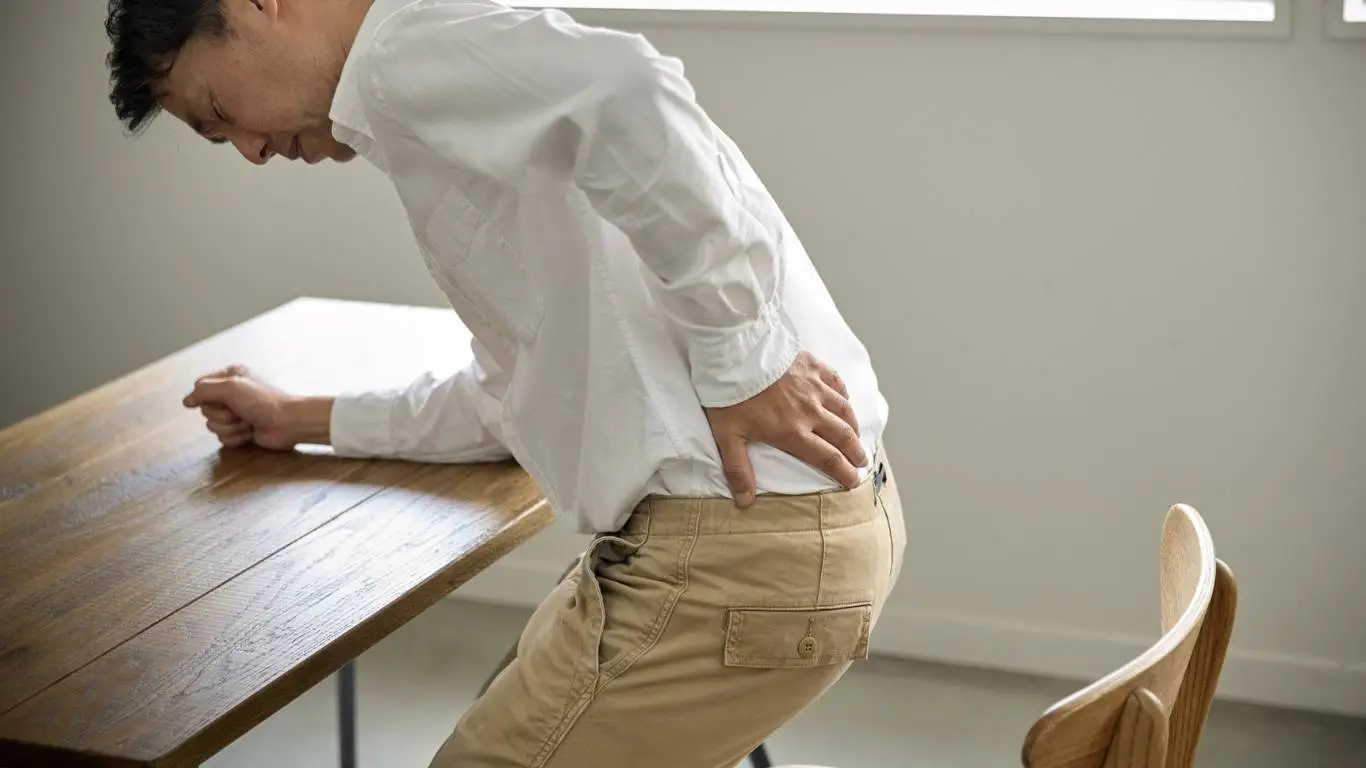
If you’re already managing chronic issues like scoliosis, herniated discs, or sciatica, an abnormal gait can make recovery feel impossible. For instance, herniated discs often lead people to shift their weight unnaturally, creating a new gait pattern that only worsens spinal pressure.
It becomes a feedback loop: pain alters your gait, and your altered gait causes more pain. And round it goes. This is especially problematic in special populations like older adults, post-operative patients, or pregnant women who are already dealing with alignment shifts.
Why You Shouldn’t Ignore That Subtle Limp

I used to brush it off—”It’s just a weird step, no big deal.” But ignoring it delayed my recovery by months. It wasn’t until a physical therapist pointed out my leg length discrepancy and weak hip abductors that things started to change. A mix of targeted stretches, gait retraining, and proper footwear turned the tide.
Sometimes it’s not even about pain—it’s about efficiency. A poor gait wastes energy, and your body has to work overtime to get you from A to B. Over time, that exhausts the muscles meant to protect your spine.
Want to explore how posture and everyday movement play a role too? You’ll want to read this: how posture quietly wrecks your back.
For a broader understanding of spinal stressors, this detailed anatomy guide is gold. And for a full look at how everything ties together, visit the main back pain pillar—packed with resources that actually make sense.
Fixing Gait to Realign the Spine: Where to Start

The moment I realized my gait was part of the problem, I had to unlearn a lifetime of bad movement habits. Realignment doesn’t happen overnight, but it’s absolutely within reach. Whether you’re feeling stiffness, imbalance, or unexplained lower back pressure, it’s worth taking small, consistent action. And no—you don’t need to be an athlete to fix this.
1. Get a Gait Analysis (It’s Not Just for Runners)
You’d be surprised how much you can learn just by watching yourself walk. Most physical therapists or sports clinics offer gait assessments where they video and analyze how your body moves. They look at foot strike, stride length, hip positioning, and even arm swing. My PT spotted that my left foot turned outward slightly, which created a rotational stress on my lumbar spine. Fixing it changed everything.
Many back pain sufferers discover the root of their issue during these assessments. If you’re dealing with chronic pain and haven’t looked at your gait, this diagnostic red flag list might help you know when it’s time to dig deeper.
2. Start with the Feet
Your foundation determines everything above it. Start by examining your shoes. Are they worn unevenly? Is there arch support? Flat feet or collapsed arches are among the most common contributors to gait-driven back pain.
- Custom orthotics can correct pronation and help distribute weight more evenly.
- Going barefoot on soft, natural surfaces helps build foot strength.
- Switching to supportive, proper footwear made an immediate difference for me.
What shocked me most was how quickly my back responded to something as simple as better shoes.
Strengthen the Weak Links

Muscle imbalances created by poor gait don’t just disappear with better posture. You’ve got to train those dormant muscles to fire again. When your glutes are weak and your core is asleep on the job, your spine ends up doing too much.
Target these key areas:
- Hip abductors – Especially the glute medius. Side leg lifts and band walks are your friend.
- Core stabilizers – Think dead bugs, planks, and bird dogs (start slow—form matters more than reps).
- Hamstring flexibility – Tight hammies pull on your pelvis. Try these hamstring stretches.
After just a few weeks of consistent work, I found myself standing straighter without trying. My gait felt smoother. The back tension? Gone.
Exercises to Rebuild Healthy Gait Patterns

Correcting your walk may sound ridiculous at first—until you try it and realize just how disconnected you’ve become from your body. Focused, mindful movement was the missing piece in my recovery.
Best Practices to Relearn Your Walk
- Walking drills – Marching in place, high-knee walking, heel-to-toe slow walks on a line.
- Mirror walking – Use a mirror or record yourself to observe and correct posture.
- Mindful barefoot walking – Feel each toe engage and adjust with control.
Gait retraining is incredibly effective, especially when guided by professionals. And if your back pain is more persistent, programs like virtual physical therapy offer flexible, step-by-step correction tools at home.
Don’t Forget Ergonomics and Daily Habits

Your gait doesn’t exist in isolation. Even if you fix your walk, prolonged sitting, bad sleeping positions, or poor work posture will sabotage progress. I used to ignore my desk setup—until my therapist showed how my twisted seated posture was reinforcing my asymmetry.
Try this:
- Invest in a proper chair with lumbar support.
- Alternate between sitting and standing during work hours.
- Use a foam roller and simple at-home stretches to stay mobile.
Don’t underestimate how powerful these daily shifts are. They reinforce the healthier gait you’re rebuilding every step of the way.
When to Seek Professional Help (And Why It’s Worth It)

If your back pain has been persistent or keeps coming back, don’t wait for it to become debilitating. For me, working with a specialist trained in gait correction and spinal alignment was a game changer. They pieced together the puzzle faster than I ever could alone.
Even if it’s just a single session to identify red flags or assess your posture and gait, the insight can be life-changing. I ignored my symptoms for too long—and paid for it.
If your pain is stemming from something deeper like sacroiliac joint dysfunction or nerve involvement, early intervention is key. And don’t forget—many alignment issues are preventable with early awareness.
To understand how your movement patterns and lifestyle intertwine with back pain, this guide on rehabilitation and ergonomics is incredibly useful.
For a complete overview on causes, posture, treatment, and long-term solutions, see the main back pain hub.

Camellia Wulansari is a dedicated Medical Assistant at a local clinic and a passionate health writer at Healthusias.com. With years of hands-on experience in patient care and a deep interest in preventive medicine, she bridges the gap between clinical knowledge and accessible health information. Camellia specializes in writing about digestive health, chronic conditions like GERD and hypertension, respiratory issues, and autoimmune diseases, aiming to empower readers with practical, easy-to-understand insights. When she’s not assisting patients or writing, you’ll find her enjoying quiet mornings with coffee and a medical journal in hand—or jamming to her favorite metal band, Lamb of God.