#LNF
Holiday travel is supposed to be joyful—packed suitcases, cheerful playlists, airports buzzing with anticipation. But if you’re like me, that excitement can quietly morph into something else: sweaty palms in TSA lines, heart racing on a bumpy flight, or panic rising in a crowded train station. I’ve been there. Once, I missed a flight because I spent 30 minutes in the bathroom trying to calm down from a panic attack. It’s not just “nerves”—it’s holiday travel anxiety, and it’s more common than most people think.
Why Holiday Travel Triggers Anxiety More Than You Expect

There’s something about the pressure of the holidays—expectations, deadlines, crowded spaces—that intensifies normal stress into full-blown anxiety. It’s not just in your head; there are real, biological triggers.
1. The Overload of Uncertainty
Flight delays, lost luggage, new environments… all the things we can’t control can overwhelm our nervous system. According to research from the National Library of Medicine, uncertainty is a key driver of anxiety, especially for people with existing generalized anxiety disorder (GAD).
2. Sensory Overload
Airports, train stations, family gatherings—there’s constant stimulation. Noise, lights, crowds. For people prone to anxiety, this creates mental fatigue fast. I’ve had to duck out of Christmas dinners early just to sit in silence for 10 minutes.
3. Pressure to “Be Happy”
This one sneaks up. The holidays come with the expectation that we’re supposed to be cheerful. That pressure alone can create internal conflict for someone struggling silently. Social anxiety also tends to peak during these months, especially for those dreading interactions at work parties or family reunions. (This article hits on why that pressure hits teens especially hard.)
Planning Your Way Out of Panic: Practical Pre-Trip Prep

One of the most underrated tools for anxiety management? A plan. Planning ahead won’t eliminate anxiety completely, but it gives you back a sense of control. Here’s what actually helps:
1. Build a “Mental Health Travel Kit”
- Noise-cancelling headphones or earplugs
- Downloaded meditations or calming music (I swear by ocean waves)
- A favorite calming tea sachet—like chamomile or passionflower
- Compression socks (they surprisingly help me ground myself)
- Printed backup of reservations (no stress from dead phone batteries!)
Include anything that brings comfort or grounding. I’ve even packed a tiny scented roller to trigger a calming association. For more grounding techniques, this PMR guide is gold.
2. Map Out Recovery Time
Don’t pack every moment. Leave space between events to decompress. That 15 minutes of quiet after landing? It’s sacred. If you’re staying with family, pre-plan breaks like solo walks or “coffee runs.”
3. Try Exposure Before You Go
If planes make you panic, try watching videos of airports or plane cabins while practicing deep breathing. It sounds silly, but this mini exposure can ease your nervous system. This method is often part of exposure therapy, which I found more effective than I expected.
When the Journey Begins: Surviving the Transit

1. Use the 4-7-8 Breathing Rule
Inhale for 4 seconds, hold for 7, exhale for 8. I do this discreetly during takeoff or even waiting in security lines. It slows your heart rate and triggers your body’s relaxation response. These breathing techniques made a night-and-day difference for me last year.
2. Reframe the Noise
Instead of dreading a crying baby or loudspeaker announcement, I reframe it. “This is part of the journey.” It helps shift the experience from something threatening to something temporary. Sounds small, but that mindset shift works.
3. Avoid High-Stim Caffeine Before Transit
Yes, airport coffee smells amazing. But it can spike cortisol and make anxiety symptoms worse. I learned the hard way after a triple shot espresso led to a panic episode mid-flight. If you’re sensitive to caffeine, this article explains why.
Staying Calm at the Destination

Getting there is half the battle. But once you arrive, you’re still managing triggers. New environments, family dynamics, and overstimulation can quickly unravel the calm you built.
1. Create a “Calm Zone” Wherever You Stay
I always find a corner—be it a guest room or car—to retreat when overwhelmed. It’s my reset spot. Light music, breathing, and five minutes alone can change the trajectory of your entire day.
2. Don’t Skip Movement
Even 10 minutes of walking or stretching in the morning can regulate your nervous system. I’ve used yoga routines in hotel rooms to reset my mind before a chaotic day.
3. Use Visual Cues to Anchor
A small photo, travel charm, or even a calming screensaver on your phone acts as a psychological anchor. It reminds you that safety is internal, not external.
Holiday travel doesn’t have to feel like a battlefield. With the right prep and mindset, you can shift from survival mode to actually enjoying the ride—even if it includes a few bumpy patches.
For a deeper dive into lifestyle habits that support anxiety recovery, see our full guide on lifestyle and self-help strategies. And if anxiety’s been affecting your daily function for a while, this breakdown of its hidden grip on daily life is worth a read.
Managing Anxiety in Holiday Social Situations

Let’s be real—sometimes, the actual trip is the least stressful part. The real anxiety creeps in once you’re face-to-face with relatives asking invasive questions or stuck in a room full of people when you just want silence. Been there. A few years ago, I left a New Year’s party early just to cry in my car and regroup. You’re not alone if holiday gatherings feel emotionally draining.
1. Set Conversation Boundaries
It’s okay to deflect. When a well-meaning aunt starts interrogating your life choices, you can gently redirect. Phrases like “I’d rather not get into that today” or “Let’s talk about something more fun” have saved me more than once.
2. Pick Your People
Stick with the one or two folks who make you feel safe. You don’t have to engage with everyone. Even having just one calm presence can serve as a buffer.
3. Recognize the Triggers
Social anxiety doesn’t always look like fear—it might show up as irritability, exhaustion, or wanting to isolate. This guide covers practical techniques that helped me tolerate large groups with way less dread.
Post-Travel Recovery: Recalibrating Your Nervous System
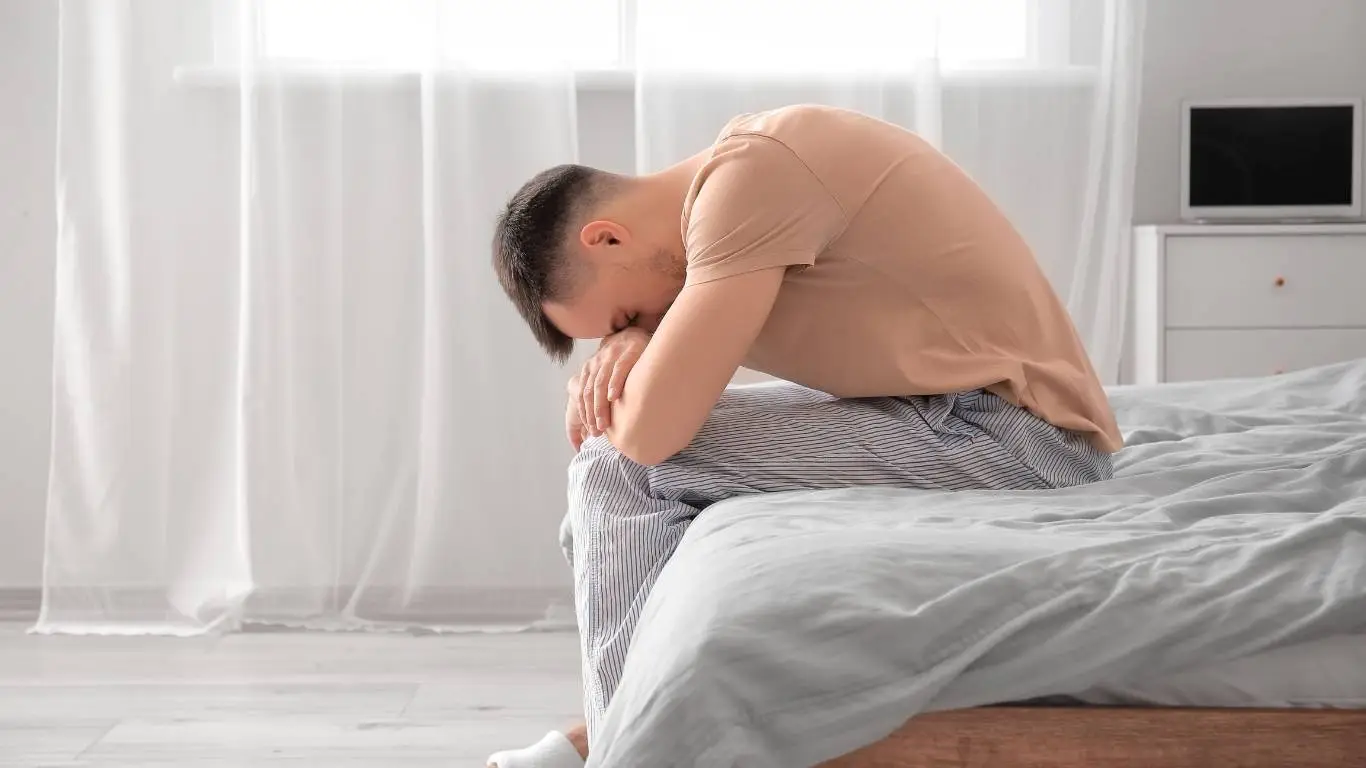
The anxiety hangover is real. I used to think once I was home, I’d immediately relax. Instead, I often felt wired and exhausted for days. Here’s how to recover faster:
1. Prioritize Sleep
Sleep is your body’s way of healing. But anxiety messes with it. If you’re struggling to wind down, try the tips from this sleep hygiene breakdown. Magnesium before bed, low lights, and no phone helped me reset after chaotic trips.
2. Reduce Sensory Input
Go slow. Dim lighting, quiet music, time in nature. Even an hour without phone notifications helped me recalibrate my brain after overstimulation. Sensory rest is underrated.
3. Use Journaling to Unpack
Don’t bottle it up. I jot down moments that triggered me, what helped, what didn’t. It’s helped me spot patterns and rewire future travel routines. If you’re not sure where to start, these journaling prompts are genuinely useful.
Helpful Coping Tools That Actually Worked for Me

Sometimes, the simplest things work best. I’ve tried therapy, breathing exercises, even alternative tools. Here are the ones that stuck—and that I still use:
- Progressive Muscle Relaxation — I do this in bed or even on long flights. It helps my body let go of tension I didn’t realize I was holding. (Learn how here)
- Guided breathing apps — Box breathing and 4-7-8 breathing changed how I manage mid-panic. I now do it instinctively.
- Herbal teas + CBD — Chamomile and lemon balm tea are now staples. And yes, CBD drops worked better than expected—this research-backed review sold me.
- Daily exposure + grounding rituals — I no longer avoid airports. Instead, I wear the same comfy hoodie, carry peppermint oil, and play the same playlist. It trains my brain to feel safe, not surprised.
What If Travel Anxiety Doesn’t Go Away?
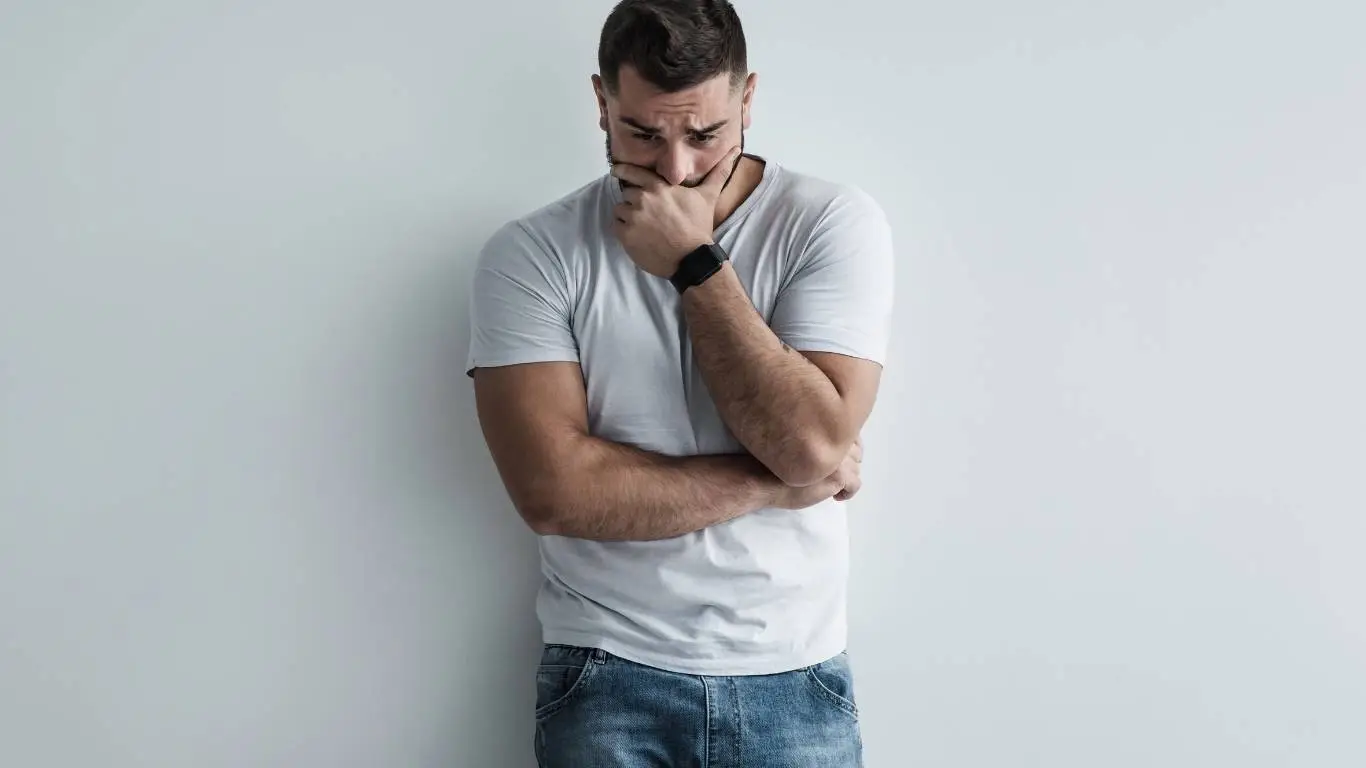
If you’ve tried everything and still feel overwhelmed, that doesn’t mean you’re failing—it might just mean you need more support. Therapy saved me from white-knuckling through every holiday season.
Therapies That Help with Travel-Specific Anxiety
- Cognitive Behavioral Therapy (CBT) — It helps challenge distorted thoughts around “what could go wrong.”
- Acceptance and Commitment Therapy (ACT) — Instead of fighting anxiety, ACT taught me to coexist with it. Life-changing.
- Exposure Therapy — Facing small travel fears regularly can rebuild confidence. I started with short drives before flying again.
Read more on these methods in our complete breakdown of therapy options for anxiety. And if you want a deep understanding of anxiety’s hidden impact, this article on how it subtly controls everyday life is a must-read.
Reclaiming Joy: You Deserve Peace on Your Journey
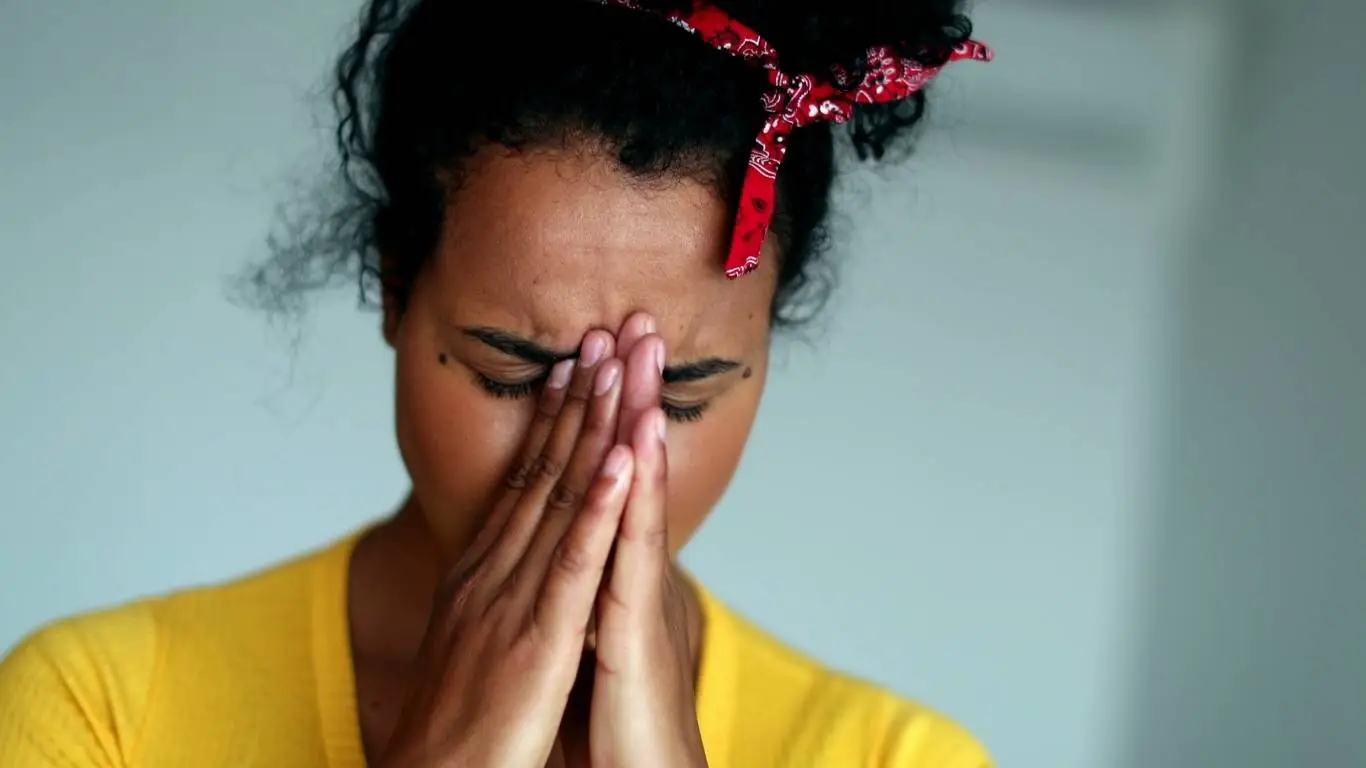
Holiday travel used to feel like a gauntlet I had to survive. But now? I plan differently. I bring the right tools. I give myself grace when anxiety shows up—and most importantly, I’ve stopped expecting perfection. If I need to cry in a train bathroom or take five deep breaths in the airport, that’s okay.
There’s no one-size-fits-all survival guide. But with intention, boundaries, and a few calming tools tucked in your carry-on, you can stop merely enduring holiday travel—and start feeling in control of it again.
If this sounds like your current struggle, our deeper dive on diagnosing and assessing anxiety disorders might offer the clarity you didn’t know you needed.
And if you’re wondering how anxiety could be shaping your days in ways you haven’t even noticed, this article is one of our most powerful reads.

Camellia Wulansari is a dedicated Medical Assistant at a local clinic and a passionate health writer at Healthusias.com. With years of hands-on experience in patient care and a deep interest in preventive medicine, she bridges the gap between clinical knowledge and accessible health information. Camellia specializes in writing about digestive health, chronic conditions like GERD and hypertension, respiratory issues, and autoimmune diseases, aiming to empower readers with practical, easy-to-understand insights. When she’s not assisting patients or writing, you’ll find her enjoying quiet mornings with coffee and a medical journal in hand—or jamming to her favorite metal band, Lamb of God.