Why Migraines Due To Endometriosis Are Often Misdiagnosed
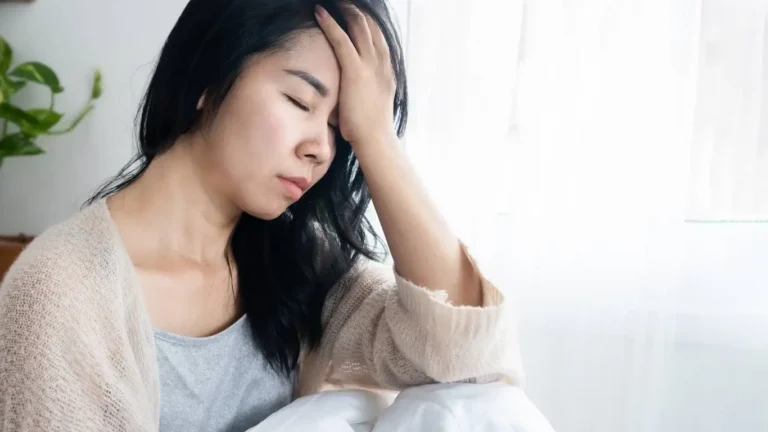
Let me tell you something that most people don’t talk about nearly enough: when you’re dealing with endometriosis, the pain doesn’t always stay in your pelvis. For me, migraines were one of the most unexpected—and honestly, one of the most exhausting—symptoms I had to learn to navigate. And it wasn’t just regular headaches. These were full-blown, lights-off, silence-only, please-don’t-talk-to-me migraines that seemed to sync perfectly with my hormonal cycle. If you’re nodding your head in painful agreement, you’re definitely not alone.
Why Migraines and Endometriosis Are More Connected Than You Think
For a long time, doctors treated these two conditions as if they were entirely separate beasts. But research and lived experiences (like mine) are painting a very different picture. Studies now show that women with endometriosis are significantly more likely to suffer from migraines—especially hormonally-triggered ones. The hormonal imbalances, inflammation, and even stress linked to endo can all fire up those migraine pathways in your brain.
According to NIH, estrogen fluctuations play a huge role in the onset of migraines, particularly in women with reproductive disorders. That’s one reason why migraines tend to ramp up around menstruation, ovulation, or when coming off hormonal treatments.
What Migraines Feel Like When You’re Living with Endometriosis

Here’s the thing: migraines due to endometriosis aren’t your average tension headache. You may experience:
- Throbbing, one-sided pain that can last for hours or even days
- Nausea and vomiting that make eating (or moving) difficult
- Sensitivity to light and sound that makes everyday tasks unbearable
- Neck stiffness or pain—a not-so-obvious companion symptom
It’s not uncommon to also feel completely drained afterward, like your body just ran a marathon while your brain fought off a thunderstorm. And sometimes, the migraine shows up before your pelvic pain does, like a sneaky warning sign of what’s to come.
Hormonal Triggers: The Invisible Link Between Migraines and Endometriosis

The hormonal link is perhaps the biggest piece of the puzzle. Estrogen, when it fluctuates too wildly or too quickly, tends to trigger migraines in sensitive individuals. Unfortunately, endometriosis can amplify these hormonal swings through:
- Estrogen dominance, which promotes inflammation and worsens endo symptoms
- Disrupted progesterone levels, leading to poor cycle regulation
- Hormonal therapies (like GnRH agonists or birth control), which might help your endo but aggravate your head
If you’re on hormonal treatments and noticed your migraines getting worse—or strangely better—it’s worth tracking. Keeping a migraine diary is a huge help here. Mine helped me realize my worst episodes weren’t random—they were tied to the same days every month, like clockwork.
Inflammation: The Underestimated Culprit Behind It All
Endometriosis isn’t just a hormonal condition—it’s also inflammatory. That inflammation can cause your immune system to go into overdrive. And when that happens, guess what else gets triggered? Yep, your migraine threshold lowers. One study even suggested that people with chronic inflammatory disorders—like endometriosis—are more prone to neurological symptoms like headaches and brain fog.
Want to learn more about this inflammatory connection? Check out our detailed breakdown on neurological migraine causes to understand how your nervous system reacts to these flare-ups.
Sleep, Stress & Sensitivity: The Trio That Makes It Worse

Let me be real here—when I’m in pain from endo, I can’t sleep. When I can’t sleep, I get stressed. And when I get stressed? Boom—migraine. This vicious cycle is something a lot of us silently suffer through.
Research shows that women with endometriosis often deal with sleep disorders, and that poor sleep quality directly impacts migraine frequency and intensity. Add in the emotional stress of managing a chronic illness, and you’ve got a recipe for neurological overload.
- Try to keep a consistent bedtime—your brain thrives on routine
- Use blackout curtains if light sensitivity is a trigger
- Don’t underestimate mindfulness—apps, breathing techniques, even just journaling can help reduce stress-based attacks
Treatment Options That Address Both Conditions

The tricky part is finding treatments that won’t help one condition while making the other worse. Over the years, I’ve tested more remedies than I can count. What’s helped me the most is a combination of strategies that keep both migraines and endo in check:
- Migraine-specific medications like triptans or CGRP inhibitors
- Anti-inflammatory supplements (turmeric, omega-3, magnesium)
- Acupuncture and pelvic floor therapy (they work better together than you’d expect)
- Hormonal balancing under the guidance of a knowledgeable doctor
Some women find relief with essential oils, while others turn to therapies like CBT or biofeedback. The key is personalization—and a doctor who listens. More on that in our migraine tips from professionals guide.
If you’re just getting started or want to dive deeper into managing your migraine symptoms more holistically, don’t miss our full resource on migraine prevention techniques.
Also, for a broader understanding of how migraines fit into the larger picture of chronic head pain, our foundational guide on migraines and headaches is a solid starting point.
Foods That Can Help—or Hurt—When You Have Migraines and Endometriosis

I’ve learned the hard way that what I eat can either be fuel for healing or the match that lights the migraine fire. If you’re like me, sensitive to both hormonal fluctuations and inflammation, food isn’t just nourishment—it’s medicine.
Some of the best foods for managing both endometriosis and migraines include:
- Leafy greens like spinach and kale – packed with magnesium and anti-inflammatory power
- Fatty fish like salmon – high in omega-3s that calm inflammation
- Colorful berries – full of antioxidants that fight oxidative stress
- Ginger and turmeric – natural pain and nausea fighters
On the flip side, certain foods might be triggering your episodes more than you think. Migraine-trigger foods can vary from person to person, but common culprits include:
- Processed meats with nitrates
- Chocolate (yes, I cried a little)
- Alcohol, especially red wine
- Aged cheese and anything with MSG
I suggest trying an elimination diet if your migraines are unpredictable. Keep a food and symptom journal for a few weeks—you might be surprised what patterns pop up. If you need support, consider working with a nutritionist familiar with migraine diets.
Natural Remedies That Won’t Mess with Your Hormones

If you’re already on hormone therapy for endometriosis, you may be hesitant to throw more medication into the mix. That’s where natural remedies come in. I’ve personally had good results with a few gentle approaches that don’t mess with my hormonal balance.
Here are some options that might be worth exploring:
- Magnesium glycinate – helps reduce migraine frequency and calms the nervous system
- Peppermint and lavender oils – excellent for topical use during attacks
- Butterbur and feverfew – research-backed herbs for reducing migraine intensity
- Hot and cold therapy – a classic trick for a reason. More on that here
I also tried acupuncture as a last-ditch effort—and surprisingly, it worked. The key? Finding a practitioner who understands both migraine and reproductive health. Bonus: it also helped with my pelvic pain.
Creating a Migraine-Friendly Lifestyle (While Managing Endometriosis)

This part isn’t about magic fixes—it’s about building a lifestyle that supports your body instead of fighting it. With both migraines and endo, the more proactive and intentional I became, the fewer surprises I had.
Track Your Triggers Religiously
I resisted this for a long time because it felt like one more thing to manage. But tracking my sleep, stress levels, hormone shifts, and diet helped me see trends I would’ve missed. Use an app or a simple notebook. We even did a full guide on the best migraine tracking apps to make it easier.
Build a Toolkit of Relief
Don’t wait until a migraine hits—set up your relief zone in advance. I keep a small basket ready with:
- Cooling gel patches
- A weighted eye mask
- Bluetooth earbuds with calming playlists
- Aromatherapy roll-ons
Know When to Call in the Experts
Sometimes, what you really need is a neurologist who understands your hormonal history—or an ob-gyn who doesn’t dismiss migraines as “just stress.” Having a multidisciplinary team changed everything for me. Our breakdown of when to see a neurologist for migraines is a must-read if you’re not sure who to turn to next.
Support Tools and Devices That Actually Work

I used to roll my eyes at migraine gadgets—until one changed my life. Whether it’s wearable tech or simple home tools, the right device can take the edge off, or even prevent an episode entirely. Here are a few worth trying:
- Nerivio – FDA-approved, drug-free, works through neuromodulation
- Blue light glasses – ideal for screen-heavy days
- Noise-reducing earplugs – help when sound sensitivity strikes
- Cefaly – a headband-like device that targets the trigeminal nerve
Tech is evolving quickly, and some of these tools are finally covered by insurance or HSA accounts—worth checking with your provider.
Living with Dual Diagnosis: It’s Not All in Your Head

Having both migraines and endometriosis doesn’t mean you’re being dramatic, or that you’re imagining it. Trust me, I’ve heard it all. “Are you sure it’s not just stress?” “Maybe you’re just sensitive.” Yeah—no. These are real, biologically connected conditions, and your experience matters.
What helped me most was learning to advocate for myself. I started bringing in logs, research, and even this comprehensive guide on comorbid conditions to appointments. Once I had the language and tools to explain the connection, I stopped getting brushed off so easily.
And if you’re looking to get a solid foundation on understanding endometriosis-linked migraine symptoms, the best resource to explore next is migraine symptoms broken down with real context.

Bianca Nala is a compassionate Nurse Practitioner with a strong background in primary and respiratory care. As a health writer for Healthusias.com, she combines her clinical expertise with a talent for clear, relatable storytelling to help readers better understand their health. Bianca focuses on topics like asthma, COPD, chronic cough, and overall lung health, aiming to simplify complex medical topics without losing accuracy. Whether she’s treating patients or writing articles, Bianca is driven by a single goal: making quality healthcare knowledge accessible to everyone.