Long-Term Bed Rest Can Worsen Back Deconditioning Symptoms
If you’re like me, you might’ve thought lying in bed all day when your back hurts is exactly what the doctor ordered. Trust me, I used to believe the same thing—until I found myself in a spiral of worsening stiffness, weakness, and frustration. It turns out, extended bed rest isn’t the solution for back pain—it might actually be making it worse. Let’s talk about how long-term bed rest can quietly cause back deconditioning, and what you can do to avoid falling into that trap.
Why Long-Term Bed Rest Sounds Good—But Isn’t

At first glance, rest seems logical when you’re in pain. Your muscles hurt, your spine feels unstable, and movement sounds like a nightmare. But extended inactivity—especially the kind you get from lying in bed day after day—can do serious harm to your back’s overall function. From personal experience, I can say it’s a sneaky cycle. I thought I was protecting my spine, but what I was really doing was letting my body lose its ability to support it.
The Science Behind the Breakdown
When we lie still for too long, our core muscles—especially the deep spinal stabilizers—start to weaken. These are the muscles that quietly support your spine all day long, even when you’re just sitting or walking around the house. Deactivate them long enough, and your spine is left hanging without its natural support system. The result? Increased stiffness, instability, and even more pain.
According to CDC guidelines, movement is often one of the first-line recommendations for back pain recovery. Not aggressive exercise—just gentle, progressive movement to prevent this kind of deconditioning. Ignoring that advice can quickly lead to a condition many physicians now recognize as “back deconditioning syndrome.”
What Back Deconditioning Actually Feels Like
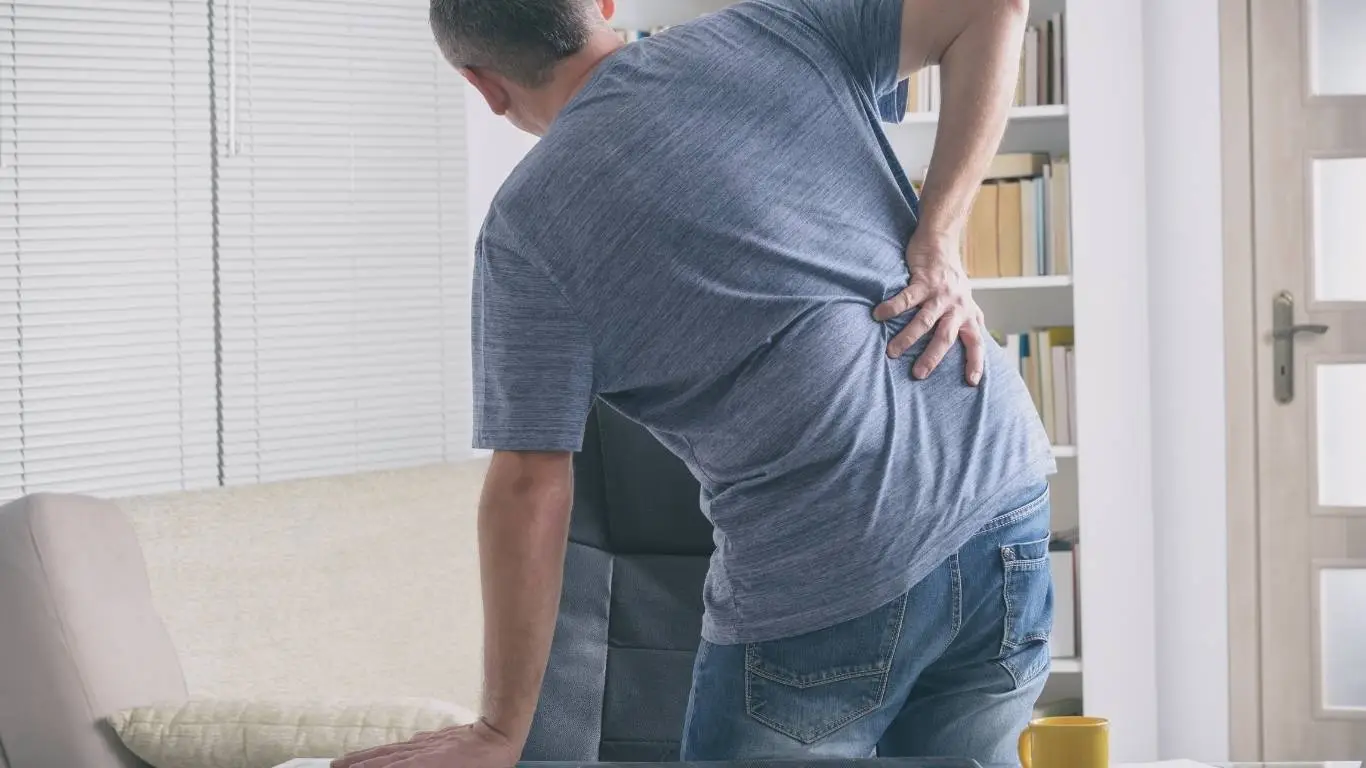
I wish someone had told me this earlier: back deconditioning doesn’t show up overnight. It creeps in. At first, it’s just a little extra tightness when you stand up. Then it’s not being able to sit for long without discomfort. Soon enough, even short walks make your lower back ache. That’s not just lingering pain—it’s your muscles waving a white flag.
- Loss of flexibility and mobility
- Weakened core and postural muscles
- Increased susceptibility to sprains and strains
- Higher risk of developing chronic pain
And here’s the kicker—it doesn’t just affect your back. Prolonged inactivity can mess with your metabolism, weaken your cardiovascular system, and even tank your mood. It’s a full-body setback hiding behind the illusion of “healing.”
When Rest Turns Into Regression

It’s a fine line. Some rest is necessary—especially during acute phases of injury—but there’s a difference between rest and immobility. Research published by the National Institutes of Health shows that just 1-2 days of bed rest can start to trigger muscular and postural decline. Beyond that? Your body starts reprogramming itself for inactivity.
And it doesn’t help that many of us, me included at the time, turn to soft beds or couches that don’t support spinal alignment. Combine that with limited movement and the absence of load-bearing activity, and you’re practically inviting the muscles to shut down.
The Psychological Trap
There’s a mental aspect too. The longer you stay in bed, the more intimidating movement becomes. I remember feeling afraid to even try walking around the block. My brain started equating pain with movement, and the cycle reinforced itself.
This psychological component of back deconditioning is covered well in the section on mental and emotional aspects of back pain. Fear avoidance is a powerful enemy, and regaining confidence in movement is sometimes half the battle.
Signs You’re Experiencing Back Deconditioning

If you’ve been in bed or sedentary for an extended period, watch out for these signs:
- Generalized stiffness in your lower back or hips
- Reduced balance or coordination when standing
- Fatigue during light activities like cooking or walking
- A weak or aching sensation after short bouts of sitting
- Postural collapse—slouching more than usual
These red flags often get ignored, chalked up to “just getting older” or “normal pain.” But in reality, they may indicate that your spine has lost some of its muscular armor. If this sounds familiar, the path forward starts with gentle rehabilitation—not more time in bed.
How to Break the Cycle

I started small. Just a few minutes of standing, then light walking around the house. Adding in breathing exercises. Then gentle stretching. Over time, I began to rebuild my strength and trust in my body. It wasn’t linear—and some days were discouraging—but the key was consistency.
Some people find success with Pilates or gentle yoga, while others benefit from core reactivation through simple movements like pelvic tilts and bridges. The important part is not which exercise you choose, but that you start moving again—safely, intentionally, and progressively.
For a more structured approach, the comprehensive guide on conservative back pain treatments can be a helpful resource.
Want a deeper understanding of how your back works and why movement matters? Start with the main overview on back pain fundamentals and how to regain control of your spine health.
Reactivating a Deconditioned Back: What Actually Works

Once I realized I was stuck in the bed-rest trap, I knew I needed a strategy—not just to get moving, but to rebuild what I’d lost. And here’s the truth: it’s not about going from zero to CrossFit. It’s about reactivating, not punishing, your back. Let’s dive into practical, low-pressure ways to reverse back deconditioning that don’t require fancy equipment or gym memberships.
Start With Core Awareness, Not Crunches
When someone told me to “strengthen my core,” my first thought was sit-ups. Big mistake. What I really needed was to reconnect with my deep core muscles—the transverse abdominis and multifidus. These guys are like your spine’s internal seatbelt system. And after weeks of inactivity, they were on vacation.
Try simple exercises like:
- Pelvic tilts – While lying down, gently tilt your pelvis to flatten your back against the floor.
- Dead bugs – Controlled arm and leg extensions while keeping your spine stable.
- Bridge holds – Lift your hips slightly off the floor and hold without arching your lower back.
It’s slow, subtle work—but incredibly powerful. This is the stuff that lays the foundation for every movement you’ll make later.
Why Movement is Medicine—But Only the Right Kind

There’s a reason walking is often prescribed for back pain. It’s rhythmic, low-impact, and engages the muscles without overloading them. When I first started, I gave myself “movement breaks” every couple of hours. Even if it was just a few laps around my kitchen, it added up—and my back thanked me for it.
If you’re unsure where to start, check out the guide on back pain recovery tips. It’s full of practical adjustments that don’t overwhelm you right out the gate.
Build a Habit, Not Just a Rehab Plan
It’s tempting to think short-term: “I’ll do these exercises until my back feels better.” But consistency—not intensity—is what gets you out of deconditioning mode. I made it part of my daily routine, just like brushing my teeth.
- Morning: Stretch and activate core muscles
- Midday: Light walk or gentle yoga
- Evening: Posture checks and mobility drills
After a few weeks, I noticed my back was less stiff in the morning. I could sit through a meal without squirming. Progress snuck up on me—but in the best way.
Mindset Shifts That Made All the Difference

Let’s be real: pain messes with your head. I spent way too much time Googling symptoms and reading horror stories. Eventually, I realized I needed to take back the narrative. One of the best tools? A simple notebook. I logged what I did each day, how I felt, and any small wins.
That journal helped me notice patterns—like how certain core activation moves made a difference, or how skipping my walks led to tightness the next day. It wasn’t about perfection. It was about paying attention.
For anyone feeling stuck in the fear-pain loop, I highly recommend checking out how mindfulness for pain can reframe your recovery. Your body listens to your mindset more than you think.
Support Tools That Actually Help
I tried a lot of “miracle” products before learning what actually helped and what didn’t. Here’s what worked for me:
- Lumbar support cushions for sitting (especially on hard chairs)
- Standing desk converters for better posture during work
- Pillow positioning during sleep to reduce strain
That said, no tool replaces movement. Use supports wisely—but don’t rely on them forever.
When to Get Professional Help

If your back pain keeps coming back, or if movement continues to trigger flare-ups, it might be time to talk with a specialist. I ended up seeing a physical therapist who gave me a personalized plan—and more importantly, reassurance that I wasn’t broken.
You don’t always need surgery or medication. Sometimes, just understanding what’s happening in your body and getting expert guidance is enough to turn things around. For more on this, explore options outlined in ergonomic rehab and recovery strategies.
Also, depending on the severity, it may be worth learning about minimally invasive treatments—not necessarily as a first step, but to know your options if conservative care isn’t cutting it.
Why You Shouldn’t Wait to Start Moving Again

Waiting for a “pain-free” day to get moving is like waiting for perfect weather to go outside. It might happen—but meanwhile, your body is waiting for YOU. Every day you spend inactive adds up, and unfortunately, so do the consequences.
If you’re looking for a deeper dive into how different body types and life situations affect recovery, explore the resource on back pain in special populations. Everyone’s experience is different—but movement helps almost everyone.
One of the most helpful starting points? Understanding the lifestyle changes that support recovery. From daily habits to nutrition, they all play a role in restoring your back to its best self.
And of course, don’t miss the main overview article on back pain causes and prevention to stay informed on what’s really behind your discomfort—and how to stay ahead of it.

Camellia Wulansari is a dedicated Medical Assistant at a local clinic and a passionate health writer at Healthusias.com. With years of hands-on experience in patient care and a deep interest in preventive medicine, she bridges the gap between clinical knowledge and accessible health information. Camellia specializes in writing about digestive health, chronic conditions like GERD and hypertension, respiratory issues, and autoimmune diseases, aiming to empower readers with practical, easy-to-understand insights. When she’s not assisting patients or writing, you’ll find her enjoying quiet mornings with coffee and a medical journal in hand—or jamming to her favorite metal band, Lamb of God.