Tight Quads Can Wreck Pelvic Tilt and Cause Lasting Back Issues
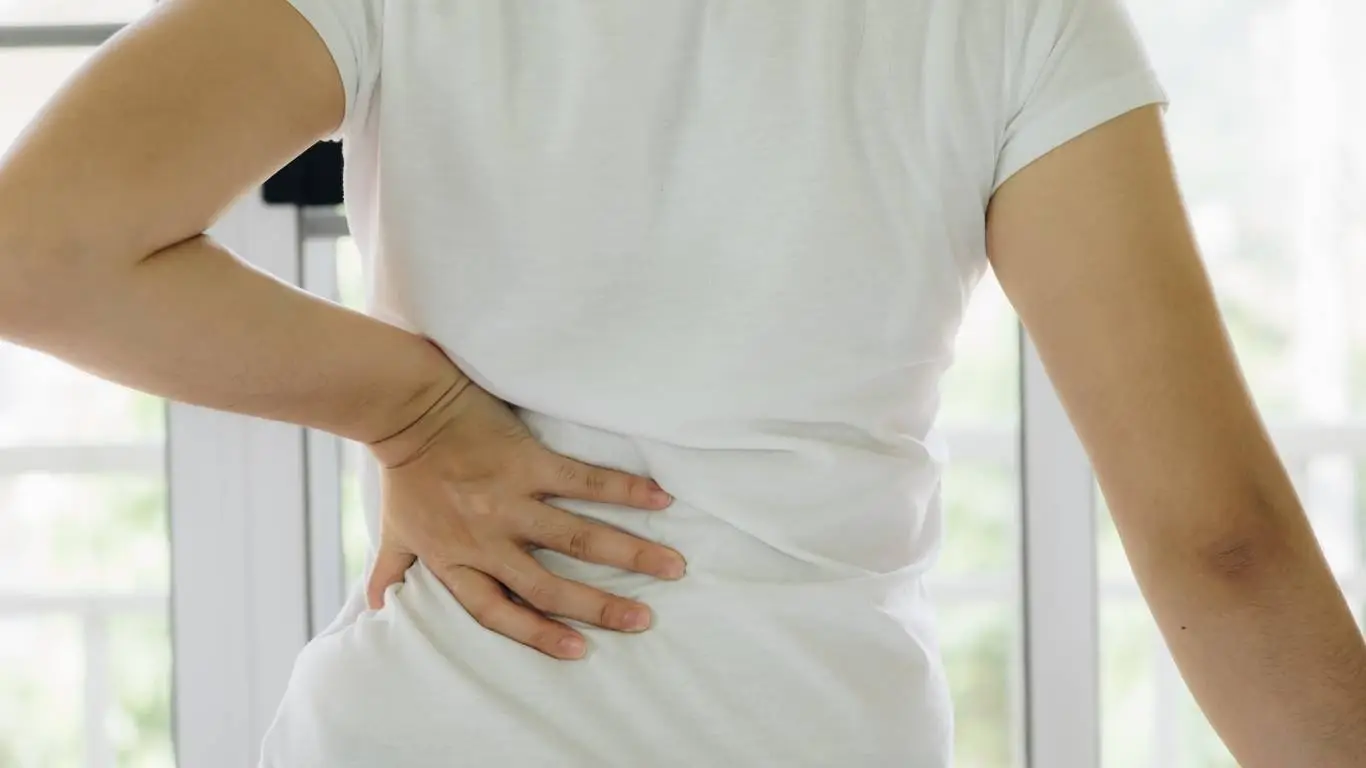
If you’ve been dealing with nagging back discomfort that just doesn’t go away, and no amount of stretching or massage seems to fix it, you might be overlooking one sneaky culprit — your tight quads. I used to chalk up my lower back tension to bad posture and stress, but the real problem? A serious imbalance caused by chronically tight quadriceps pulling my pelvis out of whack. Yep — pelvic tilt. It’s wild how much this one issue can quietly mess with your body mechanics, posture, and even your ability to sit or walk without pain.
How Tight Quads Disrupt Pelvic Alignment
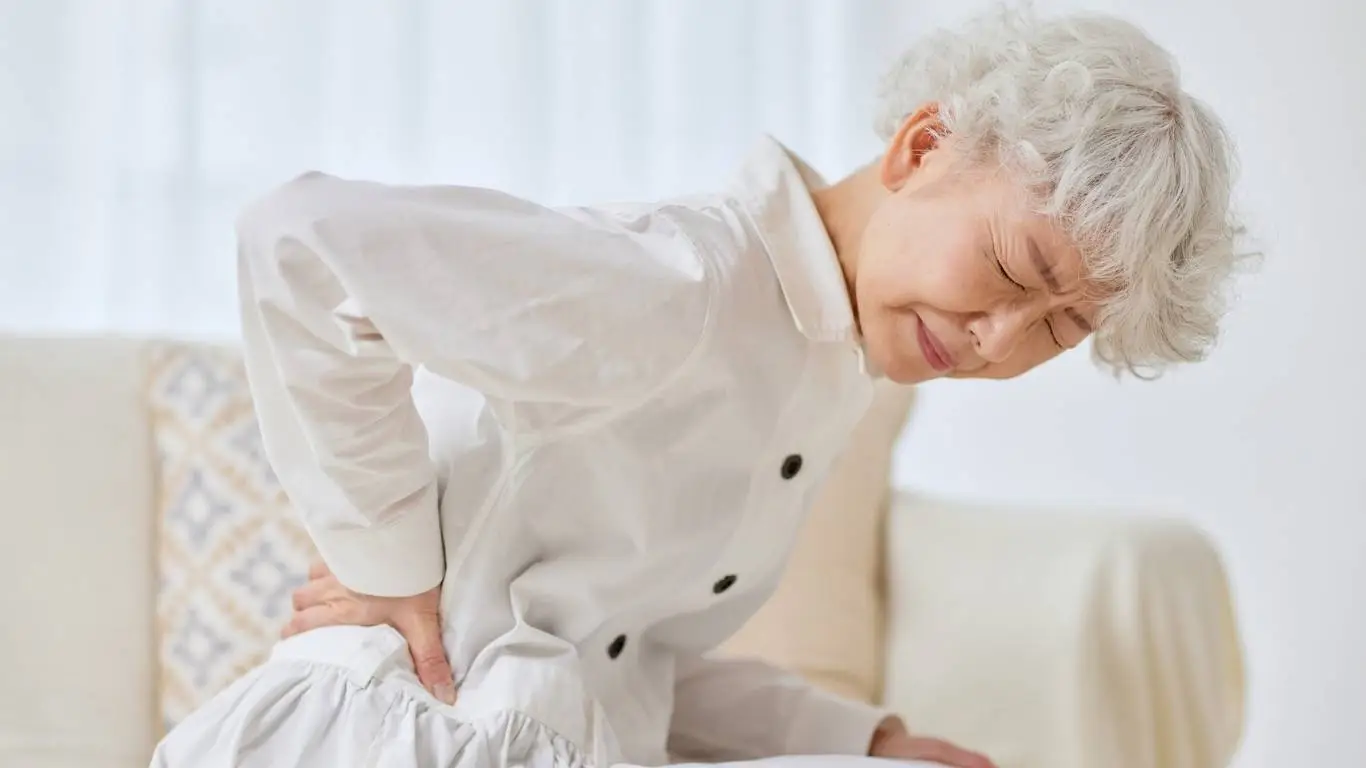
Your quads — that powerful group of four muscles at the front of your thighs — are key players in keeping your hips and pelvis stable. When they become overly tight (usually from lots of sitting, cycling, running, or even poor stretching habits), they start pulling your pelvis forward. This leads to something called anterior pelvic tilt.
Think of your pelvis as a bowl of water. If your quads are too tight, they’re tipping the bowl forward, spilling everything out the front. That tilt puts pressure on your lower back, messes with your core stability, and throws off your body’s entire alignment. And it happens subtly — you might not even notice until it starts showing up as chronic discomfort or visible postural issues.
Signs Your Quads Are the Problem
- Lower back tightness or pain after long periods of standing or walking
- Butt muscles that feel weak or “switched off”
- Hip flexors that feel tense or sore
- Pronounced curve in your lower back (hyperlordosis)
- Difficulty fully engaging your glutes during workouts
One of the biggest red flags I noticed personally was how my glutes just refused to activate during squats and deadlifts. My quads were doing all the work, and my lower back was paying the price.
How Pelvic Tilt Affects More Than Just Posture

Anterior pelvic tilt isn’t just a visual problem — it sets off a whole chain reaction in your body. That excessive lumbar curve compresses the spine, increases wear on discs, and limits how your hips and glutes can move.
And it’s not just limited to gym-goers or athletes. Office workers, teachers, drivers — anyone who sits a lot — can develop this imbalance over time. It’s also one reason why back pain in manual labor jobs becomes such a huge issue when physical strain is added on top of poor pelvic alignment.
Other Muscles That Get Affected
- Hamstrings: They get overstretched and weak trying to compensate
- Glutes: Can’t fire properly, leading to inefficient movement and more strain on the back
- Hip Flexors: Shortened and tight, working overtime to stabilize your pelvis
- Core Muscles: Out of sync, leading to poor spinal support
If this sounds familiar, you’re not alone. I thought I had a “bad back” for years, but it was really a combination of weak glutes and tight quads driving the issue. Once I started addressing pelvic alignment, my back felt better than it had in a decade.
Postural Imbalance Leads to Functional Problems
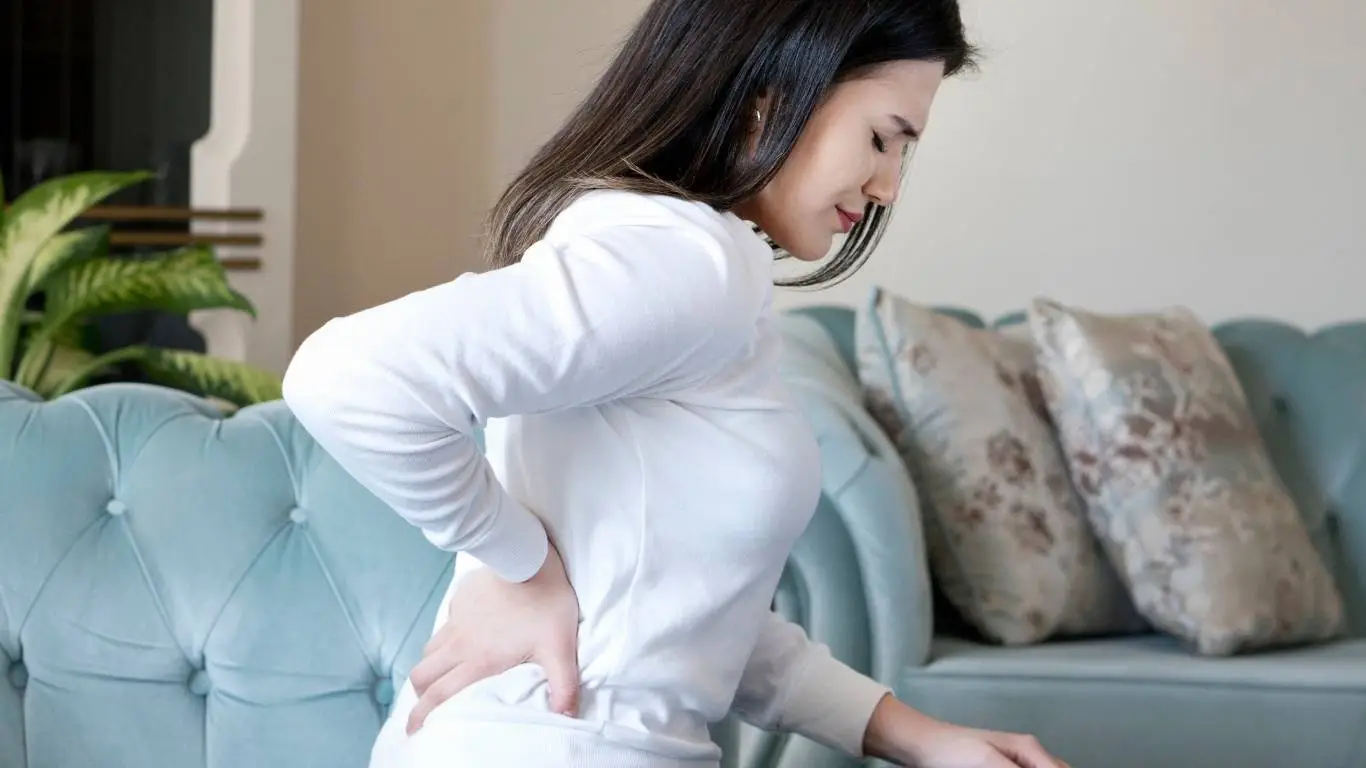
With your pelvis tilted forward, your entire posture shifts. Your shoulders may round, your neck starts pushing forward, and your center of gravity changes. It’s one reason why poor posture can lead to chronic back pain — because your muscles are always working overtime just to keep you upright.
Over time, this can contribute to long-term issues like:
- Disc degeneration
- Hip impingement
- Compressed nerves
- Decreased mobility and flexibility
Studies from ncbi.nlm.nih.gov and mayoclinic.org show how pelvic alignment influences spinal health and joint loading. It’s not just cosmetic or comfort — it’s mechanical health that affects movement and aging.
Why Tight Quads Are So Common (and Ignored)

We’re a society of sitters. Whether we’re hunched at desks, behind wheels, or scrolling for hours — the quads are in a shortened position most of the day. And if you’re hitting leg day hard but skipping recovery and flexibility work, it’s a double whammy.
What makes tight quads tricky is that they don’t always feel “tight” in the obvious sense. You might not feel pain in the thigh itself — instead, it shows up in other places like the lower back, hips, or knees. That’s why it’s crucial to understand the muscle imbalances causing back pain rather than just treating symptoms.
Plus, as I learned the hard way, stretching alone doesn’t fix it. You’ve got to lengthen tight muscles, activate the weak ones, and retrain your movement patterns — especially during everyday things like walking, standing, and lifting.
Don’t Ignore the Signs
It’s easy to brush this off — I did for years. But if your hips always feel “off,” your lower back flares up out of nowhere, or your posture keeps slipping despite your efforts, your quads might be at the root of it.
Learn more about how this ties into a full-body approach to posture, stability, and rehabilitation in our exercise, rehab, and ergonomics guide, or visit the main back pain resource hub for more insights.
How to Fix Tight Quads and Restore Pelvic Neutral

So how do you fix this mess? I wish I could say it was as simple as doing a few stretches, but the truth is — restoring pelvic alignment takes intention. I had to completely rethink how I approached lower-body workouts, core training, and even how I stood or walked.
The goal isn’t just to stretch your quads (though that’s part of it). You’ve got to tackle this from multiple angles:
1. Stretch the Quads (Properly)
- Use dynamic stretches before movement and static stretches after
- Focus on the rectus femoris — it crosses both the hip and knee joints
- Hold stretches for 30–60 seconds, don’t rush
One of my favorites is the couch stretch. It feels brutal at first, but it’s been a game-changer. If you’re consistent, you’ll notice your pelvis starting to “level out” over time. More stretching strategies for back pain can be a great addition to your routine here.
2. Activate the Glutes and Hamstrings
You can’t just loosen the front — you’ve got to strengthen the back. Otherwise, your pelvis won’t have the muscular support to stay in a neutral position.
- Glute bridges (with full contraction at the top)
- Romanian deadlifts to target the posterior chain
- Lunges with a forward torso lean to wake up the hamstrings
I used to feel almost nothing in my glutes. Now, after consistent work, I finally feel them firing. That alone took a ton of stress off my lower back.
Posture Re-Training and Core Integration

Once your muscles are balanced, it’s time to rewire how you move. That means retraining your posture — how you sit, stand, lift, and even sleep. I was shocked how much this part mattered. I kept undoing my progress by defaulting to bad habits throughout the day.
Focus Areas for Postural Reset:
- Pelvic positioning: Practice slight posterior pelvic tilt until it becomes second nature
- Core bracing: Learn to engage your deep core muscles (like your transverse abdominis)
- Breathing: Diaphragmatic breathing helps stabilize the pelvis and spine
This is where guided routines and coaching really helped. You might also want to look into virtual physical therapy tools that can walk you through posture correction at your own pace.
Don’t Skip Recovery Tools

After workouts or long workdays, your body needs support to bounce back. And no — foam rolling isn’t a magic bullet, but when used properly, it can help loosen fascia and improve tissue quality.
Helpful Tools I Use Weekly:
- Foam rollers for the front of thighs
- Lacrosse ball for pinpoint quad releases
- Massage guns on low intensity
- Occasional acupuncture for deeper release
If you’re into recovery modalities, don’t overlook how natural anti-inflammatory supplements can support healing from muscular stress. I’ve personally had great results from turmeric and omega-3s when used consistently.
When Tight Quads Become a Bigger Medical Concern

If you’ve been working on your mobility and posture for weeks and still don’t see progress, it may be time to look deeper. Structural issues like scoliosis, sacroiliac joint dysfunction, or even lumbar radiculopathy can mimic or amplify pelvic tilt symptoms.
Diagnostic tools like MRIs or movement assessments from professionals trained in functional patterns can help. And if you’re dealing with true nerve compression or disc involvement, something like radiofrequency ablation might be worth exploring — but only after conservative approaches are exhausted.
When to Talk to a Pro:
- Pain that radiates or includes numbness/tingling
- Loss of mobility or strength in one leg
- Visible pelvic rotation or tilt that worsens over time
I ended up seeing a movement specialist after my symptoms plateaued. The combination of corrective exercise and deep tissue therapy gave me the breakthrough I’d been waiting for.
Creating a Daily System That Keeps Your Pelvis Balanced

You don’t have to overhaul your life, but you do need consistency. Pelvic tilt caused by tight quads is a gradual problem — and solving it takes the same kind of gradual effort.
Daily Habits That Help:
- Quad stretches every morning and post-workout
- Standing desk or at least standing breaks every 30–60 minutes
- Glute activation warmups before leg training
- Posture check-ins during the day (shoulders, hips, spine)
- Sleep with knees slightly elevated if lying on your back
I created a 5-minute morning routine that includes quad mobility, hip opening, and light core activation. It’s kept my pelvis neutral and my lower back much happier than it used to be.
For deeper insight on how exercise, rehab, and ergonomics tie into overall pelvic stability, I highly recommend browsing through our guide on back pain rehabilitation strategies. You can also explore the main back pain hub for broader support resources.

Camellia Wulansari is a dedicated Medical Assistant at a local clinic and a passionate health writer at Healthusias.com. With years of hands-on experience in patient care and a deep interest in preventive medicine, she bridges the gap between clinical knowledge and accessible health information. Camellia specializes in writing about digestive health, chronic conditions like GERD and hypertension, respiratory issues, and autoimmune diseases, aiming to empower readers with practical, easy-to-understand insights. When she’s not assisting patients or writing, you’ll find her enjoying quiet mornings with coffee and a medical journal in hand—or jamming to her favorite metal band, Lamb of God.