How Harsh Gym Lighting Can Worsen Migraine Triggers
Let me be real with you—I’ve always been a bit of a gym rat. Lifting heavy things, sweating through a brutal HIIT class, riding the endorphin wave afterward—it’s my kind of therapy. But for years, I couldn’t figure out why I’d leave the gym not feeling accomplished, but *wrecked*. Not sore-wrecked. I’m talking pounding-headache, light-sensitive, nauseous-wrecked. Eventually, it clicked: the lighting. Gym lighting and migraine triggers are a sneaky combo, and once you’ve been hit by that post-workout migraine train, it’s impossible to ignore.
Why Gym Lighting Can Mess With Your Brain

Gyms are all about motivation, energy, and visibility—sure. But what they don’t tell you is that their lighting setup might be working against your brain. The culprits? Flickering fluorescents, harsh LEDs, and intense overhead spotlights.
Fluorescent Lights: A Silent Aggravator
Fluorescents might seem harmless, but they can flicker at a frequency that’s not visible to the eye yet absolutely brutal for migraine sufferers. I can’t count how many times I felt off after a session under buzzing ceiling lights, wondering if it was dehydration or hunger—until I realized the light itself was messing with my nervous system.
- Inconsistent brightness can overload sensory input
- Blue light emissions may trigger neurological responses
- Flicker rate (especially with old fixtures) worsens visual stress
Harvard researchers have pointed out how light exposure affects circadian rhythms and neurological function, which plays directly into migraine patterns. Combine that with gym exertion? It’s a recipe for head pain.
LEDs Aren’t Innocent Either
Many modern gyms swapped out fluorescents for LEDs to save money. Good move for the electric bill—not so great for light-sensitive folks. Certain LEDs emit higher levels of blue light, which can trigger migraines. According to Mayo Clinic, individuals prone to migraines are particularly vulnerable to this.
LEDs may also simulate natural daylight (which is cool), but in enclosed environments like gyms, that unnatural brightness bouncing off mirrors can overstimulate your visual cortex.
Common Migraine Triggers Lurking in Your Workout Space
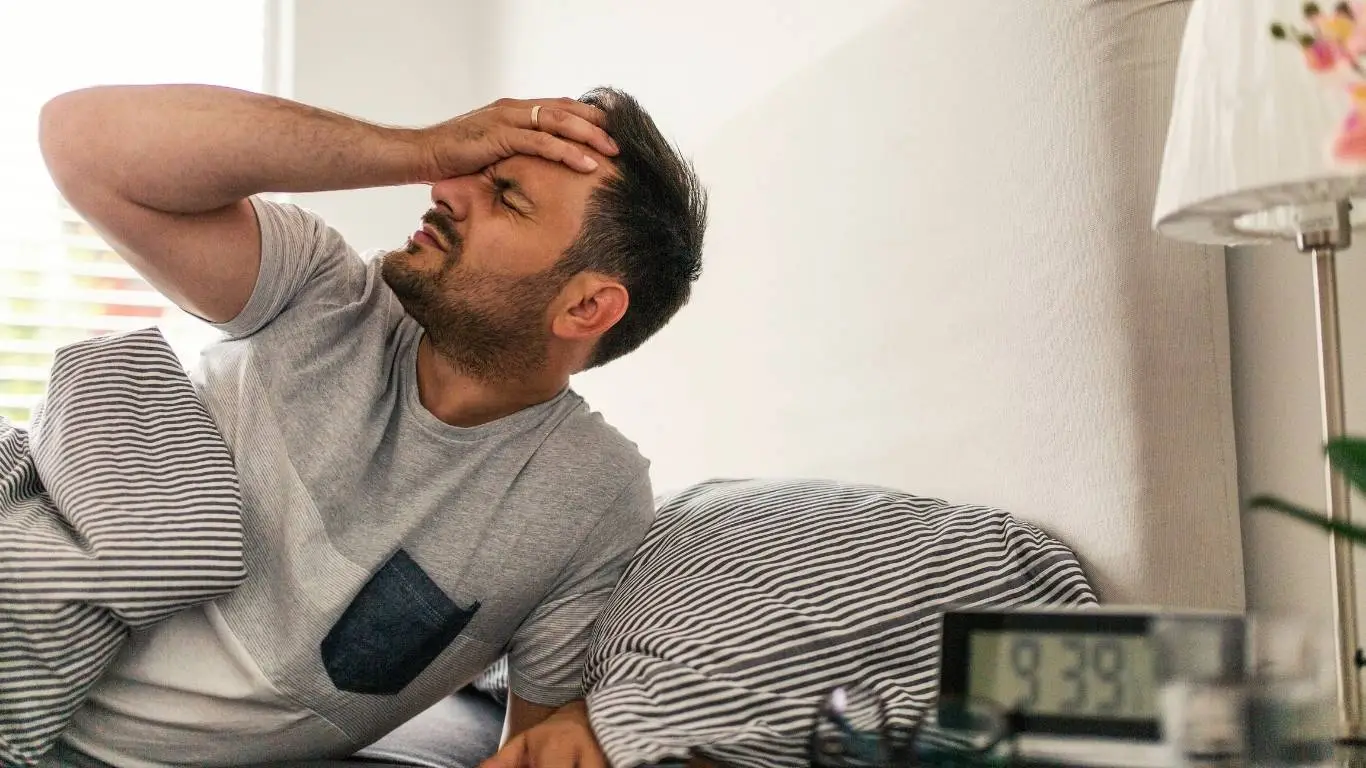
Lighting isn’t the only issue. It’s often a combination of triggers that lead to a migraine episode during or after a workout. Here’s what I’ve learned from my own patterns and comparing notes with other migraine sufferers:
- Exertion headaches combined with lighting fatigue
- Dehydration in artificially cooled spaces
- Strong smells (hello, cleaning agents and sweat)
- Loud music and echoing acoustics
- Poor air circulation adding to sensory overload
It’s not just about triggers. It’s how they layer on top of one another. Think of it like stacking weights on a barbell—each trigger adds pressure until your brain just can’t lift it anymore.
How to Work Out Without Wiping Yourself Out
Scout Your Environment
If your gym lets you tour during off-hours, do it. See how bright the lighting is, how many windows they have (natural light can help or hurt, depending on your sensitivity), and where the darkest corners are. I personally found a small studio with indirect lighting and haven’t looked back.
Bring Backup Gear
Migraine-prep is just as important as your gym shoes. I never leave without:
- Blue light filtering glasses (game changer)
- Cooling towel for neck pressure relief
- Hydration pack with electrolytes
- Noise-canceling earbuds when needed
Some people even swear by specialty eyewear for migraines, and it’s worth testing out if lighting is your kryptonite.
Modify Your Workout Routine
You don’t have to quit the gym—just get smart about how you train. Dim-lit yoga classes or slower strength sessions are way less triggering than high-speed cardio under disco lights. Try syncing your workout schedule to your body’s natural sleep rhythms to reduce vulnerability too.
When to Know It’s More Than Just a Headache

I used to brush off my post-gym symptoms as “just stress” or “not eating enough.” But if you’re feeling dizzy, seeing spots, getting nauseous or even losing partial vision, it might be more than a bad workout day. These are classic migraine warning signs.
Some even experience migraine with aura or visual distortions before the pain kicks in. That’s your body waving a giant red flag. Ignoring it can lead to more frequent, more intense episodes over time. Trust me—I learned that the hard way.
If you think lighting is triggering your migraines, consider keeping a migraine diary to track when symptoms spike. This helped me realize that Tuesdays at 7pm (aka my spin class slot) was consistently knocking me out for days.
To go deeper into how lighting and environment can trigger migraine symptoms, the article on migraine triggers is incredibly helpful. It breaks down various stimuli that can sabotage your health.
And for a broader understanding of the many overlapping symptoms and experiences people have, I always refer back to this main hub on migraines and headaches.
Better Lighting = Better Workouts (And Fewer Migraines)

Here’s the thing I wish someone told me years ago: not all lighting is created equal. Some setups are downright hostile to sensitive brains. Others? A dream. Once I figured out how to control my environment—or at least adapt to it—working out became enjoyable again.
Natural Light Wins, But Be Selective
If you have access to a gym with large windows and good airflow, that’s a huge win. But even natural light can become a trigger when it reflects off shiny floors or mirrors. Watch out for direct sun glare during certain hours of the day. One of my go-to tricks? Booking a mat near diffused lighting instead of a sun-blasted window corner.
Don’t underestimate the power of controlled daylight. Your best workout might happen in a studio with sheer curtains and soft shadows instead of neon bars and disco ball reflections.
Smart Lighting and Gyms of the Future
Forward-thinking fitness studios are starting to incorporate lighting that adjusts based on the time of day or class type. Dimmer lights for yoga, warmer tones for evening classes—stuff like that makes a difference. One facility even let me bring up my sensitivity in a consultation, and they swapped out a flickering panel near my station. Magic.
There’s actually some tech behind this. According to researchers at NIH, ambient lighting and color temperature can affect neurological activity, including how we process pain and discomfort.
Lighting-Friendly Workout Spaces at Home

Can’t find a gym that works for you? Build one. Even in a small corner of your living room, you can create a migraine-safe workout zone that respects your body’s needs.
Lighting Tips for DIY Home Setups
- Use warm LED bulbs (look for 2700K–3000K range)
- Diffuse your light with lampshades or soft white panels
- Avoid direct overhead lights; try side-angle fixtures
- Install dimmers so you can adjust brightness as needed
I invested in a pair of color-shifting bulbs and set them on a timer. They slowly warm up to a soft glow when I start my warm-up. Not only did my migraines decrease, but my motivation shot up too.
Don’t Forget Screen Time
If you’re following workouts on your phone, tablet, or smart TV, don’t forget those devices emit blue light too. Apps like migraine tracking tools sometimes double as fitness guides—just use night mode or blue light filters if you’re watching closely during a session.
Products Worth Trying for Migraine-Safe Workouts

I’ve tried everything from blackout sunglasses to awkward visors in spin class. Some worked. Some just made me look like a sci-fi villain. Here’s what actually helped, migraine-wise:
- FL-41 tinted glasses: Filter specific light wavelengths that trigger migraines
- Smart LEDs: Change warmth and brightness with your phone
- Anti-glare mirrors: Reduce visual chaos in home gyms
- Neck cooling wraps: Help manage core temperature and migraine onset
- Compression headbands: Surprisingly effective for pressure relief
If you want to take it a step further, check out the tools and gadgets reviewed in top migraine relief devices. Some people find serious relief using wearables like Nerivio or Cefaly, especially when combined with physical activity.
Helping Gyms Understand Migraine-Safe Design

Many fitness centers simply don’t know how their environment affects sensitive users. That’s starting to change—but slowly. I actually shared resources from light sensitivity and migraines with my trainer, and we were able to set up a migraine-safe corner in our local gym.
Ways Gyms Can Be More Inclusive
- Offer dimly lit zones for recovery or stretching
- Use indirect lighting in yoga and low-impact rooms
- Allow members to opt-out of overhead lights during small classes
- Install flicker-free LED panels or lamps in open floor areas
Trainers should also recognize the difference between exertion-related discomfort and migraine pain. It’s worth encouraging staff to learn about the neurological basis of migraines so they can better support clients instead of brushing them off as just “not tough enough.”
When Lighting Triggers Worsen Other Migraine Symptoms

It’s not just the headache. Sometimes, lighting-related migraines trigger a cascade of other symptoms. Dizziness, visual disturbances, even weird nausea that kicks in *after* you cool down.
In some cases, people experience migraine dizziness or vestibular-type responses that can last for hours. I once had a full-on vertigo episode walking out of a fluorescent-lit locker room. Not cute.
And then there’s the crossover with neck tension—especially after lifting or boxing. If you’re also dealing with neck pain and migraines, lighting just adds more strain on already-tense muscles.
Fueling Your Body to Handle Triggers Better
Lighting can be unpredictable, but one thing we can control is what we put in our bodies before and after a workout. I started working with a nutritionist who understood the migraine-diet connection, and it made a massive difference.
My Go-To Pre-Gym Ritual
- Hydrate with water + a pinch of sea salt
- Snack on almond butter toast (no triggering additives)
- Quick meditation or grounding before stepping into the gym
Supplements also came into play. I had success with magnesium and B2, both of which are discussed in-depth in the vitamin B2 and B6 article.
For more holistic approaches beyond lighting control, the natural remedies guide at migraine natural remedies is worth bookmarking.

Bianca Nala is a compassionate Nurse Practitioner with a strong background in primary and respiratory care. As a health writer for Healthusias.com, she combines her clinical expertise with a talent for clear, relatable storytelling to help readers better understand their health. Bianca focuses on topics like asthma, COPD, chronic cough, and overall lung health, aiming to simplify complex medical topics without losing accuracy. Whether she’s treating patients or writing articles, Bianca is driven by a single goal: making quality healthcare knowledge accessible to everyone.