Why Migraines Caused By Sweat Loss Are Often Ignored
Alright, so here’s the thing — I never used to think twice about how much I sweat. I’d power through hot yoga, summer hikes, or just a packed subway ride without a second thought. But over time, something weird started happening. I’d get these brutal migraines — not just little headaches, but full-blown, take-you-out-for-the-day kind of migraines. At first, I blamed stress, screen time, or lack of sleep. But then it hit me (and believe me, the irony isn’t lost): I was sweating my way into migraines.
How Sweat Loss Can Trigger Migraines

Now, let’s be real — sweating is a natural, healthy way to regulate body temperature. But losing too much fluid and electrolytes without proper replenishment? That’s where things can go sideways. When you sweat a lot and don’t drink enough water or replace key minerals like sodium and magnesium, your body can become dehydrated. And dehydration is a notorious migraine trigger.
What’s wild is how many people overlook this. I certainly did. I’d guzzle coffee post-workout (a diuretic, by the way — bad move) and skip water because I “wasn’t thirsty.” The headaches became frequent, and when I finally tracked them in a migraine diary, a pattern emerged — they almost always followed heavy sweating sessions.
But what’s the actual mechanism here?
- Drop in blood volume: Less fluid in your system = lower blood pressure = reduced oxygen to the brain.
- Electrolyte imbalance: Sodium, potassium, and magnesium are critical to nerve function. Without them, your brain gets irritable (literally).
- Increased body temperature: Overheating stresses the body, and boom — migraine city.
Hydration alone isn’t always enough. If you’re sweating buckets, especially during endurance workouts or hot environments, you need more than just water.
Warning Signs: When You’re Losing Too Much
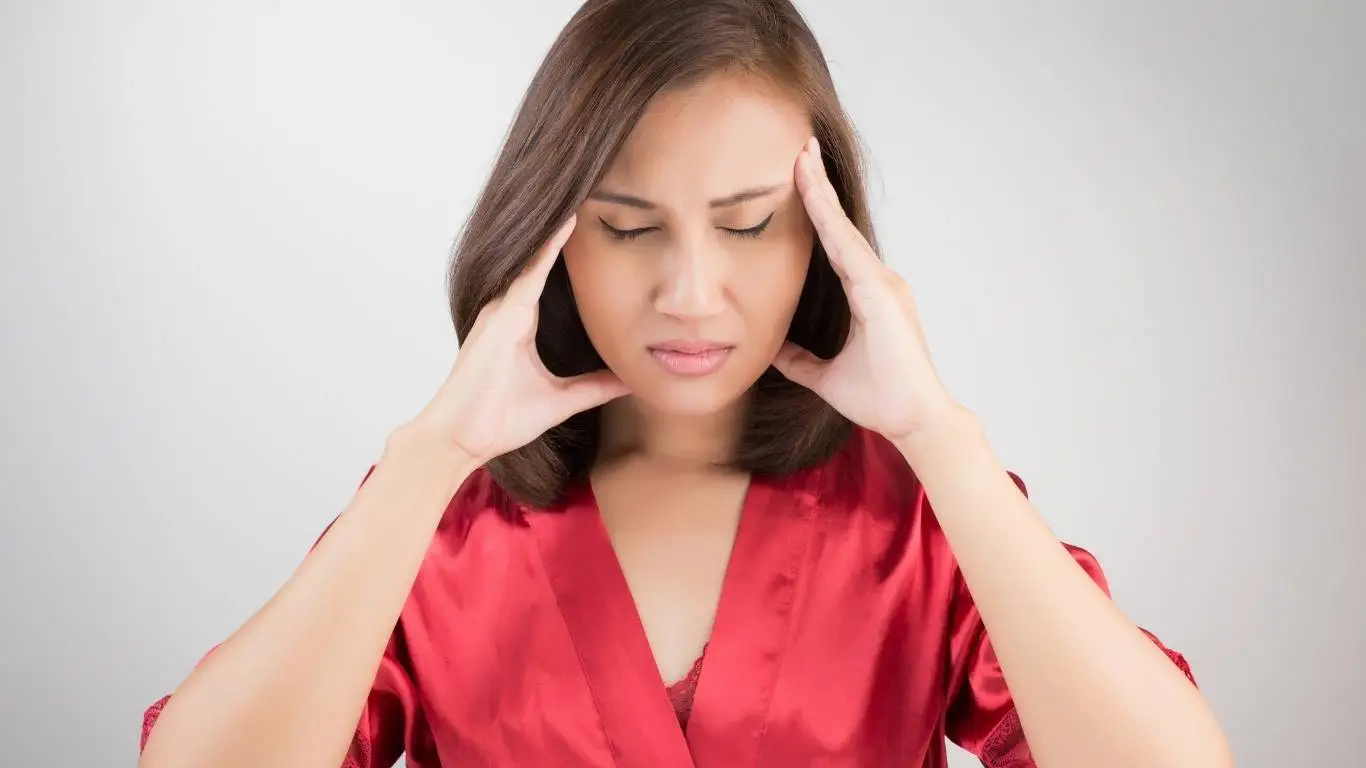
Most of us shrug off the signs. “I’m just tired,” we say. But subtle red flags can sneak up and bite you. If any of these hit home, you might be heading for a dehydration-related migraine:
- Dry mouth or lips
- Dizziness or lightheadedness
- Cramping muscles (hello, magnesium loss)
- Throbbing headache that worsens with movement
- Dark yellow urine (yes, check it!)
I used to ignore these. I’d chug water *after* symptoms appeared, but by then it was too late. Prevention really is the best medicine here.
Who’s More at Risk?

While anyone can experience migraines from sweat loss, some folks are more vulnerable than others. If you fall into one of these categories, it’s time to pay extra attention:
- Endurance athletes (especially runners, cyclists, or hot yoga enthusiasts)
- People working outdoors in high temps or humidity
- Individuals with naturally high sweat rates
- Those with existing migraine conditions or sensitivity to environmental changes
It’s also worth noting that hormonal changes can make some people (especially women) more sensitive to fluid shifts, making sweat loss even more of a trigger during menstruation, pregnancy, or menopause.
Why Hydration Isn’t Just About Water

Let’s talk electrolytes for a sec. If you’ve ever pounded a bottle of water and still felt off, there’s a reason. Water alone can dilute your sodium levels — especially if you’re chugging tons of it post-sweat. That can backfire and actually worsen the migraine.
Instead, focus on balanced hydration. Here’s what helped me:
- Sipping electrolyte-enhanced water before and after intense workouts
- Eating magnesium-rich foods like almonds, spinach, and bananas
- Using sea salt or electrolyte tabs in my water bottle on extra sweaty days
I also keep a few migraine-friendly snacks handy to balance blood sugar and sodium — like trail mix with pumpkin seeds and dried fruit.
Keeping a Sweat-Migraine Diary

If you’ve ever felt like your migraines were “random,” tracking is a game-changer. It took me months of scattered guesswork before I committed to a simple system: date, activity, amount of sweat (yes, even a rough guess), hydration, food intake, and symptoms.
Eventually, I saw it — long walks in the summer, yard work without breaks, post-sauna sessions. I’d sweat a ton, drink nothing but iced coffee or wine (oops), and wonder why my head felt like it was splitting.
Start small. Even just jotting down when the migraine started and what your sweat levels and hydration looked like earlier in the day can connect some powerful dots. For more ideas, check out this guide to how migraines are diagnosed.
If you’re curious about broader triggers, visit our guide on migraine triggers. It’s one of the most comprehensive rundowns you’ll find anywhere.
To get a solid overview of migraine causes, symptoms, and how they affect different people, head over to our full main migraine guide.
Smart Sweat Strategies: Prevent the Migraine Before It Starts

After battling with sweat-induced migraines more times than I can count, I started to tweak my habits — not in extreme ways, just smarter. The good news? You don’t have to give up your workouts, sauna sessions, or even summertime fun. You just need a game plan.
Here’s what started working for me:
- Pre-hydration matters: I drink at least 16 oz of water with electrolytes 30 minutes before any high-sweat activity.
- Set reminders to hydrate during longer workouts — a smartwatch or app helps, especially if you’re like me and forget mid-run.
- Post-sweat snack: Something salty and magnesium-rich, like roasted edamame or salted dark chocolate almonds.
- Limit caffeine and alcohol right after sweating — both can worsen dehydration.
It sounds basic, but when I got serious about consistent recovery habits (hydration, rest, sleep), the migraines came far less often. I didn’t stop sweating — I just stopped ignoring what my body needed after.
Signs You’re Rehydrating Wrong

This one threw me off early on — I thought, “Well, I’m drinking a ton of water. Why am I still getting migraines?” Turns out, overhydration (aka water without electrolytes) can mess you up too. It dilutes your sodium levels, creating something called hyponatremia, which can actually trigger migraines on its own.
Look out for these red flags:
- You’re urinating constantly but still feel thirsty or foggy
- You feel bloated or nauseous after hydrating
- Your migraines get worse after chugging plain water
If any of these sound familiar, switch up your approach. I started using natural electrolyte blends or even a pinch of sea salt and lemon in my water — simple, effective, and no more migraines from “overhydrating.”
Best Electrolyte Sources to Support Migraine Prevention

I used to reach for the brightly colored sports drinks, but they’re packed with sugar and artificial stuff that made me feel worse. Now, I keep it more natural — and surprisingly delicious.
My go-to favorites:
- Coconut water – High in potassium and feels like a tropical break
- Watermelon + pinch of salt – Post-workout perfection
- Homemade chia water – Chia seeds + lime + sea salt + water. Hydrating and packed with omega-3s too
- Bananas + salted nut butter – Magnesium, potassium, and protein in one easy bite
There’s also growing evidence that magnesium plays a huge role in migraine prevention, especially for those triggered by dehydration or hormonal shifts. It’s one of the few supplements I actually noticed working — I take it regularly now, especially before a hot day or workout.
When to Worry: Migraine or Something More?

Let’s be real — not every headache after sweating is just dehydration. There were a few episodes where my symptoms went beyond the usual migraine: numbness, trouble speaking, even some vision issues. That’s when I realized I needed a doctor involved.
If you ever notice:
- Vision loss or double vision
- Confusion, slurred speech, or difficulty walking
- Weakness or numbness on one side of your body
…get medical help immediately. These could signal more serious types of migraine, like migraine with aura or even hemiplegic migraine — both of which require a proper diagnosis and treatment plan. It’s not something you want to self-manage with coconut water and crackers.
Helpful Tools and Lifestyle Adjustments

Tech to the rescue. If you’re the data-loving type (or just forgetful like me), a few simple tools can go a long way in helping avoid sweat-triggered migraines:
- Smartwatches that track sweat, temp, and hydration cues
- Migraine tracker apps that log triggers, symptoms, and fluid intake
- Water bottles with timers or LED reminders — not fancy, but super effective
For me, simply tracking how much I sweat and how often I rehydrate made the biggest difference. Knowledge really is power — especially when your brain is begging you to cool it (literally).
Give Your Body a Break (Seriously)

Here’s something I had to learn the hard way: powering through isn’t always brave. Sometimes it’s just not smart. If you’ve been sweating all day, pushing your limits, and skipping breaks, that migraine is your body screaming for help.
Whether you’re a fitness junkie or just have a busy outdoor job, it’s okay to slow down. Take a cool shower. Eat something salty. Nap. Do literally anything but ignore the signals. It’s not weakness — it’s self-preservation.
For a broader look at treating and preventing recurring migraines from all kinds of causes (not just sweat loss), check out our detailed guide on migraine prevention.
And if you want the complete picture on what migraines are, how they differ from headaches, and all the science behind them, head to our Understanding Migraines resource. It’s the perfect foundation to start connecting the dots.

Bianca Nala is a compassionate Nurse Practitioner with a strong background in primary and respiratory care. As a health writer for Healthusias.com, she combines her clinical expertise with a talent for clear, relatable storytelling to help readers better understand their health. Bianca focuses on topics like asthma, COPD, chronic cough, and overall lung health, aiming to simplify complex medical topics without losing accuracy. Whether she’s treating patients or writing articles, Bianca is driven by a single goal: making quality healthcare knowledge accessible to everyone.