Best Ways to Reset Vaginal pH Naturally Without Harsh Products
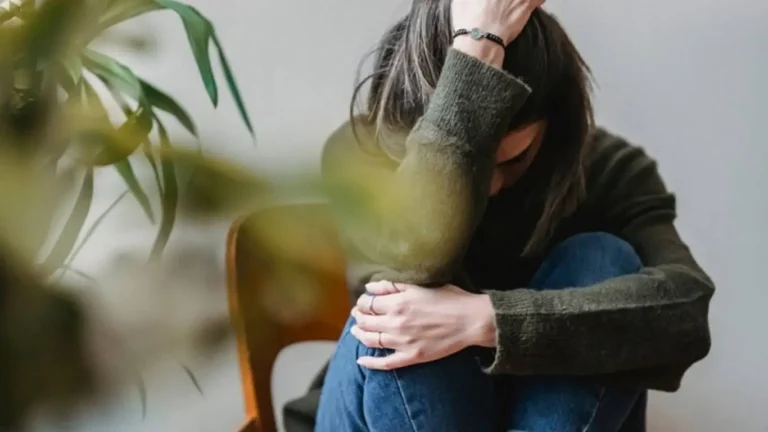
You know that uncomfortable feeling when things just feel… off? I’ve been there. At one point, I found myself constantly googling, “Why does my vaginal pH feel out of balance?” without really understanding what that even meant. Turns out, a lot of us don’t realize how delicate the vaginal ecosystem is — until something feels wrong. But good news? You can reset your vaginal pH naturally without always rushing to antibiotics or harsh treatments. Here’s what actually worked for me (and what science backs up too).
What Even Is Vaginal pH and Why Does It Matter?

The term *pH* refers to how acidic or alkaline something is, on a scale of 0 to 14. Your vagina naturally sits at a slightly acidic pH of about 3.8 to 4.5. This acidic environment is *not* a problem — it’s what keeps everything in balance by preventing the overgrowth of harmful bacteria.
But when your pH rises (becomes more alkaline), things can go sideways. You might notice odd discharge, an unpleasant odor, or irritation. It can also make you more prone to issues like vaginal odor or bacterial vaginosis (BV).
Signs Your Vaginal pH Might Be Off

Let’s be real: when your vaginal pH is off, your body has a way of letting you know. From personal experience, here are the subtle (and not-so-subtle) red flags:
- Unusual discharge — grayish or with a fishy smell
- Itching or burning, especially after sex
- Dryness or discomfort during intercourse
- Recurring infections you can’t seem to shake
If you’re nodding along, you’re not alone. These symptoms are surprisingly common — and often overlooked. But trust me, ignoring them won’t make them go away.
Why pH Gets Thrown Off (Without You Realizing It)

It’s not always about bad hygiene. Sometimes, it’s the opposite. Common culprits that mess with your vaginal pH include:
- Using scented soaps or douching (please don’t!)
- Antibiotics, which wipe out good bacteria too
- Hormonal shifts (menstruation, pregnancy, or menopause)
- Unprotected sex — semen is alkaline
- Stress (yep, it plays a bigger role than you think)
Curious about how hygiene habits might be sabotaging your balance? You’ll want to check out this breakdown on hygiene habits and BV.
Resetting Vaginal pH Naturally: What Actually Works

Resetting your pH doesn’t mean you need a medicine cabinet full of products. Natural, gentle adjustments are often the most effective. Here’s what worked best for me — and what health experts recommend too:
1. Probiotics – Your Vaginal BFF
I started incorporating probiotic-rich foods like kefir and plain yogurt into my routine (and sometimes applied yogurt directly — yes, it’s messy but effective). Probiotics help rebuild healthy flora. For more info, check out the probiotics-for-BV guide.
2. Apple Cider Vinegar Baths
Not as scary as it sounds! I’d add about a cup of raw, unfiltered ACV to a warm (not hot) bath and soak for 15–20 minutes. It helped me feel balanced and refreshed. Learn the right way to do it here.
3. Say No to Scented Products
If your soap smells like flowers, it probably doesn’t belong near your vagina. Switch to unscented, gentle cleansers — or just rinse with warm water. That’s more than enough.
4. Coconut Oil for Soothing
I was skeptical at first, but organic coconut oil turned out to be a gentle moisturizer and antimicrobial. Especially helpful during dry spells or post-antibiotic recovery. Learn more here.
5. Hydration + Diet Tweaks
What you eat matters. I noticed a huge difference after cutting back on sugar and processed carbs — apparently, bad bacteria love sugar. Curious? The diet guide breaks it down simply.
When You Might Need a Little Extra Help

If your symptoms keep coming back no matter what you try, you’re not doing anything wrong — it might just be time to investigate deeper. I had to ask my OB-GYN about recurring BV, and she gave me insights I never found on blogs. Learn more about long-term prevention strategies that go beyond surface fixes.
Sometimes the issue isn’t just pH — it’s recurring infections, gut health, or immune response. For a complete understanding, the recurring BV guide is incredibly helpful.
For everything BV-related — causes, treatment, and lifestyle tips — this comprehensive BV guide is your go-to. You can also explore the main article on BV causes and risk factors to better understand the full picture.
Oh, and if you want to double-check whether it’s really BV or something else? This breakdown of BV vs. yeast infections saved me a lot of guessing.
And just FYI, sites like Mayo Clinic, CDC, and NCBI also have some pretty trustworthy information if you want to go full research mode.
Beyond Basics: What Really Helped Me Reset and Maintain pH Balance Long Term
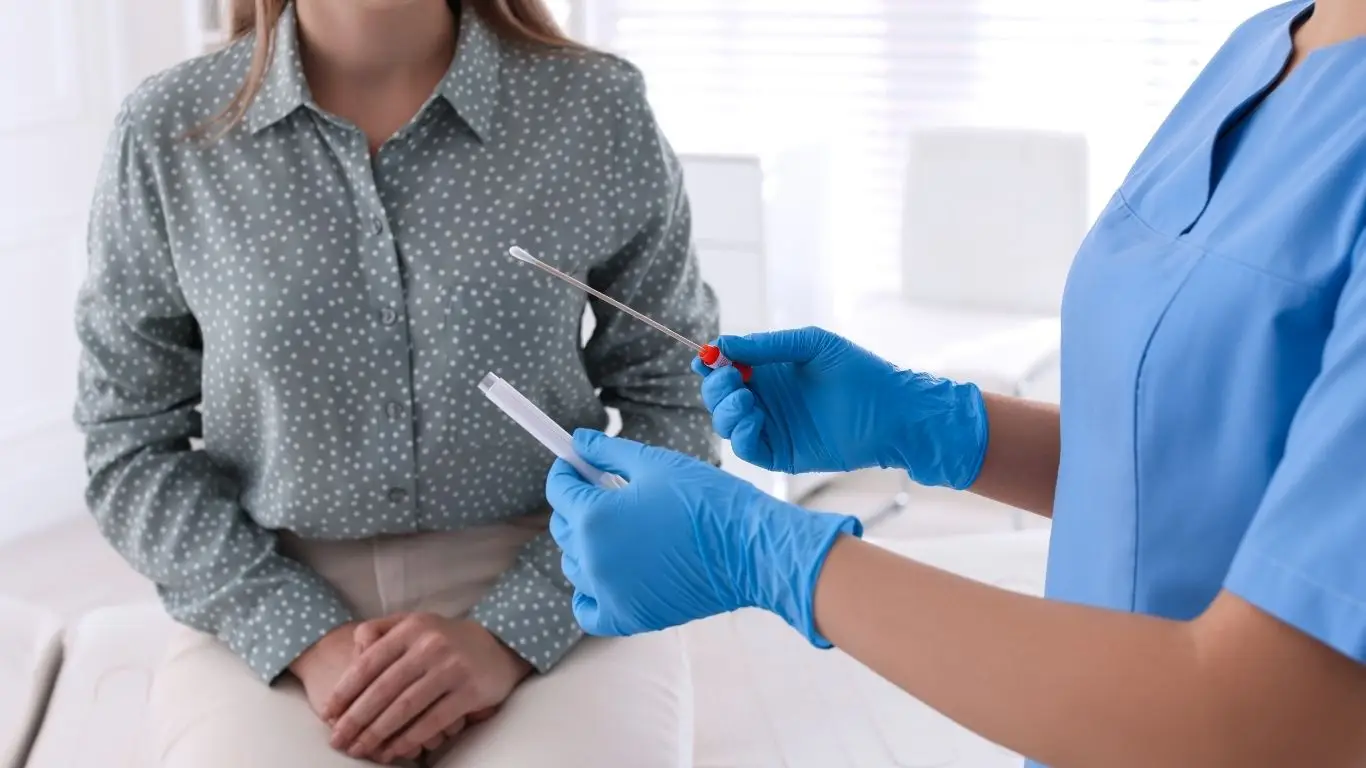
After months of trial and error, I realized natural pH balance is more of a lifestyle than a one-time fix. Once I stopped relying on “quick” remedies and focused on consistency, things finally clicked. Here’s what made the long-term difference for me:
1. Switching to Cotton Underwear (and Saying Goodbye to Tight Pants… Mostly)
I used to love my silky underwear and yoga pants — until I learned how poorly they let your skin breathe. Moisture builds up fast, and that’s a perfect recipe for imbalance. Swapping in 100% cotton undies and letting things air out at night (yes, commando under loose PJs) changed everything. Learn more in this guide on underwear and BV prevention.
2. Cleaning Up My Sex Routine
This one surprised me. I didn’t realize semen’s alkaline nature can throw off vaginal pH for hours — even days. Now I always pee after sex, rinse with warm water (never soap), and use protection more consistently. And we’re both happier for it. Read more about the connection between sex and BV here.
3. Managing Stress Like It Actually Matters
I used to brush this off, but chronic stress really does affect your microbiome — including your vaginal flora. I started incorporating light yoga, journaling, and setting firmer boundaries. Funny enough, once I got my mental health in check, the constant discomfort stopped showing up too. There’s a deep dive on that connection right here.
4. Tracking My Cycle and pH Symptoms Together
I didn’t know how much menstruation could spike vaginal pH — until I started tracking it. Now, around my period, I’m extra cautious: more probiotics, gentle rinses, and absolutely no new products. Curious why that happens? Here’s the science behind BV after your period.
Natural Products That Actually Work (and Don’t Burn, Sting, or Smell Like a Spa Gift Basket)

Once I figured out my triggers, I became super picky about what I put down there. These were the game-changers that actually soothed, instead of irritated:
- Tea Tree Oil (Diluted!) – A natural antibacterial that helped me rebalance after flare-ups. Full breakdown on safe usage here.
- Boric Acid Suppositories – I use this only occasionally when symptoms start creeping in. It’s a solid backup when things feel off. Read how it works for BV support here.
- Unscented pH-Balanced Wipes – These are lifesavers post-gym or during travel. Just make sure they’re alcohol-free and fragrance-free.
I also avoid douching like the plague (seriously, don’t do it). If you’re still on the fence, read this on why douching is not your friend.
How Long Does It Take to Fix pH Imbalance Naturally?

I wish I could tell you it takes three days and you’re done — but real talk, it varies. For me, it took about two weeks of sticking to a natural routine before I started feeling normal again. Sometimes, it takes longer.
If you’re using natural methods consistently, you might start noticing improvements in:
- 3–5 days: Less irritation and odor
- 7–10 days: Discharge normalizes
- 2–3 weeks: Everything feels balanced again
That said, chronic cases might need extra help. Learn when to consider additional treatment in this guide on healing time for BV.
What to Do If Natural Remedies Don’t Work

Let’s say you’ve tried everything. You’re taking probiotics, eating clean, managing stress — and still, symptoms linger. That was me too. It turns out, recurring BV sometimes needs a more customized medical approach.
In these cases, your provider might recommend:
- Metronidazole (oral or gel)
- Clindamycin (cream or oral)
- Partner treatment (yep, sometimes it’s a two-person problem)
There’s even evidence that combining antibiotics with long-term probiotic use can help prevent relapse. If you’re not sure whether to treat your partner, this article has helpful insight.
Closing Thoughts: Balance Is a Practice, Not a One-Time Fix

Resetting your vaginal pH naturally is 100% doable — but it’s also about staying in tune with your body. The more you understand your own rhythms, triggers, and responses, the more empowered you’ll feel. Whether you’re navigating this solo or with support, the journey to balance is one worth taking.
You don’t have to do it perfectly. Just consistently. And when in doubt, trust your gut (and your vagina).
For more expert-backed info, this in-depth BV guide is a must-read. And if you’re looking for specifics on everyday prevention, definitely check out the complete piece on BV prevention tips.
Trusted external resources worth bookmarking: CDC, Planned Parenthood, and NCBI.

Dr. Gwenna Aazee is a board-certified Internal Medicine Physician with a special focus on hypertension management, chronic disease prevention, and patient education. With years of experience in both clinical practice and medical writing, she’s passionate about turning evidence-based medicine into accessible, actionable advice. Through her work at Healthusias.com, Dr. Aazee empowers readers to take charge of their health with confidence and clarity. Off the clock, she enjoys deep dives into nutrition research, long walks with her rescue pup, and simplifying medical jargon one article at a time.