Why Motorcycle Riders Struggle With Lower Back Tension
There’s something uniquely freeing about taking your motorcycle out for a ride—the hum of the engine, the open road, the connection to every mile. But let’s be honest. If you’re anything like me, after about an hour, your lower back starts sending signals that it’s had enough. Sound familiar? That nagging tension can creep up out of nowhere and ruin even the most scenic ride. So, let’s unpack why so many of us motorcycle riders struggle with lower back tension, and more importantly—what we can actually do about it.
Why Motorcycle Riding Wrecks Your Lower Back

Seating Position Isn’t As Cool As It Looks
Let’s talk posture—because our beloved riding stance isn’t doing us any favors. Whether you’re leaning forward on a sportbike or sitting upright on a cruiser, most positions force the spine into unnatural curves for extended periods. This leads to lumbar compression, strained muscles, and eventually inflammation. I started noticing tightness in my lower back during long weekend rides, and it turns out, slouching slightly or hunching over the tank was the culprit.
According to Spine-Health, prolonged spinal flexion like this can exacerbate pressure on discs, leading to herniation or degenerative changes if left unchecked.
Vibration and Road Impact
Unlike cars, motorcycles don’t have the luxury of a cushy suspension and ergonomic seatbacks. Every bump and pothole travels directly up the seat and into your spine. Over time, that constant vibration causes small but cumulative damage to spinal joints and surrounding tissue. Think of it as thousands of microshocks delivered to your lower back.
- Muscle fatigue builds faster with road impact.
- Vertebral discs are compressed repeatedly.
- Blood flow is restricted to lower back muscles.
This is why riders with chronic pain often show signs of herniated discs or inflammation long before they hit middle age.
The Weight of Your Gear Makes It Worse
Don’t underestimate how much your backpack or protective gear adds to the load. I used to wear a heavy tail bag over my shoulders and thought nothing of it—until I realized it was shifting my center of gravity just enough to pull on my lower back every ride.
Even helmet weight and riding boots play a role. Over time, this added stress leads to uneven muscle engagement, leaving one side of your back tighter than the other. It’s a slow burn until the pain becomes consistent.
How to Reduce Lower Back Tension Without Quitting Riding

Dial In Your Riding Ergonomics
Start with the basics: handlebar height, seat angle, and foot peg position. A few centimeters can make a world of difference. On my own bike, I swapped out the stock bars for slightly raised ones and tilted my seat forward just a touch—instantly took pressure off my lumbar spine.
Consider installing lower back support pads on your seat or using a gel insert. These help absorb road impact and promote better posture.
Stretch Before You Saddle Up
Stretching sounds like a no-brainer, but many riders skip it. A short five-minute routine before hopping on your bike can significantly reduce tension buildup during the ride. Some moves that help me:
- Hip flexor stretch to counteract tight quads.
- Cat-cow spine mobility work for flexibility.
- Glute activation to stabilize the pelvis.
These stretches not only improve ride comfort but also reduce post-ride soreness. More on these can be found in the stretching section here.
Strengthen the Muscles That Hold You Upright
If you’re not hitting the gym or doing bodyweight core work, you’re leaving your spine unsupported. Motorcycle riding requires subtle but constant engagement from your core and lower back muscles. Without a strong foundation, those muscles fatigue fast, leaving the spine vulnerable.
Include these exercises in your weekly routine:
- Planks (front and side)
- Bird-dogs
- Glute bridges
You’ll feel a difference in posture and endurance almost immediately. I followed a simple rehab guide from this pillar article on back pain and rehab and noticed improvements within two weeks.
Listen to Your Body—And Adjust Mid-Ride
Breaks Are Not Optional
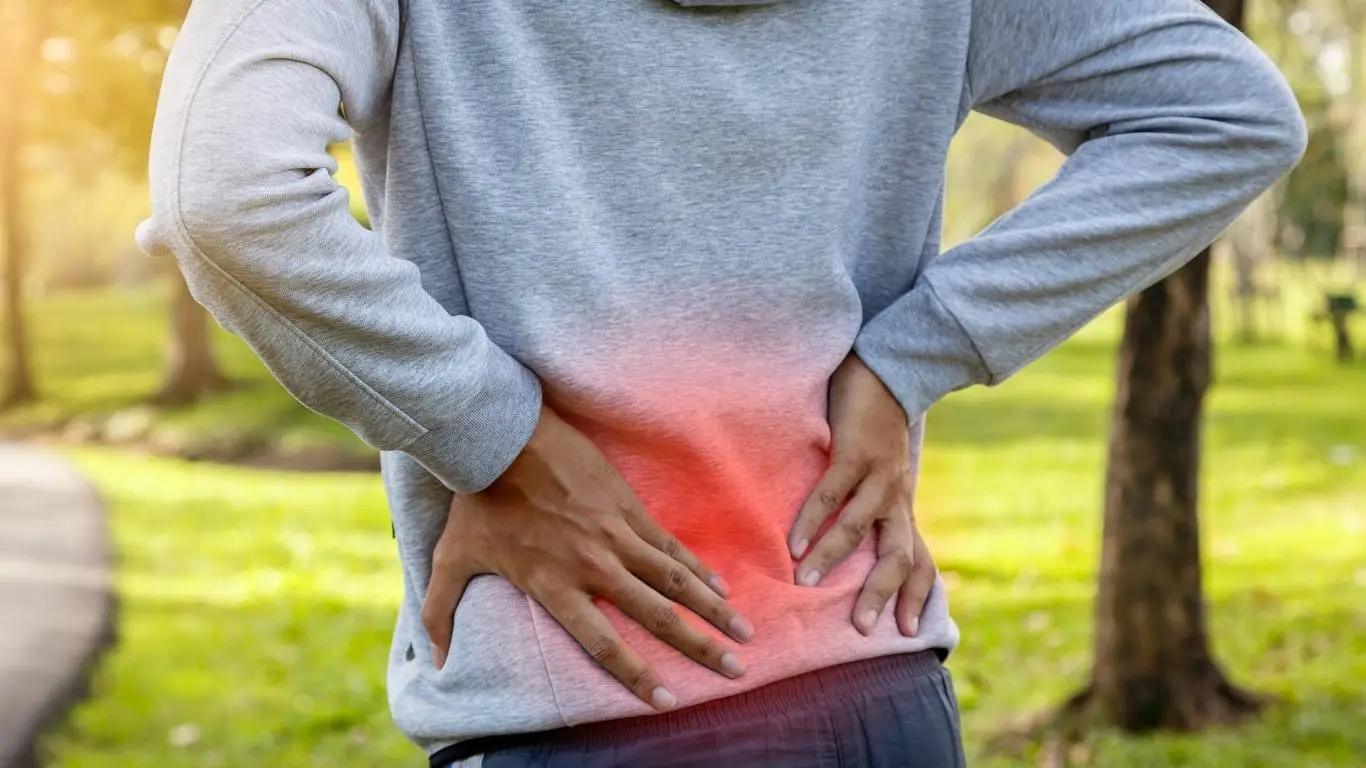
It’s tempting to power through a ride, but if you’re doing more than 45 minutes without a break, you’re asking for trouble. Stop, get off the bike, stretch, walk a few steps. These micro-breaks let your spine decompress and give your muscles a reset.
I usually take a quick pause every gas stop to do a simple toe touch or hamstring stretch. It sounds minor, but it’s been a game-changer for long hauls.
Be Mindful of Post-Ride Recovery
How you treat your body after a ride matters just as much. Skip the Netflix slump on the couch and instead do a gentle cooldown—foam rolling, a walk, or even a hot shower with light stretching. Recovery strategies like hot and cold therapy can make a huge difference, especially after longer rides.
More riders are also turning to methods like acupuncture or targeted massage therapy as part of a post-ride recovery routine—and I can personally vouch for the relief they provide.
Know When It’s More Than Just Tension
Sometimes what feels like “just a tight back” could be a sign of something deeper—like disc issues, sciatica, or even referred pain from other organs. If your discomfort becomes chronic or spikes after short rides, it’s time to seek evaluation.
This symptoms and diagnosis guide breaks down warning signs that shouldn’t be ignored.
For more in-depth insight into causes and treatment approaches, you can also check the full back pain main pillar here.
Long-Term Habits That Keep Motorcycle Riders Pain-Free

Riding Isn’t Just a Hobby—Train Like It’s a Sport
I used to think lower back tension was just part of the price you paid to ride. Turns out, a little intentional conditioning can go a long way. Riders should approach biking the way athletes treat their sport—with strength training, proper recovery, and mental focus.
Try integrating a few weekly sessions focused on back health. This includes:
- Dynamic warmups before riding
- Strength training 2–3 times a week focused on the posterior chain
- Mobility work for your hips, hamstrings, and thoracic spine
It’s not about turning into a gym rat—it’s about building the endurance to enjoy your ride longer without regret. And honestly, it’s improved my posture both on and off the bike.
Fix What You Sit On (Off the Bike Too)
If you’re logging long hours riding and then going home to a terrible office chair or sinking into a worn-out couch, your back never gets a break. I swapped out my old chair for one recommended in this ergonomic chair guide, and the difference in next-day back stiffness was incredible.
It’s also worth evaluating your mattress and even the car seat setup if you drive often. Everything stacks up—especially for riders already dealing with compression stress.
Fuel and Heal: Nutrition’s Role in Recovery
Eat Like You Want to Ride Forever
This one surprised me: what I ate started to affect how my back felt after rides. Cutting back on processed food and eating more anti-inflammatory meals made a legit difference. Omega-3s, turmeric, magnesium—these are more than just buzzwords.
A few rider-friendly diet tips:
- Start the day with a high-protein breakfast and healthy fats.
- Add turmeric or ginger to post-ride meals to reduce inflammation.
- Stay hydrated—back pain often worsens with dehydration.
This anti-inflammatory back pain diet guide helped me completely rethink how I fuel my rides.
Supplements That Actually Support Spinal Health
Not all supplements are hype. For me, adding omega-3s and magnesium gave noticeable relief in stiffness and soreness. And vitamin D? It’s often overlooked but crucial for spine and joint health—especially if you ride early mornings or in colder climates where sun exposure is limited.
Just make sure to speak with a qualified practitioner before adding anything to your stack. Trusted sources like ncbi.nlm.nih.gov have helpful insights on nutrient and spine research.
Mental Load of Chronic Pain—And How to Ride Past It

Chronic Tension Isn’t Just Physical
There were times I started skipping rides altogether because I “knew” I’d be hurting later. That kind of negative expectation builds anxiety—and anxiety itself makes pain worse. Chronic pain isn’t always mechanical; there’s often a psychological layer that gets ignored.
Techniques like cognitive behavioral therapy (CBT) and mindfulness meditation help break that cycle. They don’t eliminate pain, but they help you stop fixating on it—and that’s half the battle.
Ride With Confidence, Not Fear
The goal isn’t just pain relief—it’s riding without fear of pain. That’s the real freedom. I stopped worrying about the next flare-up once I had tools in my corner—stretching routines, gear adjustments, recovery habits. When your body feels supported, your mind follows suit.
Essential Gear Upgrades That Can Make or Break Comfort

Invest in Comfort—Not Just Speed
Many riders splurge on exhaust systems and performance mods but skip over things like better seats, lumbar cushions, or handlebar risers. I’ve found that a well-padded seat and some lumbar reinforcement do more for your ride quality than any engine upgrade.
Here are a few upgrades worth considering:
- Lumbar support cushions
- Heated riding gear for muscle relaxation
- Gel seat inserts for shock absorption
Each item reduces the load on your back, extends your ride time, and, honestly, just makes biking more fun.
Know the Red Flags and When to Get Help
Lower back tension can sometimes be a warning sign of something more serious. If you’re experiencing numbness, sharp shooting pain, or pain that doesn’t go away after rest, it’s time for a professional assessment. Ignoring red flags may turn a fixable problem into a lifelong one.
These red flags for back pain offer a solid starting point for what to watch out for.
Riding Stronger Starts With Smarter Habits
You don’t need to give up your bike or suffer through every ride. With a few smart upgrades to your gear, tweaks to your posture, and a commitment to recovery, you can keep doing what you love without dragging your lower back into it.
Take it from someone who’s tried to “tough it out”—prevention wins every time.
For a deep dive into lifestyle changes, movement correction, and daily habits that protect your spine, explore the full guide on lifestyle and natural remedies for back pain. And if you’re still mapping out your plan, start with this main resource on back pain to understand the full picture.

Camellia Wulansari is a dedicated Medical Assistant at a local clinic and a passionate health writer at Healthusias.com. With years of hands-on experience in patient care and a deep interest in preventive medicine, she bridges the gap between clinical knowledge and accessible health information. Camellia specializes in writing about digestive health, chronic conditions like GERD and hypertension, respiratory issues, and autoimmune diseases, aiming to empower readers with practical, easy-to-understand insights. When she’s not assisting patients or writing, you’ll find her enjoying quiet mornings with coffee and a medical journal in hand—or jamming to her favorite metal band, Lamb of God.