
Why E-Bike Vibrations May Be Worsening Your Spinal Sensitivity
Last summer, I bought an e-bike thinking it would be a smooth transition from my traditional bike—more freedom, less sweat. But after just a few weeks, I noticed something off. Not pain exactly, but a kind of deep, annoying throb in my lower back that I hadn’t felt before. I brushed it off at first—bad posture, maybe? Then it hit me: the constant low-level vibration from the e-bike motor and road feedback wasn’t doing my spine any favors.
How E-Bike Vibrations Affect the Spine

Electric bikes, while eco-friendly and fun, can deliver subtle but repetitive vibrations through the frame. These vibrations transmit through the saddle and handlebars directly into your spinal structure. For people with existing herniated discs or spinal sensitivity, this might not just be uncomfortable—it can exacerbate pain and long-term damage.
What’s Happening Biomechanically?
The human spine isn’t designed to absorb continual mechanical shock without consequence. When exposed to persistent, low-frequency vibration (like that of an e-bike), soft tissues such as intervertebral discs and ligaments can become inflamed or irritated.
- Increased compression on the lumbar spine from upright seating.
- Micro-trauma from long-term exposure to minor shocks.
- Reduced muscular stabilization from motor-assist vs pedaling balance.
A recent biomechanical study from ncbi.nlm.nih.gov confirms that prolonged vibration exposure, even at low intensities, can increase spinal loading and accelerate degenerative changes—especially in individuals predisposed to issues like arthritis or degenerative disc disease.
Why Spinal Sensitivity Is a Bigger Deal Than Most Realize

Spinal sensitivity isn’t a condition in itself—it’s more of a symptom of deeper imbalances. Think of it like your body sending early warning signals. I didn’t have a diagnosed condition when I started e-biking, but the discomfort was real. Over time, what began as mild stiffness progressed into nerve twinges and dull aches by nightfall.
Common Causes of Heightened Spinal Sensitivity
- Pre-existing inflammation or micro-injuries
- Muscle imbalances in the lower back or hips
- Previous trauma or surgery
- Poor core activation or spinal alignment while riding
E-bike riders over 35 are especially vulnerable. Sedentary work, poor posture, and lack of stretching compound the risk, turning every ride into a subtle assault on your spine. According to the cdc.gov, chronic musculoskeletal disorders are now one of the leading causes of adult disability in the U.S.—and they’re often silent until they escalate.
The Posture Factor: It’s Bigger Than You Think

This is the kicker. Most e-bikes position riders in a semi-upright stance, which feels comfy but often compromises lumbar support. Without proper pelvic tilt or engaged core, the spinal discs take the brunt of every bump and ripple.
I didn’t realize just how much posture played into my discomfort until I tried swapping seats. A firmer saddle with better pelvic support immediately reduced some of the throbbing. That little tweak alone made a world of difference. But I also had to confront the deeper issue: posture misalignment on e-bikes isn’t always felt immediately. It accumulates.
Signs Your E-Bike Posture Might Be Off
- Lower back stiffness after 20+ minutes of riding
- Numbness or tingling in the legs or glutes
- Mid-back tightness that worsens at rest
The solution isn’t always to stop riding—it’s about riding smarter. Proper setup, seat height, bar angle, and even handle grip material all contribute to spinal comfort.
How Vibration Impacts Recovery and Healing

Let’s say you’re recovering from a back injury or just finished physical therapy. Should you hop on an e-bike for cardio? Maybe not so fast. The consistent vibration may delay healing by interfering with tissue regeneration and increasing nerve irritation.
One of the more overlooked contributors to chronic pain flares is repetitive strain after activity. If your spine is already sensitive, the extra oscillation can reactivate dormant symptoms. I personally had to dial back my riding frequency and add foam rolling post-ride to manage the aftermath.
Smart Vibration Minimization Tips
- Use a suspension seatpost and padded gloves
- Opt for wider tires with lower PSI for better shock absorption
- Ride on smoother surfaces whenever possible
- Limit uphill strain with pedal assist instead of overexerting
These strategies helped me ride more comfortably without compromising the joy of e-biking. But for those already facing chronic back conditions, it’s critical to assess how much vibration exposure is safe.
For broader strategies on conservative pain management and spine-friendly habits, see our full guide on rehab and ergonomic tips for back pain, or dive into our main back pain resource hub for complete care options and prevention approaches.
Equipment Upgrades That Can Save Your Spine
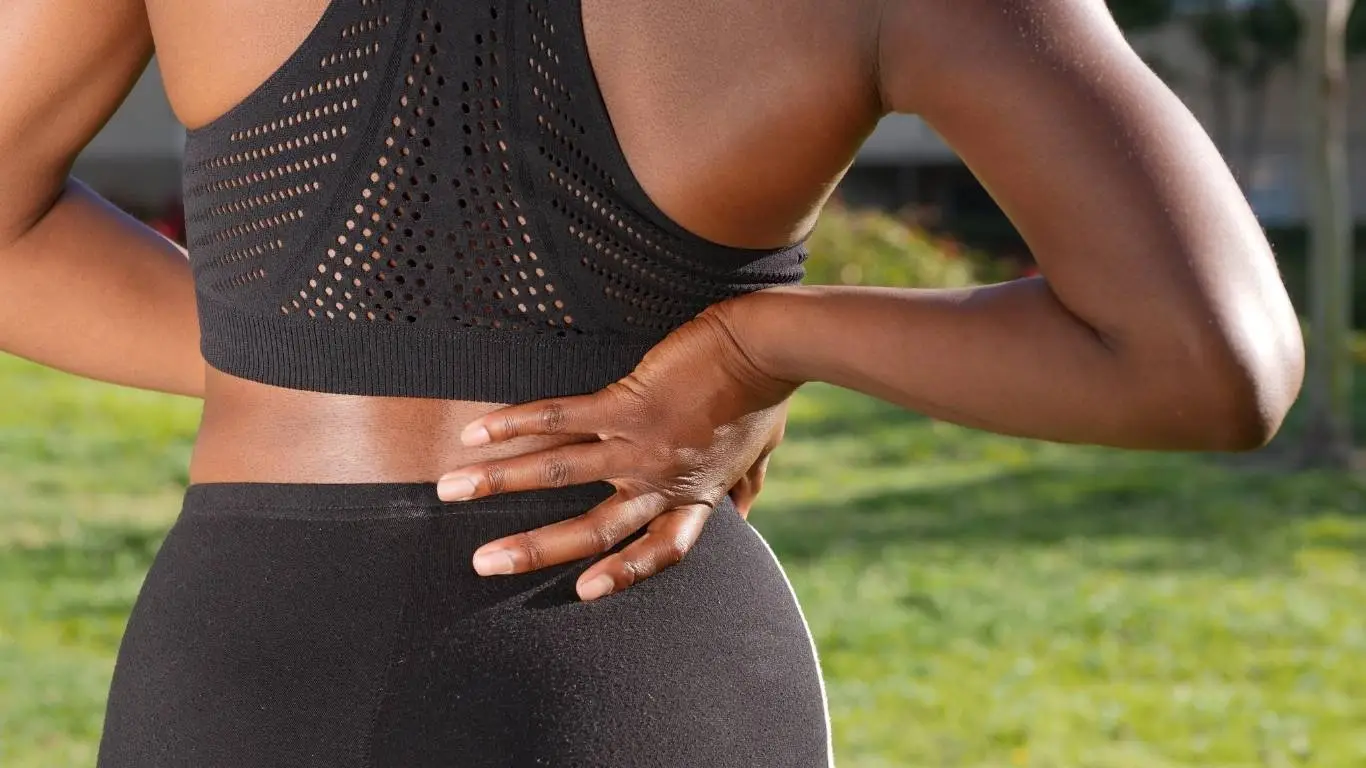
One of the biggest game-changers for me was upgrading to a suspension seat post. It doesn’t eliminate all vibration, but it absorbs just enough to noticeably reduce jarring impacts, especially on uneven terrain. Combine that with ergonomic handlebars, and you’ll feel like you’re riding a different bike entirely.
Not all bikes are created equal—entry-level models often skip vibration-dampening components to cut costs. But if you’ve got spinal sensitivity, investing in upgrades isn’t a luxury—it’s essential. Ergonomics don’t stop at the office; they ride with you too.
Must-Have Gear for Spine-Friendly E-Biking
- Suspension seat post – absorbs vertical vibration
- Gel or memory foam saddle – for coccyx relief
- Ergonomic grips – reduce wrist and shoulder strain
- Shock-absorbing pedals – reduces jolt through legs and hips
- Wide, puncture-resistant tires – stabilize ride, dampen feedback
I also switched to a high-quality lumbar support belt for longer rides. It offers gentle compression, helping maintain posture while reducing micro-movements in the lower back.
Training Your Body to Handle the Ride
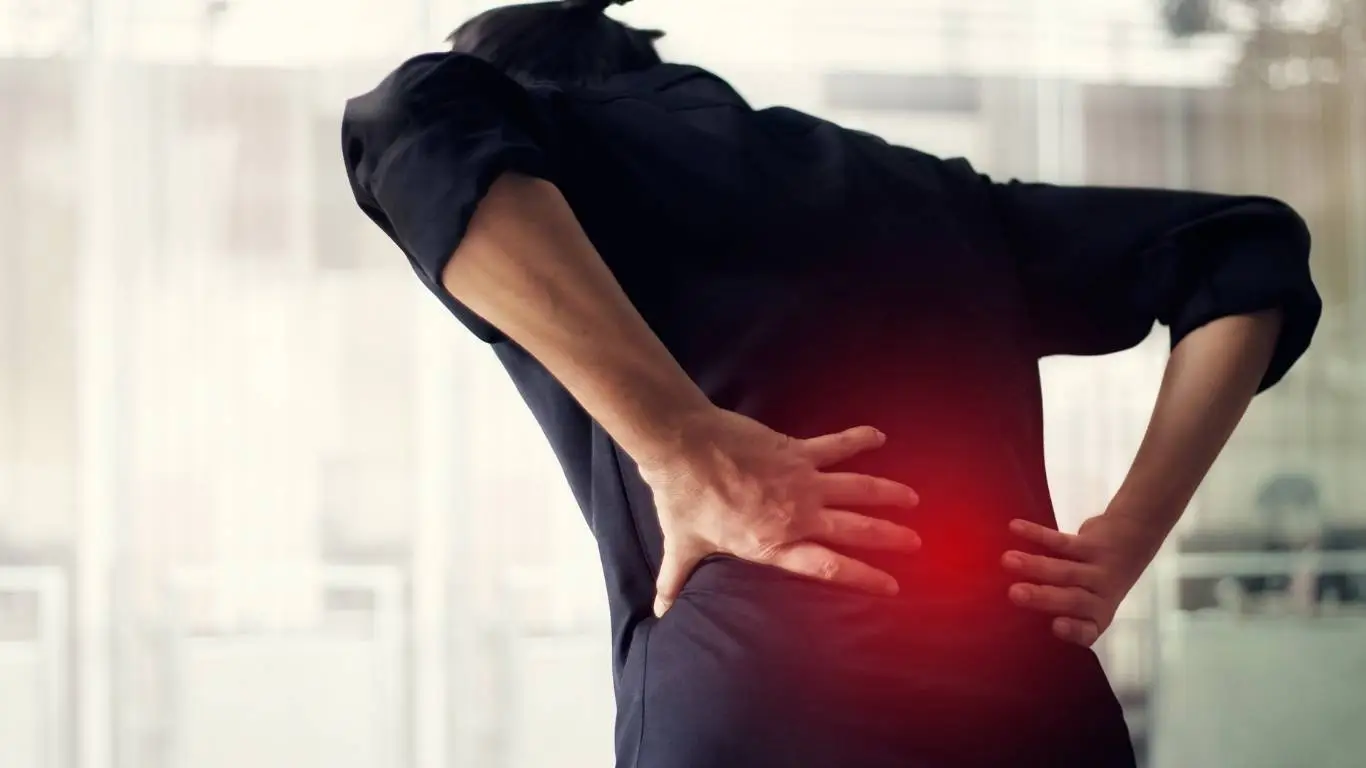
E-bike comfort isn’t just about the bike—it’s about your body. Core strength and flexibility are foundational for spinal resilience. When I started integrating targeted back stretches and glute activation drills into my weekly routine, I could ride longer without that nagging ache creeping in.
Exercises That Actually Help
- Bird dogs and dead bugs for spinal stabilization
- Glute bridges to prevent lower back overuse
- Cat-cow and pelvic tilts for spinal mobility
- Standing hamstring stretches to reduce tension
I learned the hard way that riding an e-bike with weak glutes is like trying to drive a car with a flat tire. You’ll get there, but it’s going to hurt something along the way—usually your lower back. If you’re dealing with weak glutes and spinal strain, even short rides can cause inflammation.
Pay Attention to Riding Surface and Frequency
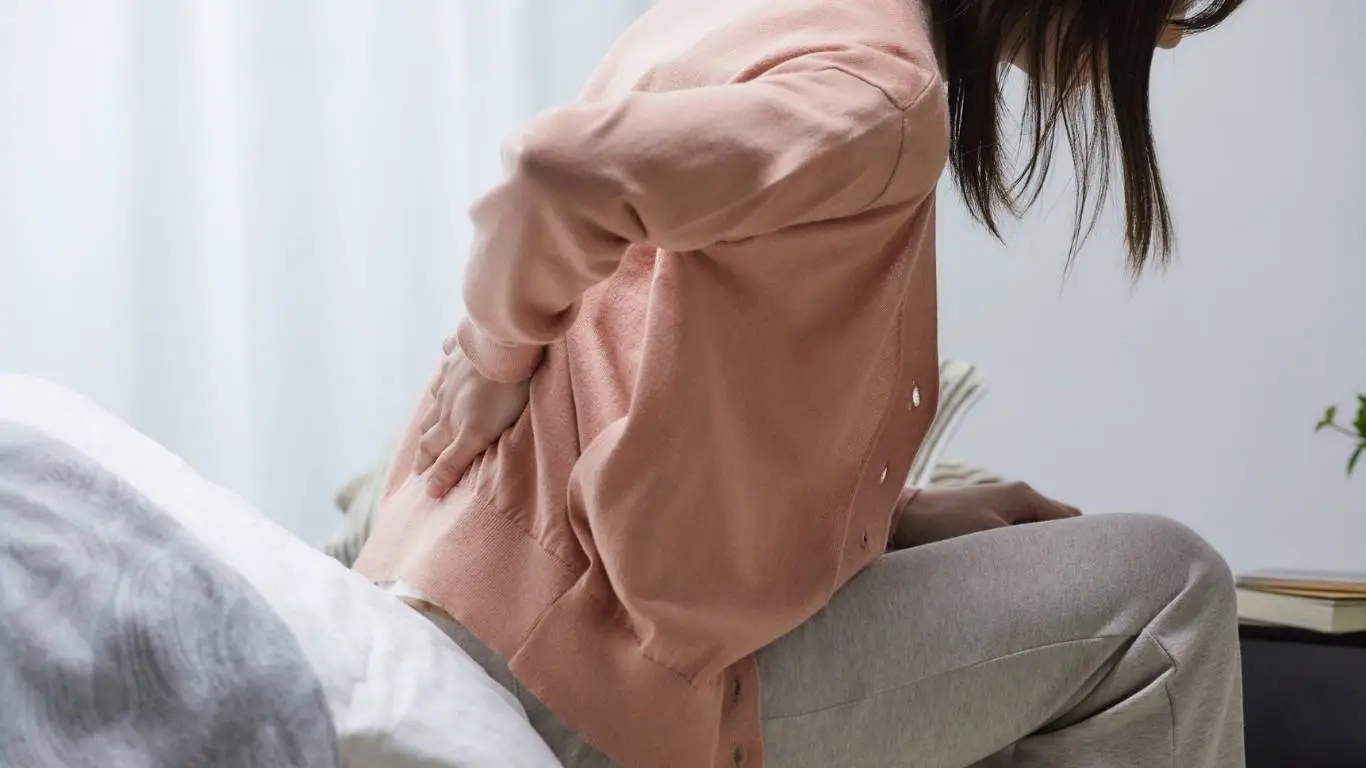
Where and how often you ride matters. I used to hit gravel paths a few times a week because the scenery was better, but my back paid the price. Switching to smoother paved bike trails immediately cut down my post-ride soreness.
It’s not just terrain, either. Riding frequency without adequate recovery leads to sensitization. If you feel your spine reacting more intensely over time, that’s your cue to pull back. Alternate riding days with low-impact cross-training like swimming or yoga.
When Less Is More
- Limit rides to 30–45 minutes when starting out
- Build up tolerance slowly—no more than 10% increase per week
- Take active recovery days: light stretching, walking, foam rolling
Nutrition and Recovery: Don’t Overlook These
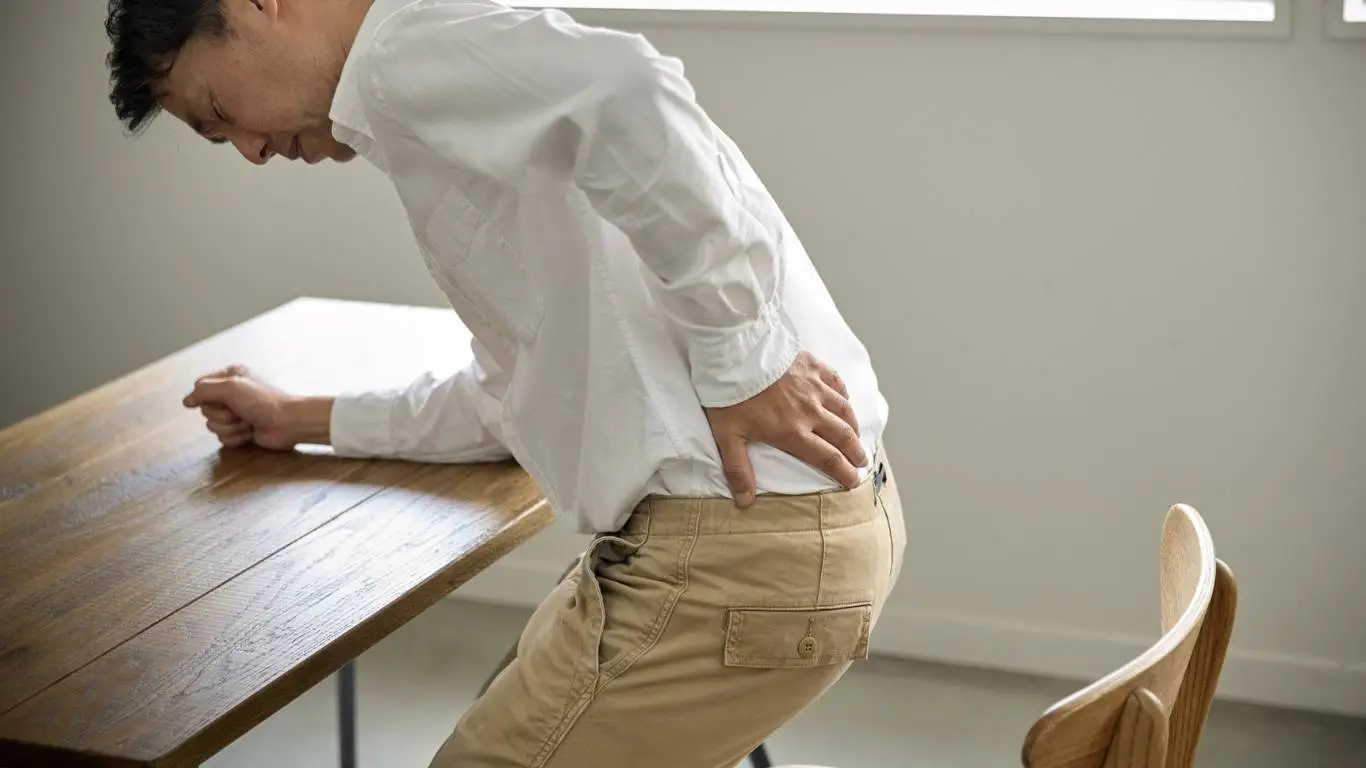
I never thought my diet had much to do with back pain until I tracked flare-ups. Turns out, certain inflammatory foods made my spine feel stiffer the next morning after rides. Since then, I’ve focused more on anti-inflammatory meals, and it’s been a surprising game changer.
Hydration is another easy fix. Dehydrated discs can’t cushion shocks properly. Add to that some turmeric tea in the evenings and a daily omega-3, and my post-ride recovery feels smoother. Trust me, it’s all connected.
Supplements That May Support Spinal Resilience
- Omega-3 fatty acids
- Vitamin D
- Curcumin (turmeric)
- Magnesium for muscle relaxation
Mindfulness and the Nervous System

One aspect I completely ignored at first: my nervous system. The more I stressed about the discomfort, the worse it got. It wasn’t until I tried mindfulness meditation (just 10 minutes a day!) that I noticed a significant shift—not just mentally, but physically.
Chronic pain isn’t just about tissue—it’s also about perception. Mindfulness, deep breathing, and even simple guided relaxation can help desensitize nerve pathways. That’s why spinal sensitivity and mental tension often walk hand-in-hand.
Other Techniques That May Help
- CBT for chronic pain perception
- Progressive muscle relaxation
- Breathing techniques for stress reduction
When to Talk to a Specialist

If you’re still getting flare-ups even after all these adjustments, it might be time to see a specialist. Persistent pain could indicate something deeper like lumbar radiculopathy or even nerve impingement. Diagnostic tools like MRIs or nerve studies can offer clarity.
Start with a conservative specialist before considering more invasive options. I waited too long to ask for help, and the relief I got from targeted physical therapy made me wish I hadn’t.
To explore long-term options like non-invasive pain management strategies or identifying deeper causes, visit our expert-backed guides. These go beyond surface-level fixes and offer holistic, personalized pathways to recovery.

Camellia Wulansari is a dedicated Medical Assistant at a local clinic and a passionate health writer at Healthusias.com. With years of hands-on experience in patient care and a deep interest in preventive medicine, she bridges the gap between clinical knowledge and accessible health information. Camellia specializes in writing about digestive health, chronic conditions like GERD and hypertension, respiratory issues, and autoimmune diseases, aiming to empower readers with practical, easy-to-understand insights. When she’s not assisting patients or writing, you’ll find her enjoying quiet mornings with coffee and a medical journal in hand—or jamming to her favorite metal band, Lamb of God.