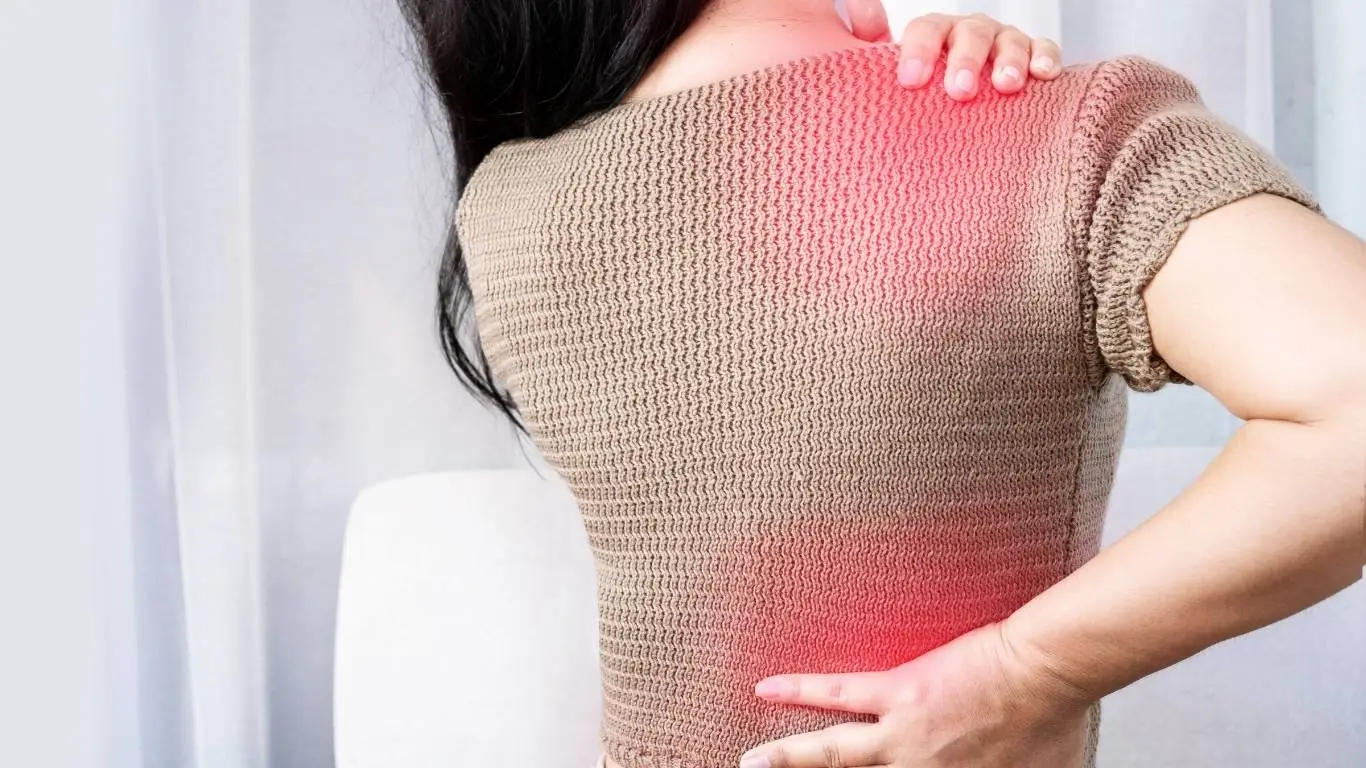
Why Recovery from Minimally Invasive Back Procedures Still Matters
After undergoing a minimally invasive back procedure, you might assume the hard part is over. I used to think the same—until I realized the recovery journey is a whole new game. The truth is, bouncing back from any spine-related intervention, no matter how “minimally invasive” it sounds, takes a good dose of intention, patience, and a bit of trial and error. But here’s the good news: recovery doesn’t have to feel like a mystery. There are proven steps and practical habits that can speed things up—without rushing your body.
Understanding Recovery After Minimally Invasive Back Procedures

Minimally invasive spinal procedures, such as microdiscectomy, radiofrequency ablation, or spinal cord stimulation, promise faster healing and smaller scars. But faster doesn’t mean instant. In my own recovery, I was surprised by how sensitive my back remained in the first couple of weeks—even simple movements felt amplified.
What’s Actually “Minimally Invasive”?
Minimally invasive just means the surgeon avoids large incisions, often using specialized tools and imaging to reach the problem area. This reduces trauma to muscles and surrounding tissues, leading to quicker hospital discharges and fewer complications. But the healing still depends on how well your body adapts and how you care for it afterward.
- Microdiscectomy: Removes disc material pressing on nerves
- Endoscopic decompression: Clears space around the spinal cord
- Spinal fusion with smaller incisions or instrumentation
Learn more about minimally invasive treatments for back pain in our detailed guide.
First Week: Respect the Fragile Phase

The initial few days are critical. I learned the hard way that even slight overexertion (like bending to grab laundry) can spark setbacks. Keep your spine aligned and movements slow. Listen to your body—it whispers before it screams.
Pain Management with Awareness
Post-op discomfort is expected, but there’s a balance to strike. Too little movement and you stiffen up. Too much and you inflame tissues. Stick with the pain meds schedule, but watch for side effects. I alternated ice and short walks—those helped more than I expected.
- Use prescribed meds responsibly (NSAIDs, muscle relaxants, or short-term opioids)
- Incorporate cold therapy: 15 mins on, 15 off
- Get help for standing, walking, or even getting out of bed
Don’t ignore red flags. If you experience sudden leg weakness or worsening numbness, revisit your care provider immediately. Know the signs you shouldn’t ignore.
Movement Matters: Gentle Activity is Healing

I can’t stress this enough: movement is medicine—but only the right kind. I started walking the second day post-surgery, just a few steps at first, then five minutes. That built up daily, and it became my foundation.
What Movements Are Safe?
- Short, frequent walks (3–5x/day)
- Avoid bending, twisting, lifting for at least 2–4 weeks
- Use lumbar support while sitting—especially early on
The transition from bed to standing can be awkward at first. Use the log roll technique to avoid twisting your torso. And if you’re commuting soon, these ergonomic car seat tips saved my spine on every ride.
Nutrition That Promotes Healing

What you eat can accelerate or stall recovery. I didn’t realize how much inflammation I was holding onto until I cleaned up my diet post-op. Reducing sugars and increasing omega-3s made a noticeable difference in my energy and pain levels.
What to Include
- Omega-3 rich foods: salmon, chia seeds, walnuts
- Anti-inflammatory spices: turmeric, ginger, cinnamon
- Hydrating produce: cucumbers, leafy greens, berries
If you’re curious about specifics, our natural remedies and back pain diet guide is a solid place to start. And yes, this anti-inflammatory plan really works.
Sleep Is a Superpower During Recovery

If there’s one thing you shouldn’t compromise on, it’s rest. After surgery, I learned to treat sleep like rehab. Using the right mattress and pillow alignment dramatically changed how I woke up each morning.
Optimize Your Sleep Setup
- Use a medium-firm mattress for proper support
- Sleep on your back with a pillow under the knees
- If you’re a side sleeper, place a pillow between the knees
I also invested in a lumbar roll—honestly, one of the most underrated recovery tools. Learn more about choosing the right mattress for back pain.
Support Beyond the Operating Room

Recovery doesn’t stop at the incision site. Building strength back—safely—is a longer process. That’s where physical therapy, occupational changes, and mindfulness techniques come in. I leaned into a routine of movement, rest, and targeted rehab. My therapist also adjusted exercises weekly based on how my body responded. No cookie-cutter plans.
If you’re exploring complementary strategies like TENS, cupping, or massage, here’s a great overview of conservative back pain treatments.
For a deeper look at how spine anatomy and procedure types impact recovery, I recommend reading the types and anatomy of back pain article and the main back pain overview for full context.
Rebuilding Strength Without Rushing It

After the first couple of weeks, things start to shift. I remember waking up one morning thinking, “Okay, maybe I can do a bit more today.” But that mindset—while encouraging—needs boundaries. Jumping into full activity too fast is one of the most common mistakes in back procedure recovery. I made it too. Twice.
The Key Is Gradual Strength Building
This isn’t about hitting the gym or throwing in crunches. It’s about activating supportive muscles and gently waking up your core and glutes again. If you’ve been sedentary for a while, you’ll notice muscle imbalances that sneak up on you.
- Start with pelvic tilts and diaphragmatic breathing
- Integrate gentle resistance band work
- Use wall sits and bridges to re-engage your glutes
For me, weak glutes were the hidden culprit. Here’s a breakdown on how they quietly contribute to strain.
Rehabilitation Programs That Actually Work
Rehab shouldn’t be a guessing game. A tailored physical therapy program is what separates people who recover well from those who end up dealing with chronic issues down the road. I worked with a PT who focused on spinal stabilization, posture correction, and gait mechanics.
Look For a Program That Covers:
- Progressive core strengthening
- Posture and body mechanics retraining
- Education on movement patterns and safe loading
This rehabilitation and ergonomics resource outlines what your recovery routine should include based on procedure type and severity.
Returning to Work or Daily Activities

Heading back to work—especially a desk job—sounds harmless, but sitting can be surprisingly rough on a healing back. I used a standing desk for part of the day, took micro-breaks every 30 minutes, and used a lumbar support cushion religiously.
Tips for a Safe Return:
- Modify your chair with lumbar rolls or memory foam pads
- Keep feet flat, knees at hip level
- Alternate between sitting and standing every 45 minutes
Here’s a good place to start for advice on back pain and occupational adjustments.
For a deeper breakdown on ergonomics, this chair guide made my setup way more tolerable during those long Zoom calls.
When to Worry: Setbacks and Complications

Not all recovery paths are linear. Around week five, I had a setback from lifting groceries. My leg started tingling again—mild sciatica symptoms creeping back in. It turned out to be inflammation, not nerve damage, but it reminded me how fragile progress can be.
Be on the lookout for signs that go beyond normal soreness:
- Persistent numbness or tingling in the legs
- Sharp pain when walking or standing
- New weakness or instability
- Infection signs at incision site (fever, drainage, redness)
It’s important to understand when pain becomes a pattern. Learn more from this guide on sharp back pain triggers.
Mental Recovery Is Real Recovery

This might sound soft, but emotional recovery is huge. Chronic pain has a way of draining your motivation, even after surgery helps. I struggled with fear of re-injury, anxiety around normal movements, and sometimes frustration that healing wasn’t linear.
How I Managed the Mental Load:
- Mindfulness meditation to calm pain anxiety
- Journaling pain patterns and triggers
- Setting micro-goals (like walking an extra 2 minutes daily)
There’s a surprising connection between mood and recovery outcomes. This piece on mindfulness and pain really helped reframe things for me.
Also worth reading: the emotional impact of back pain and how to manage it.
Back to Life, With Smarter Habits
Now that I’m on the other side, I’ve realized that post-procedure life doesn’t mean going back to “normal.” It means building a new normal with smarter movement, healthier routines, and more respect for my spine. I still do daily core work, monitor my posture when working or driving, and yes—I’m that person stretching on long flights.
If you’re still in the early days, hang in there. Healing happens. It just asks for consistency over intensity.
Need a clearer understanding of your back’s structure and how different treatments affect recovery? Start with this back pain anatomy guide. And for an in-depth overview of back pain categories, this main pillar article brings everything together clearly.

Camellia Wulansari is a dedicated Medical Assistant at a local clinic and a passionate health writer at Healthusias.com. With years of hands-on experience in patient care and a deep interest in preventive medicine, she bridges the gap between clinical knowledge and accessible health information. Camellia specializes in writing about digestive health, chronic conditions like GERD and hypertension, respiratory issues, and autoimmune diseases, aiming to empower readers with practical, easy-to-understand insights. When she’s not assisting patients or writing, you’ll find her enjoying quiet mornings with coffee and a medical journal in hand—or jamming to her favorite metal band, Lamb of God.