Scar Tissue Adhesions After Back Injury Can Worsen Over Time
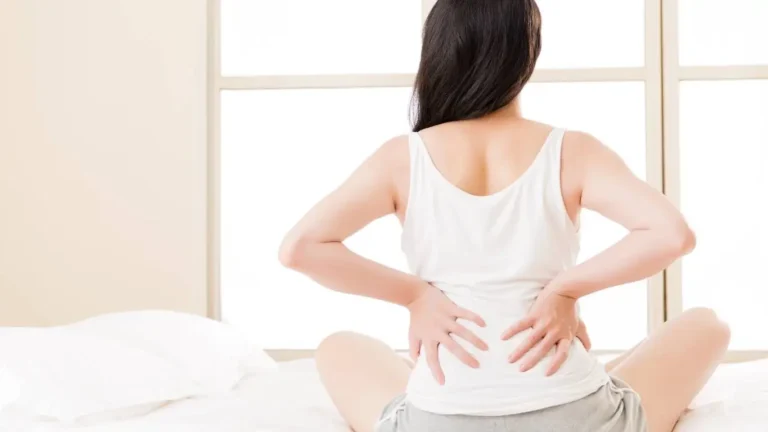
After my lower back injury from a gym accident years ago, I figured rest and physical therapy would get me back on track. It did—at first. But weirdly, the more I moved, the tighter everything felt. I couldn’t twist, bend, or even sit for long without that nagging pull deep in my back. What no one told me about—what almost no one talks about—was scar tissue adhesions after back injury. These tiny, sticky webs inside the muscles and fascia are more powerful than they seem, and for many of us, they’re the missing piece behind lingering pain and mobility issues.
Understanding Scar Tissue and Adhesions

Scar tissue itself isn’t necessarily the villain. It’s part of your body’s natural healing process—just like a scab on your skin. But when the body lays down collagen in the injured area too densely or without proper alignment, it forms clumps. These clumps can stick to surrounding tissues, muscles, and nerves, causing what we know as adhesions.
This is particularly common after:
- Lower back sprains and strains
- Herniated discs or bulging discs
- Back surgeries or invasive procedures
- Repetitive strain or improper movement during recovery
What makes adhesions tricky is how they interfere with gliding movement. Fascia—the connective tissue around muscles—needs to slide smoothly. When it sticks, everything from movement to blood flow suffers. That’s when pain returns, sometimes years after the initial injury.
Common Symptoms You Shouldn’t Ignore

Scar tissue adhesions don’t always scream out loud with sharp pain. Often, they’re subtle at first, then worsen over time. I remember thinking I was just “tight” from sitting too long, but it was more than that. You might notice:
- Deep, dull aches especially around the injury site
- Pulling sensations during movement
- Reduced flexibility or range of motion
- Persistent tension that doesn’t release with stretching
- Pinching or nerve-like symptoms if the adhesion presses on a nerve
These are especially prevalent in people who never fully rehabbed their back or returned to high-impact activities too soon. If that sounds like you, poor posture and compensations might be compounding the issue.
Why Scar Tissue Adhesions Develop
Adhesions form when healing collagen is disorganized or overproduced. Think of it like patching drywall with too much filler—it gets clumpy, uneven, and limits function. Here’s what typically causes it:
- Lack of movement: After injury, many of us rest too much. While rest is important initially, prolonged immobility leads to stiffness and excessive tissue build-up.
- Incomplete rehab: Not doing the right movements or stopping therapy too soon allows adhesions to “set” into place.
- Surgery or invasive treatment: Any surgical intervention increases the risk of internal scarring. Adhesions after procedures like microdiscectomy are common, especially if post-op mobility isn’t managed well.
- Inflammation: Chronic inflammation accelerates scar tissue growth. If your back is constantly inflamed—due to poor posture, weight gain, or even diet—it’s like fuel to the fire.
What Adhesions Feel Like in Real Life
It’s one thing to talk medically about adhesions. But here’s what I—and many others—actually feel:
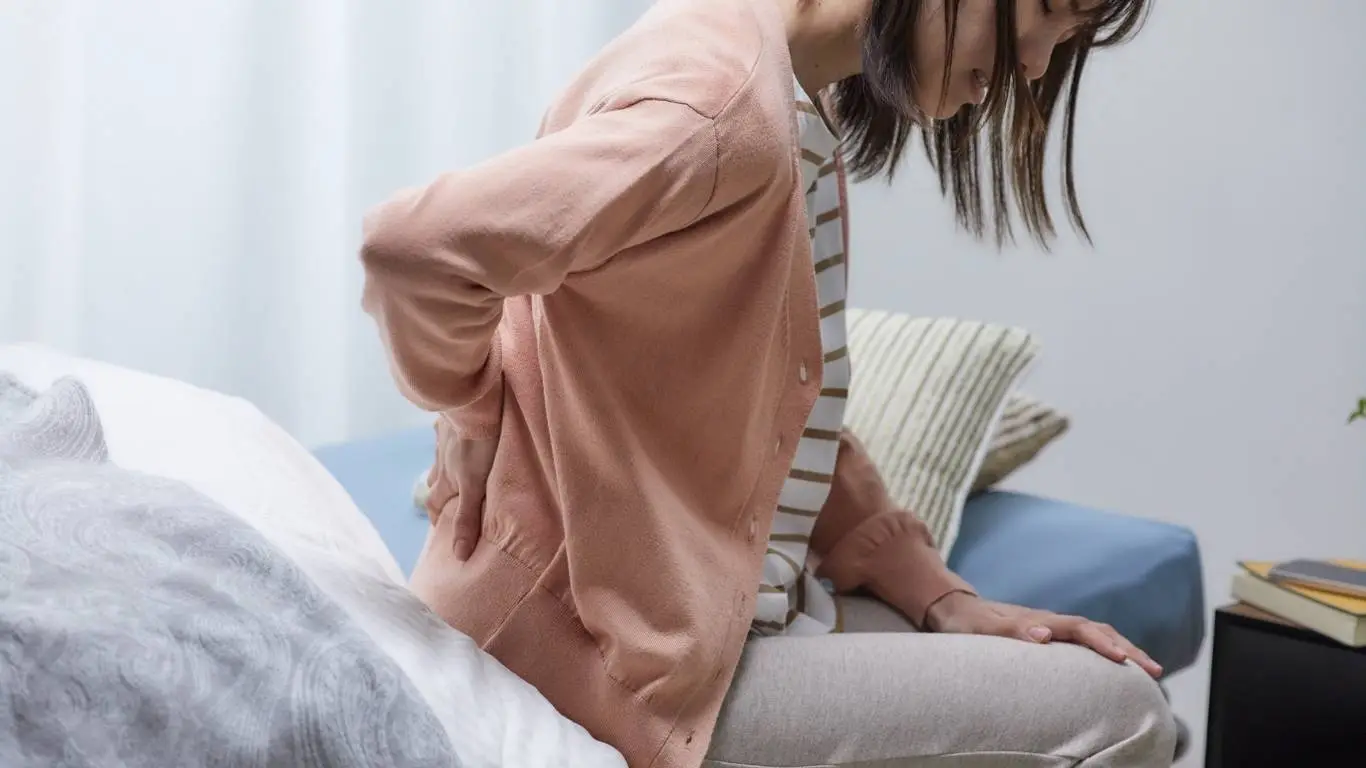
Imagine bending to tie your shoes and feeling like there’s a tight rubber band stretching across your lower back. You stretch, foam roll, maybe even do some yoga, but the tension stays. It’s stubborn, deep, and doesn’t behave like a normal sore muscle. That’s a telltale sign.
Many people mistake this for aging or poor flexibility, when it’s actually scar tissue anchoring muscles down. According to ncbi.nlm.nih.gov, restricted soft tissue gliding is a major contributor to chronic low back pain post-injury. It’s also linked to higher risks of compensatory injuries in hips and knees.
Diagnosis: How Do You Know It’s Adhesions?
This is where it gets frustrating. Adhesions don’t show up clearly on X-rays or even MRIs in many cases. But trained physical therapists or specialists can often detect them through:
- Manual palpation: Feeling the tissue density and mobility by hand
- Motion assessments: Identifying patterns of limited movement or compensation
- Ultrasound imaging: Occasionally used to visualize soft tissue scarring
Getting a proper diagnosis is crucial. Without it, you’re treating pain, not the cause. And if you’re experiencing lingering discomfort months or even years after a previous back injury, adhesions deserve a closer look.
Breaking the Cycle: Early Action Matters
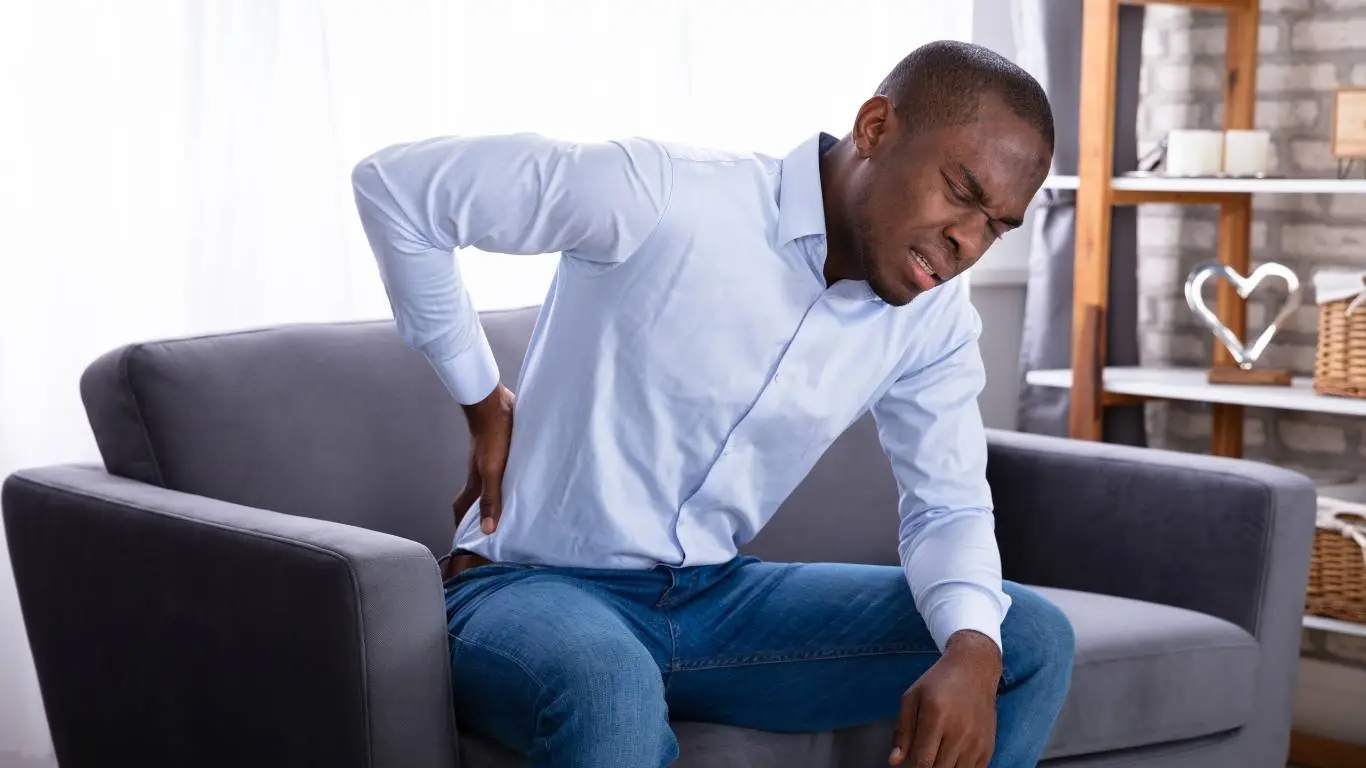
One of the best ways to manage adhesions is by not letting them form in the first place—or catching them early. If you’ve just had a back injury or surgery, be proactive:
- Start with gentle mobility exercises ASAP (as cleared by your provider)
- Use massage or myofascial release to encourage healthy tissue remodeling
- Incorporate low-intensity yoga or movement therapy
- Stay hydrated and anti-inflammatory through diet (see anti-inflammatory diet)
The sooner you address limited tissue mobility, the less likely it’ll harden into scar adhesions. Waiting it out often backfires.
For more comprehensive strategies that address muscle imbalances and post-injury movement, this pillar guide on exercise, rehab, and ergonomics breaks it all down beautifully. And if you’re starting fresh and want to understand your back pain at the core, the full guide at healthusias.com/back-pain offers a complete breakdown.
Effective Treatments to Break Down Scar Tissue Adhesions

When I finally hit my breaking point—literally bending over and feeling like I’d snap—I knew foam rolling wasn’t cutting it. It wasn’t until I worked with a therapist trained in soft tissue release techniques that I began to get real relief. The goal? Disrupt those sticky adhesions and restore movement.
Here are some proven methods used by professionals:
- Instrument-Assisted Soft Tissue Mobilization (IASTM): Tools like Graston or stainless-steel scrapers help break up scar tissue manually. It’s intense, but effective.
- Myofascial Release: A hands-on technique that applies sustained pressure to restricted areas. Often paired with movement re-education.
- Deep Tissue Massage: It’s not your average spa massage. This goes deep—working through adhesions and tight fascial planes.
- Active Release Technique (ART): Combines manipulation with movement to break down adhesions while restoring mobility in real-time.
These should always be performed by trained practitioners. Self-treatment is helpful but limited. And if you’ve had previous surgery, therapies like ART or IASTM should be cleared with your provider first.
Learn more about how myofascial pain therapy works and why it’s essential in managing post-injury recovery.
Self-Help Techniques That Actually Work
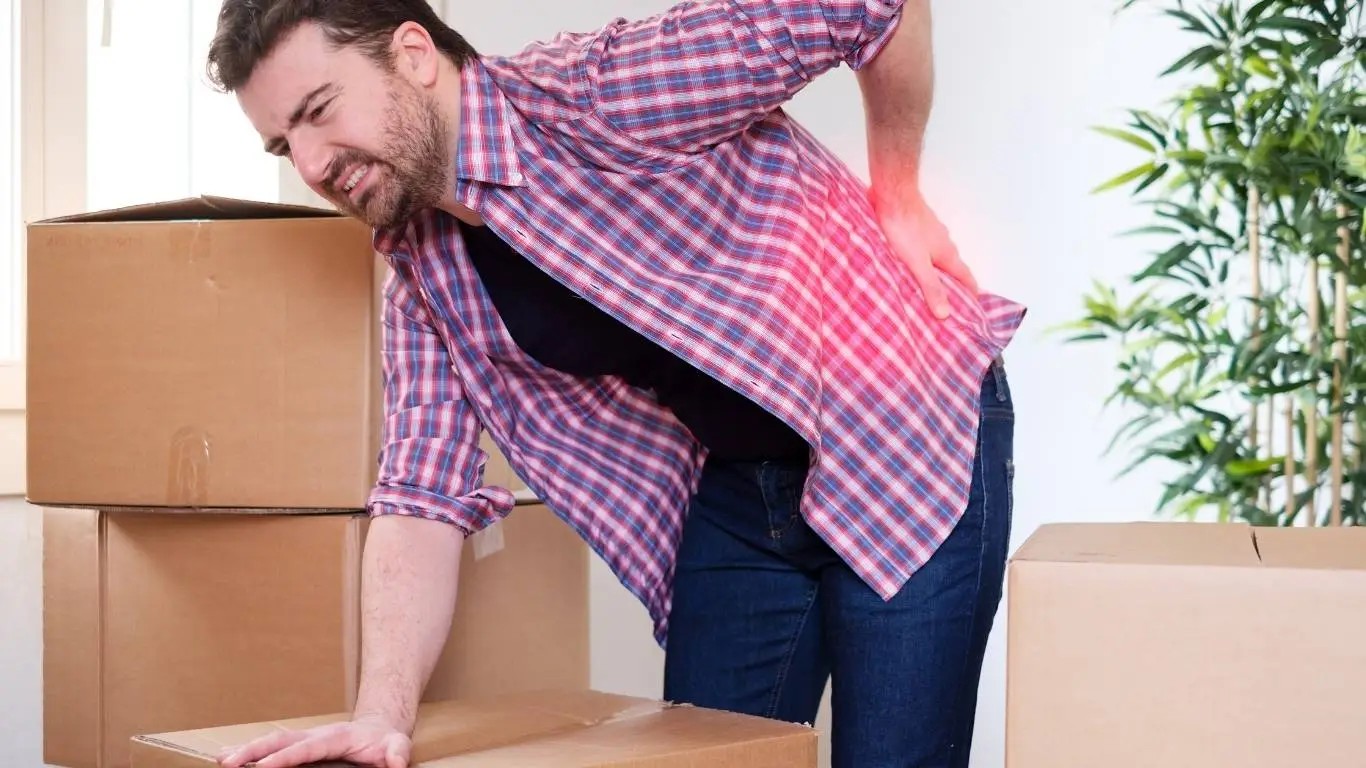
While professional care made the biggest difference, I noticed even small daily tweaks sped up my recovery. Here’s what I found works best at home:
- Targeted Foam Rolling: Focus on areas surrounding the scar tissue, not directly on it. Move slowly and intentionally.
- Stretching with Breath: Gentle stretches combined with deep breathing can soften fascia and encourage release. Think cat-cow, knees-to-chest, and spinal twists.
- Heat Therapy: Use before stretching or soft tissue work to increase blood flow and tissue pliability.
- Mobility Drills: Controlled movements through the pain-free range reinforce healthy tissue gliding.
If your pain is aggravated by cold weather or stiffness in the morning, this guide on nighttime back pain also offers positioning tricks that complement tissue recovery.
When to Consider Minimally Invasive Options

Let’s be real—not every case responds to manual therapy and movement. In some chronic or post-surgical situations, scar tissue becomes so fibrotic and deep that it needs medical-level intervention.
Here are some lesser-known—but often effective—minimally invasive solutions:
- Epidural Steroid Injections: These reduce inflammation around nerves stuck in scar tissue. Not a cure, but a helpful step.
- Adhesiolysis (Epidural Neurolysis): A procedure designed specifically to break up epidural scar tissue using guided injection of saline and medications.
- Radiofrequency Ablation: Targets nerves affected by adhesions, reducing chronic pain if conservative care fails.
Before jumping to these, it’s smart to exhaust conservative paths first. That said, if pain continues to interfere with function, ask your provider about epidural options or radiofrequency ablation. These are especially relevant after surgeries like laminectomy or spinal fusion.
Building a Long-Term Prevention Plan

Adhesions aren’t just about the injury—they’re about what happens after. That’s where a real recovery plan makes the difference. Here’s what I stick to now to keep my back healthy and mobile:
- Strengthen glutes and core: Weak glutes shift the burden to your lower back. I do clamshells, glute bridges, and planks weekly.
- Stay mobile: Daily spinal mobility drills—even just 5 minutes—go a long way.
- Ergonomic setup: After fixing my work chair and using lumbar support, I noticed immediate improvements. Explore ergonomic chair solutions.
- Anti-inflammatory lifestyle: I didn’t think diet mattered…until I tried reducing sugar, processed foods, and started taking omega-3s. According to mayoclinic.org, chronic inflammation is a known trigger for tissue damage and poor healing.
For me, it was about combining strength, movement, and recovery—consistently. I also found this guide on natural lifestyle remedies for back pain incredibly helpful when rebuilding my daily habits.
Don’t Ignore Scar Tissue—Treat It Early

Scar tissue adhesions after back injury are real, common, and very often overlooked. They don’t always cause stabbing pain—sometimes it’s the slow return of stiffness, the feeling that something just won’t “let go.” I know I spent too long writing it off as “just tightness.”
If you’ve experienced a back injury and the pain keeps lingering despite your best efforts, this might be what’s holding you back. Whether it’s soft tissue therapy, guided rehab, or supportive tools like posture aids, treating the underlying adhesions is often the turning point.
For deeper guidance on post-injury back pain rehabilitation, I highly recommend diving into conservative back pain treatments. And if you’re looking for a more complete overview of causes, types, and lasting solutions, bookmark the full resource at healthusias.com/back-pain.

Camellia Wulansari is a dedicated Medical Assistant at a local clinic and a passionate health writer at Healthusias.com. With years of hands-on experience in patient care and a deep interest in preventive medicine, she bridges the gap between clinical knowledge and accessible health information. Camellia specializes in writing about digestive health, chronic conditions like GERD and hypertension, respiratory issues, and autoimmune diseases, aiming to empower readers with practical, easy-to-understand insights. When she’s not assisting patients or writing, you’ll find her enjoying quiet mornings with coffee and a medical journal in hand—or jamming to her favorite metal band, Lamb of God.