Why You See Floaters When Looking Into Mirrors and What It Means
So there I was again, brushing my teeth like every other morning, when I caught a glimpse of something odd dancing around the edge of my reflection. No, it wasn’t a ghost or dirt on the mirror. It was that familiar little floater. If you’ve ever noticed strange drifting shadows or thread-like spots hovering around when you look into a mirror — especially when the lighting hits just right — you’re not alone. Turns out, floaters when seeing reflection in mirrors is a real thing. And yes, it can be both annoying and a bit concerning when you don’t know what’s going on.
What Exactly Are You Seeing in the Mirror?
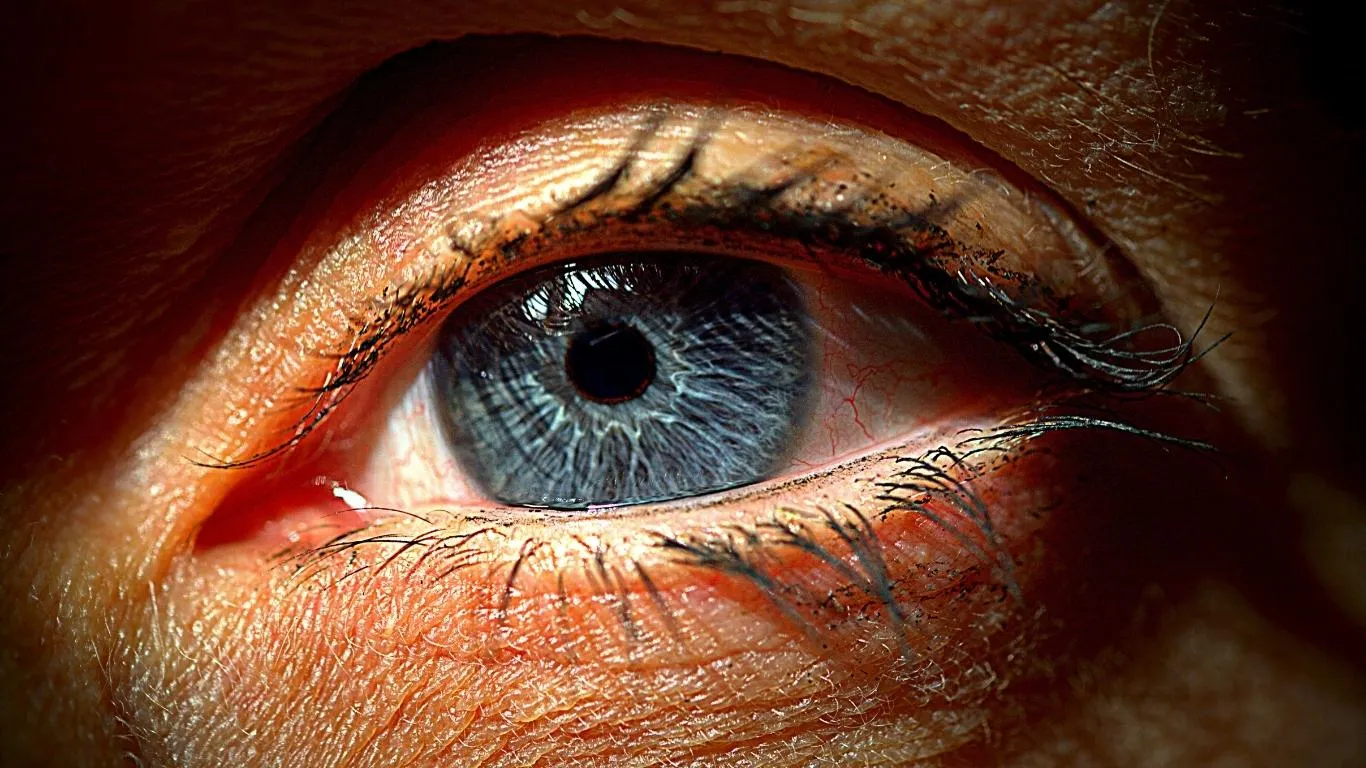
Floaters are essentially tiny clumps or fibers inside the vitreous — the gel-like substance that fills the inside of your eye. They cast shadows on your retina, and depending on your lighting and visual angle, those shadows become more noticeable. When you’re looking into a mirror, especially in a brightly lit bathroom or under a spotlight, your pupils constrict. This sharper, focused view can highlight floaters that might be less obvious otherwise.
They often appear as:
- Grayish squiggles or threads
- Small dark specks that dart away when you try to look at them directly
- Transparent, cobweb-like structures
The reason why they seem more visible in mirrors? It’s all about contrast. A well-lit, reflective surface paired with a constricted pupil enhances the visual presence of floaters. Plus, in the mirror, you’re focused on a single visual plane — your face — which can make the tiny distortions in your field of view stand out more.
Is It Normal to See Floaters in Reflections?

Short answer? Yes, absolutely. But here’s where personal experience comes into play. I used to panic every time I saw one — especially when they popped up suddenly. I once convinced myself it was a sign of something catastrophic, like a detached retina. But thankfully, for most people, floaters are benign and just part of aging or mild vitreous degeneration.
That said, they shouldn’t be ignored either. If you suddenly see a storm of new floaters, or if they’re accompanied by flashes of light or loss of side vision, that’s a cue to see an eye doctor immediately. These could signal more serious issues like retinal tears.
Otherwise, seeing floaters in your mirror is just another reminder that your eyes are doing their job — catching tiny imperfections in a medium that’s aging with you.
But Why Only When I Look in the Mirror?
This is where it gets fascinating. The mirror environment — especially in well-lit bathrooms — triggers a unique combination of factors that bring floaters to the surface (pun intended):
- Lighting contrast: Strong overhead or frontal lights enhance floater shadows.
- Concentration: You’re focused on grooming, making subtle distortions more apparent.
- Background uniformity: A clear background like your face or the blank bathroom wall makes floaters pop.
All of this makes mirrors one of the most common settings where people first notice floaters. It’s the same reason many also report noticing floaters when using their phones in the dark, as explained here.
Should You Be Concerned If This Is Happening Often?
Here’s a little truth from someone who’s been down the Google rabbit hole more than once — not all floaters are dangerous, but repeated or increased visibility might be your eye’s way of waving a flag. Mirror floaters are often your brain’s way of showing you what’s floating around in that jelly-like substance in your eye. However, persistent or worsening floaters deserve some attention.
If floaters are:
- Suddenly more frequent
- Accompanied by flashing lights
- Blocking your central vision
- Followed by a curtain-like shadow
Then yes, you should absolutely schedule a visit with your optometrist or ophthalmologist. According to the American Academy of Ophthalmology, these could be signs of a retinal detachment — something that needs immediate medical attention.
What’s Causing Your Mirror Floaters to Appear Worse?
There are some subtle triggers that can exaggerate how visible floaters are when looking into the mirror. Some of these surprised even me:
- Dehydration: Less hydrated vitreous = more visible clumping [source]
- Screen fatigue: After long computer or phone use, floaters become more noticeable
- Hormonal shifts: Especially during pregnancy or menopause, floaters may increase [source]
- Eye strain from mirrors: Constantly focusing on tiny grooming details stresses the eye muscles
There’s also a link between bright light exposure and enhanced floater visibility — which perfectly explains why they show up more when you’re under those blinding bathroom vanity bulbs.
When Should You See a Specialist?
Honestly, if it’s just one or two floaters, even daily ones, you’re likely in the clear. But for peace of mind (and because I love being proactive about my eye health), I recommend getting a full eye exam at least once a year. If you haven’t already, check out this deep dive into treatment options for floaters. You’ll find everything from natural management tips to more intensive surgical interventions.
For a full understanding of what causes floaters in the first place — including less common triggers like inflammation, injury, or genetic factors — the main pillar article here is worth a thorough read. And if you’re curious how symptoms evolve, the article on recognizing floater symptoms is a solid next step.
What Can You Actually Do About It?
If you’re like me, you’ve probably asked yourself — is there anything that can actually make these annoying floaters go away, or at least become less noticeable? The short answer: maybe. While most floaters fade into the background over time as your brain learns to ignore them, some strategies might help speed up that adaptation process or reduce their intensity.
Here are a few things that have personally helped — and some that experts back up too:
- Stay hydrated: Your vitreous is mostly water. Dehydration may make floaters appear denser and more stubborn.
- Limit screen time in dark rooms: That habit of checking your phone before bed? Yeah, not great. It sharpens floater contrast — especially when mirrored off reflective surfaces like your bathroom mirror or your phone screen. Been there.
- Wear polarized lenses outdoors: These reduce glare and visual strain, helping your brain filter floaters better.
- Try gentle eye exercises: While not proven to eliminate floaters, some movement-based routines may help shift floaters out of your central vision.
There’s also a growing conversation around nutrition. Some people swear by adding more antioxidants, especially lutein and zeaxanthin, into their diets. While science is still catching up, there’s encouraging evidence that a healthy diet could reduce floater severity over time.
When Floaters Feel Worse in Certain Mirror Setups
This might sound ridiculous at first, but try experimenting with your mirror setup. In my case, switching to softer lighting near my vanity mirror made a huge difference. Harsh top-down LEDs? Floaters galore. But a warmer side-lighting setup? Much easier on the eyes. Lighting position, bulb temperature, and even background color can alter how much your floaters stand out during your routine.
Interestingly, this mirrors (pun intended) the same experience reported by many people who feel floaters become more intense under direct bright light. You’re not imagining it — it’s physics, baby.
Does Stress Make Mirror Floaters Worse?
You wouldn’t think emotions play a role in visual floaters, but they kind of do. When I was going through a particularly anxious phase, the floaters felt constant. Not just in mirrors, but everywhere. Turns out, there’s a potential connection between heightened cortisol and vitreous changes, especially when combined with fatigue.
According to some specialists, stress-induced floaters are more common than people realize. It’s not that anxiety creates floaters directly — but it can make you hyper-aware of them. So when you’re staring into your own eyes in the mirror, already keyed up and sleep-deprived, it’s like handing your brain a magnifying glass for every little floater shadow.
Are Any Treatments Worth Considering?
Here’s the honest breakdown: most floaters don’t require medical treatment. But if they’re severely affecting your daily life — like interfering with reading, driving, or even grooming in the mirror — you do have options.
Some of the medically recognized treatments include:
- Vitrectomy: A surgical procedure that removes the vitreous (and the floaters with it). It’s effective but not without risks like retinal detachment or infection.
- Laser vitreolysis: A less invasive option where floaters are broken up using lasers. Works best for certain types of floaters and isn’t suitable for everyone.
Before jumping into these, have a look at this no-nonsense breakdown of floater treatment options. It helped me weigh the pros and cons — and eventually accept that living with a few floaters wasn’t the worst outcome in the world.
But What If You’re Not Aging Yet?
One thing that threw me off — and maybe you can relate — was noticing floaters in my mid-20s. I always assumed they were a middle-aged thing. But nope. Turns out, younger adults can develop floaters too. In fact, even healthy teens and people with “perfect vision” report seeing them — especially when staring at a bright mirror or blue sky.
Some possible reasons include:
- Minor trauma or eye strain from heavy device use
- Genetic predisposition to early vitreous degeneration
- Undetected low-grade inflammation
If this sounds like you, it might be worth digging into hereditary floaters and vitreous issues. You don’t have to be older for these sneaky squiggles to show up in your field of view.
Mirror Floaters vs. Optical Illusions — Are You Sure?
Here’s a curveball: not everything you see in the mirror is a floater. Sometimes, things like light refraction, mirror distortion, or even minor eye tracking issues can mimic floater-like behavior. I once spent two weeks panicking about a “new floater” before realizing it was a smudge on my mirror. Yep.
If you’re unsure, move your eye and note whether the spot moves with your gaze. True floaters will drift around as your eyes move — often lagging slightly. If it stays put, it’s probably a surface reflection or light trick. Or toothpaste.
Why It’s Worth Monitoring — Even If It’s Just in Mirrors

Seeing floaters only when you look in the mirror might feel harmless — and most of the time, it is. But any persistent visual change is worth keeping tabs on. Floaters can tell you a lot about what’s happening inside your eye, especially if they start appearing with other symptoms.
Keep an eye out for any of these changes:
- Floaters that suddenly increase in number
- Accompanying vision loss or curtain-like shadows
- Light flashes or sparkles
- Changes in shape, speed, or intensity
Regular exams can help catch early signs of dangerous floater-related conditions. And really, what’s 30 minutes once a year to make sure your vision stays solid?
Looking into a mirror shouldn’t be a reminder of what’s floating inside your eye. But if it is — now you know what’s going on, and what you can do about it. Floaters aren’t fun, but they also aren’t the end of the world. Especially if you’ve got a solid plan and a little perspective.

Camellia Wulansari is a dedicated Medical Assistant at a local clinic and a passionate health writer at Healthusias.com. With years of hands-on experience in patient care and a deep interest in preventive medicine, she bridges the gap between clinical knowledge and accessible health information. Camellia specializes in writing about digestive health, chronic conditions like GERD and hypertension, respiratory issues, and autoimmune diseases, aiming to empower readers with practical, easy-to-understand insights. When she’s not assisting patients or writing, you’ll find her enjoying quiet mornings with coffee and a medical journal in hand—or jamming to her favorite metal band, Lamb of God.