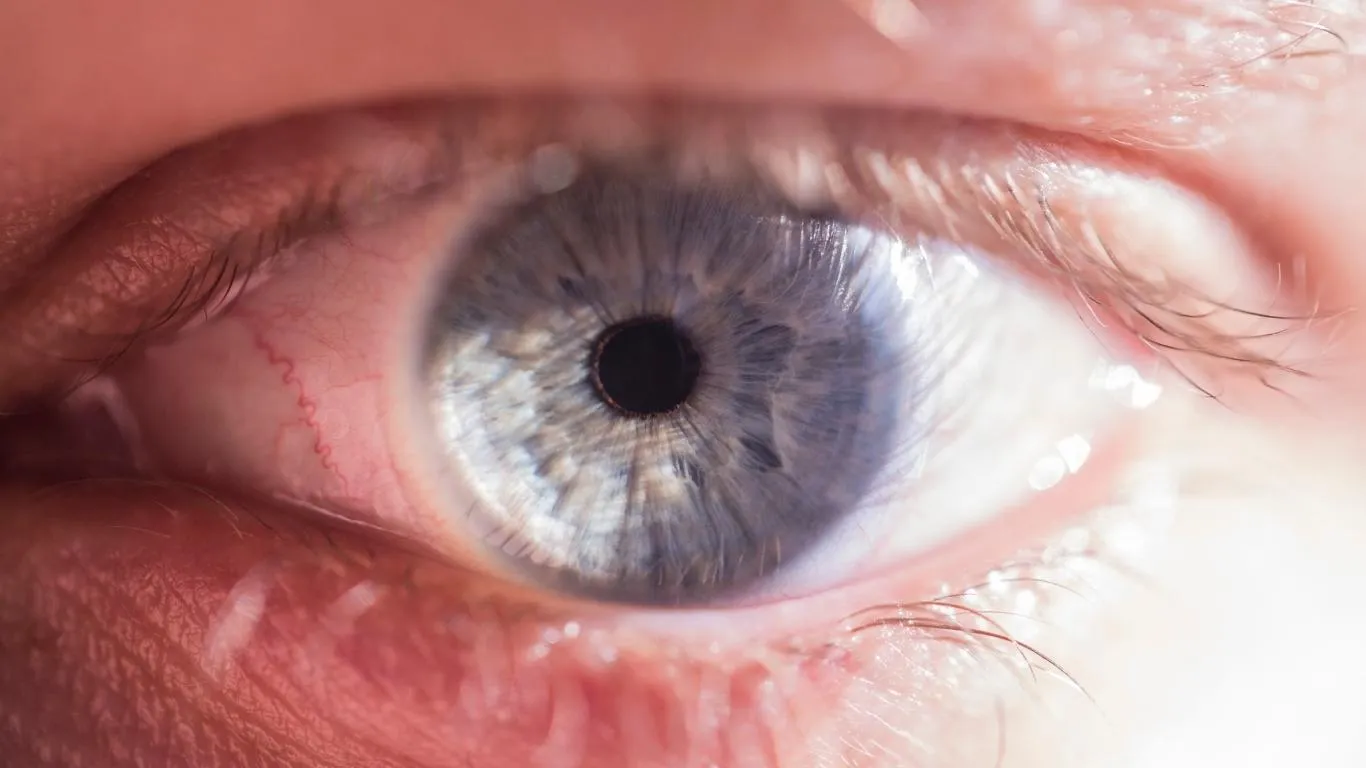
Why Floaters in People With Tension Headaches Often Get Worse
So there I was, mid-zoom call, trying to focus on the presentation when—bam—those little squiggly shadows started drifting across my vision. Again. If you’ve ever juggled a full inbox, back-to-back deadlines, and a throbbing tension headache, you probably know what I mean. It’s that frustrating combo: your head feels like it’s in a vise, and your eyes seem to be hosting a weird floating light show. Welcome to the unsettling reality of floaters in people with tension headaches. This isn’t just coincidence—it’s more connected than most people realize.
What Are Eye Floaters, Really?
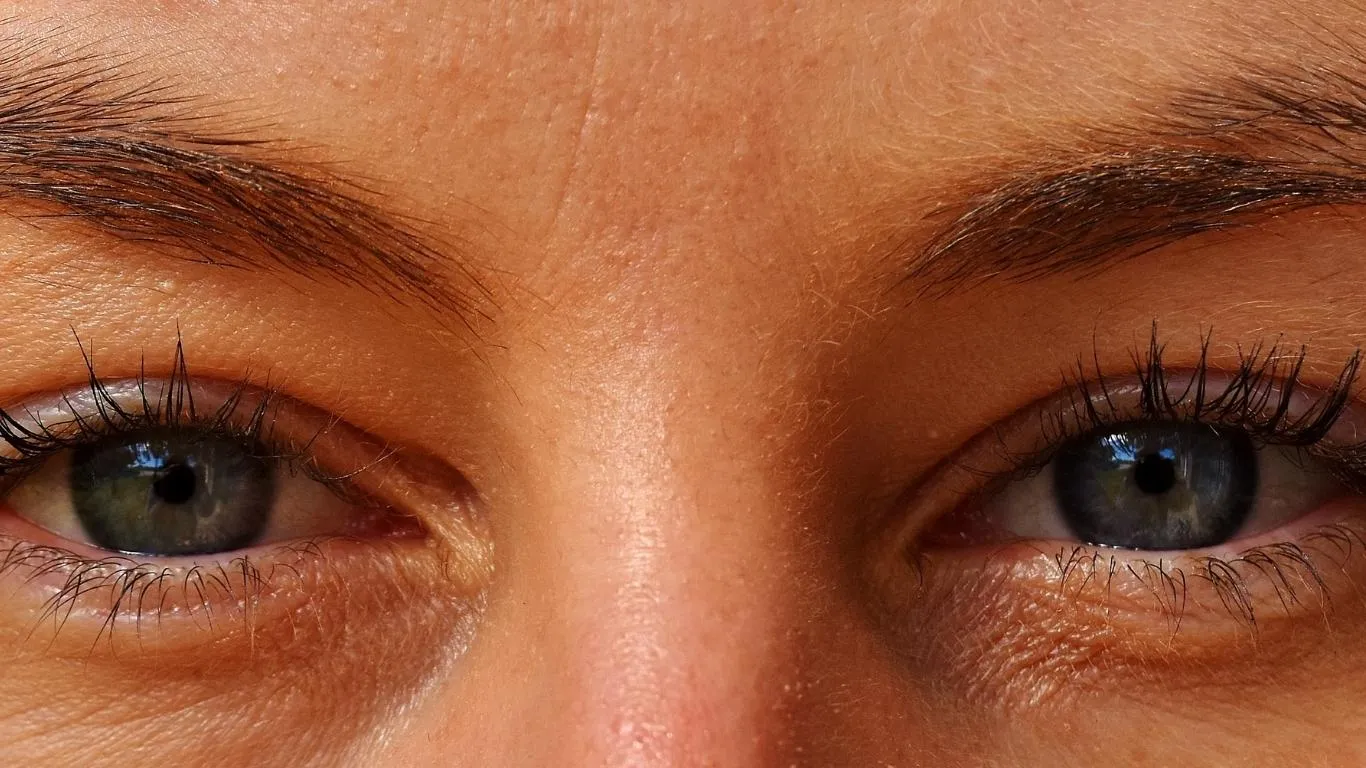
First off, floaters aren’t just dust on your glasses or your screen—they’re inside your eyes. Technically, they’re small bits of collagen or protein drifting in the vitreous humor, the gel-like substance that fills the eye. These specks cast shadows on the retina, and voilà, you see “floaters.”
Most people experience them at some point. But if you notice them more during tension headaches, you’re not imagining it. I had to learn the hard way. It turns out stress, muscle tension, and visual strain aren’t just bad for your neck and shoulders—they affect your eyes, too.
The Overlooked Link: Tension Headaches and Floaters
Let’s talk about tension headaches. They’re the most common type of headache and usually feel like a dull, pressing band wrapped around your forehead. No pulsing, no nausea—just that tight, dragging pain. When I started tracking my floater flare-ups, I realized they often popped up when my headache was at its peak.
Why? It’s partly due to how tension headaches affect blood flow, eye muscles, and stress hormones. Here’s how it breaks down:
1. Eye Strain from Screen Time
Most of us are glued to screens. Constant staring, poor posture, and lack of blinking contribute to digital eye strain. This can not only trigger tension headaches but also make floaters worse. It’s like a vicious cycle you don’t realize you’re stuck in until your eyes remind you—visually.
2. Muscular Tension Behind the Eyes
Tension headaches don’t just squeeze your temples—they can cause tightness in the neck, shoulders, and even the tiny muscles around your eyes. This constant tension may affect how your vitreous gel behaves or how your brain interprets visual noise, leading to an uptick in floater visibility.
3. Stress and Cortisol
When you’re stressed, cortisol shoots up. Chronic stress can impact eye circulation, possibly affecting the vitreous body or making existing floaters more noticeable. I found that my floaters were especially pronounced during periods of high anxiety—especially right after long workdays or poor sleep.
Why Some People Notice Floaters More Than Others
Not everyone with a headache sees floaters, so what gives? Several factors make you more likely to notice them:
- Bright backgrounds: White walls, computer screens, and sunny skies are the worst offenders.
- High visual awareness: Some of us are just more in tune with our vision, especially during discomfort.
- Vitreous consistency: Age, genetics, and hydration status affect how jelly-like or clumpy your eye’s vitreous becomes.
Some interesting research even suggests that fatigue and tiredness make floaters more visible. Not surprising, since tension headaches often strike at the end of a draining day.
Should You Worry If Floaters Appear During a Tension Headache?
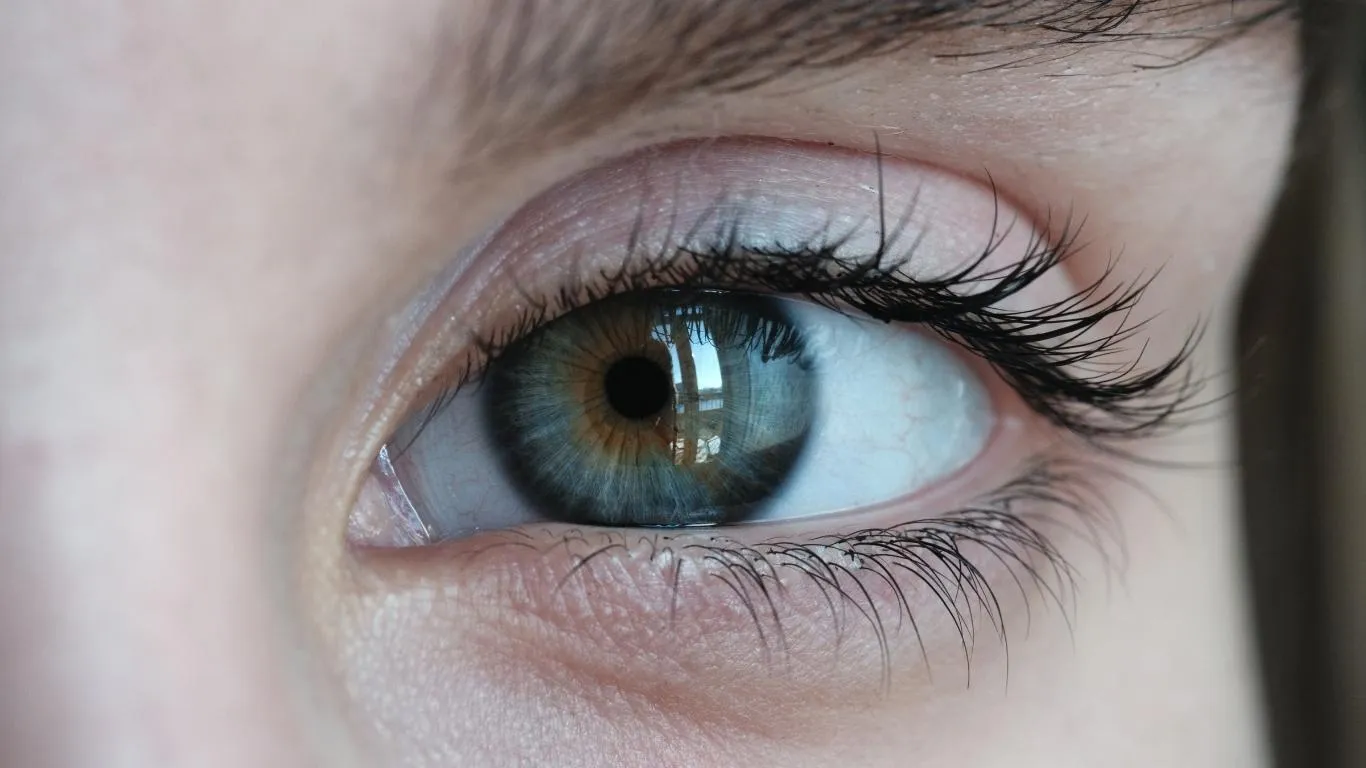
For most people, the answer is no—at least not right away. Floaters caused or aggravated by tension headaches are usually harmless and temporary. But don’t ignore red flags either.
Here are signs you need to get your eyes checked ASAP:
- Sudden increase in floaters (like a snow globe effect)
- Flashes of light
- Loss of peripheral vision
- Severe headache with vision changes
These could signal something more serious, like retinal detachment or damage. Articles like this one on retinal holes explain why quick action matters.
Small Tweaks That Help Reduce Floater Discomfort
If you’re like me and want to avoid meds unless necessary, there are some simple habits that help ease both headaches and floaters:
- Adjust screen settings: Reduce brightness, increase font size, and use dark mode.
- 20-20-20 rule: Every 20 minutes, look at something 20 feet away for 20 seconds.
- Hydrate like it’s your job: Dehydration makes floaters worse, and it also triggers headaches.
- Stretch your neck and shoulders: Keeps blood flowing and relieves tension buildup.
There’s even some buzz around natural remedies for floaters, though the science is mixed. I’ve tried lutein and omega-3 supplements—can’t say they’re a cure, but they didn’t hurt either.
For a breakdown of how floaters are treated (from wait-and-see to surgery), this guide on floater treatment gives you the full range of medical options.
If you’re just starting to experience eye floaters or want to understand all the ins and outs, check out the full explainer on what causes eye floaters and what you can do about them.
Why Do Floaters Get Worse When You’re Stressed or in Pain?
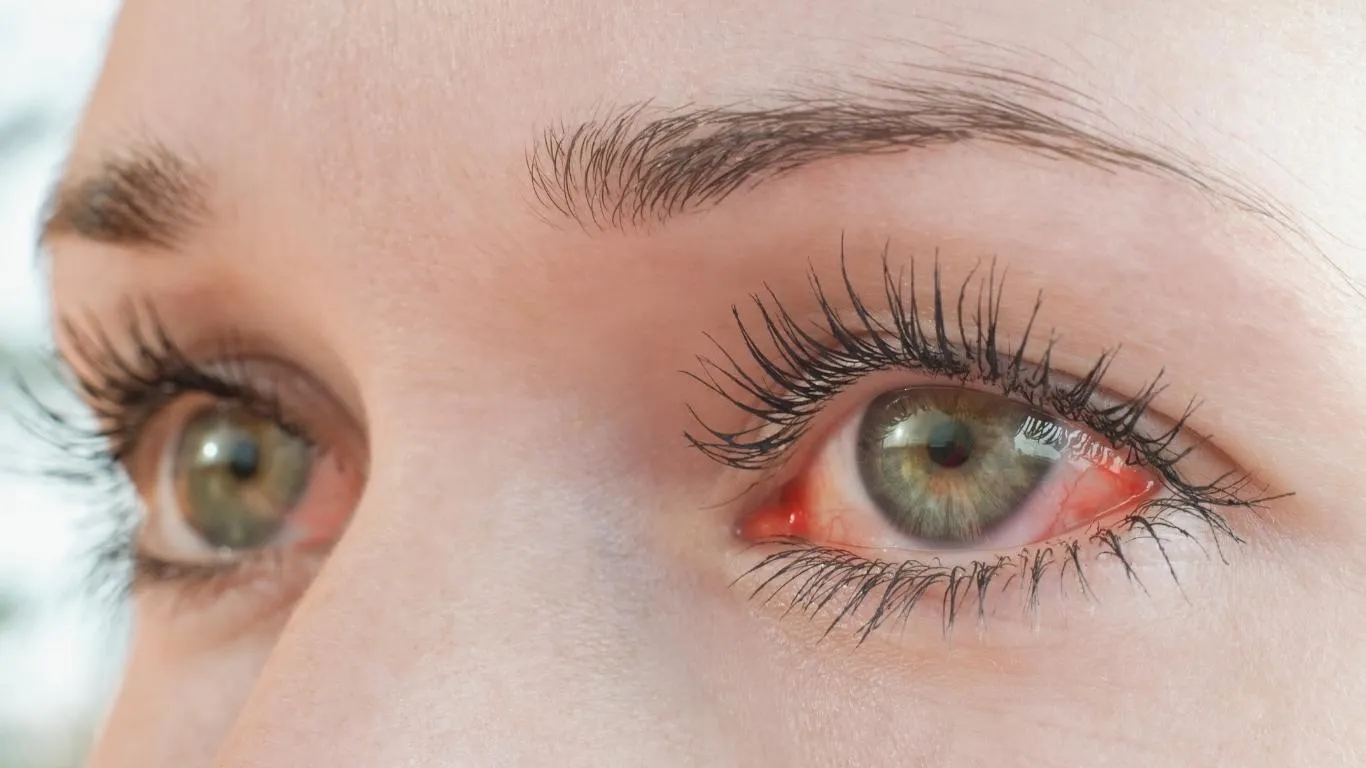
When tension headaches hit, you’re already on edge. Add floaters to the mix, and it’s sensory overload. I remember driving home with a dull pain squeezing my forehead while squinting at faint ghosty shapes drifting across my line of sight. It wasn’t just irritating—it was mentally exhausting.
Turns out, stress plays a big role in how we perceive floaters. It doesn’t always mean the floaters are getting physically worse—it could be your brain’s filter going haywire. Pain and anxiety ramp up sensory sensitivity. Your body’s in high alert mode, and you start noticing every little thing—including the floaters that are usually background noise.
Some researchers have even linked anxiety spikes to floater intensity. Your nervous system heightens visual processing when you’re tense, making floaters more prominent, even if they haven’t changed physically.
Visual Fatigue Is Real—And It’s a Bigger Deal Than People Think
It’s not just your head that’s tired after a stressful day. Your eyes get beat up too—especially if you’re stuck at a screen for hours. If you’ve ever noticed floaters becoming more active after a long binge of emails or spreadsheets, you’re not alone.
Prolonged near-focus activities (reading, phone use, design work) can contribute to both headaches and floater flare-ups. Studies suggest that prolonged visual tasks reduce blink rate, dry out the eyes, and put pressure on the eye muscles. This tension feeds right into the floater-headache equation.
One quick fix? Try switching environments. I’ve personally found that changing my workspace lighting and taking frequent “eye breaks” helps reduce that weird moment where floaters feel like they’re dancing across my monitor.
Hormonal and Sleep Disruptions: The Invisible Aggravators
You wouldn’t think hormones or sleep patterns would have anything to do with vision changes—but they absolutely do. I’ve noticed more intense floaters and headaches during weeks of hormonal shifts and sleep disruptions. Turns out, that’s not just my imagination.
Disrupted sleep increases inflammation and visual strain. Meanwhile, hormonal fluctuations—especially estrogen drops—can affect the consistency of the vitreous gel inside the eye. A recent piece on sleep and floaters goes into the science behind this connection. When both hormones and sleep are out of whack, your brain and eyes are just more sensitive to everything, including floaters.
When Hormonal Shifts Are the Culprit
For women, tension headaches and visual disturbances may follow menstrual cycles, pregnancy, or even menopause. Many people report worse floaters post-menopause, especially during episodes of head pressure or migraines. Again, not a coincidence—more like a perfect storm of internal changes affecting how your eyes behave.
Could Tension Headaches Be Masking a Bigger Eye Issue?
This is where things get tricky. Floaters alone might not seem like a big deal, and tension headaches are often brushed off as “normal.” But together, they can sometimes point to more serious stuff—especially if there’s an increase in visual noise or associated symptoms.
Issues like vitreous degeneration, optic nerve pressure, or even early signs of retinal problems can slip through the cracks if you chalk everything up to stress. That’s why I finally went in for a retinal scan after months of assuming my screen time was the only issue. No serious damage—but I’m glad I checked.
This piece on common causes of floaters lays out some of the real risks that can be easy to miss.
How to Manage Floaters Without Losing Your Mind
There’s no magic pill (trust me, I’ve Googled it), but there are strategies that make floaters less intrusive—especially if tension headaches are part of the equation.
- Prioritize ergonomic posture: Poor posture can intensify both eye strain and tension headaches.
- Blue light filters: Less blue light = less tension = fewer floater spikes, in my experience.
- Stay mentally present: It sounds counterintuitive, but worrying about floaters tends to make them worse. Mindfulness helps.
- Try visual tracking exercises: Slow, guided eye movements can help your brain adapt and reduce focus on floaters.
And if you’ve been wondering whether tension headaches and floaters are a sign of something chronic—like high pressure inside the eye—this resource on eye pressure might give you some direction.
Don’t Ignore the Patterns—Your Eyes Might Be Telling You Something
For me, the turning point was keeping a journal. Sounds nerdy, but jotting down when floaters appeared (and what kind of headache I had) helped me uncover patterns I’d completely missed. Turns out, my worst days came after dehydration, poor sleep, screen overuse, and skipped meals. A combo that practically invites both tension and floaters.
Over time, you start to realize that floaters aren’t just about the eye—they’re a subtle signal your whole system might be off-balance. And the more you listen to those signals, the easier it is to course-correct.
If you’re just getting started understanding the symptoms tied to floaters, I highly recommend diving into this guide on how to recognize floater symptoms. It’s one of the most comprehensive breakdowns out there.

Camellia Wulansari is a dedicated Medical Assistant at a local clinic and a passionate health writer at Healthusias.com. With years of hands-on experience in patient care and a deep interest in preventive medicine, she bridges the gap between clinical knowledge and accessible health information. Camellia specializes in writing about digestive health, chronic conditions like GERD and hypertension, respiratory issues, and autoimmune diseases, aiming to empower readers with practical, easy-to-understand insights. When she’s not assisting patients or writing, you’ll find her enjoying quiet mornings with coffee and a medical journal in hand—or jamming to her favorite metal band, Lamb of God.