Simple Ways to Handle Anxiety While Public Speaking Online
Not long ago, I found myself staring at my screen, sweating, even though I was just about to speak in a webinar with 30 people—not exactly a TED Talk. My heart pounded, my throat tightened, and my mind kept yelling, “What if you freeze?” Public speaking in person used to be scary enough, but somehow, doing it online added this strange new layer of anxiety. And I learned quickly: just because you’re not on stage doesn’t mean your nerves take a day off.
Why Online Public Speaking Triggers Anxiety Differently
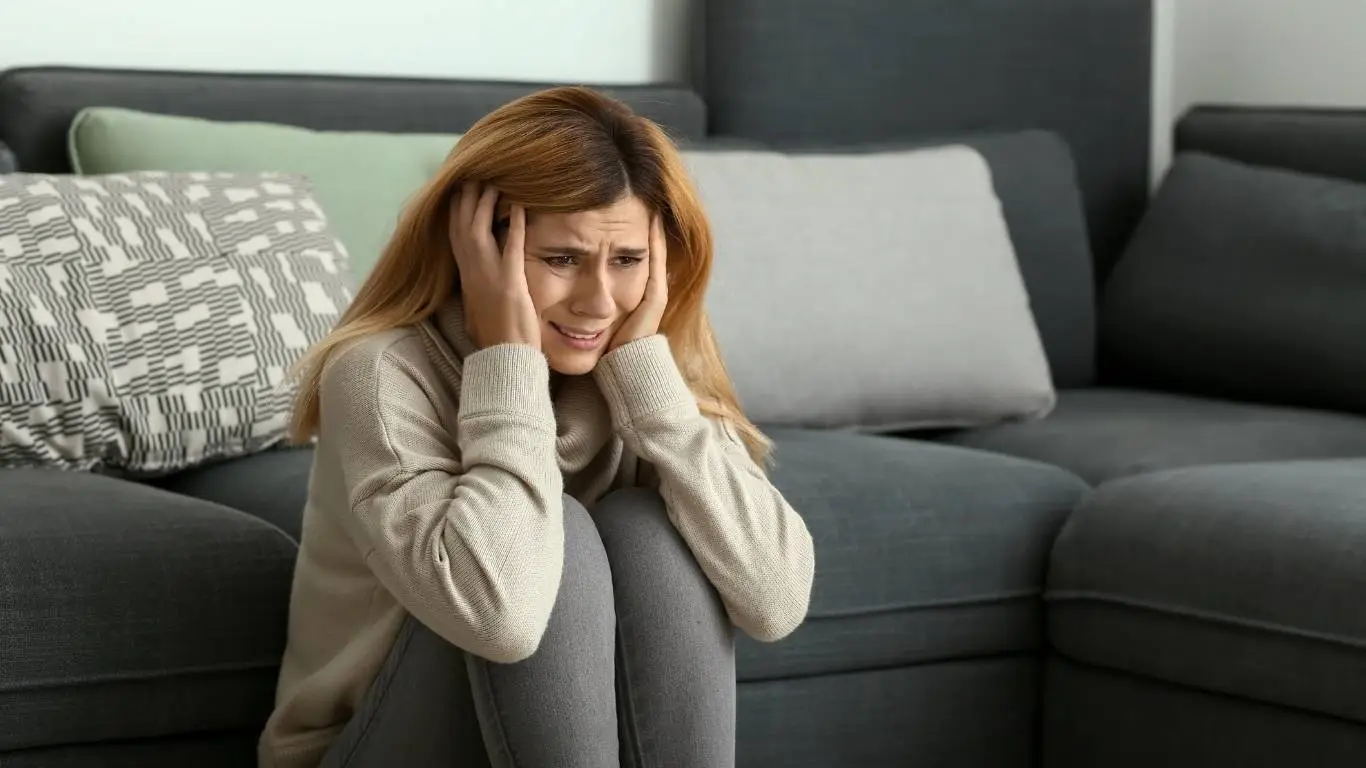
There’s something uniquely nerve-wracking about staring into a webcam lens instead of a live audience. You can’t read the room. You can’t see facial reactions. For all you know, people could be laughing—or yawning—and you’d never know.
This digital disconnect amplifies anxiety because it removes the feedback loop that helps speakers feel in control. Plus, you’re dealing with tech mishaps, self-image issues (Zoom fatigue, anyone?), and that little voice whispering, “Everyone’s judging you right now.”
Understanding the Root of Virtual Stage Fright

It’s Not Just About Speaking—It’s About Being Seen
Let’s be honest, many of us get that flutter in the stomach just turning on our camera. Online platforms have made it easier to avoid exposure—but when we’re asked to unmute and present, all that hidden social anxiety rushes out at once.
- Perfectionism kicks in: We worry about every word, every pause, every “uh.”
- Self-image becomes a distraction: The constant view of yourself can trigger insecurity.
- The fear of judgment multiplies: Especially when you can’t see your audience’s reactions.
These feelings often mirror what’s explored in this deep dive into public speaking anxiety—a must-read if you feel frozen before virtual events.
Practical Ways to Handle Public Speaking Anxiety Online

1. Create a Familiar Setup
Before you go live, rehearse in the exact environment where you’ll be speaking. Sit in your usual spot, wear what you plan to wear, and even open the same slides or tabs. This may seem small, but reducing unknown variables decreases your brain’s sense of threat.
2. Use Grounding Techniques Right Before You Speak
This is one that genuinely saved me during a live panel discussion. A few minutes before I spoke, I practiced simple breathing exercises I’d learned online—deep inhales, slow exhales. It felt silly at first, but it calmed my racing thoughts just enough to focus.
- Take 4 deep breaths, count to 4 as you inhale
- Hold for 4 counts
- Exhale slowly for 4 counts
These exercises activate the parasympathetic nervous system, telling your body, “You’re not in danger.”
3. Rehearse for Flow—Not Perfection
Here’s something my coach once told me that changed everything: “It’s not about nailing every word. It’s about flow.” Instead of memorizing, practice talking through your ideas conversationally. Record yourself. Watch the playback—not to criticize but to build familiarity.
Over time, you’ll notice what feels natural and what throws you off. When I stopped scripting every word, my delivery felt more human—and my nerves went down.
4. Shrink the Screen, Shrink the Fear
This trick might sound odd, but it works. Minimize the video window during your talk or use “Speaker View” so you see fewer people. The visual crowd shrinks, and so does your perceived audience pressure.
5. Know Your First Line Cold
Seriously. Just your first 10 seconds. Knowing exactly how you’ll begin gives your brain a psychological foothold, which reduces anxiety significantly. From there, momentum usually takes over.
Build Confidence Through Experience (and Mistakes)

Every awkward pause, every nervous fidget—it’s all part of the learning curve. I once forgot my own slide order during a live Zoom session and ended up making a joke out of it. That moment, oddly enough, made the audience feel more connected. They saw me as human—not a rehearsed robot.
Confidence in public speaking doesn’t mean being flawless. It means being okay with imperfections and moving forward anyway. And yes, you absolutely can get there.
If you’re still wondering whether your anxiety is something more than just nerves, this diagnosis and assessment guide can be a great place to start. It helps you understand where performance anxiety ends and an actual disorder may begin.
For a broader perspective on anxiety’s silent grip on your life, this powerful main article on how anxiety controls daily routines offers a deeper look into what may be holding you back more than you realize.
And if you’re craving an even more structured breakdown of how anxiety affects your communication and daily function, check out the dedicated resource on anxiety’s impact on your daily routine.
Upgrade Your Tools: Technology That Calms, Not Stresses

If you’re like me, you’ve probably had that heart-stopping moment when Zoom glitches right as you’re about to present. One time, my screen froze mid-sentence—and it totally derailed my focus. Since then, I’ve invested in a better mic, adjusted my lighting, and even changed platforms when necessary. The more confident you are in your setup, the less you’ll panic about the “what ifs.”
- Use a reliable platform: Stick with one you’ve used often—familiarity breeds calm.
- Test gear ahead of time: Mic, webcam, internet connection. Don’t leave it to chance.
- Have a backup plan: A second device nearby or a phone hotspot can be a lifesaver.
Reducing tech stress is half the battle. You can’t control nerves if your tools are failing you.
Addressing the Anxiety Head-On

Reframe Nervousness as Excitement
Something strange happened the third time I hosted a live workshop: I was still nervous—but I felt ready. That’s when I realized what performance coaches talk about all the time: anxiety and excitement are nearly identical in the body. Shaky hands, rapid heartbeat? That could just be your system gearing up, not breaking down.
Try telling yourself: “This is excitement. I’m ready.” That tiny reframe helps you ride the adrenaline wave rather than fighting it.
Embrace Exposure, Bit by Bit
Public speaking anxiety doesn’t disappear with one big breakthrough—it fades with repeated exposure. Start with something low-pressure: turn on your camera during meetings, volunteer for short intros, or host a casual virtual meetup with friends.
Consistent micro-exposure builds confidence. And when you’re ready, stepping into something bigger—like hosting a webinar—won’t feel like a leap. This method is explored in how exposure therapy helps rebuild natural confidence.
Lean into Psychological Techniques That Actually Work

Progressive Muscle Relaxation (PMR)
This one’s underrated. PMR helps release tension in areas you don’t realize are clenched—shoulders, jaw, even your calves. I use it right before logging into a big talk. You can follow this guide to PMR for anxiety to get started.
Journaling Out Your Pre-Speech Fears
Write down everything that’s bugging you: what if I blank? What if they think I’m boring? Then answer each one rationally, like you’re coaching a friend. It’s a grounding trick I learned while exploring how journaling for anxiety actually works. When you see your fears on paper, they shrink in power.
Diet, Sleep, and Body Cues—They All Matter

It may not sound sexy, but the basics matter. Ever tried giving a talk after three hours of sleep and a double espresso? I have. It didn’t end well.
- Avoid caffeine overload: It mimics anxiety symptoms and amplifies nervous energy.
- Get quality sleep: Lack of rest impairs verbal recall and emotional regulation.
- Eat balanced meals: Low blood sugar can cause jitteriness and brain fog.
If you’re looking for specifics, check out this detailed resource on anxiety-friendly nutrition. I personally found swapping processed snacks for magnesium-rich foods helped me feel calmer before presentations.
Find a Practice Community or Safe Audience

One of the best things I did was join a virtual speaker group. These were people who got it—who fumbled words and froze on camera too. Having a safe space to mess up and still feel supported built my confidence faster than any solo prep session.
Whether it’s a mastermind group or a casual meetup, find your people. It’s the antidote to feeling alone in your anxiety. This angle is well explained in how support groups benefit anxiety recovery.
Therapy and Professional Help Are Game-Changers

I didn’t get here on my own. I worked with a therapist for months who helped me unpack my fear of public failure. We used acceptance and commitment therapy (ACT), which focused on values-based action rather than trying to “fix” me.
For many people, especially if online speaking anxiety is part of a bigger pattern, therapy is the most effective route. More on this can be found in this guide to psychotherapy options for anxiety.
Remember—You’re Not Broken, You’re Wired for Survival
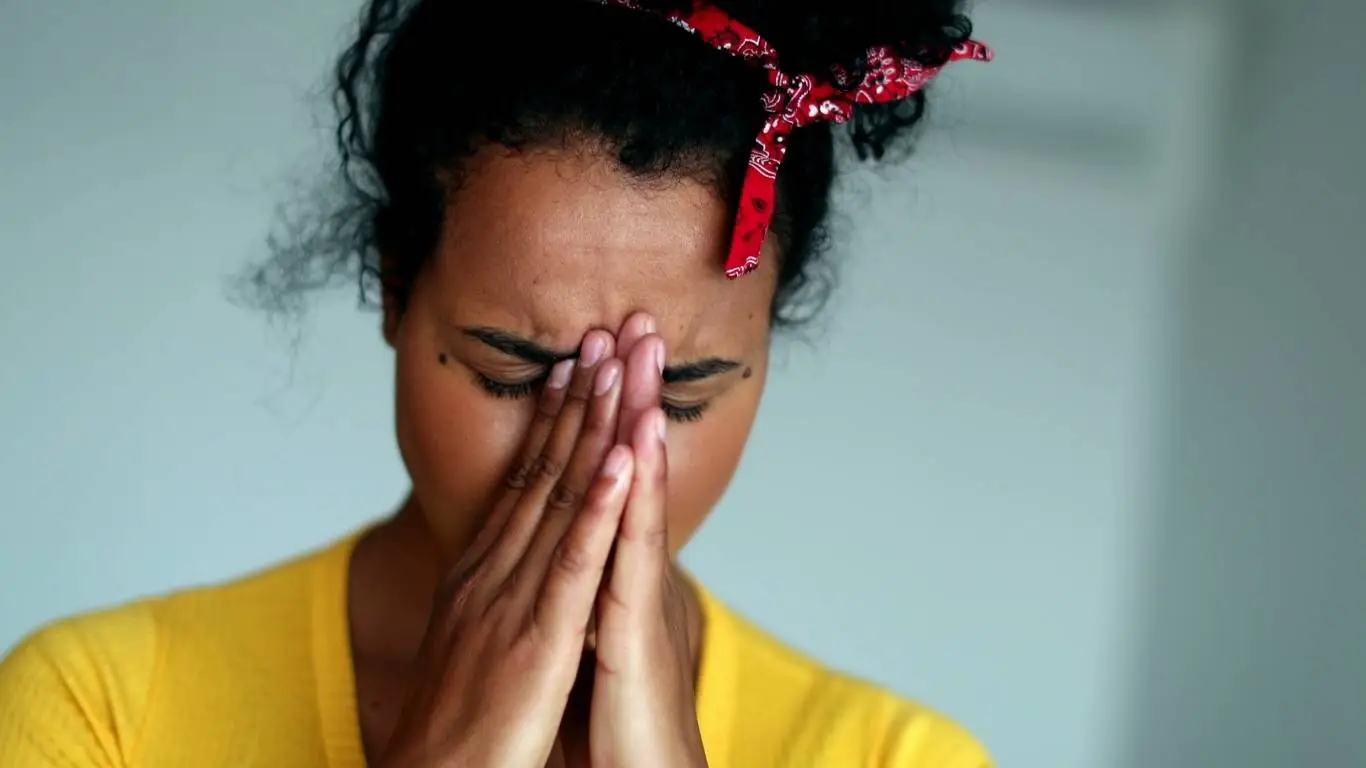
That feeling you get right before you speak? It’s not weakness. It’s your brain doing its job—trying to keep you safe from rejection, embarrassment, or unknown outcomes. But over time, with practice and the right tools, you can retrain your system.
If you’re just beginning this journey, you might find this broader breakdown on types of anxiety you might not know you’re dealing with insightful. Sometimes we’re dealing with more than one layer of fear—and knowing which one you’re facing can help untangle the mess.
And if you’re feeling like anxiety’s invisible grip is sabotaging more than just your speaking confidence, explore this powerful read on how anxiety disorders quietly shape your life. Understanding the full scope is a big step toward healing.

Camellia Wulansari is a dedicated Medical Assistant at a local clinic and a passionate health writer at Healthusias.com. With years of hands-on experience in patient care and a deep interest in preventive medicine, she bridges the gap between clinical knowledge and accessible health information. Camellia specializes in writing about digestive health, chronic conditions like GERD and hypertension, respiratory issues, and autoimmune diseases, aiming to empower readers with practical, easy-to-understand insights. When she’s not assisting patients or writing, you’ll find her enjoying quiet mornings with coffee and a medical journal in hand—or jamming to her favorite metal band, Lamb of God.