Poor Blood Circulation May Be Causing Your Back Cramping
Let me tell you, a few years ago, I would have laughed if someone told me that my awful back cramps were linked to my blood circulation. I used to blame my old office chair, or my tendency to sleep in weird positions. Turns out, the truth went a lot deeper—and it’s way more common than people realize. Whether you’re dealing with lingering tightness, cramps that show up out of nowhere, or that annoying ache after standing too long, your circulation might be playing a starring role. Let’s break it down.
Why Blood Flow Matters More Than You Think

Your blood carries oxygen and nutrients to your muscles. If circulation is poor, especially to areas like the lower back, your muscles basically get shortchanged. That can cause them to cramp, fatigue faster, and heal slower after any strain.
Ever notice how your legs go numb after sitting for too long? Same deal with your back—just sneakier. Since we’re not taught to connect poor circulation to back discomfort, it’s easy to overlook. But when you consider how often we sit, slump, and compress those arteries and veins? Yeah, it adds up.
What Poor Circulation Feels Like in the Back
- A dull ache that creeps in mid-day
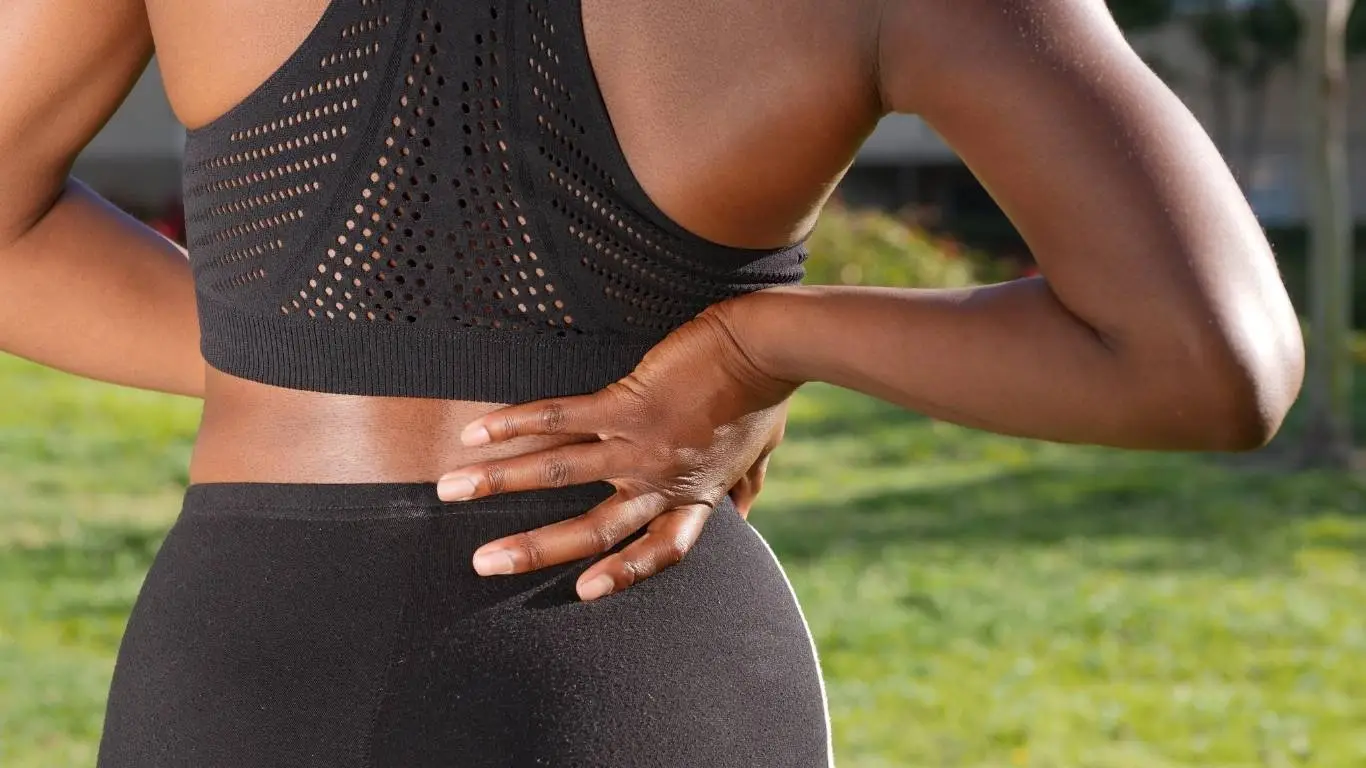
- Sudden muscle spasms, especially in the lower back
- Feeling “heavy” or stiff even after resting
- Slower recovery after workouts or yard work
These symptoms are often blamed on “getting older” or “sleeping wrong,” but poor blood flow could be the missing piece. I learned this the hard way—after months of stretching and massaging with no real improvement, my physical therapist finally brought up circulation. Game changer.
How Daily Habits Wreck Circulation Without You Noticing

The modern lifestyle is practically designed to mess with our circulation. Think about it—
- We sit for hours (hello desk jobs and binge-watching).
- We hunch over phones, compressing vessels in the upper back.
- We skip leg days or cardio, which help pump blood efficiently.
I used to go from bed to desk to couch without even noticing how long I was staying in one position. Over time, this added up to poor circulation in my hips and lower back. It wasn’t until I read this deep dive on posture-related back pain that things started to click.
The Science Behind the Stiffness
Muscles that don’t get proper blood supply tend to hold on to metabolic waste like lactic acid. That buildup leads to inflammation and—you guessed it—cramping. Combine that with compressed nerves from poor posture, and now you’re dealing with both muscle and nerve irritation.
There’s a reason even mild aerobic activity improves back pain. It’s not just about loosening up—it’s about delivering oxygen and flushing out junk.
Conditions That Link Circulation and Back Cramping

While lifestyle plays a big part, there are medical conditions that tie directly into this issue. For example:
- Degenerative disc disease can restrict blood flow around the spine.
- Inflammatory conditions affect vessels and joints, disrupting circulation.
- Diabetes and vascular disease often go hand in hand with back cramping.
Even being dehydrated can reduce blood volume, which affects circulation and makes your muscles more prone to spasms. So yes, skipping water for your third coffee could actually be setting you up for pain.
Why It Hits at Night or Early Morning
I used to wake up with tightness in my lower back that took half an hour to walk off. Turns out, circulation slows when we sleep—especially in awkward positions or with unsupportive mattresses. If you’re already on the edge with blood flow issues, those 6–8 hours can really do a number on your spine.
This post on why back pain worsens at night opened my eyes to how subtle changes (like pillow placement or mattress support) can restore blood flow and reduce cramping.
How I Improved Circulation—And Reduced My Cramping

Here’s what actually worked for me—not theories, not gimmicks. Just small adjustments:
- Standing up every 30 minutes – even just stretching or walking in place.
- Using a standing desk a few hours a day (this article convinced me to finally try it).
- Incorporating light cardio like brisk walking or swimming—gets the blood moving without straining your back.
- Targeted mobility work in the mornings to encourage flow before sitting.
- Hydrating and using magnesium-rich foods—crucial for vascular health and muscle relaxation.
Now I’m not saying I’m 100% pain-free, but I can absolutely tell when I slack off. My back cramps come creeping back, and that heavy, tight feeling sets in by afternoon. It’s wild how something as basic as blood flow makes that much difference.
For deeper insight into how your daily routines affect pain levels, the Lifestyle, Diet & Natural Remedies guide is packed with realistic advice. And for a broader view of back pain types and mechanisms, the main back pain article is a great place to start.
What Experts Actually Recommend for Blood Flow–Related Back Cramping

When I finally brought this issue to a physical therapist, I expected the usual round of stretches and maybe an MRI referral. Instead, he zeroed in on my blood flow and muscle recovery. Apparently, a surprising number of back pain cases they treat involve some level of circulation issue—and they see it more in folks who sit long hours or have postural imbalances.
Here are some legit strategies experts use to boost circulation in and around the spine:
- Low-impact aerobic therapy like stationary biking or pool walking
- Soft tissue mobilization to get blood flowing in stiff, cramp-prone areas
- Breathwork to activate the parasympathetic nervous system and increase vascular relaxation
- Fascial stretching—way different than regular stretching, it helps break adhesions and improve flow
I’d honestly never considered how much my breathing or fascia health could be choking off blood supply. But once I combined deep diaphragmatic breathing with mobility drills, my lower back felt… well, less “locked up.”
When to Bring in Professional Help
If you’re seeing sudden sharp pain or numbness, or if basic circulation fixes aren’t cutting it, it’s worth looking at more advanced diagnostics. Conditions like vascular claudication or even mild nerve compression may mimic poor circulation but need targeted care.
More clinicians now use nerve conduction studies and spinal vascular imaging, as explained in this guide. It’s not about overreacting—just being smarter about persistent issues.
How to Fix Posture Without Becoming a Yoga Guru

I used to think good posture meant sitting like a statue. Nope. The key is dynamic posture—constantly shifting, standing, realigning, and basically refusing to let your spine get lazy.
Here’s what actually helped:
- Alternate between sitting and standing every 20–30 minutes (yes, timers help)
- Elevate your feet occasionally to help venous return from the legs
- Use a lumbar support cushion—this article convinced me it’s not just for grandpas
- Strengthen glutes and core to keep the pelvis neutral and avoid compressing blood vessels in the lumbar region
If you want more detail, the exercise & rehab pillar article has practical setups and adjustments anyone can use—no physical therapy degree required.
Quick Daily Moves That Pump Blood and Ease Tension
These are short, zero-equipment exercises I do at home or even during work breaks. They take maybe 10–15 minutes and make a big difference:
- Cat-cow stretch (spinal circulation boost)
- Wall angels (opens thoracic spine and improves shoulder circulation)
- Glute bridges with heel lifts
- Standing hamstring pulse stretches
It’s amazing how much more alert and loose I feel after doing these—even without caffeine. It’s a physical reset.
Powerful Lifestyle Fixes That Support Spinal Circulation
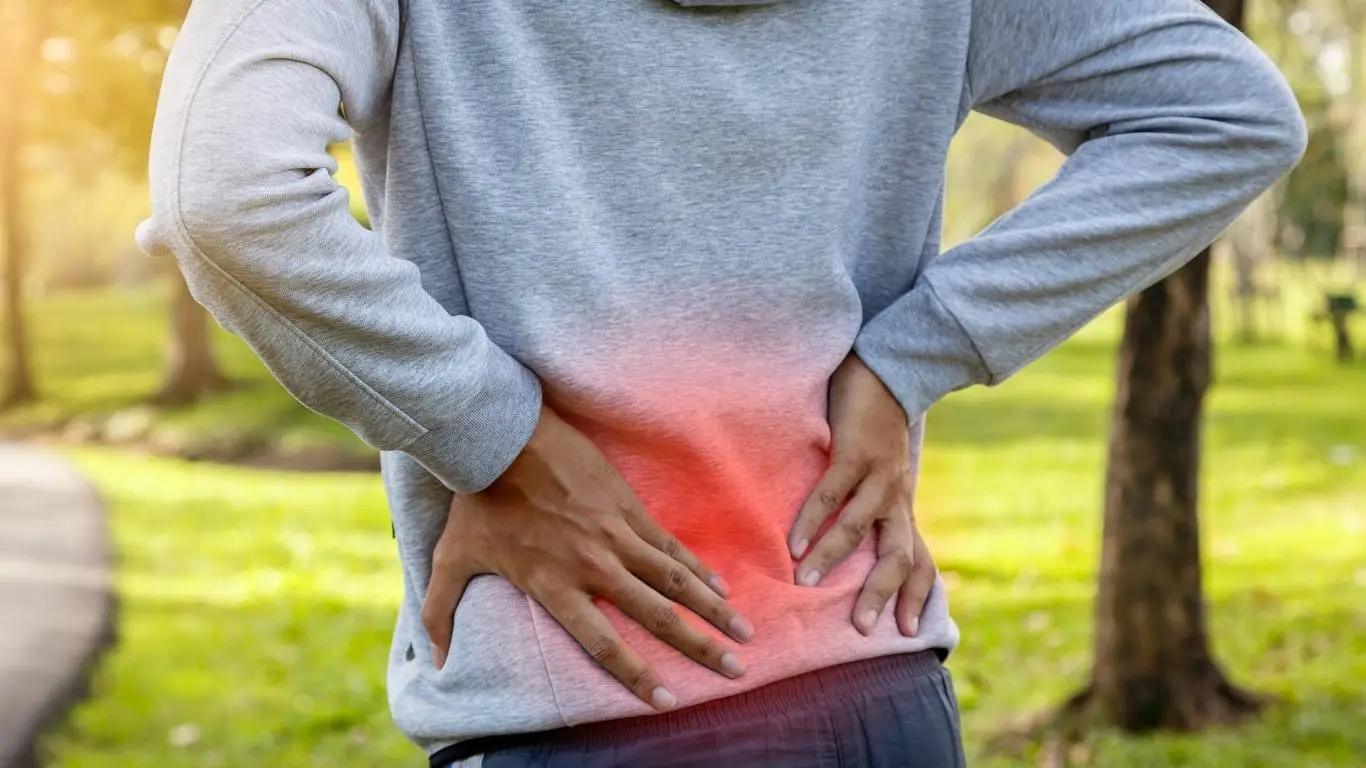
Once I tackled the mechanics, I turned to the bigger picture. Blood flow isn’t just about posture and exercise. It’s also about what’s in your blood—and how well your body manages inflammation, hydration, and recovery.
Here’s what made the biggest difference for me:
- Hydration: Especially during work hours. Dry muscles = slower blood flow.
- Anti-inflammatory foods: I started making this anti-inflammatory diet part of my daily routine, and my back doesn’t lock up as often anymore.
- Omega-3 supplements: Found a noticeable difference in morning stiffness within 2–3 weeks.
- Compression socks: Sounds weird, but they helped push blood back to my core during long desk days.
For anyone with underlying inflammation, these changes are surprisingly powerful. Plus, staying on top of hydration helps reduce muscle irritability, which means fewer spasms and cramps.
Helpful Therapies That Support Blood Flow
Over the months, I experimented with several techniques—not all stuck, but some were surprisingly effective:
- Massage therapy: Especially trigger point and lymphatic styles.
- Acupuncture: I was skeptical, but this guide helped me understand the science.
- Infrared therapy pads: Boosted blood flow, especially in the evenings.
- Cold showers followed by warmth: This contrast technique really “wakes up” the vessels.
When combined with movement and nutrition, these tools offer a layered approach—not magic bullets, but definite contributors.
Final Connection: How Blood Flow Ties It All Together

Understanding how blood circulation affects your back isn’t just about avoiding cramps. It’s about optimizing how your spine functions daily. Better circulation means:
- Faster recovery after physical stress
- Less lactic acid buildup and inflammation
- Stronger muscles with more endurance
- Lower risk of injury from stiffness and fatigue
Many people go years treating only the symptoms—stretching, icing, popping painkillers—without ever looking at the root causes. I was one of them. But once you zoom out and consider your circulatory health, things begin to shift. You’re no longer fighting the same cramp over and over. You’re fixing the terrain that causes it.
If you haven’t yet, check out the main Causes of Back Pain article for a deeper look at what might be triggering your issues. And for an even broader overview, the main back pain guide ties it all together beautifully.

Camellia Wulansari is a dedicated Medical Assistant at a local clinic and a passionate health writer at Healthusias.com. With years of hands-on experience in patient care and a deep interest in preventive medicine, she bridges the gap between clinical knowledge and accessible health information. Camellia specializes in writing about digestive health, chronic conditions like GERD and hypertension, respiratory issues, and autoimmune diseases, aiming to empower readers with practical, easy-to-understand insights. When she’s not assisting patients or writing, you’ll find her enjoying quiet mornings with coffee and a medical journal in hand—or jamming to her favorite metal band, Lamb of God.