
Best AM Routines for Chronic Back Pain That Actually Work
Let’s be real—waking up with chronic back pain is like getting sucker-punched before the day even starts. I’ve been there. That stiff, dragging ache right out of bed makes the simplest thing—like tying your shoes or even brushing your teeth—feel like a whole gym session. Over the years, I’ve tested everything from foam rolling to ice baths (never again), and what truly helped wasn’t just a quick fix… it was building a consistent, practical AM routine tailored specifically for chronic back pain. Here’s what works, and more importantly, what’s worth skipping.
Why Your Morning Matters More Than You Think

Mornings set the tone. When you deal with chronic back pain, your body needs time to “warm up” just like any stiff machine. Your spine has been resting (or struggling) in one position for hours—it’s stiff, the muscles around it are tight, and joints are often swollen. If you jump right into your day without giving your body the nudge it needs, you’re basically asking for trouble.
The Science Behind AM Movement and Pain Reduction
Movement increases synovial fluid (that’s joint lube), improves circulation, and reduces stiffness. The National Institute of Neurological Disorders even suggests that slow, consistent motion in the morning helps reduce inflammation that builds overnight. And from my own trial-and-error: skipping morning mobility? Guaranteed 3PM back spasm.
My Go-To Morning Mobility Flow (No, You Don’t Need to Be a Yogi)

You don’t need a 60-minute yoga class before breakfast. Honestly, that sounds exhausting. What you need is a realistic, low-impact set of moves that gradually wake up your spine, hips, and core. Here’s the 5-10 minute sequence that I do while my coffee brews:
- Cat-Cow Stretch (1 min) – Warms up the entire spine.
- Knees-to-Chest (2 min) – Gently stretches lumbar area, great for disc issues.
- Pelvic Tilts (1-2 min) – Core activation + lumbar engagement.
- Child’s Pose with Side Reaches (2 min) – Opens lats and stretches thoracic spine.
- Bridge Pose (1 min) – Glute activation to support the back.
Even if you skip everything else, don’t skip pelvic tilts. It’s like hitting the “reset” button on my lower back. Plus, it’s recommended across several treatment protocols for degenerative disc disease.
Hydration + Nutrition: Your Hidden AM Weapon

I used to ignore this part, and wow—big mistake. Dehydration tightens spinal discs, and your intervertebral discs need water to stay spongy and absorb shock. So now, my day starts with a full glass of warm lemon water (fancy, I know), followed by a light anti-inflammatory breakfast. Think:
- Oats with turmeric + chia seeds
- Greek yogurt with blueberries
- Boiled eggs + avocado toast
If you’re serious about keeping inflammation low, a quality Omega-3 supplement is gold. I learned the hard way that skipping this leaves my back feeling stiffer by lunch. Also, check out this helpful piece on the anti-inflammatory diet for back pain—it’s worth bookmarking.
Posture Reset: First 15 Minutes of Standing or Sitting

This might sound small, but how you position your spine during the first few minutes of your day matters. Slouching on your couch scrolling TikTok (guilty) is basically inviting a flare-up. Instead:
- Use lumbar support when sitting—seriously, it helps. Here’s why lumbar cushions are underrated.
- If standing, avoid locking your knees and shift weight gently between feet.
- Alternate sitting and standing if you have a desk job. A quality standing desk can be a game-changer.
Cold or Warm Showers? Depends on Your Pain Type
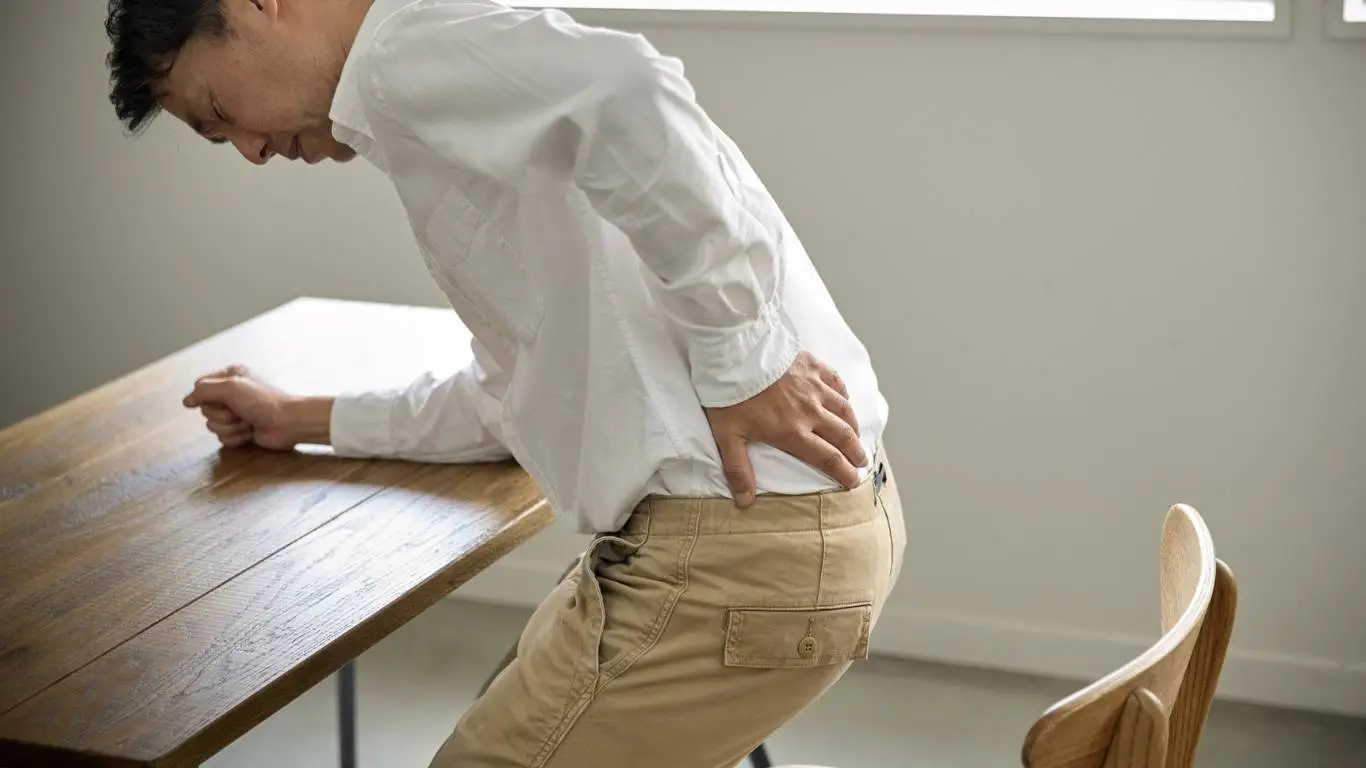
If you have inflammatory back pain like in this comparison guide, a warm shower can loosen you up and improve blood flow. For sharp or localized pain from a spasm or strain? Cold may reduce swelling. Some mornings I’ll even alternate both for contrast therapy—it works shockingly well. No pun intended.
When to Use Tools Like TENS or Braces in the Morning

I avoided gadgets at first—until my PT made me try a TENS unit. It’s now my go-to on high-pain mornings. You can read more about how TENS therapy actually helps. Just 15 minutes while making breakfast can reduce that morning tension significantly.
Back braces? Use sparingly. I wear one only on mornings I know I’ll be sitting in traffic or at my desk for hours. Here’s an evidence-based take on when braces help—and when they don’t.
Make Mornings Count (Even If You’re Not a Morning Person)

Here’s the thing—your morning routine doesn’t need to be perfect. It just needs to be yours. What matters most is consistency. That’s how you retrain your body, protect your spine, and show up every day with less pain and more energy.
For a more comprehensive breakdown of routines and supportive treatments, explore our full section on lifestyle and natural remedies. And if you’re new to managing chronic back pain in general, start with our main back pain resource center.
Simple Breathing Exercises That Calm Tension and Reduce Pain

Honestly, this one surprised me. I always thought breathwork was just for yogis or anxiety—not back pain. But once I started adding slow, controlled breathing into my morning, I noticed a legit difference. Less tension, more control over my posture, and my brain didn’t feel foggy with pain before noon.
Try this right when you wake up—before even getting out of bed:
- Lie flat with knees bent, feet on the bed.
- Inhale through your nose for 4 counts, filling your belly.
- Hold for 4 counts.
- Exhale slowly through your mouth for 6-8 counts.
- Repeat for 2-3 minutes, focusing on relaxing your back with each breath.
This activates the parasympathetic nervous system, reduces muscle tension, and according to Cleveland Clinic, can help ease chronic pain patterns when done consistently. I pair this with a bit of guided mindfulness, especially on high-pain days—like the ones after a bad sleep or long travel.
Using Mindful Movement: Gentle AM Walks

You don’t need to power walk or jog a mile. Even a 10-minute casual stroll around the block first thing in the morning can do wonders. I started doing this while waiting for my coffee to brew—it’s become a mental reset and a physical one.
Here’s why it helps:
- Improves circulation to spinal muscles
- Boosts energy without straining joints
- Activates glutes and core muscles that protect the spine
I first heard about this strategy in a deep dive on exercise and rehab for back pain, and I’ve been hooked since. Also, walking encourages upright posture naturally, which undoes a lot of the damage from slouchy sleep positions.
What Your Shoes Say About Your Morning Pain

I didn’t think much about shoes at home until a physical therapist asked, “What do you walk around your house in every morning?” Turns out, walking barefoot on hard floors was contributing to my morning flare-ups. Now, I keep a pair of orthopedic slides right by the bed.
If you’re dealing with lower back pain tied to posture or foot mechanics, consider these:
- Orthotic house shoes with arch support
- Avoid flip-flops or totally flat soles
- Minimalist shoes only after proper transition and rehab
This topic goes deeper in the article on footwear and back pain. I also realized my flat feet were partly to blame—here’s how that ties into lower back strain.
The Case for AM Supplements (and What to Avoid)

Now, I’m not a supplement junkie, but there are a few I won’t skip in the morning:
- Turmeric (with black pepper) – Helps with inflammation, and actually works. Here’s how.
- Vitamin D – I had no clue I was deficient until a blood test. Now I take 1000 IU with breakfast daily. If you’re tired and achy, this might be your hidden issue.
- Magnesium – Helps with muscle relaxation and sleep quality, especially if taken at night too.
What to skip? Overdoing caffeine before you’ve hydrated. Caffeine dehydrates your discs, and trust me, chugging a latte on an empty stomach can make your back feel tighter, not better.
The Best Mattress Morning Check

This is one of those sneaky culprits: your bed. If you’re waking up stiff every day despite good habits, it’s worth asking—is it your mattress? I went through three before I found one that actually supported my back without sinking like a hammock.
Some quick self-checks:
- Still tired or stiff after 8 hours? That’s a red flag.
- Do you feel better after sleeping on the couch or hotel beds?
- Does your mattress sag in the middle?
More people underestimate this than you’d think. See this breakdown on best mattresses for back pain if you’re not sure where to start. My current setup is medium-firm memory foam with lumbar zoning, and it’s made a huge difference.
AM Routine Don’ts (What I’ve Learned the Hard Way)

If I could go back five years and give my old self a list, here’s what would be on it:
- Don’t roll out of bed too fast. Sit up slowly, let your spine wake up first.
- Skip hard-core morning workouts. Leave HIIT for later, not first thing.
- Don’t reach or twist abruptly. Your spine is not ready for yoga backbends at 6AM.
- Stop skipping breakfast. Going straight to caffeine and emails without food? No thanks.
- Don’t ignore warning signs. If pain changes suddenly, worsens, or starts radiating—get it checked. These are red flags you should never ignore.
Each one of these mistakes cost me progress at some point—and no one talks about them enough.
The Best AM Routine is the One You’ll Actually Stick With

You don’t need to overhaul your life or mimic someone else’s perfect plan. The key is building your own version of a morning routine that gently activates, hydrates, and supports your back. Even just 3 of the habits from above, done consistently, can start to change how you feel by mid-morning. I know they did for me.
And hey, you don’t need to do this alone. There’s a fantastic hub on understanding your pain symptoms that can help you better track what your back is trying to tell you. Plus, if you’re new to this journey, check out the broader guide on back pain fundamentals to get oriented with everything you might need to know.

Camellia Wulansari is a dedicated Medical Assistant at a local clinic and a passionate health writer at Healthusias.com. With years of hands-on experience in patient care and a deep interest in preventive medicine, she bridges the gap between clinical knowledge and accessible health information. Camellia specializes in writing about digestive health, chronic conditions like GERD and hypertension, respiratory issues, and autoimmune diseases, aiming to empower readers with practical, easy-to-understand insights. When she’s not assisting patients or writing, you’ll find her enjoying quiet mornings with coffee and a medical journal in hand—or jamming to her favorite metal band, Lamb of God.