Does BV Cause Unusual Vaginal Textures or Changes in Feel?
So, I’ll be real with you—there was a time I started noticing something that felt… off. The texture, the feel, something was just different down there. And of course, cue the Googling spiral: “weird vaginal texture,” “vaginal tissue feels different,” and yes—“does BV cause unusual vaginal textures?” Turns out, I wasn’t alone. If you’re here, you’ve probably had a similar moment of “huh, that’s new.” Let’s dive into what’s really going on and why bacterial vaginosis (BV) could be the sneaky culprit behind all those odd sensations.
What Exactly Is BV, and Why Does It Affect Texture?

Bacterial Vaginosis isn’t an infection in the way we think of most infections. It’s more of an imbalance—a shift in the vaginal microbiome. Normally, good bacteria like Lactobacillus keep things smooth and regulated. But when bad bacteria take over? That’s when the changes start.
One major change people often don’t talk about is how the inside of the vagina feels. Some describe it as rough, grainy, swollen, or even like there’s a film or layer that wasn’t there before. And guess what? Changes in discharge texture can also mess with how the vaginal walls feel. It’s all connected.
How BV Affects Vaginal Texture: Real Talk

When BV is active, the vaginal lining often reacts to the shift in pH and bacterial types. This can lead to:
- Dry patches that feel gritty or flaky
- Sticky or slimy coating from abnormal discharge
- Swollen or inflamed tissue that feels puffier or unusually textured
I remember during one flare-up, everything felt thicker down there—like there was a soft swelling that just wouldn’t go away. I didn’t have itching or pain, just… texture. And if you’ve felt that, you know exactly what I mean.
Why Texture Can Change Without Pain
This is where it gets frustrating. A lot of doctors associate BV with smell, discharge, or irritation—but not always with touch. So if you’re not in pain, but things feel different, you might be told everything’s fine. It’s not always about pain—it’s about being in tune with your own body.
Other Possible Causes of Texture Changes (That Aren’t BV)
Of course, it’s not always BV. But if you’re ruling things out, here are a few to consider:
- Yeast Infections: Often have a cottage cheese-like discharge and intense itching. If you’re unsure, here’s how to tell BV from yeast.
- Hormonal changes: Especially around ovulation, pregnancy, or perimenopause.
- Post-antibiotic effects: Some antibiotics wipe out the good bacteria, opening the door to BV or yeast.
Still, if the odd texture showed up with a strange smell, greyish discharge, or right after a period or new sexual activity? BV is a likely suspect. Periods and sex can definitely throw things off.
How to Know for Sure: Diagnosis Tips That Actually Help
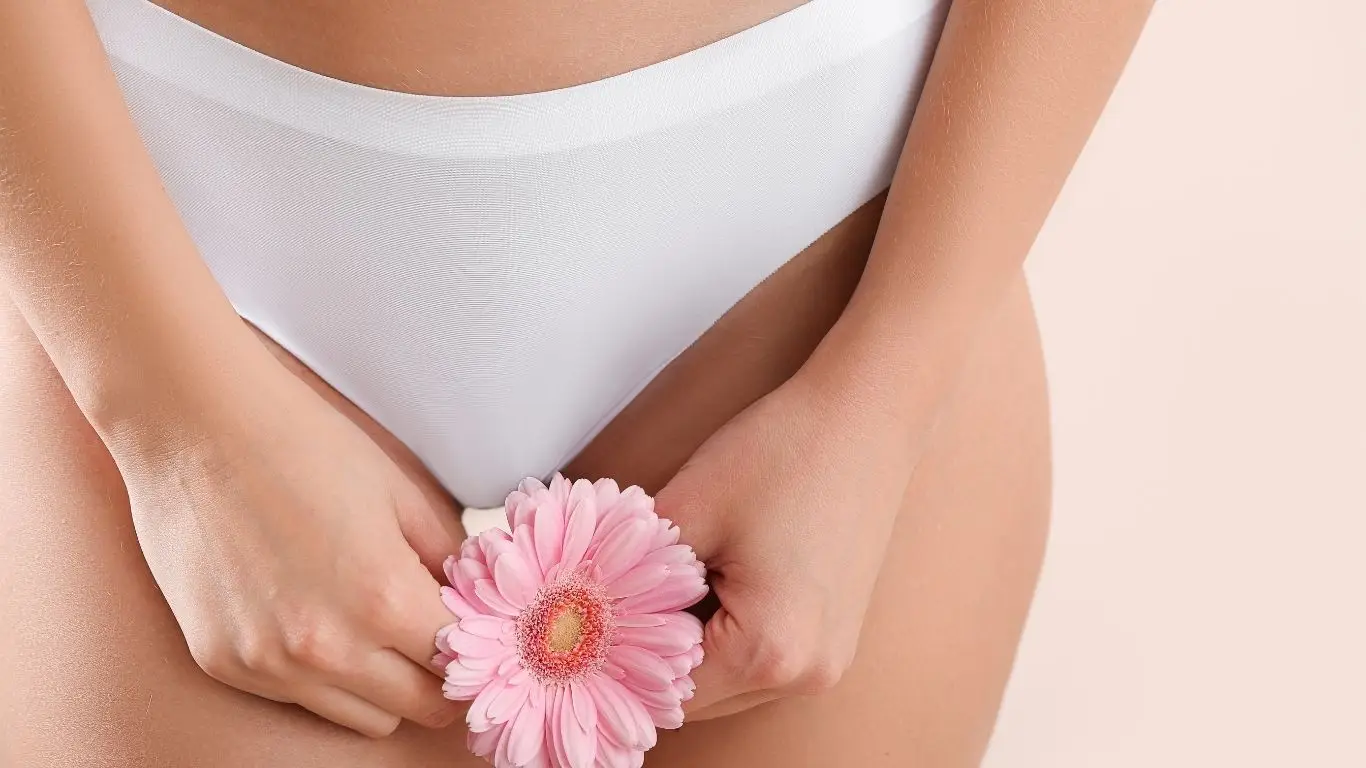
Here’s the problem: many home tests are unreliable, and BV doesn’t always show clear signs. A real diagnosis often involves:
- Swab test to check discharge composition
- pH testing (BV usually raises vaginal pH above 4.5)
- Sniff test (yes, seriously—it’s called the whiff test)
Learn more about home BV tests and what to expect in clinic settings. I personally had better luck asking for a specific pH check than just saying “I feel off.” Specifics help.
How BV Can Be Treated (and How That Impacts Texture)

If BV is the cause of your unusual textures, you’ve got some solid treatment options. These usually help the texture go back to normal too:
- Metronidazole or Clindamycin: These are the go-to antibiotics, either as pills or gels. Learn more about metronidazole.
- Boric acid suppositories: Super useful for those stubborn cases.
- Probiotics: Especially vaginal-specific strains that restore balance.
In my case, metronidazole worked quickly, but the texture took a few days to return to “normal.” Don’t panic if things still feel off post-treatment—it might take time for your body to fully reset.
How to Prevent BV from Affecting Your Vaginal Texture Again
Honestly, this part is all about maintenance. Once you’ve had BV, you become pretty attuned to the little signs—like a slight change in texture before the smell even starts. Here’s what’s worked for me and many others:
- Avoid harsh soaps, douching, or fragrance down there
- Switch to 100% cotton underwear and breathable clothes
- Stay hydrated and focus on gut and vaginal probiotics
- Be picky with lube and condoms—some throw off your balance fast
There’s a whole guide on douching myths and how they can backfire, even when it feels like they’re helping.
For a more complete view of BV causes, check the BV Causes and Risk Factors pillar page and the full overview at our Bacterial Vaginosis main resource.
Why Texture Issues Can Stick Around After BV

So, here’s the part they don’t tell you—sometimes, even after treatment, your vaginal texture doesn’t bounce back overnight. I’ve had moments post-antibiotics where everything *should* be normal, but it still felt off. That’s not just in your head.
After BV, your vaginal lining may need time to heal. If inflammation lingered for days or weeks, that texture you’re noticing might be leftover irritation or residual discharge. Plus, your natural moisture levels and microbiome can take a bit to rebalance.
Common Post-BV Texture Complaints
- “It still feels sticky or coated.” This is usually residual discharge or mucosal recovery. Some people even describe it like there’s a thin film inside.
- “It feels puffier or thickened.” Inflammation and swelling can stick around longer than expected.
- “It’s more dry than before.” Antibiotics can clear out the good bacteria too, which help regulate moisture.
When this happened to me, probiotics made a huge difference—specifically ones made for vaginal health. You’ll want strains like Lactobacillus reuteri and rhamnosus, which you can find in supplements or even yogurts. Speaking of which…
Natural Remedies That Might Help Normalize Texture

If you’re like me and prefer to support your body holistically after treatment (or even alongside it), there are some science-backed options:
- Yogurt (with live cultures) applied externally or eaten regularly to promote microbiome balance.
- Probiotic supplements taken daily to help restore healthy vaginal flora.
- Coconut oil—some use it for soothing dryness, though always do a patch test first.
These aren’t quick fixes, but over a couple of weeks, I genuinely noticed my vaginal texture feeling more like its usual self again. You’ll want to stay consistent though—this isn’t a one-and-done deal.
When to Worry About Vaginal Texture

Look, not every weird sensation means disaster. But if that strange texture sticks around longer than a month—or if it gets worse—you’ll want to loop in your provider. Especially if you experience:
- Burning, itching, or bleeding
- New or worsening odor
- Cracks, ulcers, or pain with sex
There are other conditions that can mimic BV, including lichen sclerosus, STIs, and hormonal atrophy, especially post-menopause. If BV treatment doesn’t clear things up, push for further testing.
Diet, Hormones, and Lifestyle: Texture Factors You Didn’t Expect

BV might be the starting point, but it’s rarely the only thing affecting how your vagina feels. I didn’t realize until much later that diet played a big role in how often I got flare-ups—and how quickly I recovered.
Here’s what made a difference for me:
- Cutting sugar: Too much sugar fed the bad bacteria, especially when I was prone to recurring BV.
- Hydrating like it was my job: Dehydration made everything feel drier, rougher, and more irritated.
- Taking a multivitamin: Especially one with Vitamin D and zinc, which help with skin and tissue health.
If you’re someone who gets BV after your period or from certain sexual activities, those could be affecting the texture too. Learn more about hygiene habits that cause BV and how to break the cycle.
How Long Until Vaginal Texture Returns to Normal?

This is the question I kept Googling over and over. Truth is, there’s no one answer. Some people feel back to normal within days. Others (like me) take a few weeks. A lot depends on:
- How long the BV went untreated
- Whether it’s your first time or recurring
- Your hormonal levels and immune response
- If you’re supporting recovery with probiotics or not
Personally, it took about 10 days after antibiotics before the texture truly normalized. But I’ve also had longer episodes where it took closer to 3 weeks. Don’t rush it—but do monitor progress.
What to Do If Texture Changes Keep Coming Back

If this is your third or fourth time dealing with this weird texture thing, it’s time to play offense. Look into:
- Long-term BV solutions like boric acid maintenance or tailored probiotics
- Testing for underlying imbalances (thyroid, estrogen, etc.)
- Limiting triggers like stress, certain sex products, or tight clothing
Also, I’d highly recommend reading through the guide on safe sex tips for BV prevention. I didn’t even think some of my habits were causing issues until I started logging them.
Resources That Actually Help

If you’re tired of vague answers and generic advice, start here:
- Full BV symptoms and signs pillar – includes texture and more subtle clues
- Main BV overview – complete resource hub
- ncbi.nlm.nih.gov – for scientific studies and deeper dives
- mayoclinic.org – for professional symptom breakdowns
Feeling odd down there isn’t something you have to silently stress over. If the texture feels different, off, or unfamiliar—listen to it. It’s a valid symptom. BV might just be the missing piece of the puzzle.

Dr. Gwenna Aazee is a board-certified Internal Medicine Physician with a special focus on hypertension management, chronic disease prevention, and patient education. With years of experience in both clinical practice and medical writing, she’s passionate about turning evidence-based medicine into accessible, actionable advice. Through her work at Healthusias.com, Dr. Aazee empowers readers to take charge of their health with confidence and clarity. Off the clock, she enjoys deep dives into nutrition research, long walks with her rescue pup, and simplifying medical jargon one article at a time.