Why Floaters Appear After Too Much Sugar And How To Stop Them
There’s this weird thing that started happening to me a few months back. After weekends filled with donuts, soda, and way too many “treat yourself” moments, I’d start noticing tiny specks floating in my vision. At first, I shrugged it off. But as it became more consistent, I had to wonder—could my sugar binges be triggering eye floaters?
What Are Eye Floaters, Really?
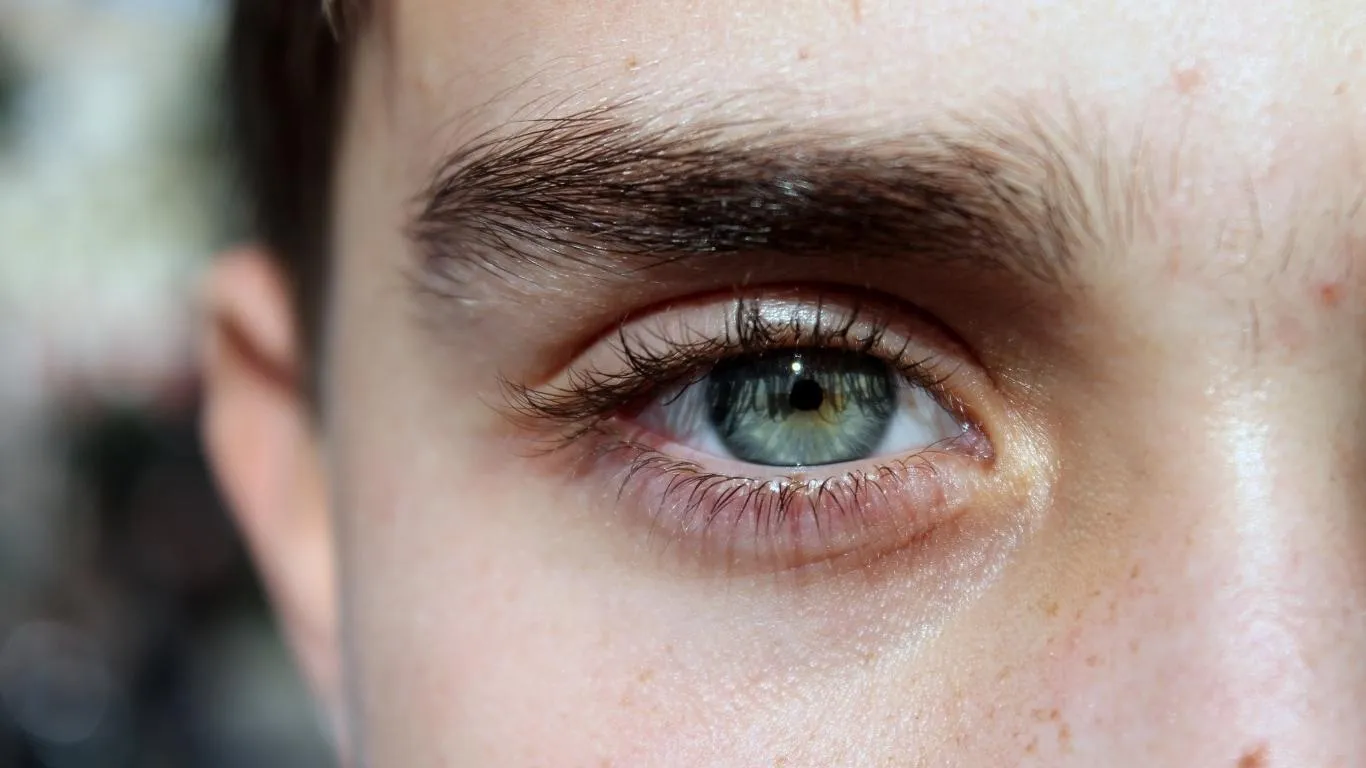
Those tiny spots, squiggles, or cobweb-like strands drifting across your vision? Those are what eye doctors call vitreous floaters. They’re small clumps of gel or cells that float inside the vitreous humor—the clear, jelly-like substance that fills your eyeball. As light passes through your eye, these floaters cast shadows on your retina, making them visible, especially when you stare at a bright sky or white screen.
While they’re usually harmless and super common with aging, people—including myself—are starting to notice them in connection with lifestyle habits like sugar intake. That got me thinking: what’s the real link here?
Does Sugar Really Affect Your Vision?
Short answer? Yes. Excessive sugar, especially in people who are insulin resistant or diabetic, can mess with your eyes more than you think. When blood sugar spikes frequently, it can damage blood vessels—including the ones in your retina—leading to diabetic retinopathy and early floaters. I’m not diabetic (thankfully), but even moderate sugar abuse can cause subtle visual symptoms, especially if your blood glucose swings wildly.
How High Sugar Levels Impact the Vitreous
- Dehydration – Sugar draws water out of cells, and this includes the vitreous gel. When it dehydrates, it starts to shrink and clump, making floaters more visible.
- Oxidative Stress – High sugar increases free radicals, damaging the delicate collagen structure in your eye’s vitreous body.
- Inflammation – Chronic sugar intake is known to trigger low-grade systemic inflammation, which may play a role in disrupting the vitreous consistency.
Real Talk: My Sugar Intake and the Floaters That Followed
I noticed it first after a friend’s birthday—cake, soda, candy, the works. The next morning, floaters were everywhere. It wasn’t just in my head either. I tried to ignore it, but curiosity won. I tracked my sugar for a week. Low sugar = few floaters. High sugar days = party in my eyeballs.
This pattern repeated. Turns out, I wasn’t the only one. Medical forums and studies show that many people experience temporary vitreous disturbances after high sugar intake. It’s not just about diabetes—even non-diabetics can get short-term retinal irritation.
Why Are Some People More Prone to Sugar-Triggered Floaters?

Genetics definitely plays a role here. People with a family history of vitreous degeneration or collagen disorders tend to experience floaters earlier. Add a high-sugar lifestyle, and boom—recipe for visual disturbances. Some conditions that might increase sensitivity include:
- Collagen-related disorders like Stickler syndrome
- Young adults with early vitreous changes
- Poor nutrition habits impacting ocular health
What really surprised me was reading about how dehydration ties into floater visibility, especially after sugary snacks. Turns out, sugar indirectly contributes to floater formation by pulling fluid from the vitreous gel, making it collapse slightly and distort light paths in the eye.
Small Changes That Made a Big Difference for Me
Here’s what I tried—and yes, the difference was real:
- Hydration – Keeping water intake high helped reduce floater density. The gel in your eye loves hydration. Give it some.
- Omega-3s – After some research, I started eating more walnuts, flaxseed, and salmon. There’s growing evidence that anti-inflammatory diets benefit eye health.
- Vitamin C and Lutein – I found out from aao.org and ncbi.nlm.nih.gov that these antioxidants help stabilize collagen in the vitreous, making floaters less likely to form.
Still Seeing Floaters? Know When to Be Concerned
Now, I’m not saying every floater is a sign of doom. But if you’re noticing sudden, persistent floaters after a sugar binge—especially with flashes or vision loss—please take it seriously. It could be more than sugar messing around. Sometimes, those floaters are actually a red flag for something deeper, like retinal tears or posterior vitreous detachment.
If you’re unsure whether your floaters are part of something more serious, I highly recommend reading this eye-opener: When Eye Floaters Are Dangerous. It breaks down what’s normal and what deserves a call to the ophthalmologist.
For a comprehensive breakdown on all the treatment options—natural to surgical—check out the Eye Floater Treatment Guide, and don’t miss the full overview on causes, symptoms, and treatment options from our Main Floaters Page.
Can Sugar Intake Cause Permanent Eye Damage?
Now here’s the part that made me take things more seriously: consistent high sugar intake doesn’t just cause temporary floaters—it may eventually cause lasting damage to the retina and vitreous. Even if you’re not diabetic, constant glucose spikes can weaken capillaries and slowly impair your eye’s ability to manage oxidative stress.
If you’ve been brushing off those floaters after sugar binges, let this sink in. Chronic exposure can slowly lead to deeper underlying issues like retinal detachment, vitreous hemorrhage, and microaneurysms. These aren’t just annoying—they’re vision-threatening.
I even stumbled upon research from ncbi.nlm.nih.gov suggesting that blood-glucose variability is just as damaging (sometimes more) than overall high levels. So, those rollercoaster sugar highs and crashes? Your eyes are not fans.
Signs That Sugar-Related Floaters Need Medical Attention
- Sudden increase in floaters right after consuming sweets
- Floaters that come with eye pressure or pain
- Dark curtain effect or flashes of light
- Persistent floaters with no other symptoms but lasting longer than a week
At that point, it’s not about floaters anymore. It’s about your retina. It’s about your vision.
What Happens Inside Your Eye After Sugar Binge?
I geeked out a little digging into this. After a heavy dose of sugar, your insulin spikes. For some people, that insulin surge kicks off a chain reaction of dehydration and inflammation, both of which can shift the vitreous structure inside the eye. If your eye is already sensitive, floaters appear more easily—especially in bright conditions or when you’re scrolling your phone (been there!).
This also explains why floaters often feel worse after phone use in the dark. The light contrast, paired with strained vitreous fibers, makes them stand out even more.
Worsening Symptoms You Might Overlook
- Floaters worse after long visual focus sessions
- Floaters shifting shapes or forming chains or clusters
- Flickering floaters that appear after sugar-heavy meals
- Floaters triggered by stress or emotional changes
Some days, I’d see tiny specks. Other days, it was like a whole string of pearls crossing my vision. That’s when I realized the shape and pattern of floaters often reflect how disturbed your vitreous has become—something I never thought of before.
Why Some People Get Floaters After Sugar—and Others Don’t
Ever wonder why your friend can chug milkshakes all weekend without a single floater, while you look at a cupcake and your vision goes wonky? Genetics, hydration, and underlying metabolic flexibility all play a role. And so does stress (seriously, stress is a known trigger for floaters).
People with naturally thinner vitreous gel or slightly weaker collagen structures will notice floaters faster. You may also be more prone if:
- You’re nearsighted (myopic)
- You’ve had eye surgery or trauma
- You consume caffeine or sugar on an empty stomach
- There’s a family history of genetic vitreous disorders
Personally, I’m mildly nearsighted and have a family history of retinal issues, so I’m basically the poster child for “floaters waiting to happen.” Add sugar spikes? It’s like throwing a match into dry leaves.
Steps That Helped Me Reduce Sugar-Induced Floaters
I tried a bunch of things—some helped, some didn’t. Here’s what worked:
- Replaced refined sugar with low-glycemic fruits like berries
- Maintained stable blood sugar using protein-rich meals and fiber
- Took collagen and vitamin C supplements consistently for 2 months
- Added simple yoga and eye exercises focused on circulation
These weren’t magic pills, but over a few weeks, I noticed fewer new floaters showing up. The existing ones faded into the background more easily too.
When Floaters Mean It’s Time to Change Habits
Floaters after sugar aren’t just annoying—they’re your body’s way of flashing a warning light. It doesn’t always mean you’re in serious trouble, but it’s a nudge to check your habits before your habits wreck your vision.
If you’re starting to notice this connection, you’re not alone. There’s an entire category of people who’ve shared their experience with sugar-triggered visual symptoms. And more research is beginning to connect lifestyle triggers with increased vitreous disturbance.
For more in-depth strategies, I highly recommend checking out this article on natural ways to manage eye floaters—especially if you’re looking to get back some visual peace without resorting to surgery.

Camellia Wulansari is a dedicated Medical Assistant at a local clinic and a passionate health writer at Healthusias.com. With years of hands-on experience in patient care and a deep interest in preventive medicine, she bridges the gap between clinical knowledge and accessible health information. Camellia specializes in writing about digestive health, chronic conditions like GERD and hypertension, respiratory issues, and autoimmune diseases, aiming to empower readers with practical, easy-to-understand insights. When she’s not assisting patients or writing, you’ll find her enjoying quiet mornings with coffee and a medical journal in hand—or jamming to her favorite metal band, Lamb of God.