Struggling With Migraine on Contraceptive Injection? Here’s Help
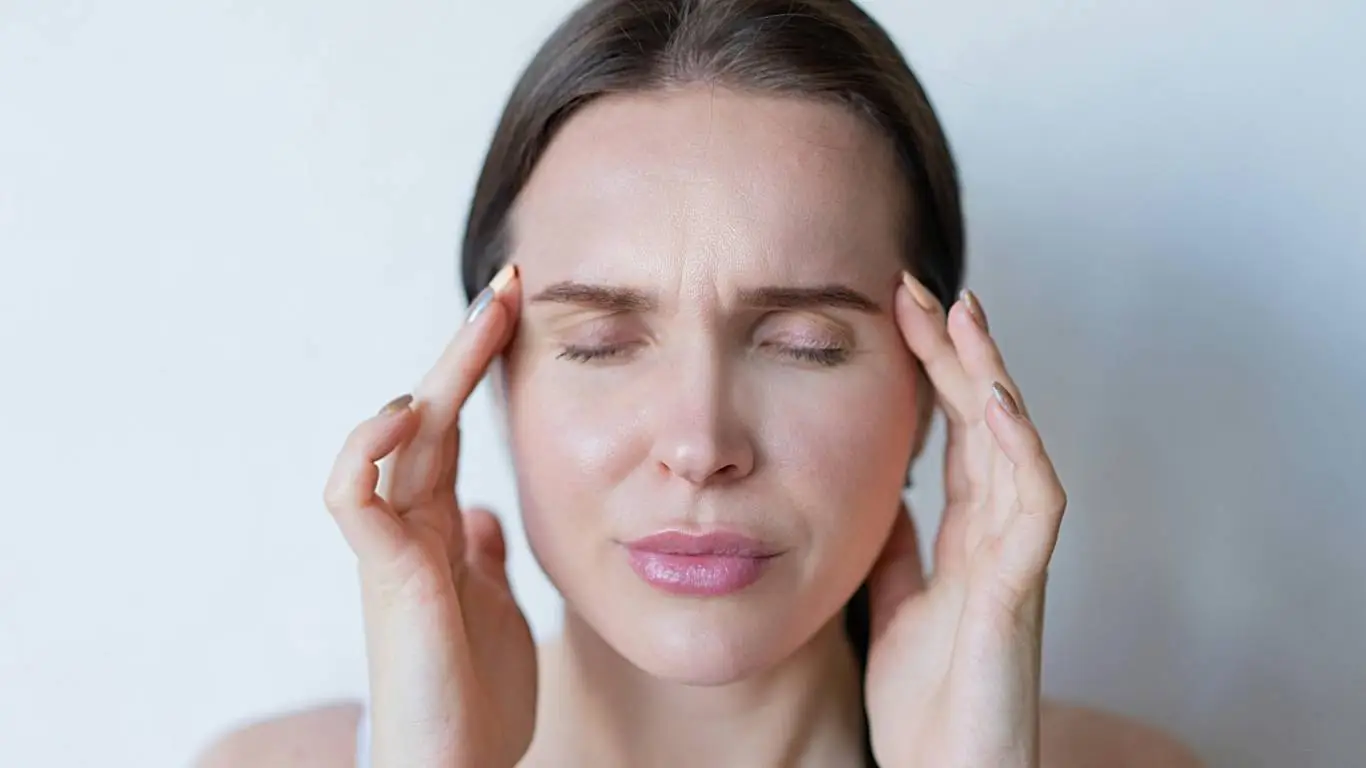
Last year, after switching to the contraceptive injection, I started experiencing a pattern I couldn’t ignore—pounding headaches that seemed to come with no clear cause. At first, I brushed them off as work stress or dehydration, but they were different. They’d hit hard, sometimes right before my next shot was due, and other times just days after getting it. If you’re dealing with migraine on contraceptive injection, you’re not alone—and it’s not all in your head. Let’s talk about what’s really going on here.
Can Birth Control Injections Trigger Migraines?

Many women rely on contraceptive injections like Depo-Provera for their convenience and effectiveness. But the synthetic hormones—primarily progestin—can sometimes wreak havoc, especially for those prone to migraines. Hormonal shifts are one of the most recognized migraine triggers in women. It’s not just the presence of hormones—it’s how suddenly they rise or fall.
For me, it started about a month after the second shot. I’d wake up with this deep, unshakable headache that stretched behind one eye. Not your average tension headache—it was more electric, with light sensitivity and nausea tagging along. After some digging (and a chat with my neurologist), I found I wasn’t alone in this.
Why Hormones Matter So Much
Estrogen plays a big role in stabilizing brain chemicals that affect pain. When you suddenly drop estrogen levels—as happens during the withdrawal phase of hormonal birth control—your brain can go into overdrive, triggering a migraine.
- Progestin-only methods like the injection can cause a constant low estrogen environment.
- This may throw off hormonal balance for women who are sensitive to these shifts.
- Sudden hormone fluctuations can be more intense with injections due to their long-acting nature.
If you’ve ever noticed that your migraines sync up with your menstrual cycle or hormonal contraception, you’re likely part of this hormone-sensitive group. Learn more about the hormonal triggers behind migraines to spot patterns faster.
Spotting the Signs: Are These Migraines or Something Else?
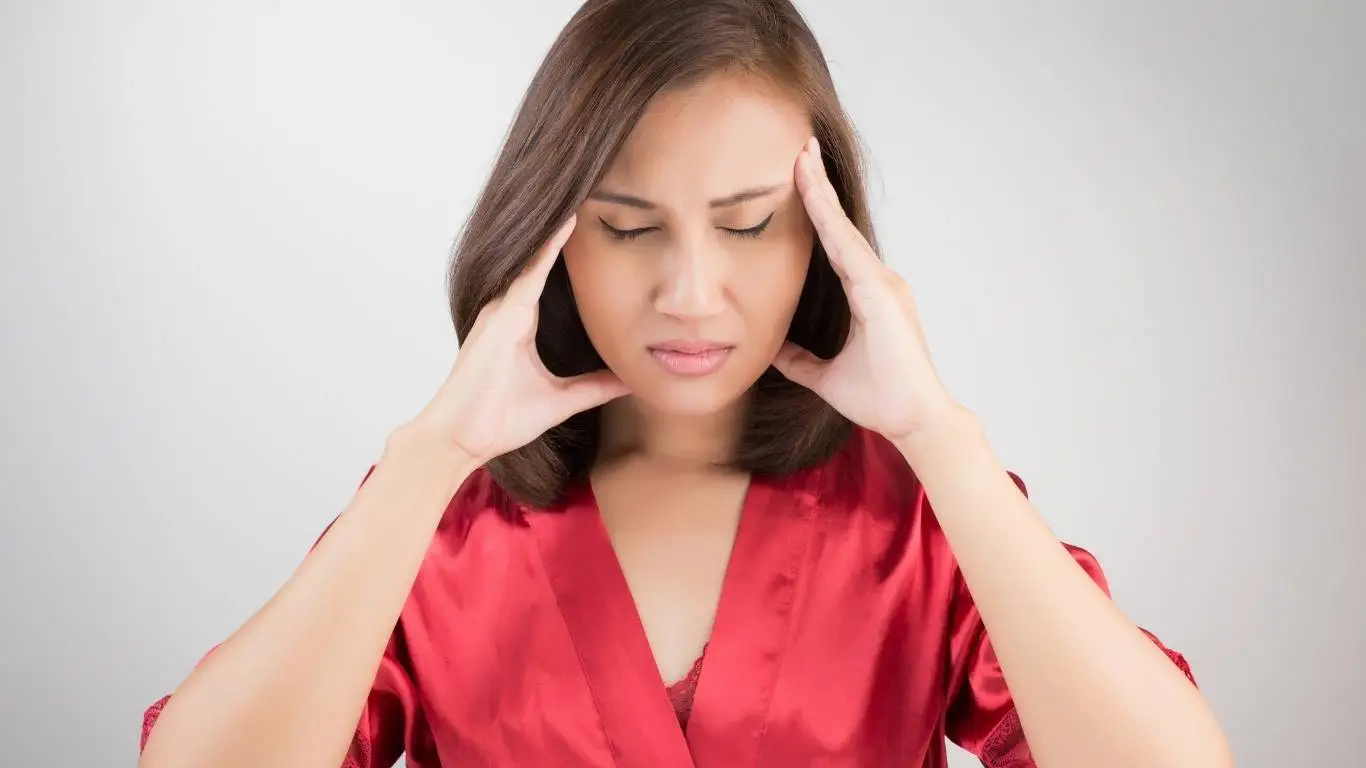
When I finally acknowledged these headaches weren’t random, I started tracking them. Some signs that what you’re dealing with might actually be migraines include:
- Throbbing pain on one side of your head
- Light or sound sensitivity
- Nausea or vomiting
- Visual disturbances (think flashing lights or blind spots)
I’d get this weird shimmer in my peripheral vision about 20 minutes before the pain hit. That shimmer, I later learned, was an aura. Migraines aren’t always obvious—sometimes they hide behind eye pressure, sinus-like discomfort, or even fatigue.
Know When to Dig Deeper
Not all headaches are migraines, and not all migraines are caused by birth control. But if you notice they coincide with your shot schedule, that’s a red flag worth exploring. Use tools like a migraine diary to spot recurring patterns. Document timing, severity, symptoms, and even what you ate that day.
When Should You Talk to a Doctor?

Here’s the thing—I put it off for months. Don’t do what I did. If you’re experiencing more frequent, intense, or new types of migraines since starting the injection, it’s time to talk to your doctor. Some key questions to bring up:
- Could the injection be contributing to my migraines?
- Are there alternative contraceptive options with fewer hormonal shifts?
- Should I see a neurologist?
A solid diagnosis often involves a full migraine history, symptom analysis, and sometimes even imaging. Curious about how the process works? Check out this guide on migraine diagnosis.
Safer Birth Control Alternatives for Migraine Sufferers

For women prone to migraines—especially those with aura—the choice of birth control can’t be taken lightly. Some options are safer and better tolerated:
- Non-hormonal IUDs (like copper-based Paragard)
- Low-dose combination pills (under medical guidance)
- Barrier methods like condoms or diaphragms
In some cases, doctors recommend switching to migraine prevention medications alongside your current contraceptive to manage both concerns. But this needs careful, personalized planning—especially if you experience aura.
What surprised me most was that even seemingly “safe” hormonal methods can tip the balance for some women. One friend had to stop her birth control entirely and rely on natural tracking methods. Another found relief by combining low-estrogen pills with magnesium supplements, which some studies show can stabilize neurological function.
Managing Life with Hormonal Migraines

Once you identify the connection, it becomes easier to manage. In my case, hydration, sleep, and avoiding processed food helped a bit. I also started using non-invasive wearable devices for relief, and surprisingly, yoga routines helped ease the build-up tension that often preceded an episode.
Creating a personal action plan with the help of a health professional made a world of difference. If you’re still piecing things together, the migraine treatment guide can offer strategies worth exploring.
For an in-depth view of how migraines affect people of different backgrounds—including hormonal factors—check out the main migraine guide here. And for a deeper understanding of why hormones, triggers, and lifestyle factors matter, I recommend visiting the pillar article on hormonal migraine triggers.
Can You Prevent Migraine on the Contraceptive Injection?

If I had known what I know now, I would’ve been far more proactive about prevention. The key with managing migraine on contraceptive injection is to anticipate hormonal changes and have a plan in place. While you can’t stop the hormones from doing their thing, you *can* build resilience against their effects.
Track, Anticipate, and Act
Start by tracking your symptoms in relation to your shot schedule. You may notice a pattern in the timing—mine always hit hardest in the second month after my injection. That’s when hormone levels begin to dip. Knowing that gave me a chance to prepare with things like:
- Hydration boosts in the days leading up to it
- Extra magnesium intake (check with your doctor first)
- Reducing exposure to known migraine triggers—in my case, red wine and bad sleep
If you haven’t already, look into this deeper resource on preventing migraines. It offers actionable steps and strategies beyond the basics.
Supplements and Natural Aids That Actually Help

I was skeptical about supplements at first—I’m not a fan of “wellness trends” that promise the world. But magnesium, riboflavin (B2), and CoQ10 made a noticeable difference. I’d get fewer migraines, and the ones that did hit were shorter and more manageable.
Here’s what helped me the most:
- Magnesium glycinate — known to support nervous system stability
- Vitamin B2 (riboflavin) — helps reduce migraine frequency
- Coenzyme Q10 — improves cellular energy in brain tissue
Backed by promising clinical data from ncbi.nlm.nih.gov and recommended by many neurologists, these are worth a look. Check out CoQ10 for migraine and Vitamin B2/B6 resources for more science-backed info.
When Hormonal Shifts Aren’t the Only Problem

As it turns out, it wasn’t just the hormones messing me up. Sleep issues, screen time, and even posture (thanks to my WFH setup) were sneaky co-triggers. Migraines are rarely caused by one thing. It’s usually a web of internal and external factors that, together, push your brain over the edge.
Stacking Triggers Can Be the Real Culprit
For example, if your estrogen drops and you’re dehydrated, overstimulated, and low on sleep—that combo can be explosive. That’s why it’s essential to keep other triggers in check. Read more about the common migraine triggers that might be flying under your radar.
Expert-Approved Lifestyle Adjustments

I had to overhaul a few routines, and it wasn’t easy. But over time, these shifts gave me back control:
- Daily movement: Gentle yoga and light walking reduced overall tension
- Consistent sleep: Same bedtime and wake-up every day (even weekends)
- Mindfulness: 10-minute daily meditation helped lower my stress baseline
For a structured guide on this, the migraine treatment guide includes helpful routines and behavioral adjustments backed by neurologists and therapists.
When to Ditch the Shot—And What to Try Instead

Eventually, I had to face the music. While the contraceptive injection was convenient, the migraines weren’t worth it for me. If you’re in the same boat, talk to your provider about alternative birth control methods that are less migraine-inducing. Some women thrive on lower-dose pills, and others go completely non-hormonal.
Options to explore:
- Copper IUD — hormone-free and long-lasting
- Mini-pill — progestin-only but shorter acting, giving more flexibility
- Natural tracking — when combined with a migraine-safe lifestyle
Use this comparison tool on mayoclinic.org to weigh birth control choices based on migraine history. If you’re leaning toward ditching hormonal options entirely, consider consulting a nutritionist familiar with hormonal migraines.
Support Systems Make All the Difference

One of the biggest changes for me wasn’t medical—it was emotional. Finding other women who were navigating migraines and hormonal birth control gave me clarity, tools, and honestly, some much-needed laughs. Whether it’s a subreddit, a Facebook group, or even a friend with similar experiences, community helps.
For more strategies and real-life stories, the migraine in different populations article covers how factors like age, gender, and life stages (like pregnancy or menopause) influence symptoms and treatment responses. It helped me feel less alone in my journey—and better equipped to handle it.
If you’re new to all this or want a solid foundation to understand migraine basics and beyond, the full migraine guide is a solid place to start. And if you’re navigating hormonal triggers, don’t miss the in-depth guide on hormonal migraine triggers.

Bianca Nala is a compassionate Nurse Practitioner with a strong background in primary and respiratory care. As a health writer for Healthusias.com, she combines her clinical expertise with a talent for clear, relatable storytelling to help readers better understand their health. Bianca focuses on topics like asthma, COPD, chronic cough, and overall lung health, aiming to simplify complex medical topics without losing accuracy. Whether she’s treating patients or writing articles, Bianca is driven by a single goal: making quality healthcare knowledge accessible to everyone.