Can Hair Dye Trigger Migraine or Make Symptoms Worse?
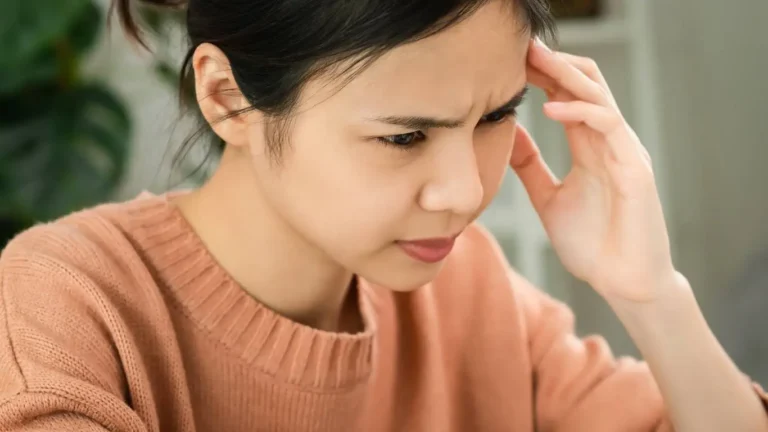
It was right after a routine touch-up with my favorite ash brown shade that I felt it—the familiar pounding behind my right eye. I shrugged it off at first, thinking maybe it was the salon lights or skipping lunch. But by evening, I was curled up in bed, lights off, ice pack on my forehead, migraine in full force. The real question hit me later: can hair dye trigger migraine? If you’ve ever left the salon and found yourself reaching for migraine meds, you’re not alone. Turns out, there’s more to that chemical cocktail than just color.
What’s in Hair Dye That Might Spark a Migraine?

Most conventional hair dyes, especially permanent ones, contain strong chemicals like ammonia, peroxide, and p-phenylenediamine (PPD). These ingredients serve a purpose—breaking through the hair shaft to deposit or strip color—but they also release pungent fumes and potentially cause irritation.
Scent Sensitivity (Osmophobia)
Many migraine sufferers (myself included) deal with osmophobia, or scent-triggered headaches. That sharp, chemical smell of dye? It can be a direct assault on sensitive brains. Studies have shown that people with migraines are neurologically more sensitive to environmental stimuli, including strong odors.
Scalp Absorption & Skin Reactions
The scalp is highly vascular, and some believe that prolonged exposure to certain hair dye ingredients might contribute to systemic reactions. While it’s not fully proven, scalp irritation from allergic responses can lead to inflammation, potentially kicking off a migraine chain.
Ammonia and VOCs (Volatile Organic Compounds)
Ammonia releases VOCs, which, when inhaled, can affect the central nervous system. Breathing them in during an hour-long salon session? Not ideal for migraine-prone individuals. VOCs are also linked to environmental health risks, including headaches and neurological symptoms.
My Migraine Diary Helped Me Spot the Pattern

I started tracking my migraine episodes using this Migraine Diary Guide and noticed a consistent uptick after hair appointments. It wasn’t every time, but often enough to raise red flags. It helped me realize that timing, scent, and even brand choice might all be variables.
- Brand A (high ammonia) = pounding headache by evening
- Brand B (ammonia-free) = mild dizziness, no migraine
- Salon ventilation also made a huge difference
That personalized tracking helped me make better decisions. And the evidence wasn’t just anecdotal—multiple people in migraine communities echoed similar patterns when I asked around.
Safer Alternatives for Color Enthusiasts

Go Ammonia-Free
Plenty of modern brands offer ammonia-free options that use gentler ingredients. While not entirely odorless, they tend to be much milder and less triggering.
Use Henna or Natural Dyes
If you’re okay with earthy tones, herbal-based hair color like henna can be a great alternative. They’re usually free from synthetic chemicals and safer for sensitive systems.
Dye in Well-Ventilated Areas
It makes a world of difference. Open windows, use fans, and avoid small enclosed bathrooms when coloring your hair. If you’re at a salon, ask how they manage air circulation. Your nose (and brain) will thank you.
Patch Tests Aren’t Just for Skin
Before committing to a new dye, do a scent patch test. Open the box and smell the product. Wait and observe—if it triggers nausea or dizziness, it might be best to steer clear.
Hormones, Stress, and Dye Day Timing
Let’s not ignore internal triggers. I’ve learned to avoid hair dye during my hormonal window when migraines are more likely. Pairing external and internal triggers? Recipe for disaster.
- Avoid dyeing hair during your menstrual window if you’re hormonally sensitive
- Don’t dye hair on an empty stomach—low blood sugar + fumes = double trouble
- Hydrate well before your appointment
Even stress from planning the appointment or running late to the salon can add fuel to the fire. I now plan a chill day around my coloring appointment. No errands, no meetings—just self-care and maybe some Netflix while it sets.
When to Suspect a Reaction is Migraine-Related
Not all post-dye symptoms are migraines. But if you experience:
- Throbbing head pain on one side
- Nausea and light sensitivity
- Scalp tightness followed by visual disturbances
…then yeah, it might be migraine territory. I learned this distinction after reading more in the symptom guide and speaking with my neurologist.
Sometimes it’s not even the dye—it could be tension headaches from sitting too stiffly at the salon sink. Either way, it’s worth paying attention to your body’s early warning signs.
Want to understand migraines deeper before you even start tracking your hair care triggers? Explore common migraine triggers you might be missing.
For a complete dive into migraine types, symptoms, and holistic strategies, head over to our main migraine resource hub. And for a focused guide on understanding migraines from the ground up, don’t miss this foundational pillar post.
What Dermatologists and Neurologists Say

I brought it up with both my dermatologist and neurologist, and surprisingly, they weren’t shocked. The dermatologist explained how certain hair dye ingredients can cause contact dermatitis or inflammatory responses, especially around the scalp and forehead—areas close to the trigeminal nerve, a major migraine player. Meanwhile, my neurologist emphasized that it’s not just about the chemical—it’s also about the environment, timing, and sleep quality leading up to the trigger event.
One thing they both agreed on? If something consistently correlates with your migraine episodes, it’s worth modifying—even if that means switching up your hair dye or routine. And no, you’re not overreacting by considering that your shampoo session might be messing with your head (literally).
Talking to Your Healthcare Provider
Don’t wait until you’re doubled over in pain post-coloring to bring this up with your doctor. Mention it as part of your symptom history. Bring your migraine diary, note when symptoms occurred, and include details like:
- The brand and type of dye used
- Salon vs. at-home application
- Other environmental factors (lighting, ventilation, noise)
This helps rule out other triggers and validate your concern. For example, if your doctor suspects a migraine with aura pattern related to chemical exposure, it might impact how your treatment is managed.
Can You Dye Hair During a Migraine?
This one’s tricky. I tried once, thinking the pain would fade mid-appointment. Big mistake. The smells, the heat, the pressure on my scalp—it made everything worse. If you’re actively experiencing symptoms, reschedule. Your body is already dealing with inflammation, and the added chemical exposure can prolong or intensify an episode.
It’s also not the time to experiment with a new formula or bleach job. Trust me—you don’t want to second-guess whether the dye or the migraine meds made you feel dizzy. Stick to what your body knows when you’re vulnerable.
Community Experiences Are Eye-Opening

Scrolling through a few migraine forums and even asking around on Instagram, I noticed a common thread: tons of people shared similar experiences with hair dye migraines. For some, it was only triggered by box dyes; for others, even organic brands set things off.
One person said switching to a naturopath-approved dye helped. Another only books appointments at 9 AM when she’s well-rested and hydrated. The point? There’s no one-size-fits-all rule, but there’s a pattern worth listening to.
Some even mentioned using earplugs and blue light glasses during appointments to reduce overall sensory load. It might feel odd at first, but if it helps keep a migraine at bay, it’s worth it.
Products That Might Help Post-Dye

If you suspect dye days are a migraine magnet, these remedies helped me bounce back more quickly when symptoms hit:
- Cold compress on neck and forehead immediately post-salon
- Lavender essential oil on temples and behind ears
- Hydration booster with electrolytes
- Light meal (protein + carbs) before and after dye session
- 20 minutes of rest in a dark room
I also started using a nerve stimulation device after my stylist recommended it (surprisingly, she’s migraine-prone too!). It hasn’t eliminated my episodes, but it shortens the attack window by hours. That’s huge when you’re balancing a work schedule and just want to enjoy your new hair without paying for it in pain.
Planning Ahead Can Make All the Difference

I now plan my dye days like I plan travel. I avoid scheduling anything important afterward, I make sure I’ve eaten, and I bring water and peppermint oil in my bag just in case. My go-to checklist:
- Pick an early morning appointment
- Book a stylist who understands migraine triggers
- Stick with a dye brand your body has tolerated before
- Take a break if symptoms begin—don’t tough it out
- Recover gently after—don’t immediately jump into errands or screen time
We all love feeling good in our hair, but it’s not worth sacrificing your health. A gorgeous color shouldn’t come at the price of a three-day migraine spiral. Finding that sweet spot—between expression and prevention—is totally possible with a little planning and some personal trial and error.
Curious about other personal care triggers that could be sabotaging your migraine control? Learn more about less obvious migraine triggers that often fly under the radar.
And if you’re exploring more holistic ways to manage migraines while still living your best life, don’t miss our guide to natural remedies that complement traditional care.
For broader migraine knowledge, from symptoms to prevention strategies, check out the full main migraine resource. It’s a lifesaver for anyone who’s tired of guesswork and ready for real strategies.

Bianca Nala is a compassionate Nurse Practitioner with a strong background in primary and respiratory care. As a health writer for Healthusias.com, she combines her clinical expertise with a talent for clear, relatable storytelling to help readers better understand their health. Bianca focuses on topics like asthma, COPD, chronic cough, and overall lung health, aiming to simplify complex medical topics without losing accuracy. Whether she’s treating patients or writing articles, Bianca is driven by a single goal: making quality healthcare knowledge accessible to everyone.