How To Prevent BV Before Period Starts And Avoid Recurring Symptoms
Let’s be real—if you’ve ever experienced that weird shift “down there” right before your period, you’re definitely not alone. I used to chalk it up to hormonal chaos or just another PMS surprise. But after doing way too many Google searches at 2 a.m. (and eventually, talking to my gynecologist), I found out it could be something more specific: Bacterial Vaginosis, or BV. What surprised me most? It can actually be prevented—especially if you get proactive *before* your period even starts. So, let’s break down how to prevent BV before your cycle kicks in, without sounding like a textbook or a sterile pamphlet.
Why BV Loves Your Pre-Period Window

Here’s the thing: right before your period, your estrogen levels dip. That hormonal drop throws your vaginal pH off-balance, making it a playground for the overgrowth of bad bacteria that leads to BV. Add in sweat, stress, maybe a little slip in hygiene, and boom—BV finds its moment to shine.
It’s not just hormones either. I noticed that whenever I used certain body washes or forgot to change out of sweaty yoga pants quickly enough, it almost always lined up with those days before my period. Turns out, those little habits matter more than we think.
Smart Hygiene Swaps That Make a Difference

Use the Right Cleanser (Or None at All)
Avoid harsh soaps and scented body washes. These might smell amazing, but they can strip your natural bacteria and upset your pH. Stick to unscented, gentle cleansers or just warm water. Yes—*just water* works too.
Change Undies More Often Than You Think
This one sounds silly, but trust me: fresh cotton underwear during the week before your period can be a game-changer. I keep a stash in my gym bag and car now. Cotton is breathable and doesn’t trap moisture like synthetic fabrics.
Wipe Smart
Front to back—always. And if you’ve been sweating or active, give yourself a quick refresh with unscented wipes or a warm water rinse.
More hygiene myths? You can check why douching isn’t your friend here. Spoiler: It often makes things worse.
Focus on Your Pre-Period Diet

Feed the Good Bacteria
Right before your period, load up on probiotic-rich foods like yogurt, kefir, kimchi, and even sauerkraut. These help maintain a healthy balance of bacteria in your gut and vagina.
I started adding Greek yogurt to my breakfast and noticed fewer flare-ups before my cycle. It’s a small change that makes a big impact.
Cut the Sugar and Alcohol
This was the hardest for me, but high sugar and alcohol levels can disrupt your microbiome. They feed the bad bacteria—literally. Try to limit processed sugars and cocktails during your PMS week (I know, it’s the week you want chocolate and wine the most… cruel irony).
Want a deeper dive? Check out this guide on sugar and BV—it changed how I think about my snacks completely.
Rethink What You’re Wearing

Loose and Breathable is the Way to Go
Before your period, skip the tight jeans and synthetic leggings. Instead, wear clothes that allow airflow and keep moisture to a minimum. Trust me, your future self will thank you.
Sleep Naked (Or in Loose Shorts)
I started doing this after reading about it in a forum—and wow. It really helps reduce moisture overnight, especially during hot weather or if you tend to sweat more around your period.
Track Patterns and Get Ahead of BV
If you’ve had BV more than once, you probably already know the warning signs: unusual discharge, a fishy smell, and just feeling off. Start tracking when these symptoms show up in relation to your cycle. For me, it was always 3-5 days before my period started.
This helped me time my prevention tactics better. I’d start probiotics, switch up my hygiene routine, and watch my sugar intake during those crucial days. It worked better than any reactive approach.
If you’re unsure whether your symptoms are BV or something else, here’s a helpful breakdown on self-diagnosing BV.
Don’t Ignore Mental & Physical Stress

This one caught me off guard, honestly. High stress levels before your period can increase cortisol, which messes with your immune system—and yep, that also plays a role in your vaginal health. Ever wonder why your BV comes back during stressful months? Now you know.
Simple de-stress tactics like evening walks, breathwork, or even 10 minutes of meditation go a long way. Here’s something that blew my mind: Stress can literally cause BV.
Stay Informed and Proactive

Getting ahead of BV before your period means paying attention—not just to your cycle, but to your habits. You don’t have to obsess or overhaul your life, just make smarter choices during that pre-period window.
If you want a more complete guide on BV prevention tips, this article dives deeper into everyday habits that help.
And for a full understanding of BV from the ground up, including causes, treatments, and prevention, here’s the main resource on bacterial vaginosis.
Routines That Strengthen Your Defense

I learned this the hard way—waiting until symptoms showed up was always too late. What made a huge difference was creating a simple daily routine, especially the week leading up to my period. Nothing dramatic, just consistent habits that supported vaginal health without feeling like a full-time job.
Morning and Night Consistency
I keep it simple: warm water rinse during my morning shower (no soap inside!), breathable underwear, and I skip panty liners unless absolutely necessary. At night, I either go commando or wear loose cotton shorts. My OB-GYN actually confirmed that airflow at night matters more than most of us realize.
Probiotic Supplements
While yogurt helped, I added an oral probiotic that’s specifically formulated for vaginal health. One with Lactobacillus rhamnosus and reuteri. Game changer. No more playing catch-up when things start to feel “off.”
Want to explore this more? Here’s a helpful guide on probiotics for BV.
Partner Awareness & Prevention

This one’s personal. I used to think BV was just my issue, but it kept recurring—especially around intimacy before my period. Talking with my partner about hygiene, protection, and not jumping straight into action post-workout helped us both.
- Use protection, especially before periods when your pH is vulnerable
- Skip sex immediately after sweaty activities unless both of you shower
- Communicate when things feel off (awkward, but necessary!)
If you’ve wondered whether you need to treat your partner too, this article breaks it down without judgment: Do I need to treat my partner for BV?
Period Product Choices Matter—A Lot

Not all period products are created equal. I used to grab whatever was on sale, but after reading up and experimenting, I made a few changes:
- Switched to organic cotton tampons and pads
- Stopped using scented liners—huge difference
- Started alternating between pads and tampons instead of using just one the entire cycle
It also helps to change your tampon or pad every few hours—even if you don’t think you “need” to yet. Old moisture = bad bacteria’s best friend.
Recognizing Early Signs Before Full-Blown BV

Once you start recognizing your body’s “pre-BV” clues, you can respond before it escalates. For me, it’s a subtle change in discharge texture or a faint, metallic smell. Not fishy yet, but definitely not normal.
If you’re not sure what to look for, this breakdown of discharge types is super helpful and very visual (in a good way).
Be Proactive, Not Reactive
I used to wait until things got uncomfortable. Now, when I notice a tiny sign, I increase my water intake, double down on probiotics, and clean up my diet for a few days. It usually keeps things from spiraling.
Handling Recurrence Like a Pro

Let’s be real: even with all the prevention in the world, BV might still pop up. If you’ve had it come back multiple times (yep, same), it’s probably time to look at long-term solutions. I stopped blaming myself and started focusing on patterns.
This resource on long-term BV solutions helped me build a better prevention plan with my doctor’s help.
Key Steps That Helped Me Most:
- Tracking every flare-up in a cycle tracker app
- Trying boric acid suppositories (post-period only!) with OB-GYN approval
- Limiting antibiotics unless absolutely necessary
Consider a Professional Diagnosis Early

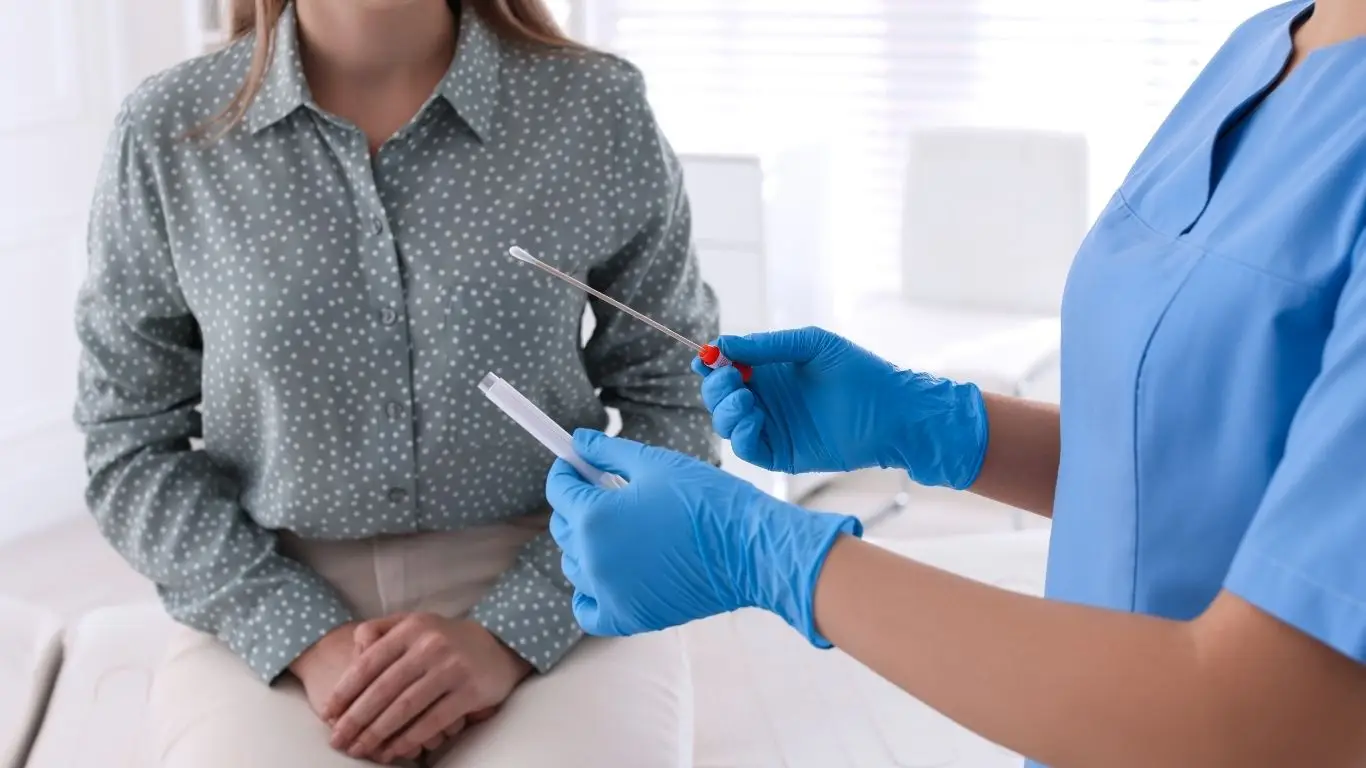
If you’re doing everything right and still getting BV, don’t hesitate to get a swab test. It’s quick, and it’s way better than guessing. I once thought I had BV, and it turned out to be a yeast infection—and vice versa. Totally different treatments.
This guide can help you learn how accurate home tests are for BV if you’re not ready to see a doctor just yet.
And to understand what really separates BV from other common infections, this is a solid comparison: BV vs. yeast infections—how to tell.
Take Control with Knowledge

The more I learned about my cycle, habits, and triggers, the more control I felt. Prevention isn’t about perfection—it’s about knowing your body and making small, smart changes that add up.
Whether it’s switching to unscented products, adding probiotics, or just not waiting until things feel “off,” you’ve got more power than you think. And trust me, your future self will be so glad you got ahead of it.
If you’re ready to explore natural ways to keep BV in check, here’s a helpful guide on natural BV remedies.
And don’t miss the full breakdown on bacterial vaginosis to understand every piece of the puzzle from diagnosis to recovery.

Dr. Gwenna Aazee is a board-certified Internal Medicine Physician with a special focus on hypertension management, chronic disease prevention, and patient education. With years of experience in both clinical practice and medical writing, she’s passionate about turning evidence-based medicine into accessible, actionable advice. Through her work at Healthusias.com, Dr. Aazee empowers readers to take charge of their health with confidence and clarity. Off the clock, she enjoys deep dives into nutrition research, long walks with her rescue pup, and simplifying medical jargon one article at a time.