How To Stay Grounded During Anxiety Spikes Without Feeling Overwhelmed
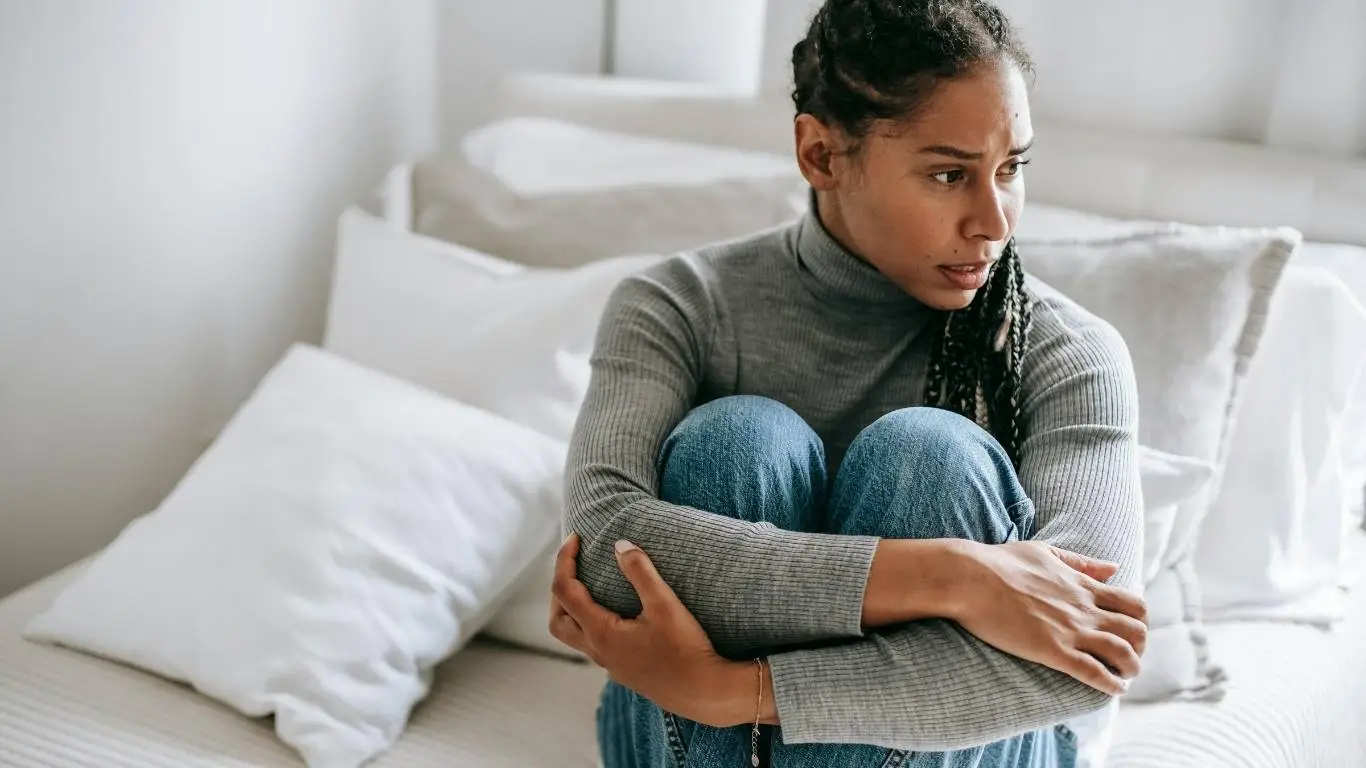
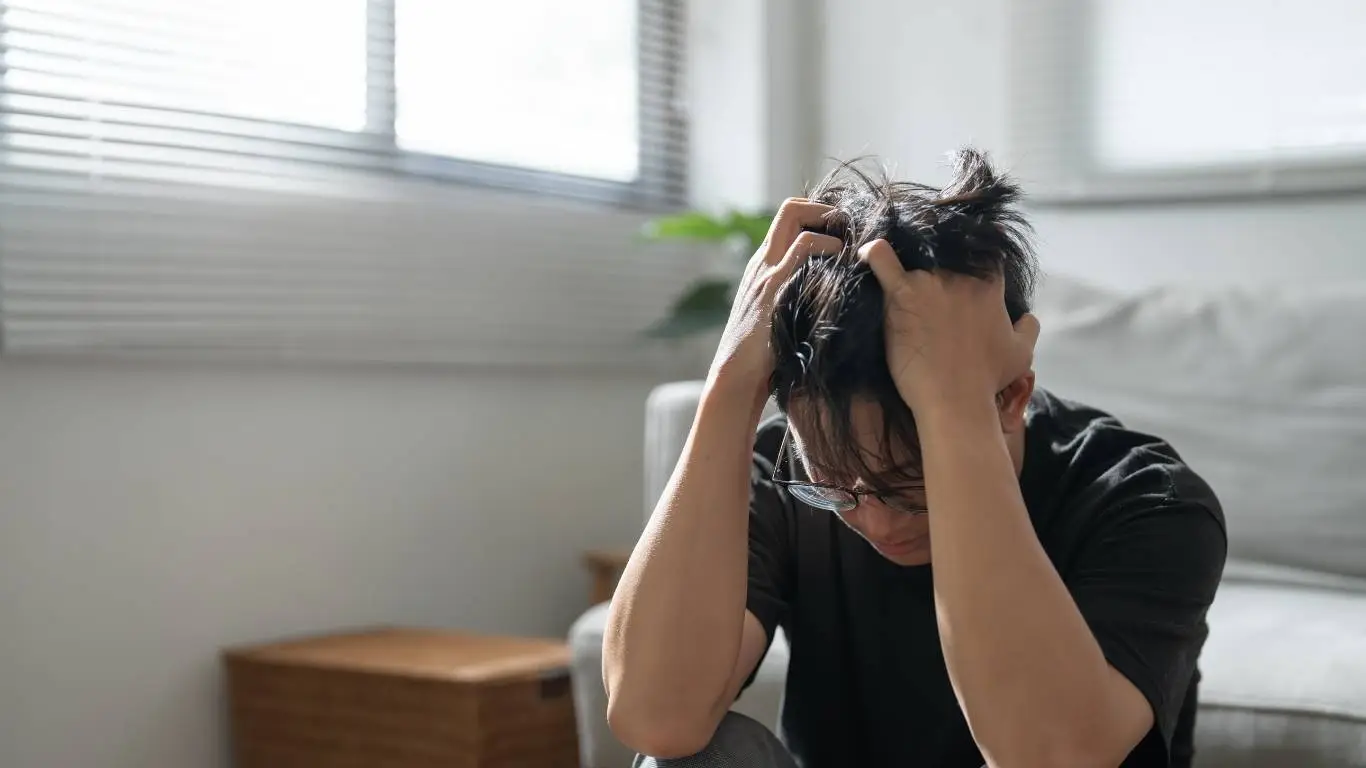
Anxiety spikes can hit out of nowhere—at work, in the middle of dinner, or even while scrolling social media. I know because I’ve been there. That tight chest, racing heart, and spiraling thoughts? It’s not just “in your head.” Staying grounded during these moments isn’t about pretending everything’s fine—it’s about finding real strategies that bring your mind and body back to the present. Let’s break it down into practical, doable ways that don’t feel like therapy homework.
What Does It Mean to “Stay Grounded” When Anxiety Hits?

“Staying grounded” means keeping your mind connected to the here and now when anxiety tries to pull you into panic. For me, it started with realizing that my body was reacting as if I were in real danger—even if I was just stuck in traffic. Grounding techniques help reset that reaction.
Why It Matters More Than You Think
Unchecked anxiety can make your brain feel like it’s running a marathon in a minefield. If left unmanaged, it doesn’t just affect your mental health—it can sabotage your relationships, sleep, focus, and physical well-being. Anxiety at work is a huge one for me—it used to feel like every meeting was a battlefield.
Simple Grounding Techniques That Actually Work
1. 5-4-3-2-1 Method (Sensory Anchoring)
This is one of the most well-known techniques—and for good reason. When I feel a spike coming on, this is my go-to:
- 5 things you can see
- 4 things you can touch
- 3 things you can hear
- 2 things you can smell
- 1 thing you can taste
It’s simple, but it pulls you back into the moment faster than you’d expect. Pair this with something like breathwork techniques, and your nervous system gets the message that you’re safe.
2. Cold Therapy (Yes, Really)
One trick that changed the game for me? Ice packs or cold water. Splashing my face with cold water during an anxiety spike gave me instant reset. It’s backed by science too—activating the dive reflex slows the heart rate and calms the body. Keep a gel pack in your freezer or try the ice cube trick next time the anxiety hits hard.
3. Anchoring Objects
I always carry a smooth stone in my bag. Rubbing it between my fingers gives me a physical focus point. Some folks use worry beads, bracelets, or even keychains. It’s not woo-woo—it’s sensory grounding, and it works. These tools give your hands something to do while your brain recalibrates.
What You Eat and Drink Can Make or Break Your Calm
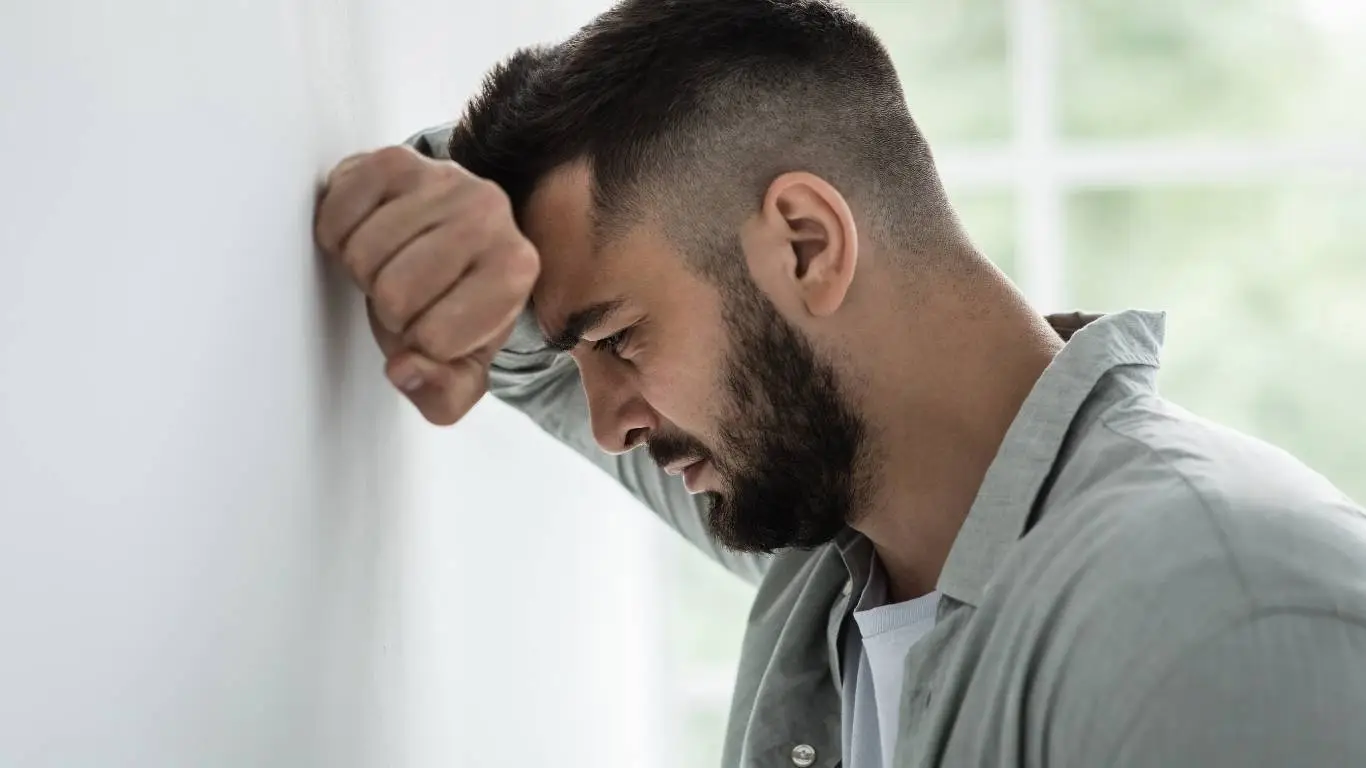
We talk a lot about coping tools, but let’s not skip over your diet. If I down three cups of coffee and forget lunch, I’m basically inviting anxiety in for a dance. Turns out, there’s strong evidence linking high caffeine intake to anxiety episodes (ncbi.nlm.nih.gov).
- Cut back on caffeine — It’s harsh but worth it.
- Stay hydrated — Even mild dehydration can mimic anxiety symptoms.
- Magnesium-rich foods — These are surprisingly calming.
Need more on nutrition? This deeper guide on anxiety-friendly eating habits helped me rethink my entire grocery list.
Self-Talk Isn’t Just Fluff — It Rewires the Brain
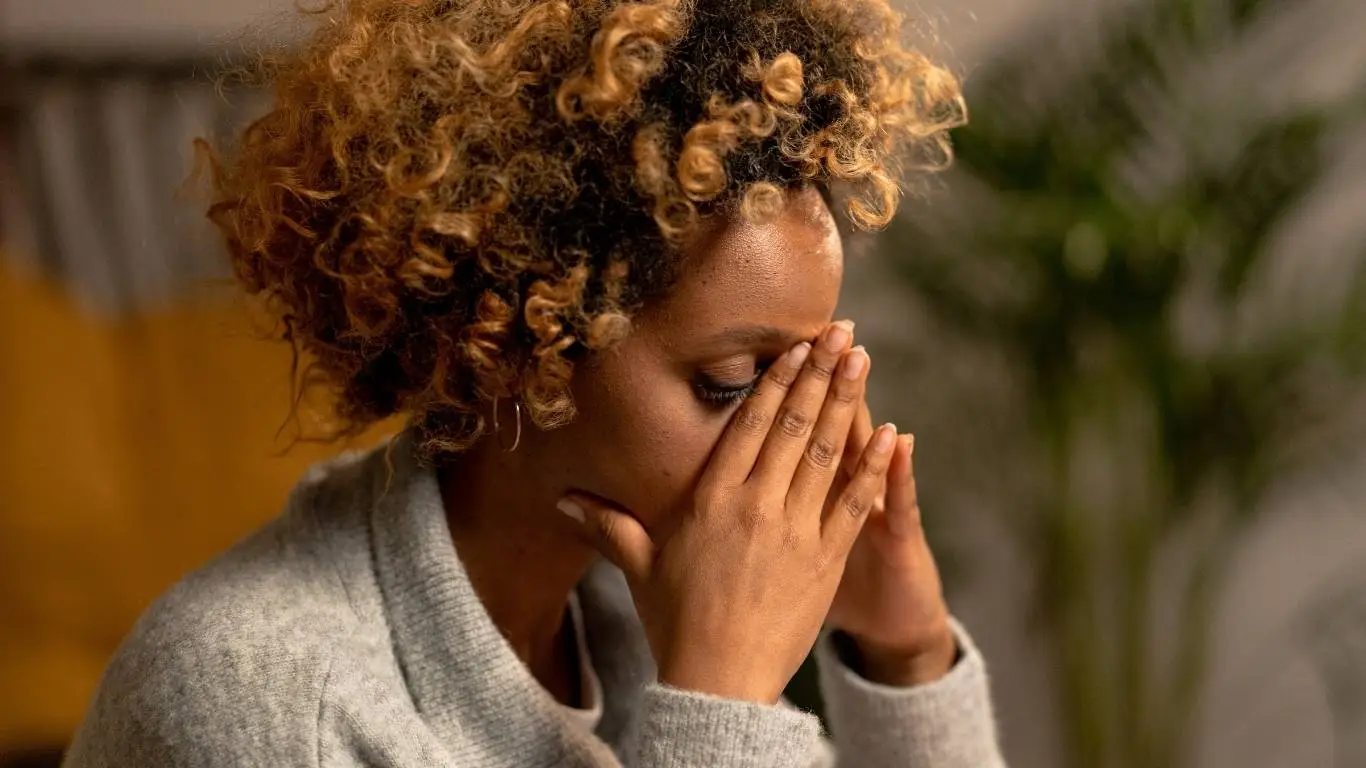
“I’m not dying. This is just anxiety.” That phrase has saved me more times than I can count. The words you use with yourself shape your body’s response. I started keeping a list of realistic, kind things to say when panic hits:
- This feeling will pass—it always does.
- I’m safe, even if it doesn’t feel like it right now.
- I can ride this wave without fighting it.
It’s not about lying to yourself. It’s about choosing language that grounds rather than escalates. For more techniques like this, I found the strategies from CBT for anxiety genuinely helpful.
Don’t Wait Until You’re in Crisis to Ground Yourself
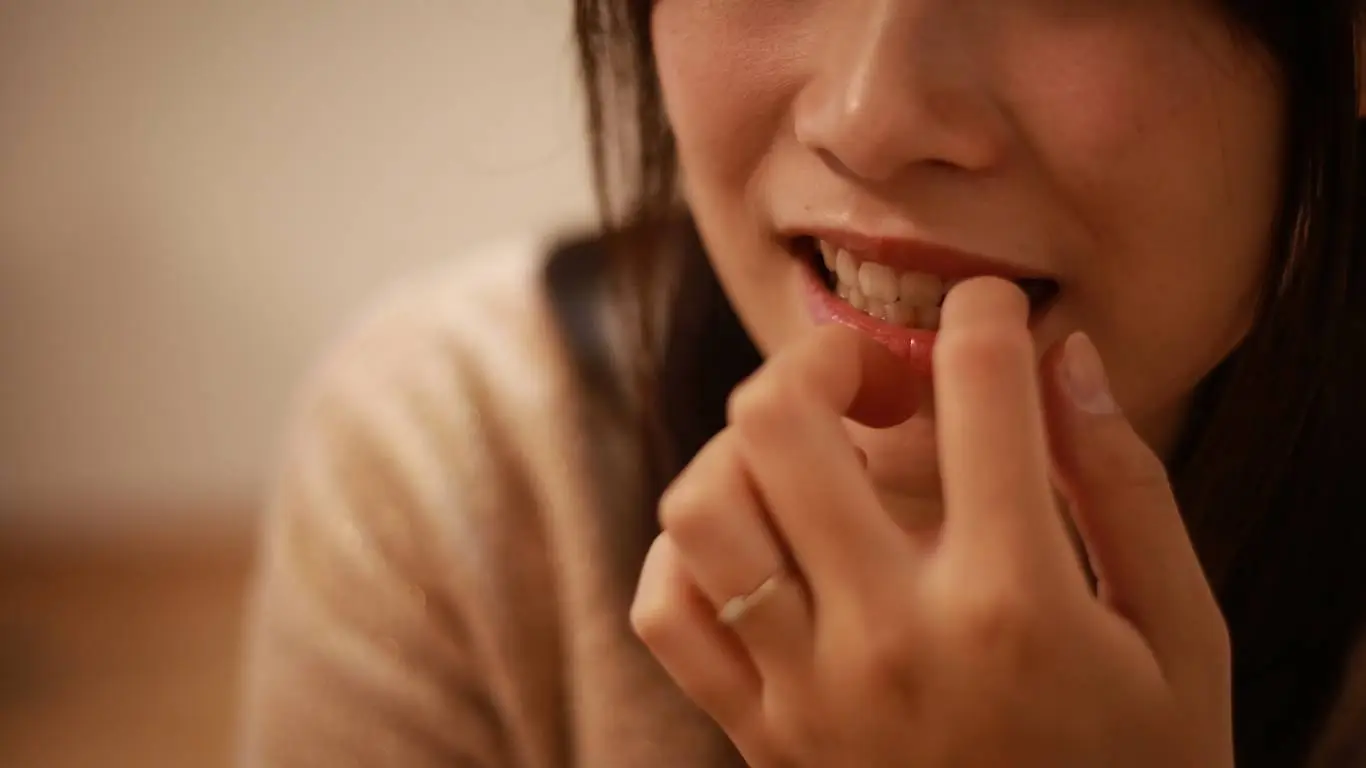
This one’s personal: I used to only practice grounding when things got bad. But once I started doing it daily—even when I felt okay—I noticed something wild. My anxiety attacks became less frequent and way less intense. Daily journaling, short meditations, even breath checks helped train my nervous system to chill out.
If you’re wondering where to start, check out this more foundational read on how anxiety disorders influence daily life. It gives helpful context if your anxiety doesn’t “look” like a panic attack but still messes with your routine.
For broader understanding and support tools, this breakdown on lifestyle strategies that help anxiety dives deeper into daily habits that reduce those spikes before they happen.
Movement and Motion: The Secret Weapon Against Sudden Anxiety

Sometimes the last thing I want to do when I’m panicking is move—but getting my body into motion often helps more than anything. Walking briskly around the block, stretching, even just pacing the hallway can reset my energy. It’s not just “distracting”—it shifts your physiological state. Motion breaks the freeze mode that anxiety often throws us into.
- Progressive muscle relaxation is a quick, guided way to release tension you don’t even realize you’re carrying.
- Simple yoga poses—like child’s pose or forward fold—can anchor your breath and body together.
If you’ve never moved during a spike, give it a shot. Even slow, intentional steps around your room can ground you back in reality.
Digital Detoxing for Mental Reset

Let’s be honest—our phones are anxiety grenades. Notifications, doomscrolling, constant comparison—it adds up. I’ve caught myself feeling anxious and then realized I’d been scrolling social media for an hour straight. When I set time blocks where I unplug, the difference is massive.
Some habits that helped me:
- Using “Do Not Disturb” during anxiety recovery time
- Turning off notifications from news apps
- Swapping phone time for a few pages from a physical book
For a deeper look at the link between anxiety and screen use, check out this powerful read on social media and mental clarity.
Anchoring Through Senses: Smell, Sound, and Touch
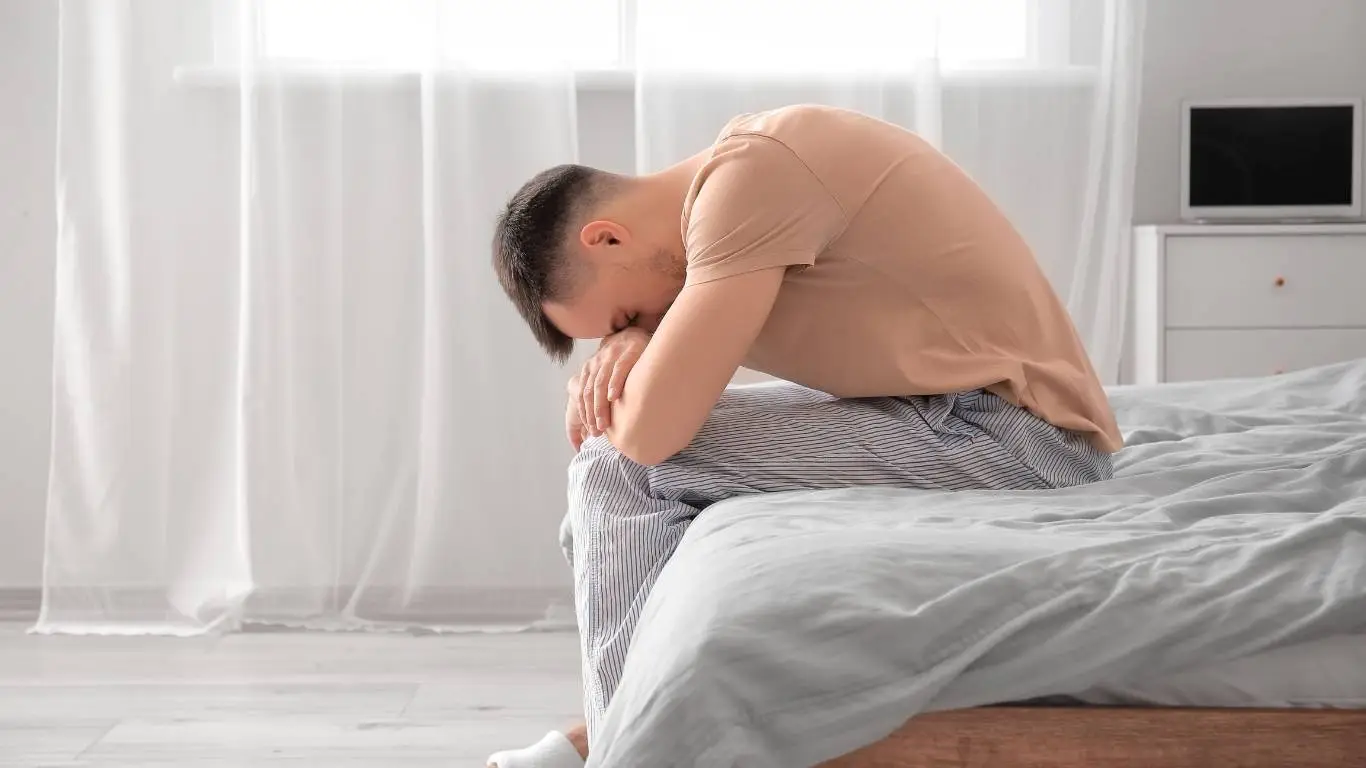
Sensory grounding is a trick I learned during therapy. I used to underestimate how powerful our senses are until I started using them intentionally during panic. Here’s what works wonders for me:
- Scent: Lavender or peppermint oil on a cotton ball or wrist
- Sound: Rain or ocean waves through noise-canceling headphones
- Touch: Fuzzy socks, textured blankets, smooth stones
Even something like aromatherapy—which I used to think was gimmicky—turned out to be a real game-changer when I started using it in a structured way.
Support Systems: Why You Shouldn’t Ride It Out Alone

This is one of those things that sounds obvious but is hard to do in the moment: reach out. Whether it’s texting a friend or joining an anxiety support group, human connection can be an anchor.
Personally, I set up a deal with a friend: if either of us texts “⚠️”, it means “Talk me down.” No questions, no judgment. Just presence. Some days, just knowing that person exists helps me stay grounded.
If friends aren’t an option, support groups—even online ones—can help you feel less alone. It doesn’t need to be deep or emotional every time. Just human.
Routines That Build Resilience Before the Storm
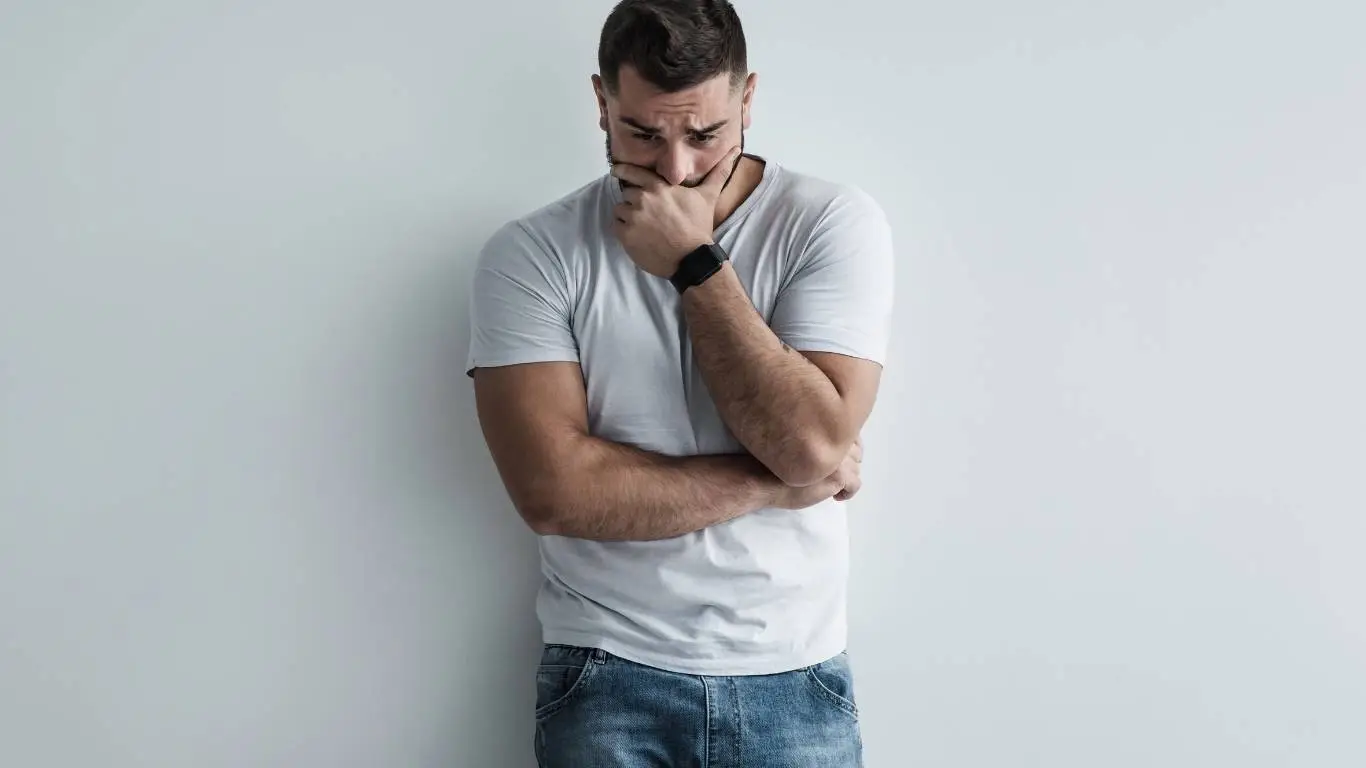
Grounding isn’t just something you do when anxiety peaks—it’s something you train your body to do through daily habits. Think of it like emotional muscle memory. Here are things I build into my week to lower my baseline anxiety:
- Journaling each morning to clear out mental clutter
- Daily walk outside—no headphones, just me and the sounds around me
- Tracking triggers in a notebook (surprisingly helpful for identifying patterns)
- Spending time with pets or nature to reset my nervous system
It may sound like a lot, but even starting with one or two of these builds up over time. The more you practice, the faster your brain learns to calm down. The guide on how anxiety affects daily routines really helped me rethink mine.
When Grounding Isn’t Enough: What Comes Next

There were moments when no grounding trick in the world could bring me back. That’s when I knew I needed to take the next step. Professional help—whether it’s therapy, medication, or both—can make a huge difference when DIY strategies hit their limit.
Working with a therapist helped me customize my approach. Tools like GAD-7 questionnaires helped track progress and symptoms more clearly, and I finally understood what was happening to me neurologically—not just emotionally.
If this feels familiar, here’s a great starting point for understanding your options: Anxiety diagnosis & assessment.
And for the big picture—how your environment, genetics, and habits contribute—this breakdown on hidden causes of anxiety is one of the most eye-opening reads I’ve come across.
Start Small—But Start
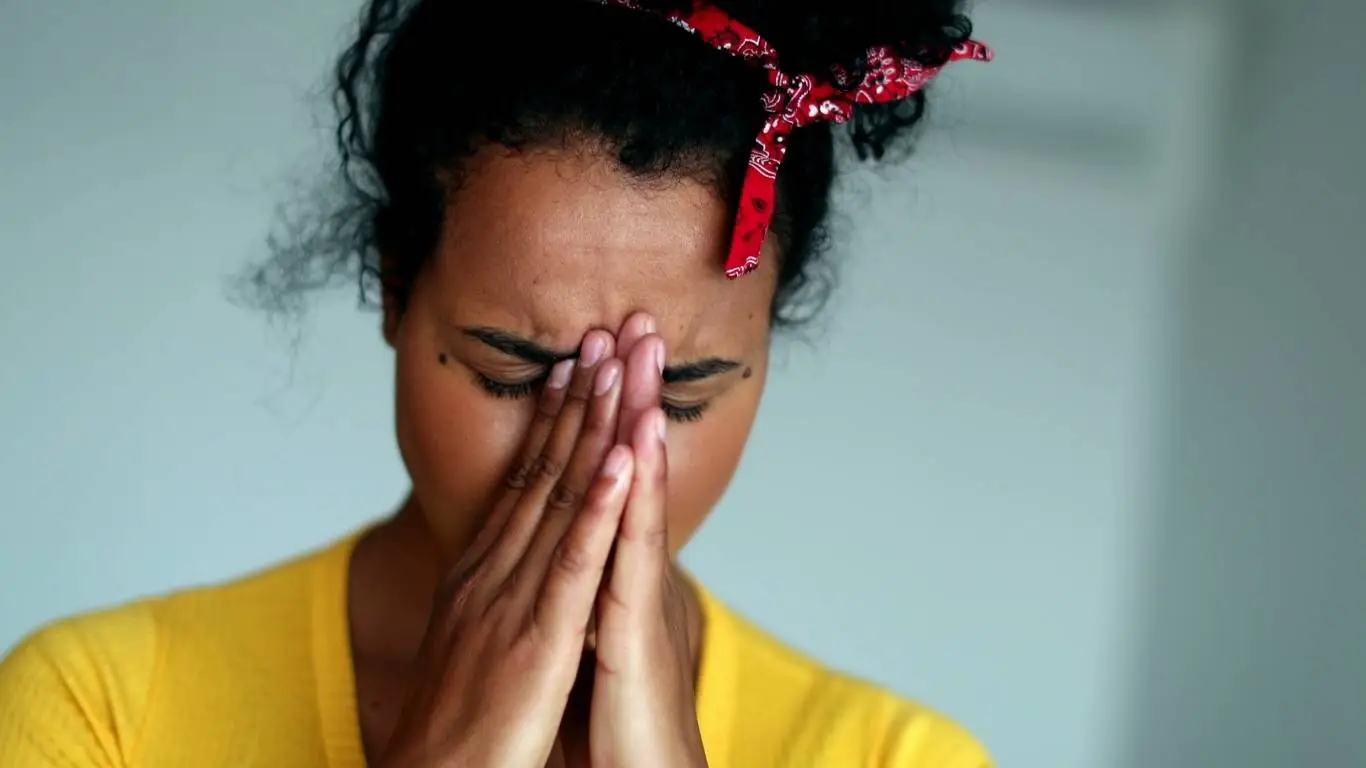
Learning how to stay grounded during anxiety spikes doesn’t mean becoming immune to stress. It means building a toolbox—brick by brick—that keeps you rooted when your brain tries to run. I didn’t master this overnight. I still mess it up. But each time I come back to the present, it gets a little easier.
And if you’re looking for a full overview of grounding strategies, daily coping mechanisms, and holistic support, don’t miss this thorough read on why anxiety disorders can secretly control your daily life.

Camellia Wulansari is a dedicated Medical Assistant at a local clinic and a passionate health writer at Healthusias.com. With years of hands-on experience in patient care and a deep interest in preventive medicine, she bridges the gap between clinical knowledge and accessible health information. Camellia specializes in writing about digestive health, chronic conditions like GERD and hypertension, respiratory issues, and autoimmune diseases, aiming to empower readers with practical, easy-to-understand insights. When she’s not assisting patients or writing, you’ll find her enjoying quiet mornings with coffee and a medical journal in hand—or jamming to her favorite metal band, Lamb of God.