Why Floaters Get Worse When Lying On A Firm Pillow
I never really noticed how much a pillow could mess with my eyes—until it did. One night, I was lying on my favorite firm orthopedic pillow when I saw them again: the faint, squiggly shapes drifting across my vision. At first, I figured it was just fatigue. But over time, it became a pattern—those floaters always seemed more noticeable when I lay flat on my back with that firm pillow propping up my head. That’s when I started digging deeper into what was actually happening.
Why Floaters Become More Noticeable When Lying Down
Eye floaters are nothing new for most of us over 30. Those transparent strands, spots, or cobweb-like threads drifting around your line of vision? Yep, classic floaters. But what’s the deal with them showing up more intensely when you’re lying flat, especially on a firm pillow?
Gravity Isn’t Just for Apples
When you’re upright during the day, gravity helps pull the vitreous gel in your eye downward, causing floaters to “settle” toward the bottom of your visual field. But lying flat or reclined—especially with your head supported at a certain angle—changes the way floaters move and makes them appear more prominent.
If you’ve ever laid back and suddenly noticed more floaters than usual, it’s likely because that head position changes how light hits those specks and how they drift within the eye. Firm pillows tend to elevate the head and neck just enough to adjust the angle of your gaze, often amplifying the floaters’ visibility.
The Firm Pillow Factor
Firm pillows, especially contoured memory foam types, can create a fixed head posture that contributes to:
- Reduced eye fluid circulation during rest
- Increased awareness of floaters due to upward gaze while lying back
- Slight pressure shifts that may change vitreous movement
Interestingly, some people even report more frequent floaters when lying flat on their backs compared to sleeping sideways or upright. While science hasn’t pinpointed a single cause, posture clearly plays a role for many floaters sufferers.
Is There a Connection Between Pillows and Eye Pressure?
Firm pillows might not directly cause floaters, but they can affect intraocular pressure (IOP), especially when used for long periods. Elevated head position can sometimes hinder proper drainage of eye fluids. For those predisposed to floaters or sensitive eye changes, that might be just enough to amplify the floater effect.
There’s even some debate in the eye health community about whether sleeping with your head too elevated could contribute to floaters worsening over time. While it’s not a mainstream conclusion, anecdotal reports (like mine) are becoming common. Floaters after long reading sessions or lying back with fixed focus are also noted here.
Personal Workaround Tips
- Switch to a softer, adjustable pillow—this helped reduce the strain on my gaze direction.
- Try alternating sleep positions, or elevate slightly using a wedge instead of a stiff pillow.
- Use blackout curtains and reduce screen time before bed—bright environments tend to make floaters more visible.
When to Pay Closer Attention
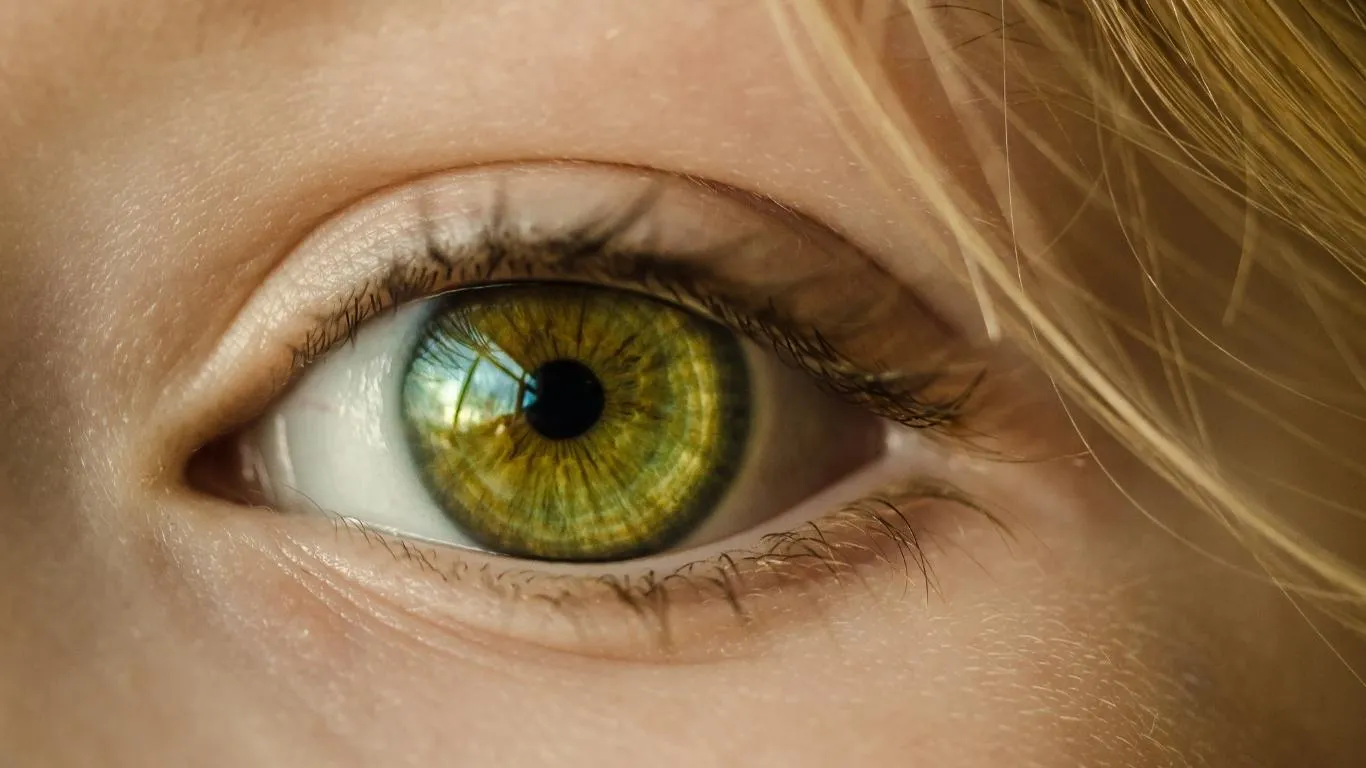
If floaters only pop up when you’re resting or sleeping, it’s usually harmless—but it’s smart to stay vigilant. If you notice a sudden burst of floaters, light flashes, or dark shadows, that could signal something more serious, like retinal issues. You’ll find a helpful breakdown on that here.
Another oddity I’ve heard from readers (and experienced myself once) is floaters that are only visible in bright rooms. This often happens when lying on a firm pillow near a window in the morning. That harsh contrast between light and vitreous makes even subtle floaters appear vivid.
More Than Just Age: Other Contributors
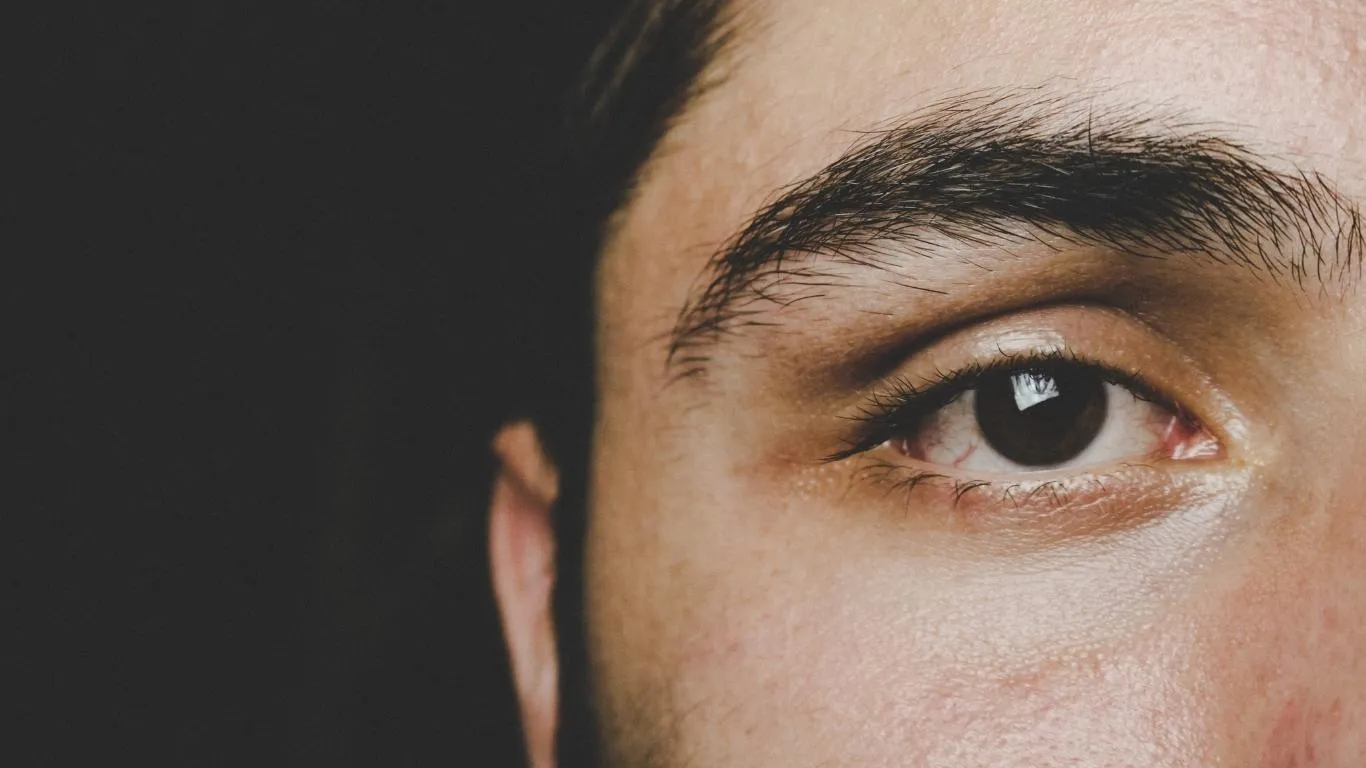
It’s easy to blame age, and yes, that’s a factor. But floaters can also show up due to dehydration, eye strain, stress, and even posture. Believe it or not, poor sleep and dehydration are recurring culprits that can make those tiny specks more visible when lying down.
The common link in many cases? Lifestyle. Spending hours staring at screens, poor eye ergonomics, late-night scrolling in bed (guilty!), and even anxiety episodes have all been associated with an uptick in floaters—especially noticeable in specific positions like resting on a firm pillow.
Want to Dig Deeper Into Floater Causes?
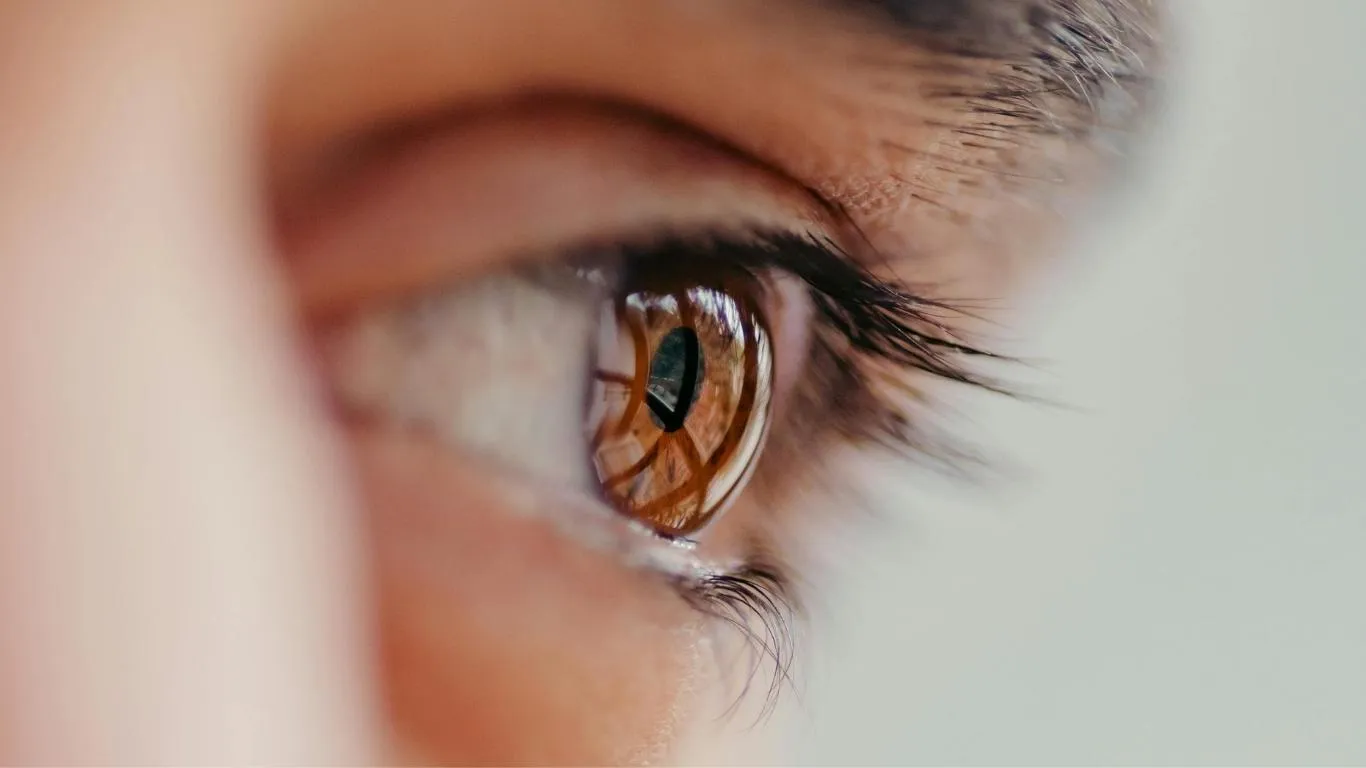
To understand more about what’s behind these floaters, the article on common causes of eye floaters offers a detailed breakdown. From aging vitreous gel to injuries and even medication side effects, the culprits are more diverse than most realize. You can also learn more about the general overview from this main guide on floaters.
Floaters might not always need treatment, but understanding when, why, and how they appear—especially in weird situations like lying on a firm pillow—can help you better manage your vision health day-to-day. Sometimes, it’s the smallest habits that make the biggest difference.
How Lifestyle Habits Make Floaters Worse in Bed
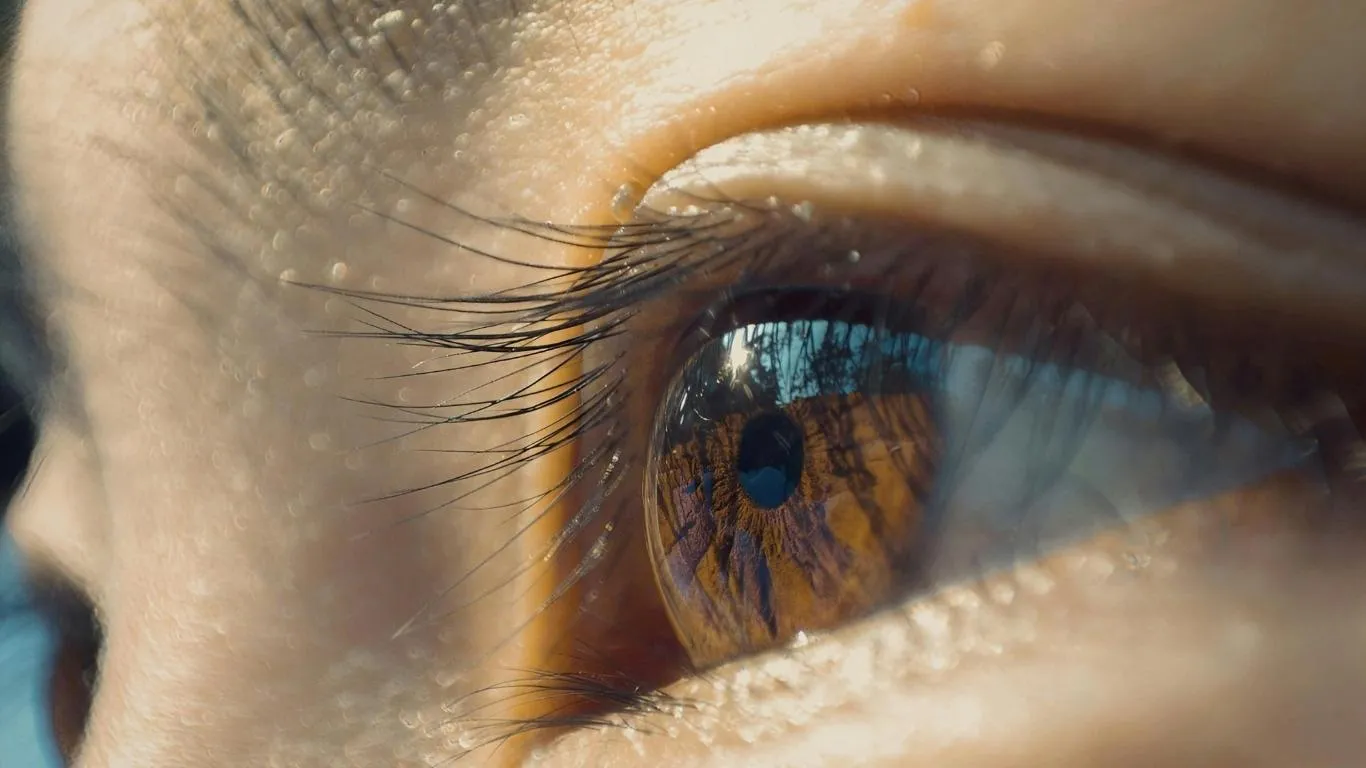
Most nights, I found myself lying on that same firm pillow, scrolling through my phone in the dark—thinking I was relaxing, but actually making things worse. Ever wonder why floaters feel more aggressive when you do that? Turns out, backlit screens in dim environments amplify contrast between light and the floater’s shadow on your retina. And when you’re flat on your back, the angle makes it even more visible.
Blue light exposure + firm pillow = prime floater visibility zone. This isn’t some old wives’ tale. In fact, many have reported the same issue. Especially if your pillow angles your head just right to catch the light glare at the worst possible moment.
Rethinking Your Bedtime Routine
If you’re like me and prone to floaters, here’s a game-changer: swap screen time for ambient audiobook listening. I even use a low-pitched sleep lamp to reduce sharp contrasts in the room. It’s not a cure, but it keeps the specks from “dancing” all over your vision when you finally close your eyes.
Smart Pillow Choices That May Ease Symptoms
It sounds a little wild—swapping pillows to ease eye floaters—but I tested it. And no, it’s not about soft versus firm. It’s about angle, material, and consistency.
- Adjustable pillows: They let you tweak head elevation, giving you flexibility on how much pressure is placed on neck and eye circulation.
- Wedge-style pillows: These prevent lying completely flat, reducing fluid shift in your eyes.
- Cooling pillows: Overheating can increase fluid retention and pressure, making floaters more apparent for some.
I also found relief after ditching memory foam pillows that cradled my head too rigidly. As weird as it sounds, I had fewer floater episodes once I returned to a flatter cotton-fill option. Other floater sufferers seem to report similar results in forums and in symptom tracking articles.
When to Worry About Floaters in Bed
It’s one thing to see floaters more clearly when lying on a firm pillow. It’s another when they appear suddenly, grow in number, or come with odd symptoms like eye pain, light flashes, or blurred peripheral vision. That’s where it shifts from annoying to potentially dangerous.
If you notice:
- Floaters that flicker or move rapidly in clusters
- Shadows, curtains, or flashes of light
- Floaters that worsen when lying down but persist when upright
Don’t wait. You might be dealing with something more serious like posterior vitreous detachment (PVD) or early signs of a retinal tear. A helpful primer is this article on PVD, which covers symptoms to watch for.
Also, if you ever experience floaters alongside other symptoms such as dizziness or hearing a ringing in your ears, it could point to systemic issues. More about that is broken down here.
Coping When Floaters Distract You in the Dark
I’ll admit—there were nights I just stared into the dark, watching floaters drift by like jellyfish in a black sea. It wasn’t restful, and it definitely wasn’t healthy. So I experimented with a few techniques that actually helped, and I’m not alone.
Tips to Ease Nighttime Floaters Without Medication
- Don’t look directly upward. Try turning your head slightly to the side instead of staring at the ceiling—it reduces the floater path across central vision.
- Use dim, indirect lighting. Harsh room lights will cast stronger shadows of floaters; a gentle nightlight is better.
- Blink slowly and deeply before closing your eyes. It helps relax the eye muscles and can shift vitreous floaters out of your focal range.
Some also find value in dietary improvements. A deeper look into the role of nutrition can be found in this nutrition-focused article. It’s eye-opening how much hydration, lutein-rich foods, and even omega-3 intake can reduce the overall severity of floaters.
What Doctors May (or May Not) Tell You
Most optometrists will tell you floaters are harmless and “part of aging.” And while that’s true, it’s also incomplete. Not all floaters behave the same, and not all appear randomly. Floaters that emerge when lying down or when shifting head positions may indicate early-stage vitreous degeneration—or just that your eye fluid circulation is out of sync.
If you feel dismissed during an eye exam, it’s okay to seek a second opinion—especially if symptoms evolve. There’s a deep dive into how floaters differ from other eye issues that can help you frame better questions with your doctor.
Also worth noting: natural approaches and supplements aren’t a silver bullet, but a growing number of professionals are exploring their role in vitreous health. You can browse current insights in this well-researched review.
Building Habits That Protect You From More Floaters
What finally helped me? It wasn’t one thing. It was a mix: switching to a softer pillow, reducing screen time before bed, improving hydration, and giving my eyes intentional breaks during the day. Honestly, I never expected something as simple as pillow firmness to have such a ripple effect.
Here’s the reality: floaters aren’t going away completely. But for many of us, especially those noticing them more while lying flat, small adjustments can make a big difference.
If you haven’t yet, I’d strongly recommend starting with the core resource on eye floaters overview and then dive deeper into the common causes guide. From there, you’ll start seeing your symptoms in a whole new light—maybe even before bed, lying on that pillow.

Camellia Wulansari is a dedicated Medical Assistant at a local clinic and a passionate health writer at Healthusias.com. With years of hands-on experience in patient care and a deep interest in preventive medicine, she bridges the gap between clinical knowledge and accessible health information. Camellia specializes in writing about digestive health, chronic conditions like GERD and hypertension, respiratory issues, and autoimmune diseases, aiming to empower readers with practical, easy-to-understand insights. When she’s not assisting patients or writing, you’ll find her enjoying quiet mornings with coffee and a medical journal in hand—or jamming to her favorite metal band, Lamb of God.