How To Manage Anxiety While Managing Chronic Illness Without Burning Out
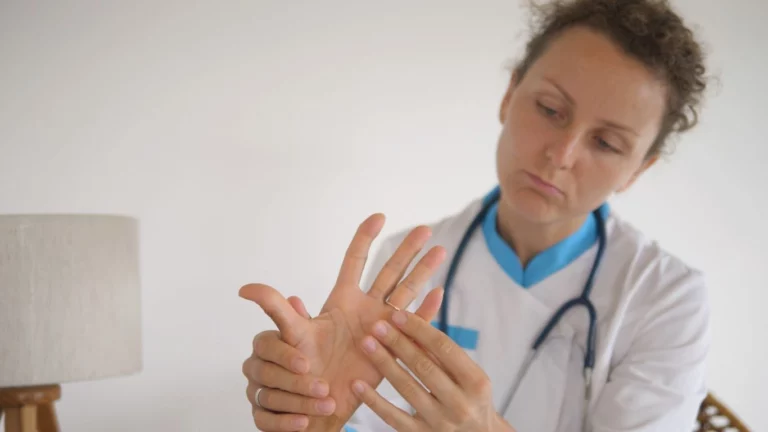
It’s one thing to deal with anxiety. It’s another beast entirely when it rides shotgun with a chronic illness. I still remember sitting in a sterile doctor’s office, heart pounding faster than it should, wondering if I was anxious or just reacting to another flare-up. Spoiler: it was both. Managing anxiety on top of managing an illness like diabetes, lupus, or IBS isn’t just hard—it’s overwhelming, lonely, and often invisible. But if you’re nodding along right now, let me tell you: you’re not alone, and it’s not all downhill from here. There are ways to make life feel a little more manageable—even if it doesn’t feel like it today.
Understanding the Two-Headed Monster: Chronic Illness and Anxiety

Living with a chronic condition is already a daily game of physical symptoms, medication schedules, doctor appointments, and uncertainty. Now, layer anxiety on top, and it’s like juggling fire while walking a tightrope. The worst part? The two feed each other.
Why Anxiety Loves Chronic Illness
- Constant uncertainty – You never quite know how your body will behave from day to day. Will you be able to work? Socialize? Sleep?
- Physical symptoms overlap – Fatigue, heart palpitations, shortness of breath—all can be signs of your condition or just pure anxiety. It’s exhausting to decode.
- Fear of the future – Chronic illness often has no “cure,” just management. That alone can make anxiety spiral.
It becomes a feedback loop. The more anxious you are, the worse your symptoms feel. The worse the symptoms feel, the more anxious you become. It’s not all in your head—but your head is very much involved.
If this hits home, you’re not imagining it. Research from ncbi.nlm.nih.gov has shown that anxiety is significantly more common among those with chronic illnesses. No surprise there.
Practical Ways I Learned to Manage the Anxiety–Chronic Illness Combo

This isn’t a “one-size-fits-all” list, and that’s important. What works for me may not be your magic bullet. But these strategies helped me find some breathing room—literally and emotionally.
1. Make Peace With Slowing Down
This one took me years. I used to equate productivity with worth, and rest felt like failure. But I started treating rest as a strategy, not weakness. Slowing down isn’t quitting—it’s playing the long game. Your body is already working overtime.
2. Set Boundaries Like Your Health Depends on It (Because It Does)
When you’re constantly pushing through symptoms to avoid disappointing people, you’re only fueling your anxiety. It’s okay to say no. It’s okay to cancel. One thing that really helped was writing scripts in advance. “Hey, today’s not great for me, but I’d love to reschedule.” That simple. That powerful.
3. Track Symptoms Without Obsessing
There’s a line between being aware and being hypervigilant. I use a symptom tracker just once a day—at night—to check in without spiraling. Over time, this helped me distinguish a panic attack from a flare-up, which honestly saved me from so many unnecessary ER visits.
For example, if you’ve ever confused a panic episode for something more serious, you might want to read this guide on panic disorder vs heart attack. It cleared up a lot for me.
4. Rebuild Routines Around Flexibility
Forget rigid schedules. Try flexible anchors instead. I aim for three gentle wins a day: a short walk, a nourishing meal, and one calming activity. No guilt if I don’t hit them all.
- 5-minute morning stretch (even in bed)
- A protein-rich breakfast
- 10-minute breathing practice
I discovered this awesome breathing method from an article about breathing exercises for anxiety relief, and it actually helps—especially before medical appointments.
Dealing With Medical Appointments and “White Coat” Anxiety

No shame in it—every time I enter a clinic, my anxiety spikes. Blood pressure readings lie, pulse races, and I forget half of what I meant to say. Sound familiar?
Here’s how I started taking back control:
- Bring a list – Notes on your phone or a small notebook with symptoms, questions, and medication updates.
- Practice answers aloud – It may sound silly, but speaking your concerns ahead of time reduces fumbling.
- Ask for clarification – No shame in saying, “Can you explain that in simpler terms?”
If your anxiety feels particularly intense around tests, this diagnostic test guide helped me feel less blindsided by what to expect during checkups.
The Connection Between Nutrition, Inflammation, and Mood
This one surprised me. I always thought “eating healthy” was about weight. Turns out, it’s also about reducing inflammation—which affects both your illness and your anxiety. I started eating more magnesium-rich and omega-3-heavy foods, which made me feel noticeably calmer. A good breakdown is available on magnesium-rich foods that ease anxiety naturally.
Pair this with insights from the pillar article on anxiety, diet, and nutrition for deeper guidance. It’s a game changer when you’re too tired to overthink meal planning.
It also ties in with the main pillar on how anxiety secretly controls your daily life, because honestly, nothing controls your life more quietly than the foods you don’t realize are affecting your mind.
Therapy Tools That Actually Made a Difference (Even When I Was Skeptical)

Honestly? I wasn’t sold on therapy at first. I thought, “I already have doctors for my illness—do I really need a therapist too?” But eventually, after one too many nights overthinking everything and feeling emotionally burnt out, I gave in. And I’m glad I did.
Cognitive Behavioral Therapy (CBT)
CBT was a game changer. It gave me the language and structure to stop catastrophic thoughts in their tracks. When I’d spiral into “What if this symptom is something new and scary?” territory, CBT taught me to gently challenge that panic instead of feeding it.
If you’re curious, this deep dive on CBT for anxiety breaks it down in a way that doesn’t feel textbook-y. It helped me understand what to expect before my first session.
Somatic Work & Body-Based Therapies
Some of us carry anxiety in our bodies. Mine tends to live in my chest and neck. When I started trying out practices like progressive muscle relaxation and breathwork, I was floored at how much calmer I felt—even when my symptoms were flaring.
Journaling and Mindful Reflection
Not the “Dear Diary” kind, but real reflective stuff. Writing helped me track triggers, vent without judgment, and connect the dots between my thoughts and my physical health. I leaned into this list of journaling prompts when I didn’t know where to begin.
Building a Life That Doesn’t Revolve Around Symptoms

One of the toughest mental shifts I had to make was realizing I could live *with* my conditions instead of being ruled by them. A big part of that was rebuilding my day-to-day life around support, not stress.
Create Micro-Routines You Can Count On
With chronic illness, plans change—often last minute. But having micro-routines (tiny pockets of predictability) helped reduce that chaotic, unanchored feeling. Mine looked like:
- Tea and a favorite playlist every morning (even when I felt like garbage)
- 5 minutes of sunshine or fresh air daily
- Checking in with a “safe” person before bed
It sounds small, but when everything else is unpredictable, that 5-minute window of calm can be a lifeline.
Find Community—Even If It’s Just One Person
This one’s tricky. When you live with invisible pain or fatigue, it’s easy to feel misunderstood. I started by joining a private support group focused on health anxiety and chronic illness—just to read, not even post. Over time, I opened up. That validation? Game-changing.
Here’s a post about support groups that helped me decide which kind felt right. Whether it’s in person, online, or just a trusted friend, having someone who gets it makes the weight easier to carry.
When Medication Enters the Picture

Let’s talk medication. I resisted anxiety meds for years—scared of side effects, stigma, and feeling “dependent.” Eventually, with my doctor’s help, I tried SSRIs. And honestly? They didn’t fix everything, but they gave me breathing room—enough to show up for therapy and self-care with more energy and clarity.
If you’re considering this route, this article on SSRIs for anxiety lays it out in a way that helped me make an informed decision.
There’s also a helpful breakdown in the pillar article on medical treatments for anxiety disorders—worth bookmarking if you’re navigating options.
The Invisible Emotional Toll—and How to Handle It

Here’s the truth: anxiety doesn’t just come from symptoms. It also stems from fear of being a burden, guilt for canceling plans, resentment toward your body, and grief for the life you thought you’d have. All of that is real. And valid.
Accepting the Grief Without Letting It Swallow You
Some days, I just let myself cry. I stopped trying to be the “strong” one all the time. Letting yourself feel what’s happening doesn’t mean you’re giving up—it means you’re human. It took time, but I started embracing my life as it is now—not as I wish it would be.
Reading this article on anticipatory grief helped me realize I wasn’t broken—I was adapting.
Closing the Loop: You Deserve Calm, Even in Chaos

I’m not here to say managing anxiety while managing chronic illness will ever be effortless. But it doesn’t have to be suffocating either. With the right mix of support, tools, mindset shifts, and permission to rest—you can carve out a life that feels meaningful and calm.
And if you’re ever doubting yourself, come back to this: You’ve already survived every hard day so far. That’s proof you’re stronger than your fear.
To understand more about how these quiet disruptions impact your routine, the pillar on daily life with anxiety is a must-read.
Or if you’re wondering why anxiety can sneakily control everything from energy to decision-making, check out the broader main anxiety disorders guide.
You’re doing better than you think. Keep going.

Camellia Wulansari is a dedicated Medical Assistant at a local clinic and a passionate health writer at Healthusias.com. With years of hands-on experience in patient care and a deep interest in preventive medicine, she bridges the gap between clinical knowledge and accessible health information. Camellia specializes in writing about digestive health, chronic conditions like GERD and hypertension, respiratory issues, and autoimmune diseases, aiming to empower readers with practical, easy-to-understand insights. When she’s not assisting patients or writing, you’ll find her enjoying quiet mornings with coffee and a medical journal in hand—or jamming to her favorite metal band, Lamb of God.