Why Anxiety Makes You Avoid Social Plans And Miss Out
It’s funny — or maybe frustrating — how many times I’ve canceled plans with friends last minute, not because I didn’t want to go, but because my mind spun a thousand anxious scenarios that made stepping outside feel like a marathon. If you’ve ever done the same, trust me, you’re far from alone. Social plans and anxiety can be a brutal mix. You want connection, you crave normalcy, but when anxiety creeps in… suddenly, isolation feels safer.
Why Social Plans Feel So Overwhelming When You Have Anxiety
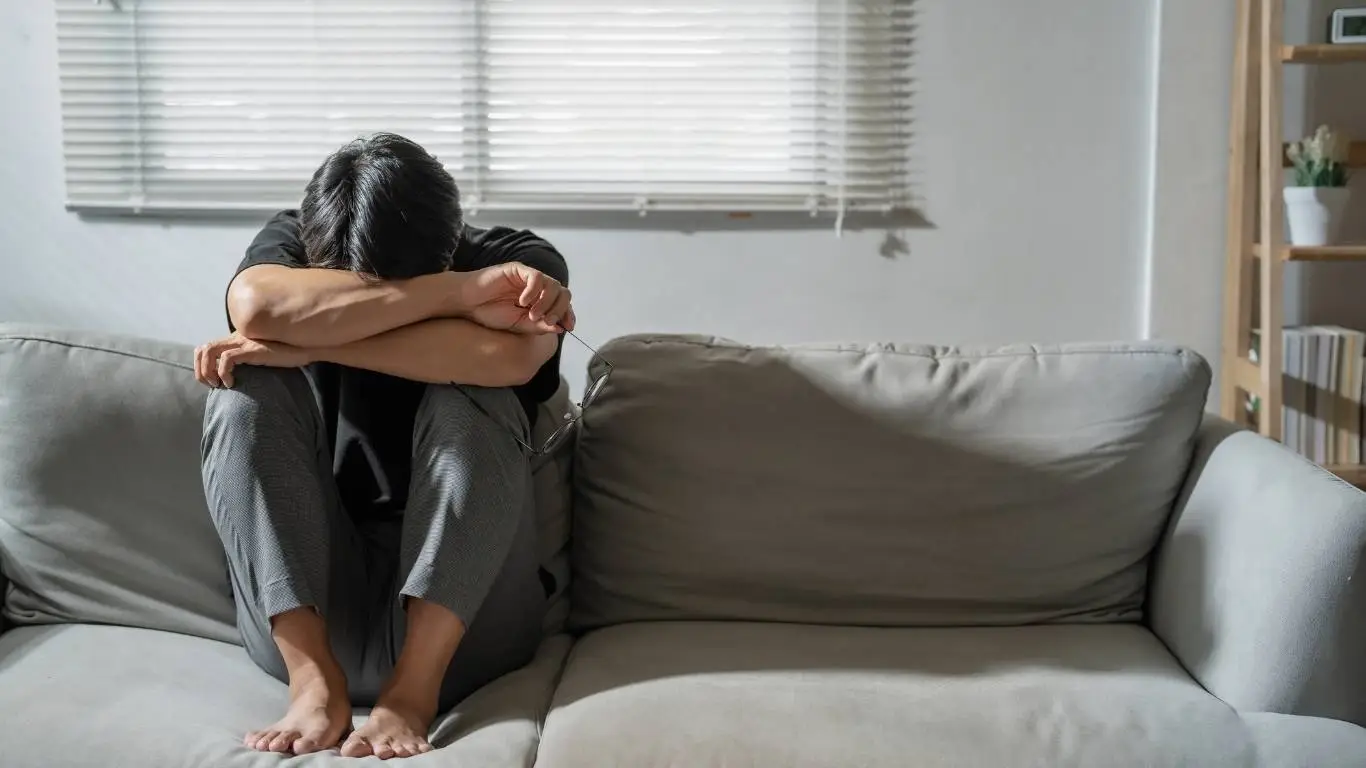
On paper, dinner with a friend or a coworker’s party shouldn’t feel terrifying. But when anxiety kicks in, our brain treats it like a survival threat. What’s supposed to be a relaxing night out becomes a high-stakes event with imaginary judgment, awkward silences, and spirals of “what ifs.”
Anticipatory Anxiety: The Party Starts in Your Head
I once spent hours prepping for a friend’s birthday, even had my outfit laid out. But by the time I was ready to leave, my heart was racing, my chest was tight, and I suddenly felt sick. That’s anticipatory anxiety — when your body reacts to the event long before it even happens. You imagine every worst-case scenario, and your nervous system believes it’s real.
- “What if I say something stupid?”
- “What if I have a panic attack?”
- “What if they secretly don’t want me there?”
This kind of mental rehearsal creates actual stress responses in the body, mimicking danger, even if the event is harmless. It’s one reason why intrusive thoughts during anxiety feel so powerful.
The Avoidance Loop: Miss One, Cancel More
Here’s the kicker — the more you avoid, the more your brain learns that avoidance = relief. You skip one outing, feel better temporarily, and that reinforces the behavior. It becomes a cycle:
- Anxiety before social plan
- Cancel plans → feel relief
- Next time? More anxiety, faster cancellation
Over time, this builds into social isolation, lower self-esteem, and even depression. According to National Institute of Mental Health, untreated anxiety disorders often lead to co-occurring conditions like major depressive disorder and substance abuse.
How Social Anxiety Feeds Avoidance Without You Realizing

The Fear of Being Judged
Even in the most casual settings, anxiety can make you feel like every move is being evaluated. I used to feel like everyone noticed the tremble in my voice or how quiet I was. Turns out, most people didn’t notice — and those who did didn’t care. But anxiety convinces you otherwise.
This hyperawareness is a hallmark of social anxiety, which often starts early and quietly persists into adulthood. The result? You dread interactions, overanalyze small talk, and start avoiding plans altogether.
Physical Symptoms Make It Worse
It’s not just mental. Your body joins the chaos with:
- Sweaty palms
- Nausea or upset stomach
- Shortness of breath
- Heart palpitations
These symptoms mimic serious medical issues, which makes many people fear they’re having a health emergency — further pushing them to avoid social settings. Read more about this mind-body trap in why the dizziness anxiety connection is often overlooked.
The Hidden Toll: Relationships, Work, and Confidence
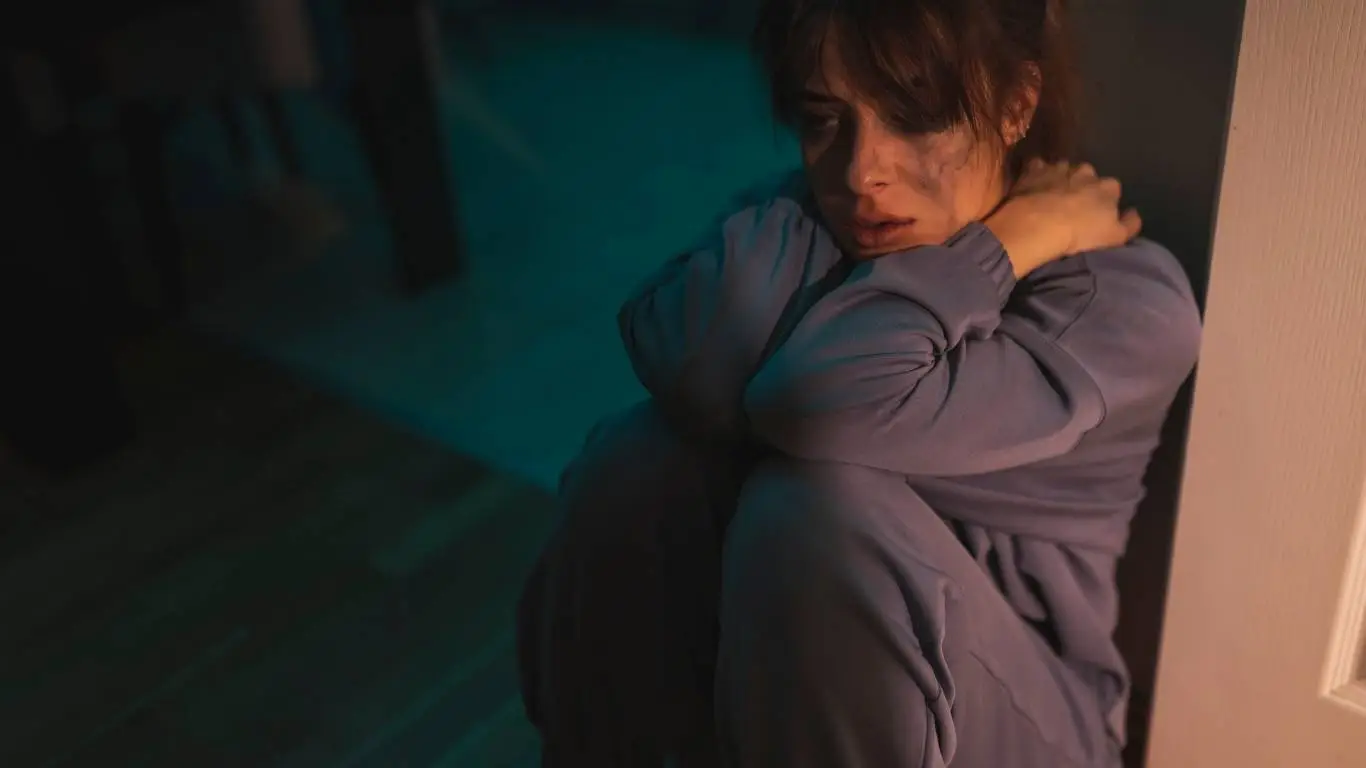
Avoiding social plans doesn’t just cost you missed memories. It chips away at your relationships. Friends stop inviting you. Coworkers connect without you. Even family might misunderstand and label you as distant or unreliable.
Professionally, networking events, presentations, or team outings feel unbearable. You pass up opportunities not because you lack ambition — but because the idea of being around people is just too much. Over time, your workplace performance and anxiety quietly collide.
My Experience with Missed Connections
There was a time I skipped a close friend’s engagement party. I told myself I’d feel better staying home. Truth? I regretted it for weeks. It wasn’t just about the event — it was about the connection I missed. That moment made me start questioning whether my anxiety was actually protecting me or stealing from me.
It’s Not Just You — And It’s Not Just in Your Head

There’s often shame around avoiding social plans — but anxiety isn’t laziness, flakiness, or rudeness. It’s a real condition that changes how your brain interprets social threats. The good news? With the right support, habits, and awareness, it doesn’t have to define your life.
If this feels familiar, you’re not imagining it. You may be experiencing symptoms of an anxiety disorder that’s quietly taking control of your daily life. Here’s an excellent overview of why anxiety disorders can secretly control your daily life — and why recognizing it is the first step to taking back control.
Rebuilding Your Social Life Without Overwhelm
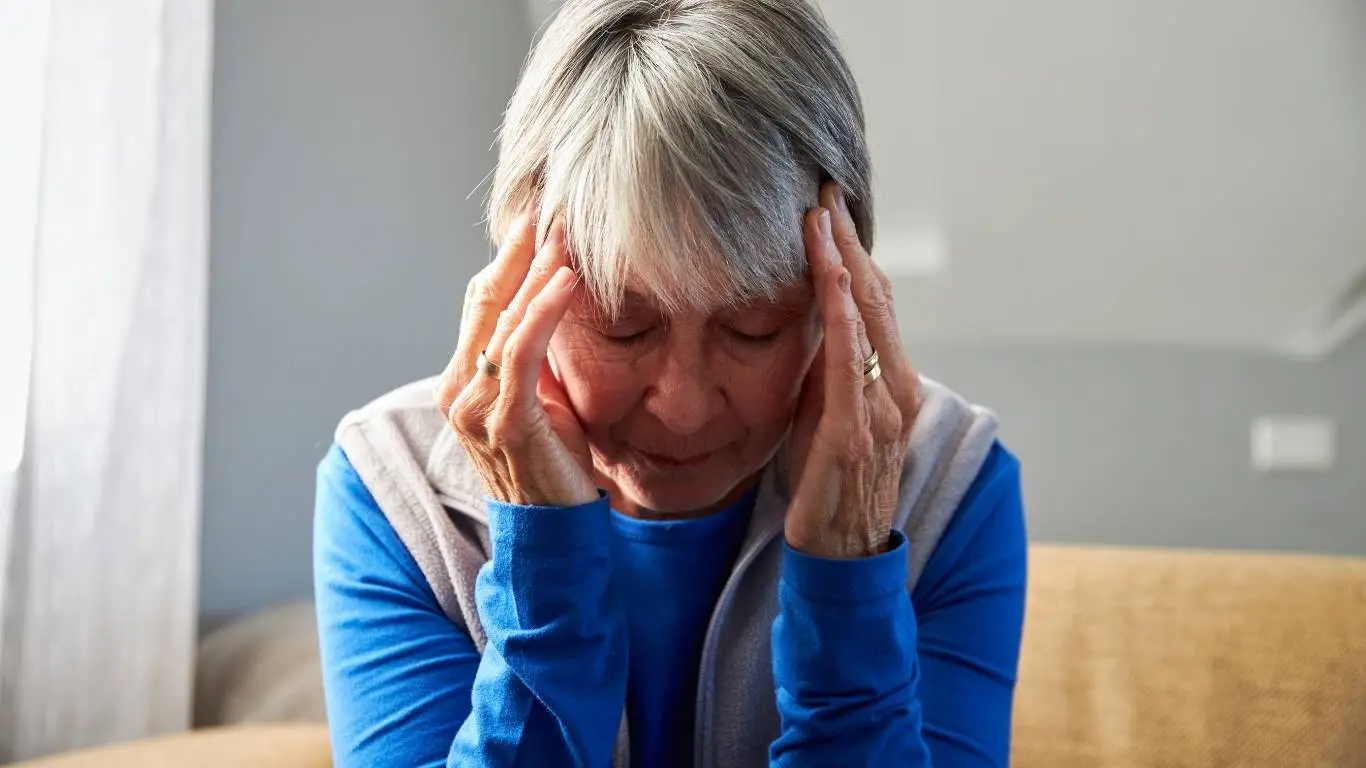
Let me be honest — I didn’t wake up one day suddenly “fixed.” Getting comfortable with social plans again was more like unlearning a pattern, one tiny win at a time. And if you’re anything like me, you’ve probably googled “how to stop canceling plans” more than once. Here’s what actually helped me — and what could work for you too.
Start With Low-Pressure Outings
Trying to jump back into full-blown social events after avoiding them for months is like signing up for a marathon after months on the couch. You’ll burn out fast. Instead, pick something simple:
- A short coffee with a trusted friend
- A walk in a park with someone you feel safe around
- A small, familiar gathering instead of a loud party
Each successful experience chips away at that internal fear. You start teaching your brain: “This is safe. I can do this.”
Use a Grounding Plan
Before I go to any social event, I create a kind of mental backup plan. Sounds strange, but it lowers my anxiety drastically. My personal checklist looks something like this:
- Pick a time I can leave — and remind myself I can leave early if needed.
- Prep a few go-to conversation starters (saves me from awkward silence fear).
- Have a grounding object with me — a coin, a bracelet — to fidget if needed.
Little tricks like this give you back a sense of control. It’s a huge part of why Cognitive Behavioral Therapy (CBT) works so well for social anxiety. You reframe the threat, and it actually sticks.
When You Need More Than Self-Help

I tried to “tough it out” for years. Didn’t want to be seen as weak, or dependent on help. But avoiding support only kept me stuck. If social avoidance is affecting your work, relationships, or daily life, it’s not just a phase — it’s a signal that something deeper needs care.
Professional Therapy Options That Actually Work
Therapies like CBT, EMDR, or Acceptance and Commitment Therapy (ACT) are proven to help people break the avoidance cycle. Personally, ACT clicked with me because it wasn’t about “getting rid” of anxiety — it was about making space for it and living anyway.
You might also explore psychotherapy for anxiety disorders to understand the deeper patterns that trigger your social fears. Not all therapy is cold couches and notepads. Some of it feels like finally being heard — maybe for the first time.
When Medication Makes Sense
Let’s clear this up — meds aren’t a last resort. For some, they’re the breakthrough. SSRIs, like those discussed in why SSRIs for anxiety are more effective than you might expect, can be life-changing. They help stabilize the biological storm long enough for therapy and strategies to do their job.
If you’re curious, a proper assessment with your provider or looking into diagnosis and assessment options is a smart move. No guesswork — just real insight.
Lifestyle Habits That Quietly Rewire Your Anxiety
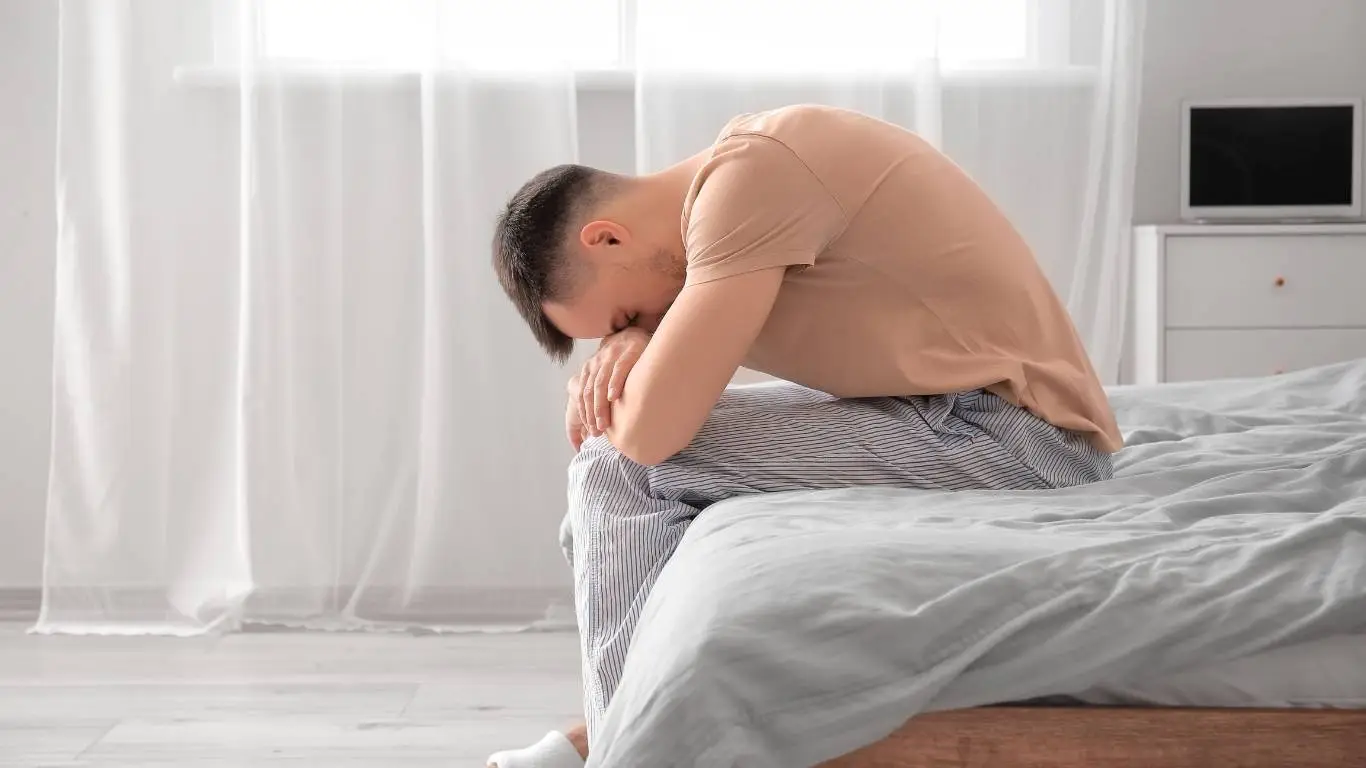
No, drinking celery juice won’t cure anxiety — but stacking smart lifestyle choices adds up. My social confidence started growing when I got serious about what I put into my body, how I moved, and how I rested.
- Sleep: Consistent sleep routines reduce cortisol levels and help you regulate emotions better.
- Nutrition: Deficiencies (like magnesium or omega-3) have been linked to increased anxiety sensitivity.
- Movement: Even short walks increase feel-good chemicals like serotonin.
If you’re curious, here’s a good breakdown on how lifestyle and self-help strategies ease anxiety without forcing major life overhauls.
Natural Support That Feels Like a Bonus, Not a Gimmick
I’ve tried a lot — breathwork, herbal teas, even acupuncture. Some helped more than others. But the key was not expecting a “fix.” These were supportive tools. Not solutions alone, but part of a bigger puzzle.
If you’re open to gentle approaches, read up on complementary and alternative options for anxiety. Just make sure they’re part of a well-rounded plan.
Reclaiming Your Social Life, One Real Step at a Time

You don’t need to become the life of the party. You just need to feel safe showing up as yourself. Whether that means saying yes to a friend’s dinner, attending a class, or even texting someone first — each small moment is a win.
And if you’re not sure where to begin, here’s a solid resource to explore the types of anxiety disorders and how they sneak into our day-to-day. Understanding what you’re facing is the first step to loosening its grip.
Most importantly, you’re not alone in this. So many of us are navigating the same inner dialogue, trying to reconnect with the world without losing ourselves in fear. And just like me — you can find your way back, one moment at a time.
Want to understand how all of this ties into the deeper grip anxiety can have on your everyday life? Don’t skip this: Why Anxiety Disorders Can Secretly Control Your Daily Life.

Camellia Wulansari is a dedicated Medical Assistant at a local clinic and a passionate health writer at Healthusias.com. With years of hands-on experience in patient care and a deep interest in preventive medicine, she bridges the gap between clinical knowledge and accessible health information. Camellia specializes in writing about digestive health, chronic conditions like GERD and hypertension, respiratory issues, and autoimmune diseases, aiming to empower readers with practical, easy-to-understand insights. When she’s not assisting patients or writing, you’ll find her enjoying quiet mornings with coffee and a medical journal in hand—or jamming to her favorite metal band, Lamb of God.