How Daily Gratitude Helps Reduce Chronic Pain and Lift Mood
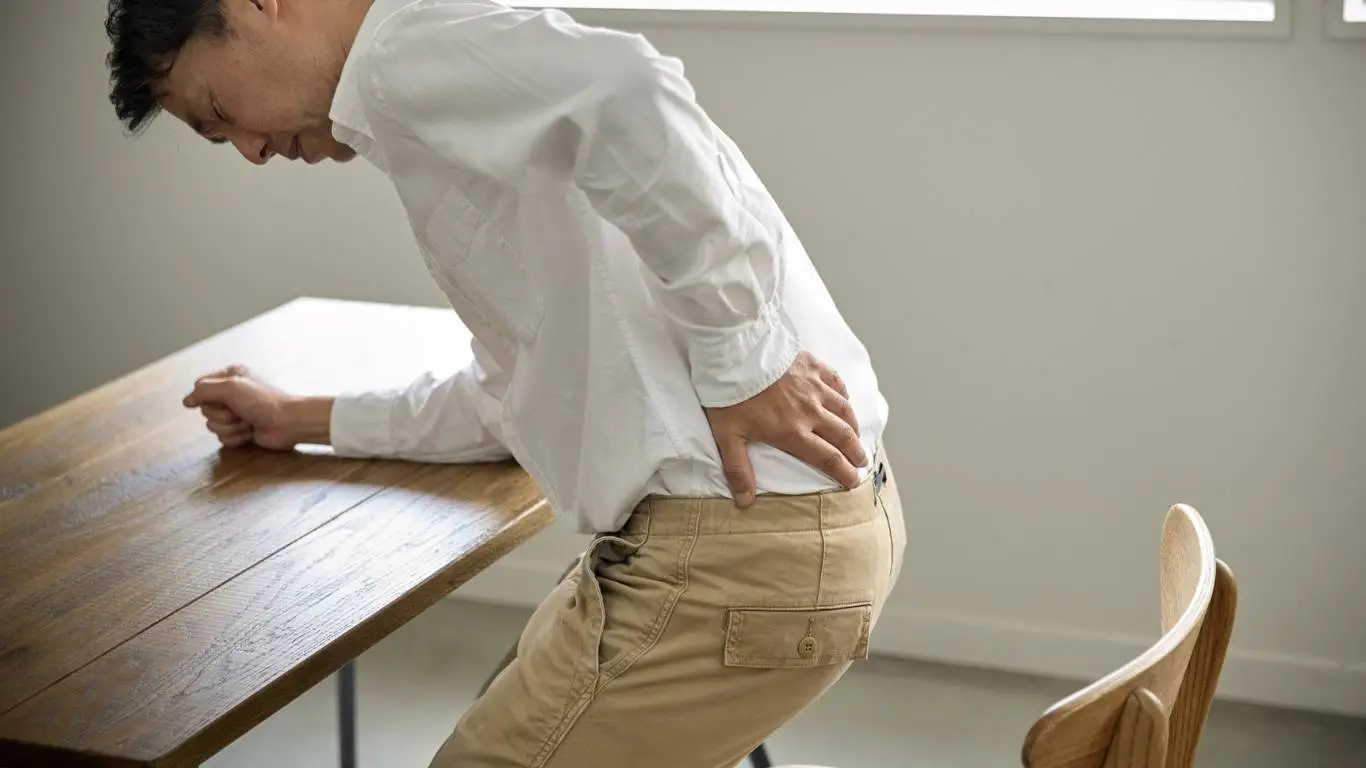
I used to wake up with a dull ache in my lower back almost every day. Some mornings it felt like my spine had turned into a block of concrete overnight. You name it—I tried it: stretching, anti-inflammatories, physical therapy, even one of those posture-correcting gadgets. But something surprising happened when I shifted my focus away from fixing the pain and toward something more… internal. Daily gratitude. It sounded like woo-woo fluff at first, but the science and personal impact turned me into a believer.
How Daily Gratitude Rewires the Pain Response

Chronic pain isn’t just a physical sensation. It’s a cocktail of emotional distress, nervous system overactivation, and even distorted cognitive patterns. One of the biggest game changers for me was realizing that gratitude actually changes how the brain processes pain.
Research from reputable institutions like ncbi.nlm.nih.gov and hopkinsmedicine.org shows how regularly practicing gratitude leads to measurable reductions in pain intensity. The mechanism? It’s not magic—it’s neuroplasticity. When we consistently acknowledge what’s working in our lives, we activate the brain’s reward and emotional regulation centers (like the prefrontal cortex and anterior cingulate cortex), not just the pain centers.
Gratitude Doesn’t Eliminate Pain—It Changes the Perception
I’m not saying pain disappears. It didn’t for me. But what changed is how I relate to the pain. It lost its control. The sting softened. The volume dialed down.
- Before gratitude: I braced for pain, tensed up, felt defeated.
- After gratitude: I acknowledged discomfort without spiraling. I reclaimed mental space. That alone made everything feel lighter.
Practical Ways to Start a Daily Gratitude Habit for Pain Relief

If you’ve never practiced daily gratitude, don’t overthink it. You don’t need incense, a Himalayan retreat, or a meditation app subscription. Here’s how I made it doable even on days when pain made movement feel like punishment.
1. Keep a “Pain-Flip” Journal
This journal isn’t about pretending the pain isn’t there. It’s about flipping your attention to something else that’s real and true. Try starting with:
- Three small wins from the day—“I walked an extra block,” “I cooked a healthy meal,” “I laughed at something dumb.”
- One kind gesture you gave or received.
- One thing your body still does right—even when it hurts.
Over time, this rewires your focus from frustration to functionality. And it’s not just feel-good fluff; it’s supported by neuroscience-backed pain interventions.
2. Try Gratitude-Based Guided Reflection
I found this helpful when my back pain was too distracting for traditional meditation. You can find audio versions online or record your own voice guiding yourself through questions like:
- What helped me get through today?
- What am I proud of myself for doing despite discomfort?
- What’s something I didn’t notice earlier that I’m thankful for now?
Pairing this practice with mindfulness meditation can compound the benefits in a way that surprised me.
Why Gratitude May Be the Missing Link in Your Pain Management Toolbox

It took me a while to connect the dots, but gratitude isn’t just some self-help trend. It fits right alongside movement, nutrition, and stress management. According to psychologytoday.com, practicing gratitude even enhances the efficacy of physical interventions like stretching or massage.
When I Skipped It, I Felt It
I once went five days without journaling or reflecting, and my pain flared up harder than usual. Could’ve been coincidence, but I felt mentally brittle. It reminded me that chronic pain isn’t only about the back—it’s about the brain too.
Combining gratitude with other techniques I picked up from lifestyle and natural remedy strategies helped me create a more comprehensive plan. And once I started to approach my pain holistically—physically, emotionally, mentally—I stopped feeling like a victim of it.
What the Research and Real-Life Experience Both Say
Some days, I’ll admit, it feels easier to wallow than write. But I always come back to this: Gratitude builds resilience. And resilience takes the sting out of pain more effectively than denial ever could. Even the link between chronic pain and depression weakens when we focus on gratitude instead of fear or shame.
If you’re skeptical (like I was), just try it. One week. One minute a day. You might be surprised.
For a deeper understanding of how emotional and psychological patterns influence chronic pain, visit our guide on mental and emotional aspects of back pain.
And don’t forget to check the main back pain resource center for trusted, in-depth strategies.
Integrating Gratitude Into Movement, Routine & Recovery
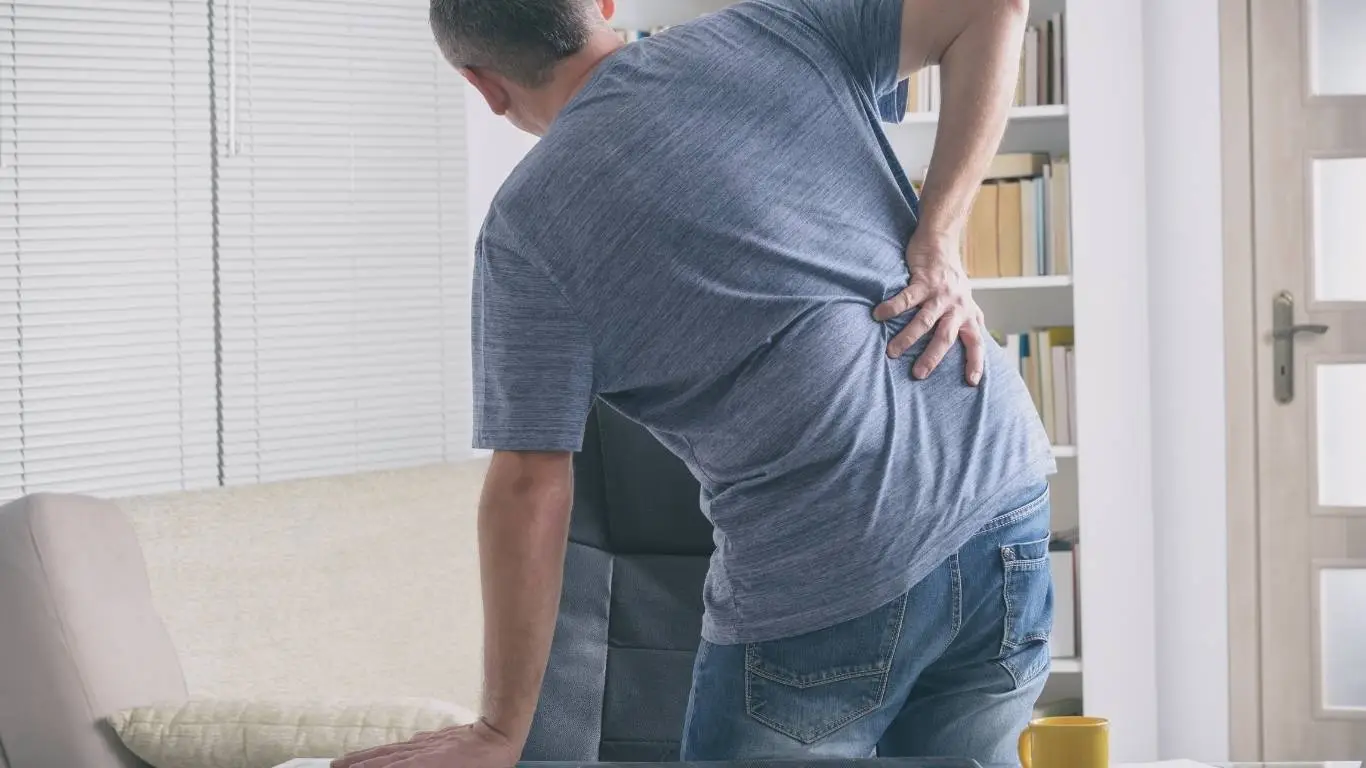
After a few weeks of journaling and reflection, I started noticing a shift—not just in mindset, but in how my body responded to movement. Mornings felt less rigid. Stretching didn’t feel like a chore. It was almost like my nervous system stopped bracing for a battle. That’s when I began integrating gratitude into other parts of my routine—and that’s when the real shift happened.
Stack Gratitude with Physical Routines
We often think of gratitude as a “sit and think” practice. But I found it more effective when I paired it with movement. For example:
- While doing basic back stretches, I’d silently thank my body for showing up—even if it hurt a bit.
- During gentle yoga, I’d reflect on one thing I appreciated about the day.
- After walks, even short ones, I jotted down what felt good—”my legs carried me,” “the air felt clean,” “I made it outside.”
This stacking technique made the habits stick. Gratitude anchored the movement, and movement reinforced the mood lift.
Use Micro-Moments for Daily Wins
You don’t need to wait for a perfect journaling session. One thing I learned from practicing with pain is that micro-moments matter. Even a 10-second pause between Zoom meetings where I acknowledged, “Hey, I didn’t slump just now,” changed how I viewed my progress.
Stacking these moments reminded me of techniques found in conservative back pain treatment strategies—small changes often outperform big overhauls.
The Mind-Body Feedback Loop: Why Your Mood Matters More Than You Think

It’s easy to underestimate how emotions affect chronic pain—until you’re in the thick of it. There were days when stress at work or family tension flared up my pain more than any physical trigger. Gratitude acted like a circuit breaker, helping calm my nervous system before it spiraled.
When Emotions Amplify Pain Signals
Science backs this up. According to clevelandclinic.org, chronic pain and emotional regulation are deeply intertwined. High levels of cortisol, the stress hormone, heighten pain sensitivity. Gratitude lowers cortisol and boosts serotonin—your natural pain buffer.
Practices like cognitive behavioral therapy (CBT) also utilize this mind-body principle. Gratitude, in many ways, is a DIY version of this idea—shifting thoughts, shifting outcomes.
Reframing Setbacks as Signals, Not Failures
On tough days, gratitude gave me space to reinterpret setbacks. Instead of spiraling into “Why is this happening again?”, I’d ask: “What’s this pain trying to protect me from today?” That tiny shift softened the experience. It’s a lesson echoed in emotional approaches to chronic pain, which emphasize meaning-making over resistance.
Gratitude and Sleep: A Game-Changer for Nighttime Pain

I used to dread nighttime. That’s when my lower back would start aching the most. Lying down seemed to trigger every nerve ending. Surprisingly, one of the biggest improvements came not from pillows or mattress tweaks (though those helped), but from gratitude journaling right before bed.
Sleep Quality Improved Without New Meds
Gratitude doesn’t just help you fall asleep—it improves sleep quality. Multiple studies, including ones from mayoclinic.org, show that reflecting on positive moments before bed reduces intrusive thoughts and restlessness. That led to deeper sleep, which reduced my pain levels the next day.
Interestingly, this ties into techniques from back-pain-friendly sleep positioning strategies. The body heals best when it rests well. Gratitude helps unlock that.
Maintaining the Practice Without Forcing It

If there’s one thing I’d tell anyone starting this: don’t treat gratitude like another task. The whole point is to ease pressure, not add more. Some days I write a sentence. Some days just a word. And some nights, I whisper “thank you” without opening a journal at all. That counts.
Make It Yours, Not Someone Else’s Version
You don’t need beautiful handwriting or the perfect planner. What matters is consistency. Some tips that worked for me:
- Set a “gratitude anchor”—like brushing teeth or finishing lunch—to cue a 10-second reflection.
- Use voice notes if writing feels hard.
- Track the connection. I kept a simple note: “Did gratitude today? Y/N. Pain level: 1–10.” The correlation was motivating.
Even something as subtle as acknowledging that your pain was lower after gratitude-based stretching is a form of functional body awareness.
Why Gratitude Belongs in Your Long-Term Recovery Plan

This isn’t a gimmick. Gratitude is free. It’s available. And when paired with evidence-based pain management approaches, it strengthens them. My recovery didn’t happen overnight, but adding this one habit created the most unexpected shift.
It helped me navigate flare-ups with less fear, kept my motivation steady during therapy plateaus, and gave me emotional resilience when everything else felt out of control.
If you want a powerful way to deepen your healing journey, explore how gratitude intersects with emotional wellbeing, mental health, and even your overall back pain management plan.

Camellia Wulansari is a dedicated Medical Assistant at a local clinic and a passionate health writer at Healthusias.com. With years of hands-on experience in patient care and a deep interest in preventive medicine, she bridges the gap between clinical knowledge and accessible health information. Camellia specializes in writing about digestive health, chronic conditions like GERD and hypertension, respiratory issues, and autoimmune diseases, aiming to empower readers with practical, easy-to-understand insights. When she’s not assisting patients or writing, you’ll find her enjoying quiet mornings with coffee and a medical journal in hand—or jamming to her favorite metal band, Lamb of God.