Why Floaters Triggered by Extended Eye Rolling May Get Worse
It started with something so minor, I almost didn’t notice it. I was doing a long eye-roll — not at someone, thankfully — but during a deep stretch after staring at screens all day. A slow roll, eyes tracing a circle up, over, down, and back. Suddenly, boom — a squiggly line danced across my vision. Not a blink-and-you-miss-it kind of thing, but something that stuck around for a while. If you’ve ever experienced floaters triggered by extended eye rolling, you’re not alone. And no, you’re not imagining it.
Why Eye Rolling Can Trigger Floaters
Most people associate eye floaters with aging, stress, or even high screen time. But repetitive or forceful eye movement — like intense or extended rolling — can stir up something unexpected in your visual field. Literally.
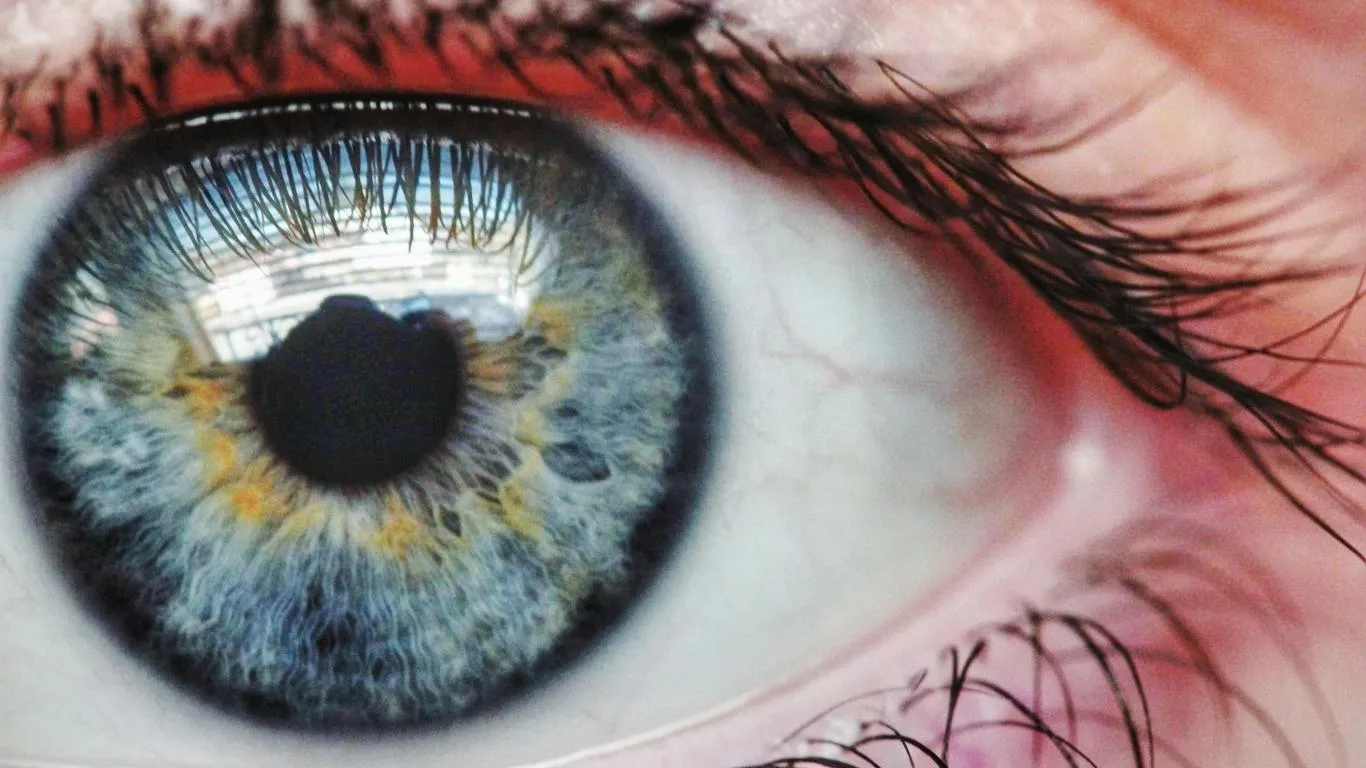
Floaters are essentially tiny clumps or strands within your eye’s vitreous gel — and when that gel shifts, those clumps drift across your line of sight. What’s fascinating is how subtle mechanical actions, like rolling your eyes with more effort than usual, might actually displace those floaters or loosen old ones stuck to the vitreous wall.
According to experts, such movements may create traction or shifts in the vitreous body — kind of like shaking up a snow globe. The debris was always there, it just wasn’t floating into your line of sight — until now.
Personal Insight: When It Happened to Me
I always thought floaters were something older folks dealt with. Then I started noticing them right after yoga sessions or stretching breaks where I’d instinctively roll my eyes in slow motion. I figured it was coincidence — until it kept happening. And oddly enough, it only happened when I rolled my eyes in an exaggerated way, like those guided eye exercises people swear help with focus or relaxation. Nope. All it gave me was a floating strand in the top right corner of my vision for two hours straight.
The Anatomy Behind It
What Is the Vitreous Humor?
This is the jelly-like substance filling most of your eyeball. As we age, it becomes more liquefied and can pull away from the retina. But even without aging, intense movement — including eye rolls — can create shifts that affect how floaters behave. That’s especially true if you’ve had prior eye trauma or have high myopia.
Traction and Movement
Floaters can sometimes appear after small shifts in the posterior vitreous. When you roll your eyes slowly and fully, that movement can apply just enough mechanical pressure inside the eye to jiggle particles loose or move them into your visual sweet spot.
This topic aligns closely with how inflammation like uveitis can also cause sudden floaters — not because the two are identical, but because the trigger (stress or physical action within the eye) may be similar.
Common Risk Factors That Make Eye Rolling-Induced Floaters More Likely
- Thin or aging vitreous gel – Common after age 40, and especially if you’ve had previous eye floaters.
- High myopia – People with long eyeballs (like me) are more likely to experience vitreous shifts.
- Past eye surgeries or trauma – Including laser procedures or blunt force impact.
- Eye strain or overexertion – Excessive screen time followed by stretching can make floaters appear more pronounced.
In fact, there’s a strong link between floaters and screen time in low-light settings, which can strain the eyes and make visual disturbances more noticeable post-movement.
Is It Dangerous or Just Annoying?
In most cases, floaters from eye rolling aren’t harmful — just annoying. But if it happens repeatedly, or if you see a sudden shower of floaters, flashes of light, or a curtain over your vision, it’s not something to shrug off. These could signal retinal tears or detachment, which require urgent medical care.
Here’s a breakdown of when to worry:
- Floaters are accompanied by light flashes in your peripheral vision.
- You notice sudden vision loss or feel like something is pulling across your field of view.
- The floaters rapidly increase in number after head trauma or intense movement.
In situations like that, referencing something like floaters before retinal tears is important — because floaters are sometimes more than just a nuisance.
How I Manage Mine Today
Now, I’m way more conscious of how I move my eyes — especially during stretches. I’ve also started using better lighting and avoiding eye exercises that feel too forced. What helped the most was understanding the anatomy behind what was happening — and reading up on current treatment options made me feel way less anxious about it all.
Oh, and hydration. You’d be surprised how much dehydration can intensify floaters, especially after eye strain.
For anyone still figuring this out, this guide from the main floater overview covers everything from causes to treatment. It’s a solid place to get clarity — no pun intended.
And if you want to learn the difference between these floaters and other eye issues, check out this helpful breakdown.
Natural Remedies and Habits That Help (No Magic Cures, Sorry)
First off, let’s be honest — floaters don’t just “go away” because you drink more kale smoothies. But certain changes can reduce how often they pop up or how visible they seem. Over the past few months, here’s what’s actually helped me (and a few friends who deal with the same thing):
- Hydration – Staying well-hydrated keeps your vitreous gel from drying and clumping. I set hourly reminders now.
- Controlled eye movement – I’ve stopped doing slow, exaggerated eye rolls and replaced them with blink breaks and 20-20-20 techniques.
- Blue light filters – I use screen overlays and computer glasses, especially after learning how blue light filters can influence floater perception.
- Stress reduction – Floaters were worse during anxious periods. Deep breathing, short walks, and sometimes just closing my eyes for a few minutes helped more than I expected.
If you’re thinking about trying natural floater solutions, just remember — not everything labeled “natural” is backed by science. But for many people, small lifestyle tweaks really can make a difference.
When to See an Eye Specialist
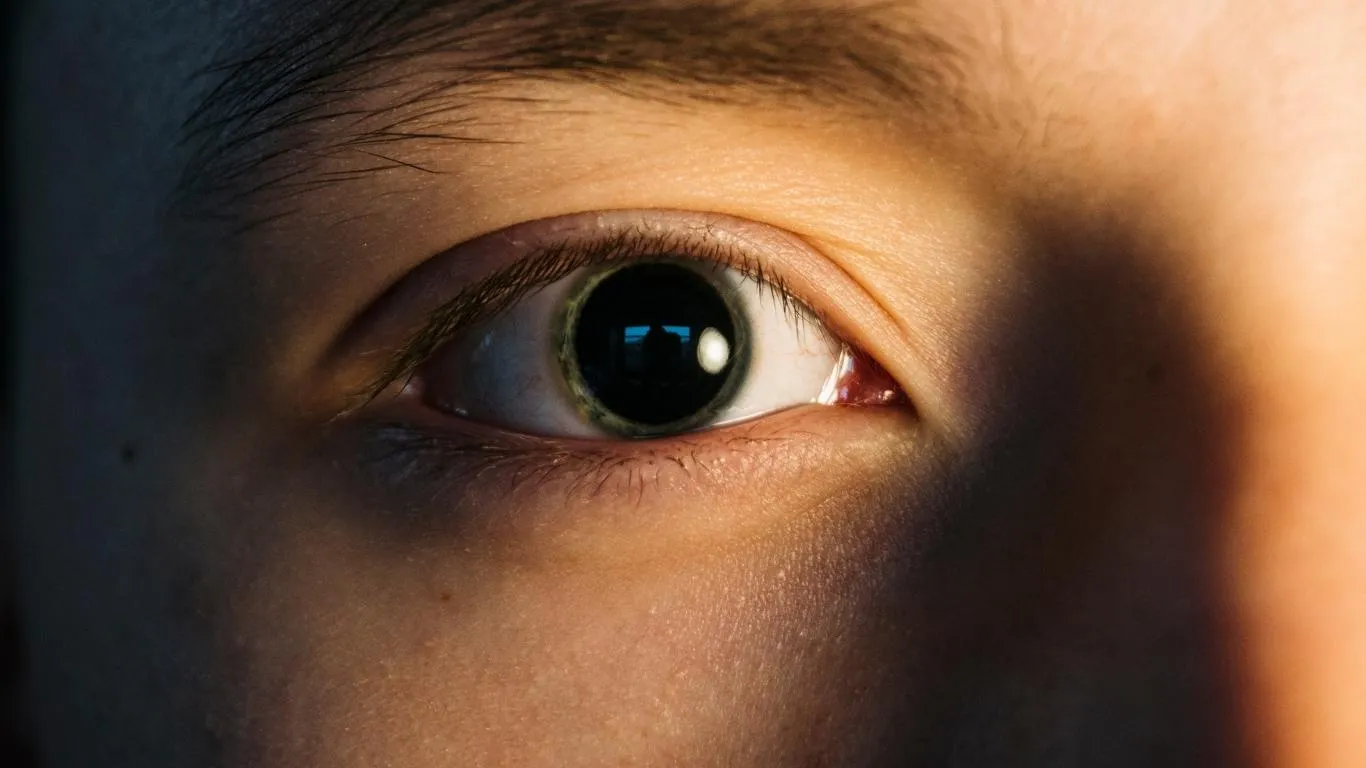
This isn’t a “wait and see” condition when your vision starts acting weird. Here’s when I personally called my eye doctor, and you should too:
- Sudden increase in floaters without any clear trigger.
- Seeing what looked like “flashes” or sparkles in my side vision.
- A partial gray shadow (kind of like a curtain) in one eye.
Those symptoms can sometimes point to retinal problems, not just benign floaters. Thankfully, in my case, it was just some new movement in the vitreous. But the reassurance of a proper check-up? Priceless.
According to the American Academy of Ophthalmology, any sudden onset of floaters — especially post-movement like rolling your eyes — should be professionally examined. You’re not being paranoid. You’re protecting your vision.
Do Eye Exercises Help or Hurt?
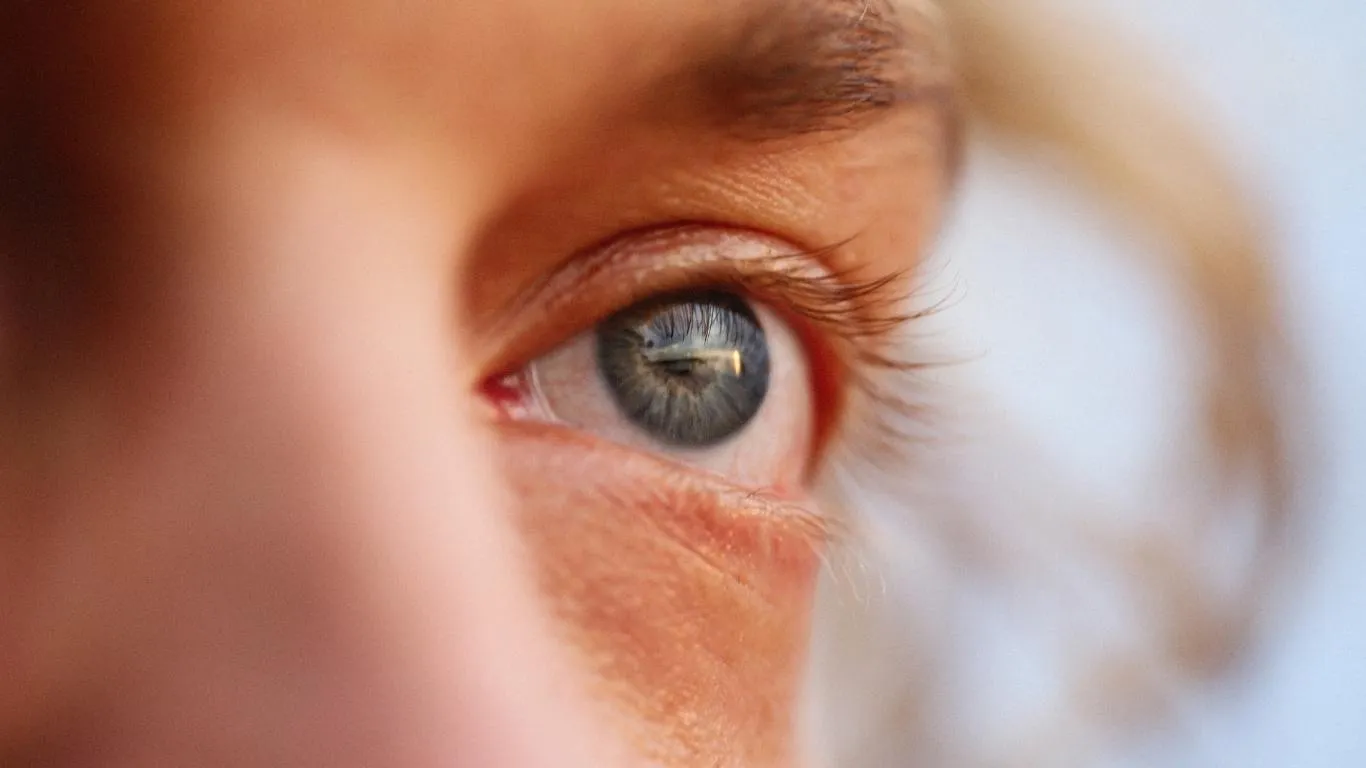
This one’s a bit of a gray area. Some people swear by daily eye stretches. Others (like me) ended up making floaters worse by rolling too often or too intensely. If you’re dealing with recurring floaters post-exercise, it’s worth dialing back.
One thing that really surprised me? Learning how frequent eye rubbing and fatigue can be floaters’ BFFs. I’d been doing both without realizing it made things worse. Now, I skip any movement that strains the eye socket or feels too “deep.” Instead, I focus on blinking patterns and visual rest.
For those curious, these gentle exercises for floater relief are a good place to start — but skip anything that involves rolling your eyes for extended periods. You’ve been warned.
Will These Floaters Ever Go Away?
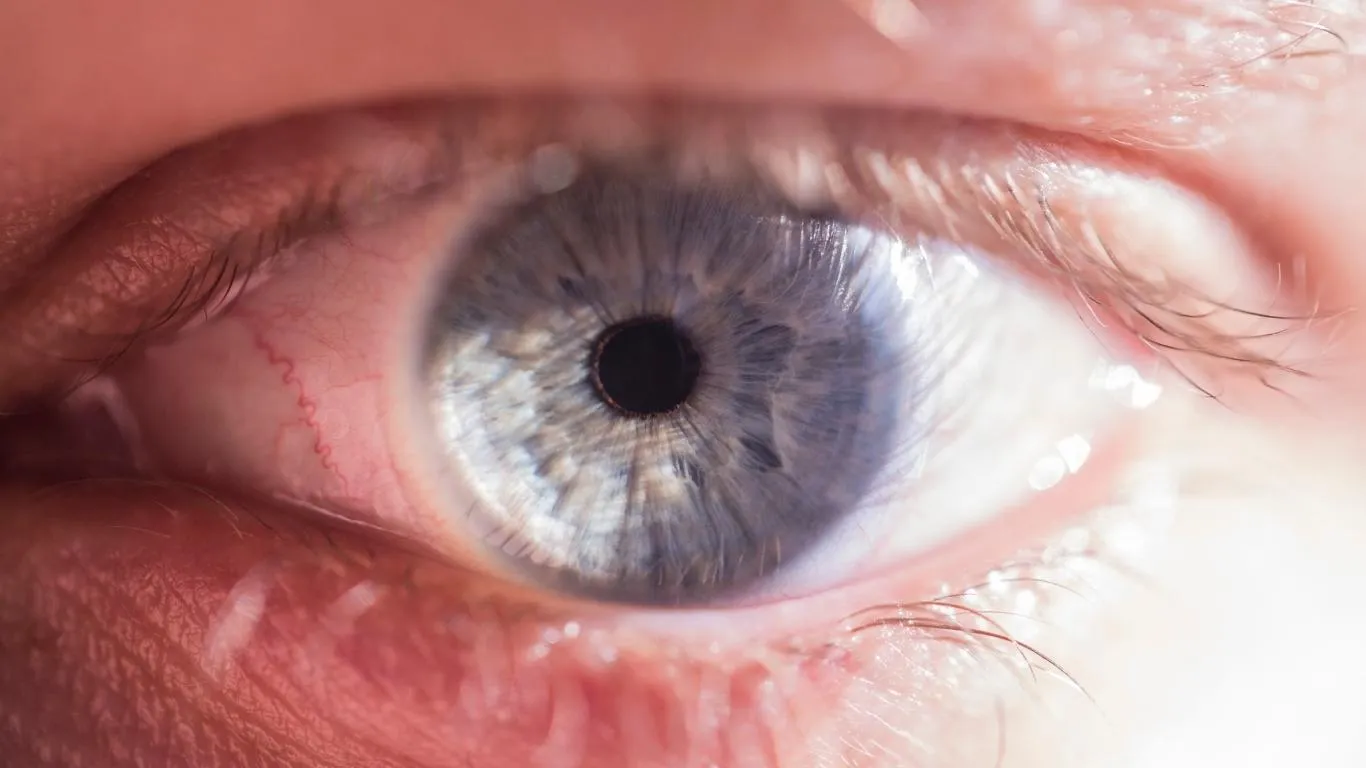
Honestly? Sometimes yes, sometimes no. In my case, some floaters faded into the periphery over weeks. Others — like the annoying ring-shaped one — come and go depending on lighting. The good news is your brain adapts. After a while, your mind starts tuning them out, a process called “neuro-adaptation.”
Still, don’t wait around hoping they vanish. Learn how to track floater changes — because monitoring is way more empowering than guessing.
If things get worse or disrupt your daily activities, treatments like laser vitreolysis or vitrectomy are out there. Not for everyone, but they exist — and this article on floater treatments does a solid job breaking them down.
The Mental Side of Living With Floaters
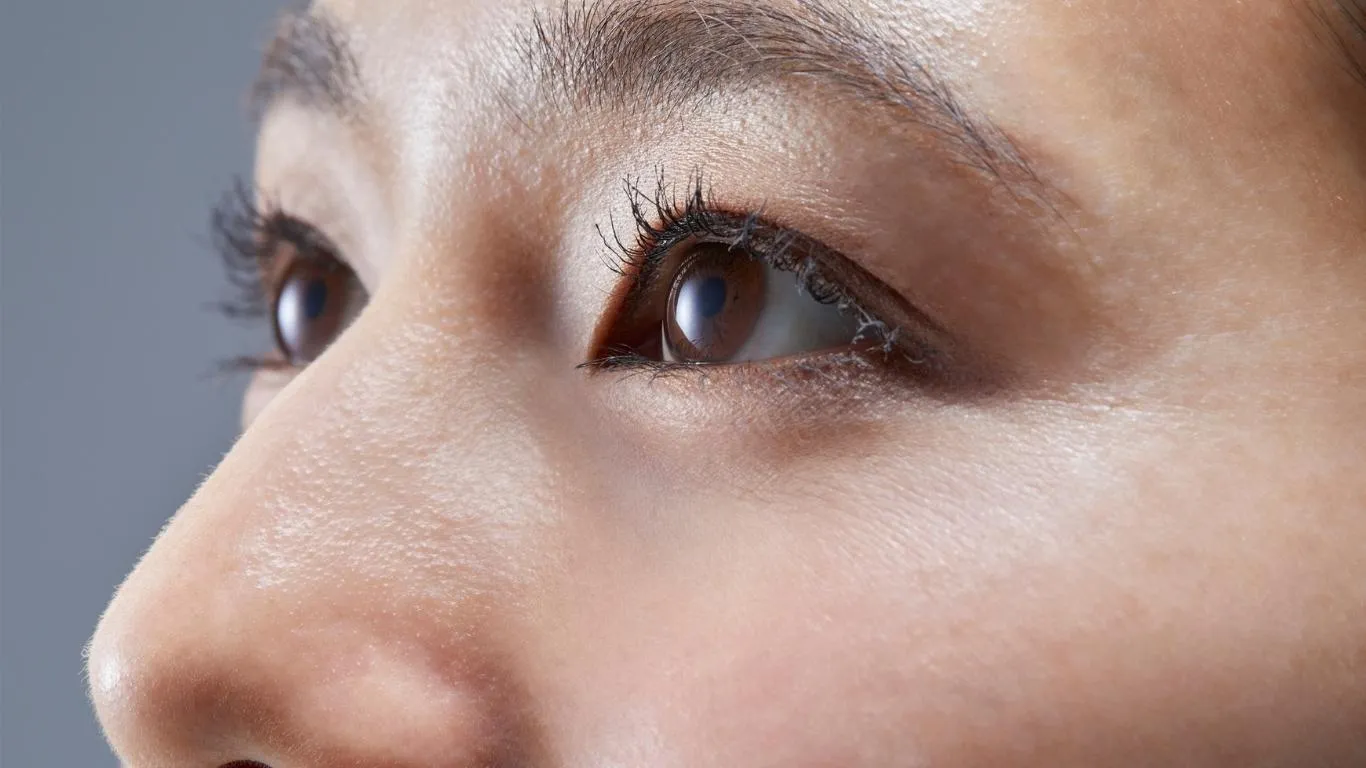
No one talks about the psychological effect of persistent floaters. They’re not physically painful, but they are mentally draining. For weeks, I’d fixate on them, wondering if they were worse today or just more noticeable. I’d test them by shifting my gaze just to see if that stringy one was still there. (Spoiler: it always was.)
Turns out, I wasn’t the only one — and this post on mental health and floaters nailed exactly how I felt. Don’t downplay the emotional fatigue of dealing with something you can’t control but can’t ignore.
What I Wish I Knew Sooner
- Don’t panic at the first sign of a floater — but don’t ignore new ones either.
- Exaggerated eye rolling might seem harmless — until it introduces a new friend in your vision.
- You’re not imagining it. Yes, floaters can absolutely be triggered by that movement.
- There’s no cure, but there are tools, habits, and strategies that make life with floaters a lot easier.
Want a complete breakdown of floaters from causes to treatment paths? Start here: Eye Floaters: Causes, Symptoms, and Treatment Options. And if you’re still not sure if what you’re seeing are floaters or something else, this guide might help: Eye Floaters vs. Other Eye Problems.

Camellia Wulansari is a dedicated Medical Assistant at a local clinic and a passionate health writer at Healthusias.com. With years of hands-on experience in patient care and a deep interest in preventive medicine, she bridges the gap between clinical knowledge and accessible health information. Camellia specializes in writing about digestive health, chronic conditions like GERD and hypertension, respiratory issues, and autoimmune diseases, aiming to empower readers with practical, easy-to-understand insights. When she’s not assisting patients or writing, you’ll find her enjoying quiet mornings with coffee and a medical journal in hand—or jamming to her favorite metal band, Lamb of God.