
Best Natural Cooling Gels for Migraine That Actually Work
If you’ve ever had to pause your entire day, retreat to a dark room, and hope the world just stops spinning for a while — you’re not alone. Migraines are no joke. And when mine hit, I’m not thinking about work or social plans — I’m scrambling for relief. Over the years, I’ve tried practically everything short of sorcery. But one surprisingly effective and refreshingly simple approach? Natural cooling gels for migraine relief. These little miracle workers have become a go-to in my personal migraine toolkit — and I’m not the only one. Let’s dive into why.
Why Cooling Gels Can Help Ease Migraine Pain
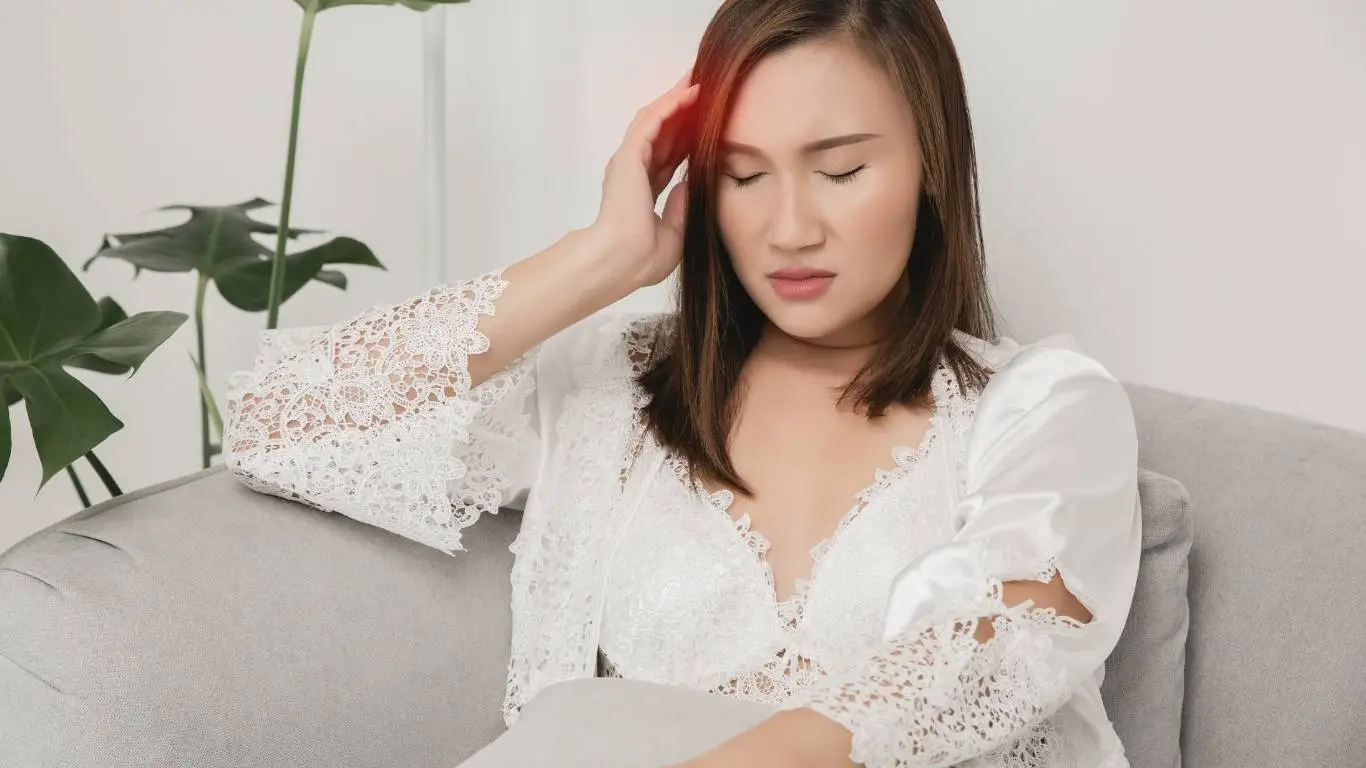
There’s something almost primal about the relief cold brings during a migraine. Whether it’s a cold compress or a forehead strip, that chill hits differently when your head feels like it’s under siege. Cooling gels take this a step further with targeted, often menthol-based, applications that offer lasting relief without making a mess or requiring prep.
The Science Behind Cooling Relief
Menthol, a common ingredient in many natural gels, activates cold-sensitive receptors in the skin. According to scientific studies, this stimulation can actually block pain signals and reduce muscle tension — two major culprits during a migraine attack.
Plus, many gels include ingredients like peppermint oil, eucalyptus, or camphor — all known for their analgesic and anti-inflammatory properties. That combination helps ease throbbing, calm your senses, and can even reduce nausea in some cases.
Why I Ditched Over-the-Counter Cooling Pads
I used to rely on disposable cold patches you stick on your forehead. They’re fine — for about 10 minutes. But they lose chill fast, and they often left sticky residue. That’s what drove me to seek out more natural remedies for migraines, and eventually discover a world of gel-based solutions that actually last.
Best Natural Ingredients to Look For

Here are a few of my must-haves when scanning labels for migraine gels:
- Peppermint Oil – It’s cooling, anti-inflammatory, and proven in multiple studies to reduce migraine intensity.
- Eucalyptus – Helps relieve sinus pressure and tension, especially when my migraines are triggered by weather or allergies.
- Menthol – The heavy hitter when it comes to providing that icy punch. Bonus: it often kicks in within minutes.
- Aloe Vera – Soothes the skin and gives the gel a smoother, less sticky texture.
- Lavender Oil – Offers calming benefits for migraine-related anxiety or sleep issues.
What to Avoid
Some gels on the market claim to be “natural,” but sneak in harsh preservatives, synthetic fragrances, or artificial dyes. If it smells like a chemical plant, trust your instincts — skip it.
How I Use Cooling Gels During a Migraine
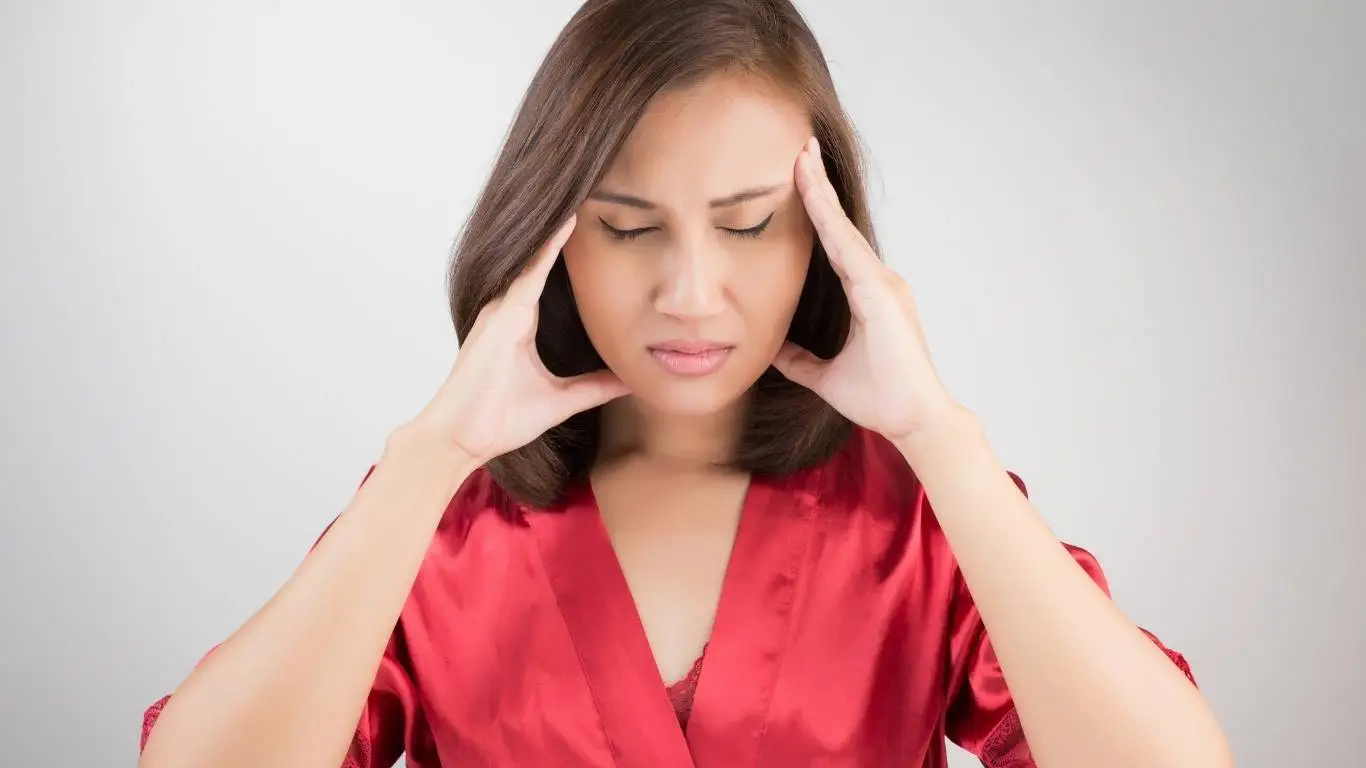
Here’s how I typically use them:
- Apply a small amount to the temples, back of the neck, and sometimes the forehead.
- Find a quiet, dim space — a good pair of earplugs and an eye mask can be game changers here.
- Lay down and let the cooling sensation do its thing. Sometimes I’ll pair it with slow breathing or light acupressure.
The beauty? No pills, no waiting for digestion, no side effects. Just sweet, cold, calming comfort. I’ve even used them discreetly during work Zoom calls when I felt a migraine sneaking up on me.
When to Use Cooling Gels (and When Not To)

Catching a migraine early is always the move. Most of the time, I reach for my cooling gel at the first sign — usually visual auras or neck tightness. According to this migraine warning signs guide, acting fast can seriously shorten the duration or intensity.
But if you’re already deep into the migraine stage — with nausea, light sensitivity, or full-blown pain — cooling gels may only offer mild relief. That’s where layering them with other strategies like CBT for migraines or guided breathing helps.
My Favorite Natural Cooling Gels (That Actually Work)

Not all gels are created equal — and trust me, I’ve tried plenty. A few standouts include:
- Himalaya Cooling Balm – Surprisingly potent and super affordable. The menthol-to-eucalyptus balance is *chef’s kiss*.
- Saje Peppermint Halo – A rollerball oil blend that goes on smooth and delivers intense cooling. Not technically a gel, but close enough and worth a mention.
- Koala Gel – Aloe-based, absorbs fast, and doesn’t leave residue. My go-to when I need to apply before bed.
Before experimenting, I recommend reviewing your migraine triggers. Some people are sensitive to strong scents, even natural ones — so always patch test first.
Linking It All Together

Natural cooling gels aren’t a magic bullet, but they’re one of the few things that offer fast, no-nonsense relief without disrupting your system. Combine them with a proactive approach to migraine prevention and a smart lifestyle routine, and you’ll have more control over those dreaded episodes.
If you’re curious about a deeper dive into holistic strategies, the full rundown on natural migraine remedies is an excellent place to explore more options. You can also find broader context and tips in the main migraine and headache guide.
Pairing Cooling Gels with Lifestyle Tweaks

Over time, I realized that cooling gels worked best when used alongside small but meaningful lifestyle shifts. I’m talking about stuff like getting better sleep, drinking enough water (seriously, hydration matters), and keeping my meals regular. When I started doing these consistently, I noticed my migraines weren’t just easier to manage — they were showing up less often.
Sleep Smart, Not Just More
We’ve all heard “get more sleep,” but for migraine sufferers, it’s not just about clocking hours — it’s about quality and consistency. I used to go to bed at random hours. Once I started sticking to a set routine, even on weekends, things shifted. This guide on migraine sleep habits helped me make changes without overhauling everything.
Hydration Hacks That Help
Dehydration is a quiet trigger that snuck up on me more times than I can count. I now keep a large water bottle at my desk and try to drink a glass of water with every meal. If you need more convincing, here’s the lowdown on why hydration matters for migraine sufferers.
Watch What (and When) You Eat
Skipping meals? Instant regret. Sugary snacks? A gamble. I learned that certain foods — and the timing of meals — directly impacted my head. Some friends swear by these migraine-safe foods, and I’ve found that eating small, consistent meals every few hours keeps things stable.
When to Seek Backup: Gels + Pro Help

I’m all for natural approaches — but sometimes, you need to bring in the pros. When migraines were interfering with my work and social life, I decided to get serious. I found a neurologist who really understood migraines. According to this helpful guide on when to see a migraine specialist, red flags include more than four severe attacks a month or if meds stop working. That was definitely me.
My doctor didn’t dismiss my preference for natural aids either. In fact, she encouraged pairing them with prescription options when needed. Cooling gels became a bridge — something I could use between doses or when meds weren’t an option (like during travel or meetings).
Natural Gels on the Go

Let’s talk portability. Most gels come in compact tubes or roll-ons, which makes them ideal for migraine travel kits. I always pack one in my carry-on when flying. Between cabin pressure, jet lag, and dehydration, flights are migraine traps.
If flying tends to trigger yours too, this article on flying with migraines has some practical hacks — like choosing seats near the wing and avoiding red-eye flights.
My Minimalist Migraine Relief Pouch Includes:
- 1 tube of natural cooling gel
- Roll-on essential oil blend (peppermint + eucalyptus)
- Compact gel eye mask (pop it in hotel fridges)
- Noise-canceling earbuds
- Reusable water bottle
Combining Gels with Complementary Therapies

Some days, I’ll apply a gel and do a short yoga flow. Other times, it’s breathwork or acupressure. I’m a big believer in yoga for migraines — not the high-energy stuff, but slow stretches and poses that loosen the neck and shoulders.
Gels enhance these practices. I apply it before gentle neck rolls or legs-up-the-wall. That combo of movement and chill (literally) makes a noticeable difference in how quickly I bounce back.
Other Supportive Therapies Worth Trying:
- Acupuncture – Helped me manage hormonal migraines during my 30s
- Biofeedback – Great for stress-related migraines
- CBD-based gels – Another cooling option if legal in your region
What Works for One, Might Not for Another
Let’s be real — migraines are wildly personal. What helps me may not help you. Still, the low risk and high potential benefit of natural cooling gels make them an easy “why not?” addition to any migraine strategy. There’s something empowering about finding tools that let you reclaim part of your day without needing a pharmacy trip.
If you’re just starting your natural migraine relief journey, the full rundown on natural migraine remedies is a solid next step. And if you’re looking for a broader understanding of triggers, treatment options, and more, check out the main migraines and headaches overview.

Bianca Nala is a compassionate Nurse Practitioner with a strong background in primary and respiratory care. As a health writer for Healthusias.com, she combines her clinical expertise with a talent for clear, relatable storytelling to help readers better understand their health. Bianca focuses on topics like asthma, COPD, chronic cough, and overall lung health, aiming to simplify complex medical topics without losing accuracy. Whether she’s treating patients or writing articles, Bianca is driven by a single goal: making quality healthcare knowledge accessible to everyone.