How Bruxism Can Wreck Your Neck and Upper Back Health
It started subtly—a clenched jaw during stressful workdays, a stiff neck after long Zoom calls. I didn’t connect the dots right away. Like many people, I brushed off the soreness in my upper back and the persistent tightness in my shoulders as a posture issue. But one dental checkup and a chiropractor’s nudge later, the term “bruxism” came up. Yep, grinding my teeth—something I didn’t even realize I was doing—was sneakily triggering neck and upper back pain. Turns out, I wasn’t alone.
How Bruxism Triggers Upper Back and Neck Pain

Bruxism, especially when it’s stress-induced, is more than just a dental problem. It creates a domino effect that travels well beyond your mouth. When you grind or clench your teeth, particularly at night, it overworks the muscles around your jaw. These muscles are interconnected with your neck and upper back muscles, meaning that chronic clenching can cause tightness, spasms, and inflammation in those areas.
The Chain Reaction of Muscle Tension
Here’s a basic breakdown of what happens:
- Jaw muscles—like the masseter and temporalis—tense during bruxism.
- This tension radiates into the neck via muscles like the sternocleidomastoid and trapezius.
- The constant stress can then spread to the upper back, especially around the scapula and thoracic spine.
It’s not just my personal experience—many physical therapists confirm this muscular link. If you’ve ever woken up with a sore neck or tension behind the eyes and didn’t sleep weird, this might be why.
Common Signs Your Back Pain Might Be Bruxism-Related

- Morning neck stiffness without a clear cause
- Upper back pain that worsens during periods of high stress
- Jaw soreness or clicking sounds
- Frequent tension headaches or migraines
- Unexplained pain between the shoulder blades
Sound familiar? I was ticking almost every one of those symptoms before I ever made the connection. Turns out, chronic teeth grinding mimics the effects of bad posture, but with a twist—it doesn’t just hurt while sitting, it haunts you even when you’re lying down to rest.
Why You Might Not Realize It’s Bruxism
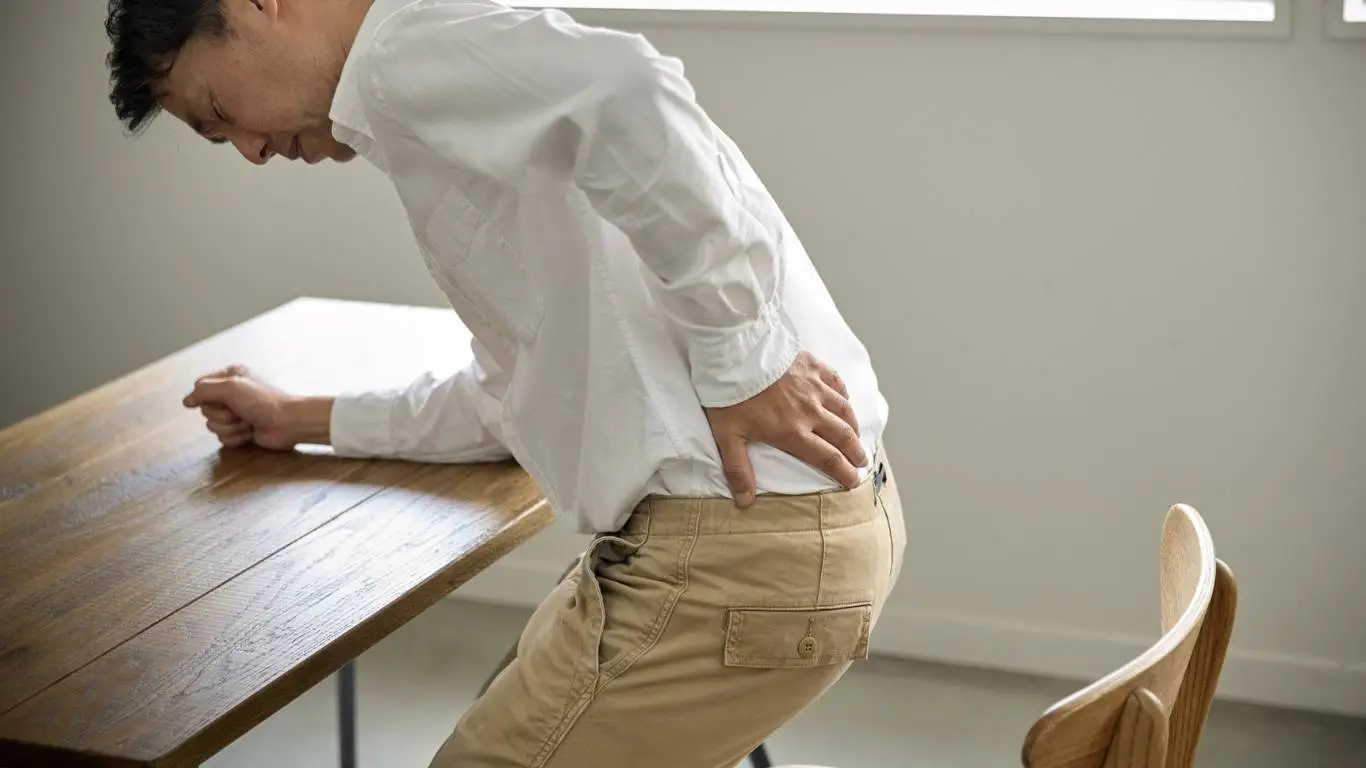
One of the trickiest things about bruxism is that it often goes unnoticed. Many people grind their teeth while sleeping and have no idea until a partner points it out—or a dentist sees the wear. And even when you do find out, connecting it to your back pain can feel like solving a mystery with missing pieces.
Here’s what caught me off guard: the pain in my mid and upper back didn’t improve no matter how much I stretched or adjusted my office chair. Once I started using a night guard and worked on my stress triggers, the pain didn’t just fade—it finally let go.
Daily Habits That Make It Worse (Trust Me, I’ve Been There)

I used to think my back pain came from sitting too long or using my phone too much. And while those things don’t help, they weren’t the root. Here’s what can silently make bruxism-related pain worse:
- Slouching while working—adds tension to already strained muscles.
- Consuming caffeine or alcohol close to bedtime—both increase muscle tension.
- Not managing stress—chronic anxiety fuels subconscious clenching.
- Skipping movement breaks—leads to stiffness that amplifies existing pain.
What helped me was addressing the clenching, not just the posture. Learning yoga for upper back tension and switching to a soft pillow made a massive difference.
Real Ways to Relieve Bruxism-Related Neck and Back Pain

What Worked For Me (And Might Help You Too)
- Custom night guard: This was my game-changer. It minimized pressure and I stopped waking up sore.
- Manual therapy: Regular visits to a chiropractor helped unlock the tightness in my shoulders and neck.
- Trigger point massage: A godsend for releasing those deep muscle knots that just don’t quit.
- Breathwork: Sounds basic, but deep breathing exercises eased my tension—and the grinding.
Research also shows that untreated bruxism can contribute to long-term spinal issues. According to PubMed and sources from CDC, jaw dysfunction often correlates with postural imbalance, which is one of the leading factors in recurring back pain.
Don’t Skip This Step: Get to the Root

If there’s one thing I’ve learned from my experience, it’s this—masking the pain won’t work forever. You need to pinpoint the real cause, even if it’s something as unexpected as teeth grinding. I ignored it for months, treating the back pain but not the source, and the relief never lasted.
For anyone navigating this hidden link, I highly recommend checking out the full breakdown on how different back pain types connect with anatomy—that was the piece that clicked everything into place for me. And for a broader view, the main back pain resource page on Healthusias offers tons of helpful insights.
Long-Term Solutions That Actually Work

One of the mistakes I made early on was chasing short-term fixes. I’d use a heating pad, pop an ibuprofen, stretch it out—and boom, the pain was gone… until it came roaring back a few days later. What I needed was a long-term strategy, not a temporary patch.
Once I accepted that my bruxism and upper back pain were connected, I started treating both together. It changed everything.
What Long-Term Relief Really Looks Like
- Postural Retraining: Working with a physical therapist helped me fix the subtle neck-forward posture I didn’t even realize I had. This posture-back pain connection is stronger than most people think.
- Daily Jaw Relaxation Exercises: Five minutes a day can keep the tension at bay. I follow a jaw mobility routine every morning now—takes no time, but it works.
- Trigger Point Therapy: I started using a lacrosse ball at home between massage appointments. It hurts in a good way and really helps release upper back knots.
- Behavioral Therapy: CBT didn’t just help my stress; it also reduced the subconscious clenching. There’s science behind this—CBT has proven benefits for chronic pain and bruxism.
The Role of Sleep and Your Nighttime Routine

Sleep is when most of the damage happens. Nighttime bruxism combined with poor pillow support or bad sleep posture is a recipe for daily neck pain. I used to wake up feeling like I’d slept in a vice grip—until I made some simple swaps:
- Switched to a cervical support pillow—less pressure on the neck.
- Stopped sleeping on my stomach—which only made my upper back twist unnaturally.
- Added light stretches before bed to release daytime tension.
All of that helped. If you’ve never evaluated your pillow, mattress, or how you sleep, now’s the time. This guide on sleeping positions was an eye-opener for me.
How Stress Quietly Fuels the Pain

I don’t say this lightly: stress is the sneaky villain in the bruxism-back pain saga. It makes you clench harder, sleep worse, hold your shoulders higher, and breathe shallower. I didn’t realize how shallow my breathing was until a friend pointed it out during a yoga class.
Once I incorporated stress-relieving habits into my routine, my jaw eased up. My neck followed. The cycle broke. Try adding these:
- Mindfulness meditation—10 minutes daily is enough to shift your nervous system.
- Breathwork techniques—like box breathing or 4-7-8 breathing for relaxation.
- Regular digital detox—especially before bed to reduce jaw-tightening screen time.
Even mindfulness meditation has growing support in the medical world as a real tool against chronic pain, including pain from muscle overuse due to clenching.
Fixing Your Workstation (Seriously, Do It)

One of the most overlooked aspects of bruxism-related upper back pain? Your workstation. If you clench your jaw all day while hunched over a laptop, you’re just feeding the tension loop.
I upgraded my setup and it was a huge help:
- Raised my monitor to eye level—no more looking down constantly.
- Used a lumbar support cushion—even at the kitchen table.
- Set hourly reminders to drop my shoulders and unclench my jaw.
This ergonomic chair guide helped me make a smart choice without overpaying. Sometimes it’s the simple upgrades that yield big relief.
Should You See a Specialist?

If you’re not seeing improvement—or if your pain is getting worse—don’t hesitate. A dentist, TMJ specialist, or physical therapist can help uncover what you’re missing. For me, it was a combo approach that made the difference.
Also consider asking your provider about imaging if the pain feels abnormal. While not always necessary, this MRI guide explains when scans make sense for unexplained upper back pain.
What Finally Helped Me

Honestly, it wasn’t one miracle product or one amazing stretch. It was the layered strategy—night guard, stress work, posture fixes, breathwork, sleep improvements, and conservative treatment strategies—that finally broke the cycle for me. Upper back pain from bruxism doesn’t have to be a life sentence. But it does require treating the cause, not just the symptoms.
For anyone still struggling, I highly suggest starting with the full guide on natural lifestyle remedies that can support back and neck relief long term. And don’t overlook the value in exploring more at the main back pain hub on Healthusias—seriously, it’s loaded with helpful nuggets I wish I’d seen sooner.

Camellia Wulansari is a dedicated Medical Assistant at a local clinic and a passionate health writer at Healthusias.com. With years of hands-on experience in patient care and a deep interest in preventive medicine, she bridges the gap between clinical knowledge and accessible health information. Camellia specializes in writing about digestive health, chronic conditions like GERD and hypertension, respiratory issues, and autoimmune diseases, aiming to empower readers with practical, easy-to-understand insights. When she’s not assisting patients or writing, you’ll find her enjoying quiet mornings with coffee and a medical journal in hand—or jamming to her favorite metal band, Lamb of God.